REVIEW · PARIS
Paris: Sunrise Running and Sightseeing Group Tour
Book on GetYourGuide →Operated by RunRun Tours · Bookable on GetYourGuide
Paris looks different when it is quiet. This sunrise running tour pairs a real workout with guided stops at iconic sights, from Notre-Dame area to the Eiffel Tower. I like getting the city’s main landmarks early, when the streets feel calmer, and I like the small-group vibe that keeps the pace manageable. One key consideration: you need to be able to run at least 5 kilometers nonstop, even if you do not need to be fast.
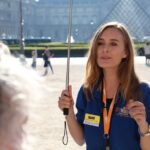
The tour starts in the heart of Paris at Place Saint-Michel, then you move through neighborhoods and landmarks many people only see after breakfast and crowds. Your guide leads you at your own pace, with light refreshments and water during breaks, plus digital photos from the experience. If you’ve heard the name Andrea, that’s one guide you might encounter, and reviews highlight her mix of running support and photo-friendly sightseeing.
For me, the big win here is practical: you get exercise, orientation, and great sight lines in a single early window. The one “gotcha” is also practical: you can’t bring large luggage, and storage for big bags is not available, so pack light and wear your running shoes.
In This Review
- Key things I’d plan around before you go
- Why a Paris sunrise run feels more efficient than a normal sightseeing day
- Meeting at Place Saint-Michel: where you start and how it sets the tone
- The workout setup: what you’re really signing up for
- Landmark-by-landmark: Notre-Dame to the Eiffel Tower in a smooth early-morning flow
- Notre-Dame area: start with a classic and build momentum
- Palais de Justice and Conciergerie: courthouse history, street-level perspective
- Sainte-Chapelle: a smaller stop that feels big
- Pont Neuf and Pont des Arts: bridges for photos and river views
- Louvre area and Tuileries Garden: the central Paris identity check
- Place de la Concorde and Pont Alexandre III: wide-open views and big-scale Paris
- Les Invalides, Grand Palais, and Petit Palais: big façades, quick context
- Champs-Élysées: the famous avenue, but calmer in the morning
- Pont de l’Alma and Palais de Tokyo: a change in mood as you move west to views
- Place du Trocadéro and the Eiffel Tower: the payoff moment
- On foot to Musée d’Orsay and back: finishing with a gentle landing
- Price and value: is $55 worth it for a 2-hour Paris run?
- Who this tour is perfect for, and who should skip it
- Practical tips to make the morning smoother
- Should you book this Paris sunrise running tour?
- FAQ
- How long is the Paris Sunrise Running and Sightseeing Group Tour?
- Where do I meet the guide?
- What landmarks are included on the route?
- What is the required fitness level?
- Is the tour in English?
- Is transportation included?
- Are museum entries included?
- What is included in the price?
- Can I bring luggage or a large bag?
- Is it refundable if I cancel?
Key things I’d plan around before you go
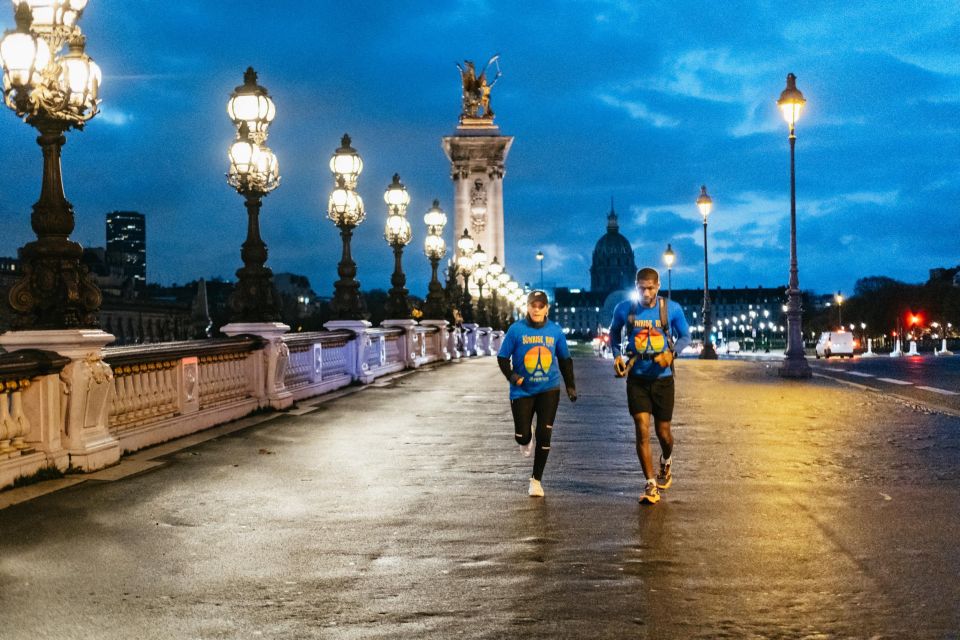
- Start time matters: you’ll hit major sights in the sunrise hours, when viewpoints are far easier for photos.
- Small group, real pacing: limited to 10 participants, with breaks built in so you’re not sprinting between stops.
- You must be able to run: conditioning requirement is at least 5 km non-stop.
- Refreshments on the move: still bottled water plus dried fruits or nuts during the tour.
- Guide carries small items: your host can hold small belongings in their backpack.
- You get digital photos: handy if you want landmark shots without constantly stopping.
Why a Paris sunrise run feels more efficient than a normal sightseeing day
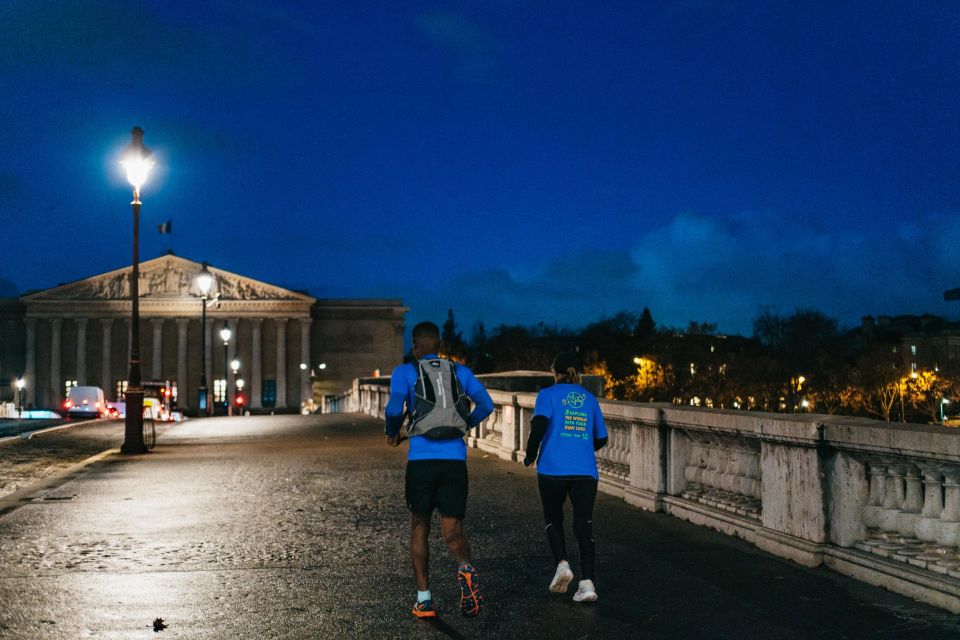
I love the idea of doing Paris on its schedule, not on mine. Daytime sightseeing is packed and slow, but an early run lets you see the city’s big-name landmarks while the streets still breathe.
This tour is also a smart way to get your bearings. Instead of bouncing between tickets and bus stops, you follow one guided route and learn what you’re looking at along the way—while your body is already warmed up.
The value hits in the practical stuff, not just the romance. You’re paying for a guide, a structured route, and the built-in comforts like water and snacks plus a waterproof running jacket.
A few more Paris tours and experiences worth a look



Meeting at Place Saint-Michel: where you start and how it sets the tone
You meet your guide at 4 Pl. Saint-Michel, between the Saint-Michel fountain and the metro exit. It’s easy to reach by metro and RER; the key is finding the exact exit point called Fontaine Saint-Michel.
I like meeting here because it’s central and landmark-heavy right from the first minutes. You’re already standing in a part of Paris that feels like a crossroads, which makes the “orientation by running” concept click fast.
The other tone-setter is group size. With a maximum of 10 participants, you get a guided experience that doesn’t feel like cattle-herding, and your guide can adjust pacing when people are at different fitness levels.
The workout setup: what you’re really signing up for
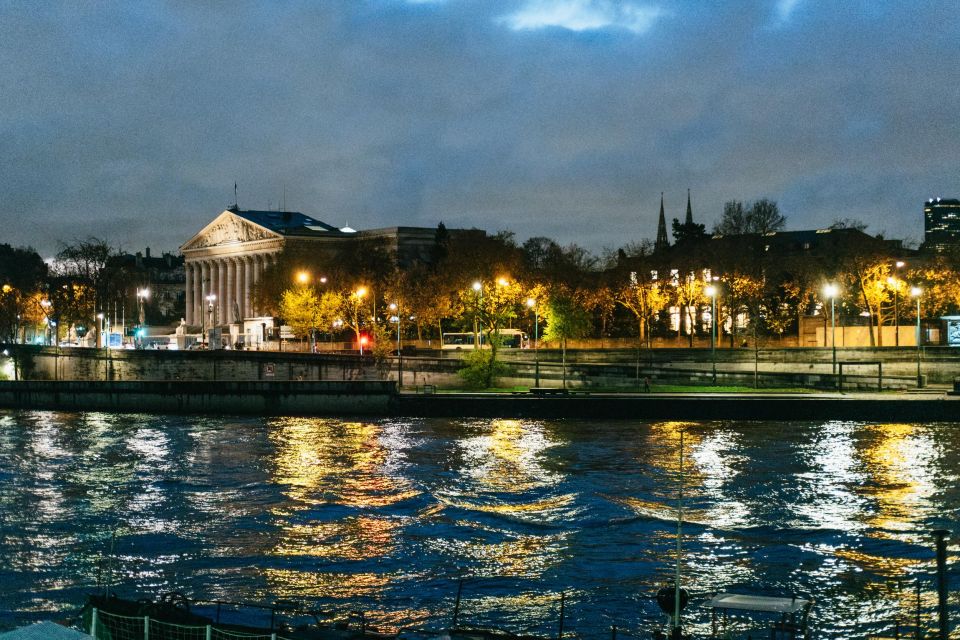
This is not a couch-to-museum stroll. You’re expected to jog with breaks, and the requirement is clear: you should be able to run 5 kilometers nonstop before booking.
That requirement matters because it protects the experience. If everyone on the route can handle that baseline, the guide can keep the sightseeing moving without turning it into a stop-and-wait parade.
You don’t need to be fast, but you do need to be comfortable running through streets and making frequent stops for photos and quick history moments. If you get out of breath easily, this might turn into a frustrating slog instead of a fun morning.
Landmark-by-landmark: Notre-Dame to the Eiffel Tower in a smooth early-morning flow
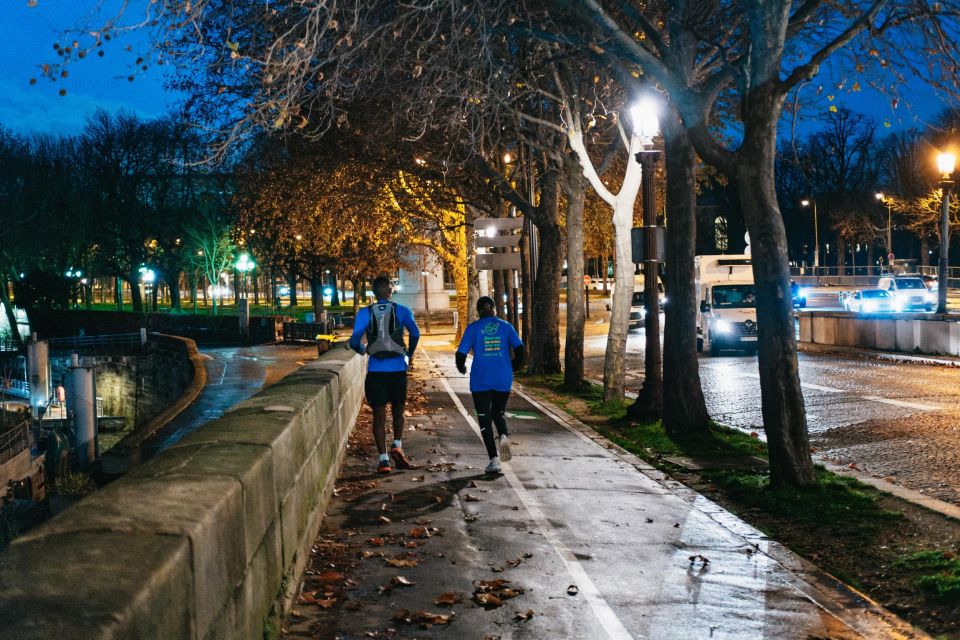
The route is designed like a string of iconic stops, with break times and photo stops to keep your legs from rebelling. Here’s how the day unfolds, and what each stop tends to give you.
Notre-Dame area: start with a classic and build momentum
The first major sighting is the Notre Dame Cathedral area, with a photo stop plus guided time nearby. Starting here early is the whole point: you’re more likely to get clean angles and breathe without weaving through later-day crowds.
Short guided moments at the start also help you settle into the rhythm of jogging and listening. It’s a gentle way to shift from meeting-point energy to tour pace.




Palais de Justice and Conciergerie: courthouse history, street-level perspective
Next you pass Palais de Justice and then the Conciergerie, with guided touring and break time built in. These are serious-looking buildings, and the payoff of an early start is that you can actually take them in.
If you like stories that explain why places feel the way they do, these stops are a good bet. The streets move around you, but your guide’s talking points keep it connected, not random.
Sainte-Chapelle: a smaller stop that feels big
Then comes Sainte-Chapelle, again with guided time and a break. This is one of those stops where the exterior views plus quick context can make the place feel more personal than the big monuments.
One practical note: since entries are not included, you’re seeing it as part of your route experience. That can still be worthwhile, especially if your goal is the skyline-and-streets vibe rather than museum time.
Pont Neuf and Pont des Arts: bridges for photos and river views
You’ll cross into the river-views zone with Pont Neuf and Pont des Arts, both with scenic walking time and photo stops. Bridges are where Paris feels extra photogenic because you can look down and across at angles that don’t exist on boulevards.
This is also where the tour’s sunrise timing pays off most. Early light can make reflections and sky tones easier to capture without people photobombing your shot.
Louvre area and Tuileries Garden: the central Paris identity check
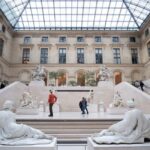
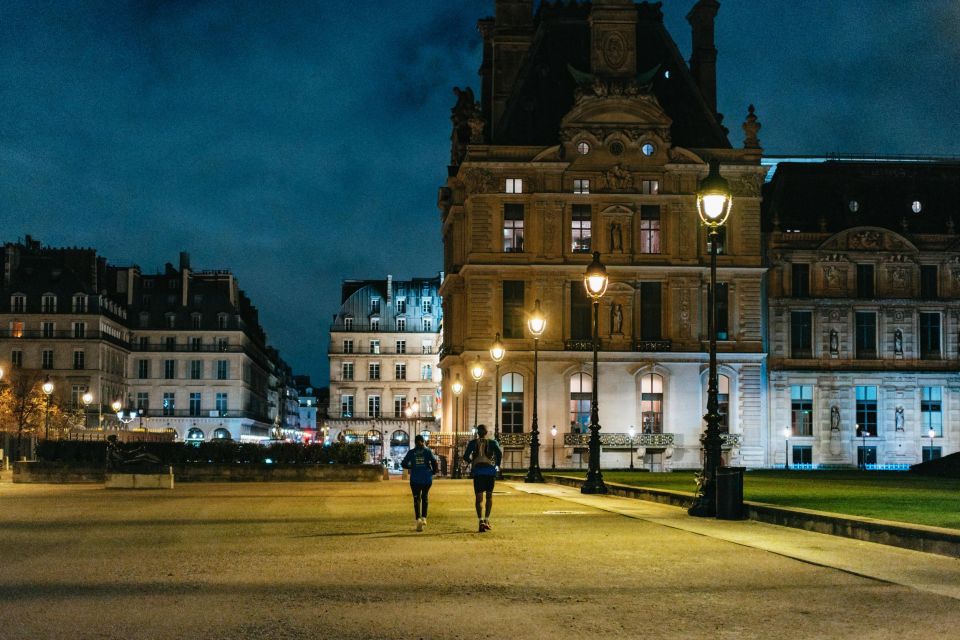
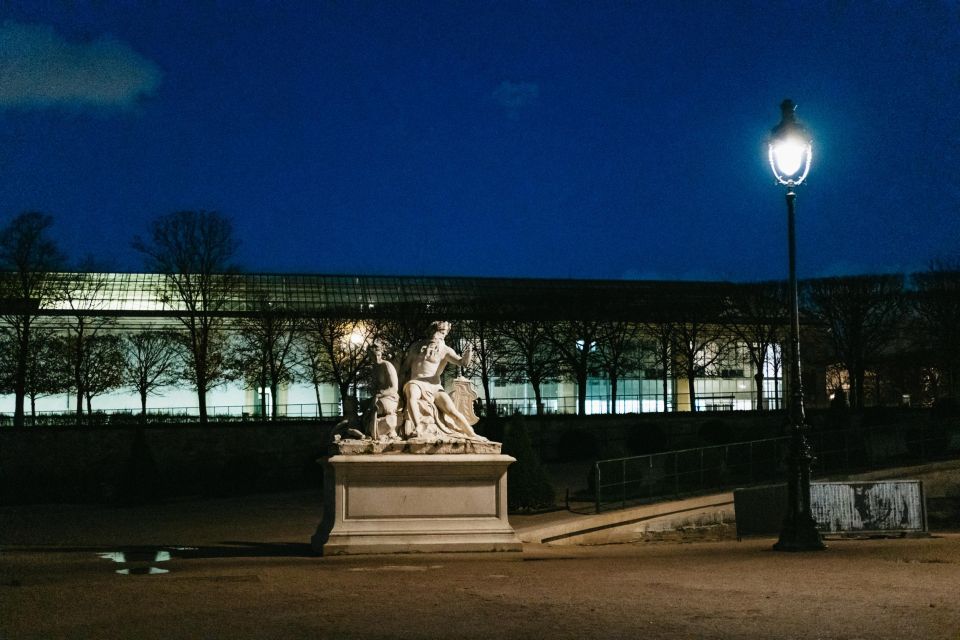
The route brings you to the Louvre Museum area, then Tuileries Garden with guided time and passing-by segments. You get the classic Paris geometry in motion—buildings, gardens, and long sight lines you’d otherwise see only from one congested spot.
I like this part because it balances “big name” landmarks with the calmer feel of garden space. Even when you’re moving, the tour slows down at the right moments for photos.
Place de la Concorde and Pont Alexandre III: wide-open views and big-scale Paris
Next up is Place de la Concorde, followed by Pont Alexandre III with breaks, photo stops, and scenic walking. These wide-open areas make the whole city feel larger, and running through them early keeps the experience from getting chaotic.
Wide spaces also make it easier for your guide to manage pacing. It’s simpler to regroup, and you get more opportunity for photos without constant stops.
Les Invalides, Grand Palais, and Petit Palais: big façades, quick context
You pass Les Invalides and then the Grand Palais and Petit Palais. These stops tend to reward you if you enjoy architecture and the way landmarks signal where Paris “centers” itself.
The downside of these kinds of stops is also simple: time windows are shorter because you’re still on a running route. If you want to linger for an hour with zero urgency, this might feel like a taste, not a full visit.
Champs-Élysées: the famous avenue, but calmer in the morning
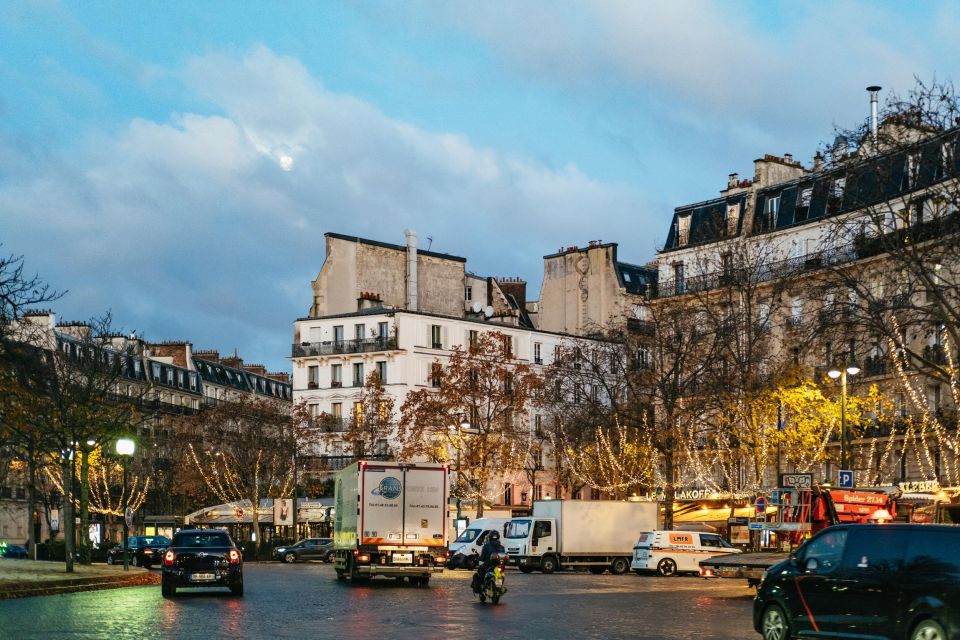
The Champs-Élysées portion is mostly guided, with passing-by and scenic views while the sun is still working its way up. Even if the avenue is famous, early morning makes it feel less like a theme-park corridor and more like a real street.
This is also a good segment to keep your pace steady. With breaks earlier, your legs often feel ready for this stretch, and the route gives you a few viewing moments without turning it into a marathon.
Pont de l’Alma and Palais de Tokyo: a change in mood as you move west to views
After that you pass Pont de l’Alma and Palais de Tokyo, with scenic walking and sightseeing time. This part shifts the vibe slightly—still central Paris, but with a different rhythm than the straight boulevard stretches.
If you’re someone who likes connecting landmarks into a mental map, these “passing” segments help. They show how Paris neighborhoods link together rather than making everything feel like separate islands.
Place du Trocadéro and the Eiffel Tower: the payoff moment
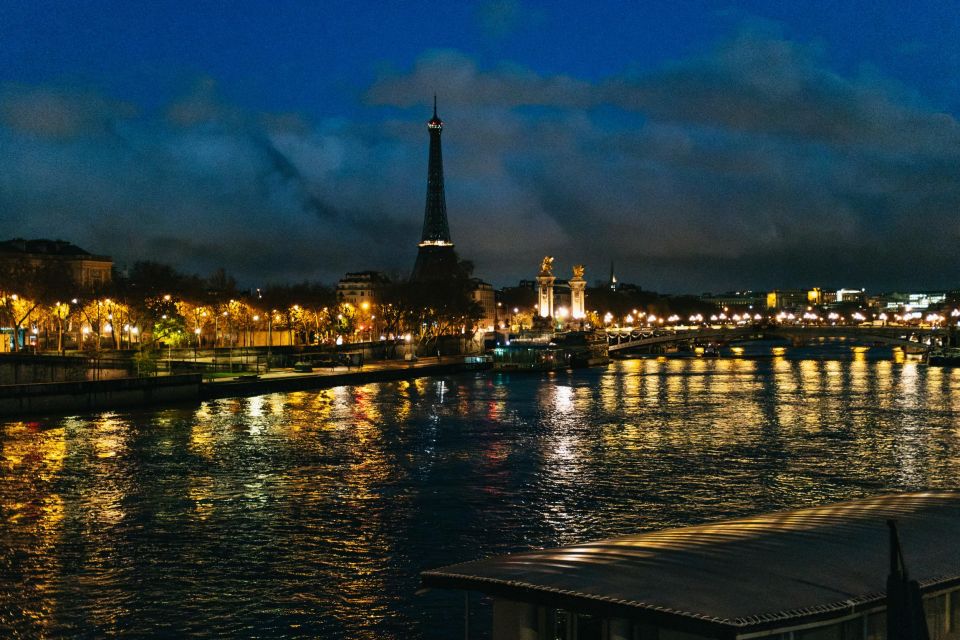
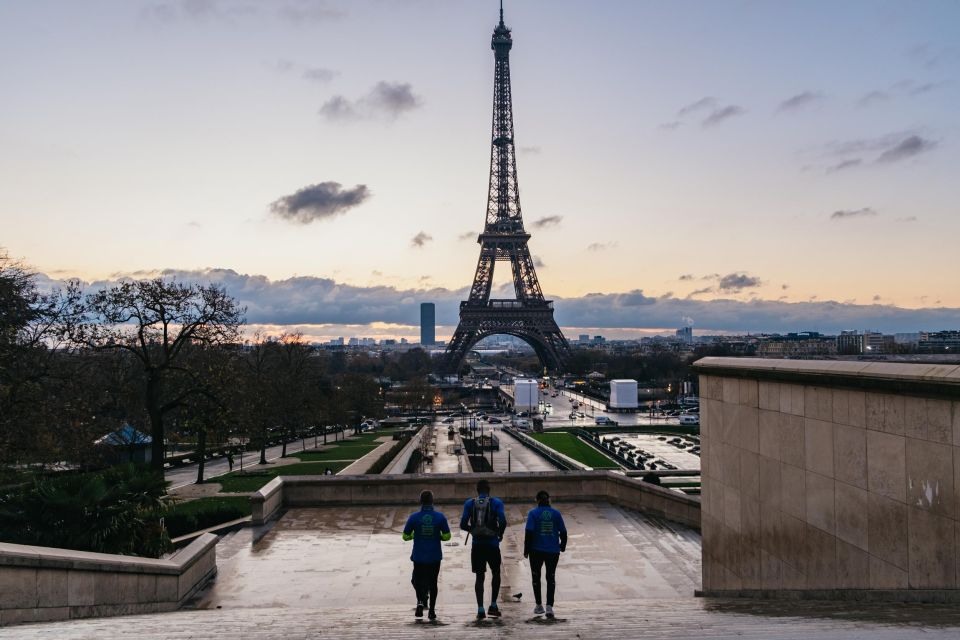
The tour brings you to Place du Trocadéro for a break and photo stop, then to the Eiffel Tower itself for guided sightseeing and another photo moment. Trocadéro is often where people look for skyline views of the tower, and an early start helps keep those views from being blocked.
This is where the whole concept clicks: you worked for the view with your legs, and now you get the iconic photo moment without the later-day crowd pressure.
On foot to Musée d’Orsay and back: finishing with a gentle landing
After the Eiffel Tower segment, you continue on foot for about 30 minutes, including a passing view of Musée d’Orsay, before returning to the meeting point at Place Saint-Michel. This finish is useful because it closes the loop—you end where you started, with your route clearly “mapped” in your head.
Price and value: is $55 worth it for a 2-hour Paris run?
At $55 per person for about 2 hours, you’re not paying for museum entrances. You’re paying for a guide, a structured route, and included comforts that make the run easier—like a waterproof running jacket, still bottled water, dried fruits or nuts, and digital photos.
That’s where the value shows up. If you’d otherwise pay for a private walking guide, you wouldn’t get the running workout plus the early-hours timing that helps keep crowds down. And if you’re already planning to see the major sights anyway, this bundles a lot into one morning block.
What you should budget separately: transport tickets and monument or museum entries are not included. Also, running shoes or extra gear aren’t included, so you need to show up ready.
Who this tour is perfect for, and who should skip it
This is best for people who want Paris in motion: runners, fitness-minded travelers, and anyone who hates spending half the day standing in lines. The small group size also makes it a good choice if you want a more personal feel without sacrificing major landmarks.
You should also be honest about limitations. The tour is not suitable for people with back problems, mobility impairments, or heart problems, and it requires a real running baseline.
If you’re traveling with minors, the tour notes minors are allowed if they’re used to running and their parents come along. It also says it’s preferable for teens 16–17 that a parent makes the reservation with them and shows up at the meeting point.
Practical tips to make the morning smoother
Bring sports shoes and weather-appropriate clothing. The jacket included helps, but you still need shoes that handle city pavement and turns.
Also, plan around the “small items only” baggage rule. Since storage for large bags is not possible, keep your kit minimal and only carry what you can comfortably manage.
Finally, treat the tour like a morning training session with sightseeing rewards. If you go in thinking you’ll stop for long looks at every landmark, you might feel rushed. If you go in thinking you’ll jog, pause for guided context, and capture photos, you’ll get exactly what this tour is designed for.
Should you book this Paris sunrise running tour?
Book it if you want a unique Paris morning that combines exercise, local guidance, and landmark time before crowds. The included jacket, water, and snacks make it feel thought-through, and the route covers the city’s biggest-name sights without requiring museum tickets.
Skip it if you don’t meet the running conditioning requirement or if you prefer seated sightseeing. Also skip if you’re traveling with large luggage and don’t want to worry about storing it.
If you’re fit enough to run 5 km nonstop and you love the idea of seeing Paris while it still feels half-asleep, this is one of those rare activities that turns sightseeing into something you actually look forward to.
FAQ
How long is the Paris Sunrise Running and Sightseeing Group Tour?
It lasts 2 hours.
Where do I meet the guide?
Meet at 4 Pl. Saint-Michel, between the Saint-Michel fountain and the metro exit.
What landmarks are included on the route?
You’ll pass and stop near places including Notre Dame Cathedral, Sainte-Chapelle, Louvre Museum, Place de la Concorde, Champs-Élysées, and the Eiffel Tower, plus several other well-known landmarks along the way.
What is the required fitness level?
You don’t need to be a fast runner, but you do need to be able to run at least 5 kilometers non-stop.
Is the tour in English?
Yes. The guide speaks English and French.
Is transportation included?
No. Transportation tickets are not included, so you should bring your public transport ticket.
Are museum entries included?
No. Entries to monuments and museums along the route are not included.
What is included in the price?
Running tour, guide, waterproof running jacket, still bottled water, dried fruits or nuts, and digital photos of your running tour.
Can I bring luggage or a large bag?
No. Luggage or large bags are not allowed, and storage for voluminous clothes or large bags is not available.
Is it refundable if I cancel?
Yes. There is free cancellation up to 24 hours in advance for a full refund.