REVIEW · PARIS
Sunrise Run & Sightseeing in Paris
Book on Viator →Operated by RunRun Tours · Bookable on Viator
A morning run beats sightseeing crowds every time. This early start mixes a workout with short, story-led stops at major Paris sights. I like that you get practical guidance plus the kind of city orientation you usually only earn after a couple days.
You also have real flexibility: choose private or small-group options and pick a route length that matches your fitness. One thing to consider is that this is a true run—so you need decent comfort with early mornings, and you’ll mostly enjoy monuments from the outside rather than as museum entries.
In This Review
- Key highlights to know before you go
- Why Paris at sunrise feels different on a run
- Meeting at Saint-Michel and finishing with a view payoff
- Notre-Dame to Sainte-Chapelle: quick story stops that make you see better
- Pont Neuf and Pont des Arts: bridges as your photo and orientation backbone
- The Louvre and Place de la Concorde: famous stops without the mid-morning grind
- Invalides, Pont de l’Alma, and Trocadéro: big meaning, big sightlines
- What you get included (and what you should plan for)
- The guides: history that’s personal and pace that’s respectful
- Price and value: how $56.62 stacks up for this kind of morning
- Who this sunrise run is best for
- Should you book this sunrise run and sightseeing?
- FAQ
- What’s the duration of the sunrise run and sightseeing?
- Where does the tour start?
- Where does the tour end?
- What’s included in the price?
- Are museum or monument tickets included?
- What should I wear and bring?
- How big are the groups?
- What if the weather is bad?
Key highlights to know before you go
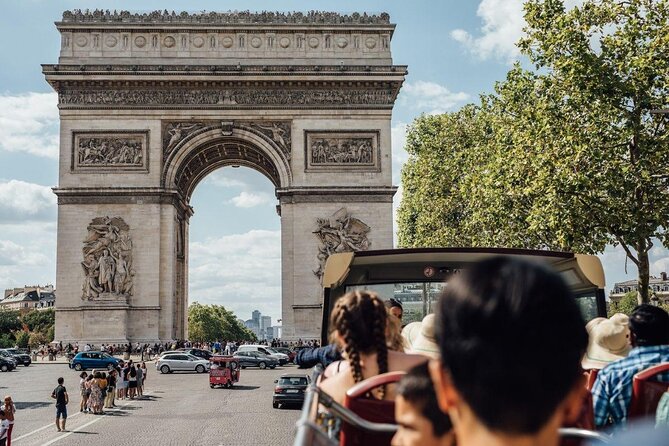
- Sunrise timing, fewer crowds: you catch famous places when they’re quieter and the light is gentler
- Small groups (up to 10): easier to ask questions and keep a steady pace
- 6 km or 10 km route options: the run length changes where you finish and when you reach key viewpoints
- Story stops built for moving: short explanations at major landmarks so you learn without losing momentum
- Water + snack included: one bottled water and a cereal bar help you start strong
- Smartphone-friendly photos: you bring your own phone camera, and guides have been known to capture memorable moments
Why Paris at sunrise feels different on a run
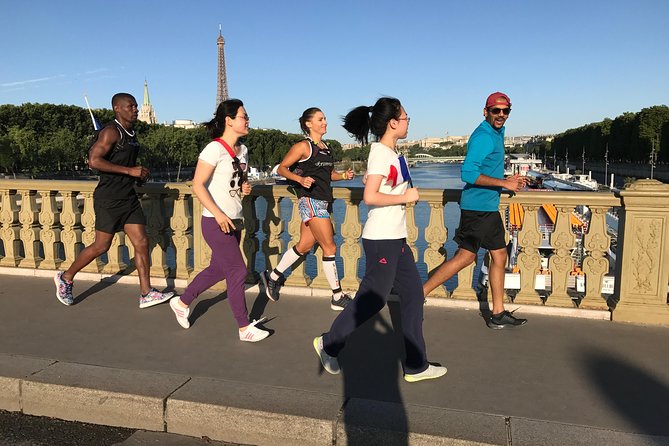
Paris in the morning can feel like a private show. Starting early means you’re not fighting the mid-day queues, and the city looks calmer—especially around the river crossings and big squares. You also get the best benefit of exercise travel: you wake up fast and your brain stays switched on for history.
This run-style format works because the pacing is built into the sightseeing. Instead of a long bus day, you’ll cover ground, then pause briefly for stories at recognizable landmarks. That rhythm is ideal if you like to see a lot, but you also want it to make sense.
The biggest tradeoff is also the obvious one: you’re running. Plan for running shoes, a steady jog-walk rhythm if you need it, and the understanding that some famous interiors won’t be part of your experience.
A few more Paris tours and experiences worth a look

Meeting at Saint-Michel and finishing with a view payoff
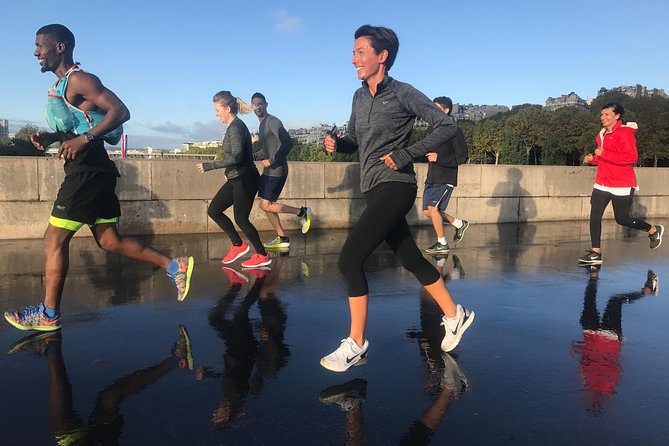
You’ll start at Fontaine Saint-Michel in Place Saint-Michel (75005). It’s a spot that’s easy to reach via public transit, and it puts you right where Paris history and the river walk begin to feel connected.
The finish depends on your route length. The shorter option leads you toward the Trocadéro esplanade, which is a classic sunrise viewpoint—exactly the kind of place you want to end with tired legs and an excellent reward. For the longer 10 km route, Odeon / Saint-Michel acts as the starting and finishing point.
That matters because it changes your expectations for timing. A 1–2 hour experience can feel very different depending on whether you’re doing the shorter loop to Trocadéro or pushing the longer distance that adds more time on your feet.
Notre-Dame to Sainte-Chapelle: quick story stops that make you see better
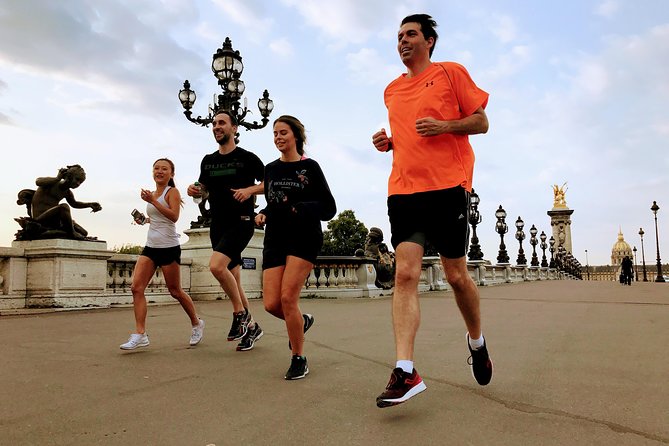
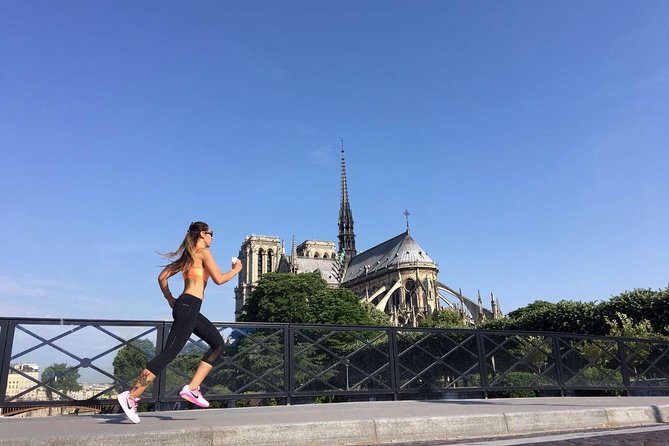
Early on, you’ll pass Cathedrale Notre-Dame de Paris for a brief, focused storytelling moment. This is one of those places you’ve likely seen in photos for years, but a short explanation while you’re near it helps you notice details you’d otherwise skim past.
Then you move toward legal and religious power centers with stops like Palais de Justice de Paris, Sainte-Chapelle, and the Conciergerie. These pauses are designed for learning without turning your morning into a museum day. Admission entries aren’t included, and the route is built around places being viewed from outside or accessed in ways that don’t require monument tickets.
Why this format works: the city’s “big” sites are often spread out and easy to treat like separate postcards. By linking them with a running route and short narratives, you start building a map in your head—how the river, islands, bridges, and institutions relate to each other.
A practical drawback: because stops are intentionally quick (around five minutes each for many of these points), you won’t get long question-and-answer time at every location. If you like deep, slow museum learning, plan to do that later in your trip. Here, you’re getting orientation and stories fast.
Pont Neuf and Pont des Arts: bridges as your photo and orientation backbone
One of my favorite parts of this kind of route is how bridges act like checkpoints. You see key structures, you get a change of perspective, and you learn where you are without needing to stop every block.
You’ll spend time on Pont Neuf, with stories that cover how the bridge was built, the Henry IV statue, and the garden of the Vert Galant. Even if you’ve walked across Pont Neuf before, hearing the background while you’re actually there changes how the space feels. It’s the difference between crossing a bridge and understanding why this one became important.
Then comes Pont des Arts, where you’ll get the Institute of France connection, talk around the bridge of love, and a great view toward the Île de la Cité for a photo moment. This is the kind of stop that makes the whole route feel “worth it,” because river panoramas give you a mental anchor.
Bonus: these sections are also where the early light helps. Sunrise over the river tends to soften stone and makes the city’s color palette look more natural on camera.
The Louvre and Place de la Concorde: famous stops without the mid-morning grind
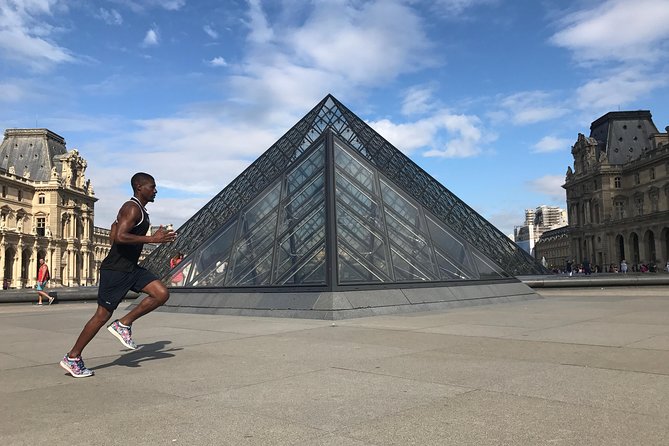
After the river landmarks, you’ll reach the stretch where Paris shifts into monumental scale: Louvre Museum and Place de la Concorde. The stories at these stops are short, and admission isn’t included for museum time. The point is to help you understand what you’re seeing from the outside and how these places sit in the city’s big layout.
There’s also a real benefit to timing here. At sunrise, areas can feel oddly quiet compared to later hours. One guide has even offered to film runners in an empty Louvre courtyard at sunrise—turning a fast stop into a personal memory you can show people back home.
Then you continue to Place de la Concorde, with storytelling that keeps the focus on context rather than just landmarks. If you’re the type who gets frustrated by “I saw it from the bus window,” this route helps because you actually travel on foot near key viewpoints.


Invalides, Pont de l’Alma, and Trocadéro: big meaning, big sightlines
As you move toward Musée de l’Armée des Invalides, the route continues to layer meaning into what could have been just another river-side walk. The storytelling here helps connect France’s modern identity with the older, more visible Paris monuments you see every day.
Next, you’ll reach Pont de l’Alma, where the Flame of Liberty and an informal memorial connected to Lady Diana are part of the story stop. That kind of “why this exists here” context is what separates a sightseeing scramble from an experience that gives you something to think about later.
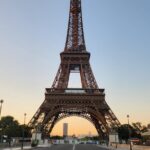
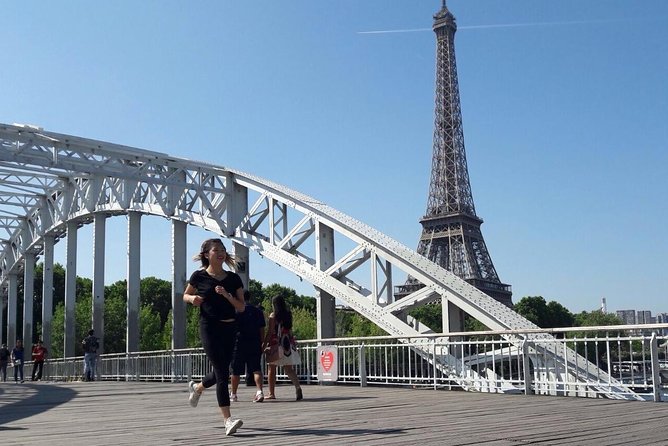
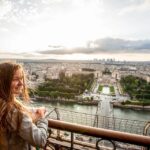
Then comes the finale: Trocadéro and its esplanade. This is where the route pays off visually. Your guide keeps the energy up as you arrive at the finishing area—either the half-way point for the longer route or the finish line for the shorter option. You end up looking at the city from a perspective that feels like Paris at its most cinematic.
What you get included (and what you should plan for)
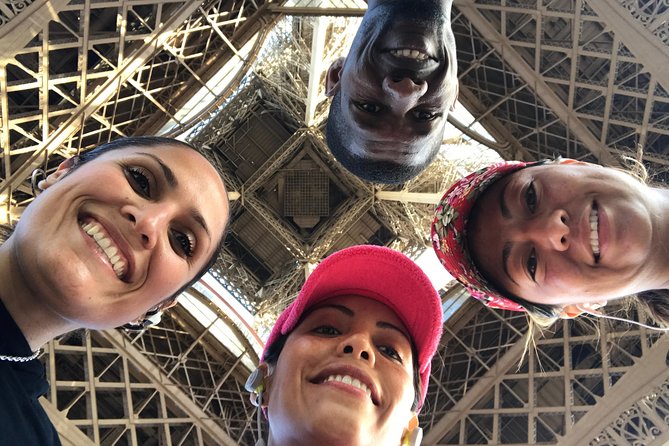
This is one of those tours where the included items are small, but they actually help. You’ll have a bottled water for each participant and a cereal bar to keep your energy steady. You also get guidance built around moving—so you’re not constantly stopping for snacks or wrestling with complicated schedules.
You’re also encouraged to bring your smartphone camera. The tour provides a camera setup in the sense that you’ll be ready to take pictures while running, and a waterproof jacket may be available (subject to availability). In practical terms: Paris weather can surprise you, and running in light rain is one thing—but being soaked is miserable.
A few things you must handle yourself:
- Show up in running gear and shoes; yes, you’ll be running
- Don’t bring huge bags—voluminous storage isn’t available
- Bring your own transportation tickets to and from the meeting point
- Don’t plan on included monument or museum entry time; entries aren’t provided, and many places won’t be open for you during the run
One good rule: travel light like you’re going for a long training run, not like you’re visiting a cathedral.
The guides: history that’s personal and pace that’s respectful
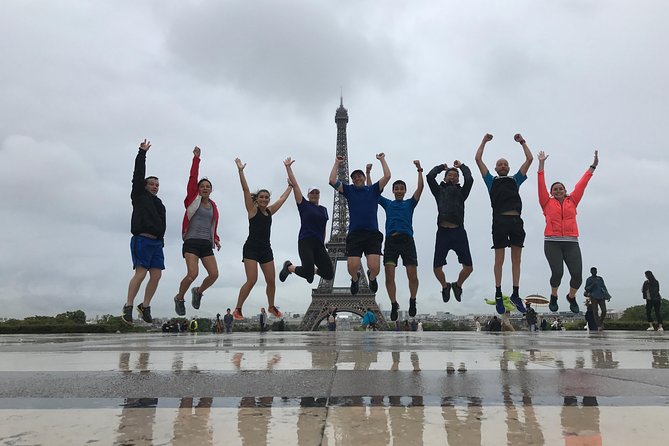
The tone of this experience is shaped by the guides. Two names stand out from real run experiences: Andrea (including the ultramarathoner owner angle) and Hamidou. Their approach is built for both learning and movement, which is exactly what makes this work.
If you’re worried you’ll feel left behind, don’t. There are accounts of guides keeping a relaxed pace and adjusting to runners of different ages and abilities. That’s important because the route includes multiple landmark stops, so you don’t want a pace that’s too fast to listen.
Another smart feature: the guide-led storytelling isn’t just facts dumped at a stop. It tends to be connected to what you can actually see nearby, and that makes the city’s layout click quickly.
Price and value: how $56.62 stacks up for this kind of morning
At $56.62 per person, this isn’t the cheapest way to see Paris. But it’s also not trying to be a generic transfer or a slow walking tour. You’re paying for three things at once: early-morning access to a calmer city, a guide who can connect sights with quick context, and a workout that covers several major areas without you planning every route segment.
It can also be a value play if you’re planning to do a packed day otherwise. A morning that gives you landmark orientation, river-bridge viewpoints, and a great finish area like Trocadéro can reduce how much time you need to “hunt down” key spots later.
And group size matters for value too. This runs with a maximum of 10 travelers, which usually makes the experience feel more human and easier to manage than larger group bus-style tourism.
Who this sunrise run is best for
This is a great fit if you:
- like to combine exercise with sightseeing
- want a fast way to get your bearings in central Paris
- enjoy history when it’s tied to what you’re seeing in the moment
- prefer small-group dynamics over crowds
It’s also a smart choice for first-timers who want a “Paris map in your head” by the end of the morning. Running through major zones helps your brain connect neighborhoods, bridges, and viewpoints quickly.
It may not be the best fit if you:
- want lots of indoor time in museums and monument interiors
- hate early starts or aren’t comfortable with a running pace
- need storage for large bags
Should you book this sunrise run and sightseeing?
If you’re the type who loves starting early, moving your body, and learning as you go, I think you’ll enjoy this. The early timing, the small group size, and the mix of major Paris sights plus bridge viewpoints make it feel efficient without turning into a race.
I’d book it especially if you want the city’s famous highlights with less crowd pressure and more orientation. But if you’re hoping for museum entry experiences or long, slow stops inside big monuments, you’ll likely feel like this runs too fast for your style.
If you’re unsure, choose the route length that matches your comfort level. When the pace fits you, the whole morning feels like a clever shortcut through Paris, with a view payoff at the end.
FAQ
What’s the duration of the sunrise run and sightseeing?
The experience runs about 1 to 2 hours (approx.), depending on the route you choose.
Where does the tour start?
The tour starts at Fontaine Saint-Michel, Pl. Saint-Michel, 75005 Paris, France.
Where does the tour end?
The activity ends in a different location. The route finishes near Trocadéro et son esplanade, and for the 10 km option it returns to Odeon / Saint-Michel.
What’s included in the price?
Included items are a smartphone camera setup, a waterproof jacket (subject to availability), bottled water (one per participant), and a cereal bar.
Are museum or monument tickets included?
No. Admission tickets to monuments and museums aren’t included, and you should expect limited or no entry time during the run.
What should I wear and bring?
Wear appropriate running gear and running shoes. You should also bring what you can carry while running, since voluminous bags can’t be stored.
How big are the groups?
This experience has a maximum of 10 travelers. Private or small-group options are available.
What if the weather is bad?
The tour requires good weather. If it’s canceled due to poor weather, you’ll be offered a different date or a full refund.