REVIEW · STRASBOURG
Wine tasting in Strasbourg: discovery of Alsace wines
Book on Viator →Operated by Strasbourg Guided Tours · Bookable on Viator
Strasbourg tastes like Alsace. This small-group, English-led wine walk gives you a quick hit of the region’s flavors while you stroll through parts of the city most people skip. I especially love how you get tasting time and city context together, not one or the other, and how the guide brings the whole experience down to practical details you can actually use later. One thing to consider: it’s only about 1 hour 30 minutes, so you’ll want to plan a proper meal after.
I took the tour with Jeremie, and it felt like the perfect mix of friendly teaching and easygoing fun. The route includes Krutenau, plus stops tied to the way wine is made, including a pass by traditional Alsatian barrels. If you’re coming with strong opinions already, good news: you’ll have enough structure to compare styles as you go.
In This Review
- Key Highlights
- 90 Minutes in Strasbourg: How the Alsace Wine Walk Works
- Place des Tripiers to Pont du Corbeau: Your Simple Route
- Krutenau on Foot: The Strasbourg District With Secrets Close In
- Traditional Barrels and the Production Story While You Walk
- What You’ll Taste: Turning Alsace Wine Into Something You Can Order
- Group Size, English Guide, and Pace: The Comfortable Way to Learn
- Price and Value ($102.13): What You’re Really Paying For
- Should You Book This Alsace Wine Tasting Tour in Strasbourg?
- FAQ
- Where does the wine tasting tour start and finish?
- How long is the experience?
- Is the tour available in English?
- How many people are in the group?
- What is included in the $102.13 price?
- What is not included?
- Do I get a mobile ticket?
- What if the weather is bad or I need to cancel?
- Final Call: Quick Fit Check
Key Highlights

- Up to 10 travelers: small-group pacing that keeps the tasting comfortable and the questions flowing
- English-speaking guide: explanations you can actually follow while you’re walking and tasting
- Krutenau district walk: you see a quieter side of Strasbourg close to the center
- Traditional barrels along the way: wine production talk without turning it into a lecture
- Start to finish in the central area: meeting at Place des Tripiers and ending by Pont du Corbeau
90 Minutes in Strasbourg: How the Alsace Wine Walk Works
This is a guided wine tasting that’s designed for real life: meet in the center, walk through a few notable areas, learn how Alsace wine is produced at a high level, then taste. The total time is about 1 hour 30 minutes, so the pace stays brisk but not rushed. You’re not stuck in a single room for the whole thing, which I appreciate.
The experience is built around walking through Strasbourg while picking up meaning. That sounds simple, but it matters. You’ll understand what you’re tasting better because you’re hearing the story as you move through the city, not after the fact. The guide’s English explanations keep you from feeling lost, especially if your wine knowledge is basic or you just want to get better at ordering confidently later.
Also, you’re not paying extra at the tasting counter. Wine tasting fees and all fees and taxes are included, along with the alcoholic beverages. That means you can focus on the experience instead of doing math in your head.
You can also read our reviews of more food & drink experiences in Strasbourg
Place des Tripiers to Pont du Corbeau: Your Simple Route

Your day starts at Place des Tripiers (Pl. des Tripiers, 67000 Strasbourg) and ends by Pont du Corbeau (67000 Strasbourg). That matters more than it sounds. You’re not dropped somewhere far from the core. You finish in a spot that’s still in the city rhythm, so you can keep exploring right after.
In practical terms, this layout also helps you plan your day. If you’re visiting Strasbourg for a few days, you can slot this into a morning window, an early afternoon break, or even right before you head back out for dinner. Since dinner isn’t included, you’ll likely want to either eat before you go or treat your meal afterward as part of your strategy.
The tour is also offered with a mobile ticket, which is handy in a walk-heavy city. You won’t be hunting for paper confirmations when you’re already stepping out into the street.
Krutenau on Foot: The Strasbourg District With Secrets Close In

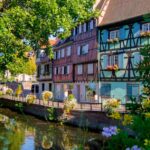
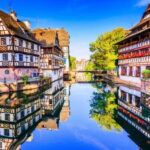
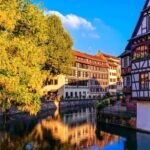
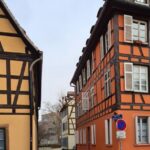
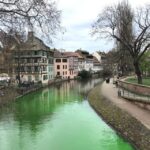
One of the best parts is that you pass through Krutenau, described as a little-known district that’s still close to the city center. I like that kind of choice. Big-ticket attractions are great, but if you only do the famous stops, Strasbourg starts to feel like a postcard tour. Krutenau adds texture.
While you’re walking, you’re not just moving between viewpoints. The route is framed as a way to discover a quieter side of Strasbourg without needing a taxi or a long detour. That’s a smart value choice for a 1.5-hour experience. You get a sense of place, not just a taste session.
You also get the kind of context that helps you when you wander afterward. Once you’ve walked through Krutenau with a guide, the streets don’t feel random. Even if you don’t memorize every corner, you start noticing how the district sits relative to the center and how local life seems woven into the city.
If you’re the type who likes a bit of neighborhood flavor—less museum mode, more real streets—this stop is one of the tour’s main wins.
Traditional Barrels and the Production Story While You Walk

The tour doesn’t treat wine like a mysterious product that arrives magically in a glass. Instead, you’ll learn about wine production by passing by traditional Alsatian barrels. That’s a neat technique: it connects the explanation to something physical you can see right where you are.
This kind of storytelling works well because it keeps your brain focused. You’re tasting something, then you’re walking, then you’re hearing how production ties into what you might be noticing. It’s not a full technical course, and it doesn’t need to be. For most visitors, the sweet spot is understanding the basics well enough to make smarter comparisons later.
Here’s what I’d pay attention to during the barrel-related portion: listen for how the guide connects the process to the character of the wine. Even without deep viticulture jargon, those connections help you build instincts. Then your tasting stops feel less like random sips and more like a short lesson you actually enjoyed.
It’s also just more fun when the learning is tied to moving scenery. A sit-down lecture can be useful, but barrels plus street-level walking keeps the energy up.
What You’ll Taste: Turning Alsace Wine Into Something You Can Order

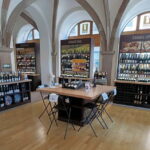
You’re here for Alsace wines, and the tour is built for discovery. Since alcoholic beverages and tasting fees are included, you can expect a structured tasting rather than a casual glass you have to figure out on your own.
Even if you don’t know much about wine, you can use the tasting to build a quick reference for yourself. I suggest you do two things in the moment:
- Focus on what you like most right away: the weight, the aroma intensity, and whether you prefer a fresher or more rounded feel.
- Ask short questions when something clicks. The guide’s job is to help you make sense of what you’re tasting, in English, during the experience.
Because the tour blends tasting with city context, you also come away with a better sense of what Alsace wine means beyond one label. You’re not just buying a souvenir bottle—you’re learning how to think about the region’s style.
If you’ve been burned before by tastings that feel like sales pitches, this one is different in structure. It’s guided, time-limited, and clearly focused on introducing you to wines of Strasbourg’s Alsatian capital setting. That makes it feel more like learning than being herded.
And for repeat visitors: I can’t ignore the personal note from my own experience. My second Strasbourg trip with Jeremie stayed equally fun, and I liked the way I was able to connect new impressions to what I remembered from before. If you’re curious about wine, that repeatability is a good sign.
You can also read our reviews of more wine tours in Strasbourg



Group Size, English Guide, and Pace: The Comfortable Way to Learn

This experience caps at 10 travelers, which is the ideal size for a tasting walk. It’s small enough that you’re not lost in a crowd, and it’s large enough to keep the atmosphere lively. When the guide has room, you can get answers that fit your questions.
The tour is offered in English, with an English-speaking guide leading you. That matters because wine vocabulary can be tricky, and hearing explanations in a language you’re comfortable with helps you actually remember them when you’re deciding what to buy or what to order next.
The pace is walk-and-taste, not sprint-and-chug. Still, wear comfortable shoes. Strasbourg is the kind of city where you’ll keep walking after your tour too, and this route expects you to move between points without a lot of sitting time.
Finally, it’s good to know the experience supports most travelers, and service animals are allowed. If you’re planning with mobility needs, the walking component is the main factor to consider, since the schedule is designed for a city stroll.
Price and Value ($102.13): What You’re Really Paying For

The price is $102.13 per person, and that’s worth evaluating based on what you actually get. You’re not just paying for wine. You’re paying for:
- Wine tasting itself (alcoholic beverages included)
- Wine tasting fees and all fees and taxes
- Time with an English-speaking guide
- A guided walking route that uses the city as part of the learning experience
At 90 minutes, it’s not a long wine program. But it’s also not overpriced in the way that some short tastings can be. You’re getting guidance, structure, and the included tasting cost wrapped together, which keeps your total budget predictable.
The main thing that’s not included is dinner, plus personal insurance and personal expenses. That’s typical, but it affects how you plan the day. Think of this as a guided tasting window, not a full-day food plan.
If you’re someone who wants value measured in understanding and memories—not just quantity of wine—this kind of format usually works well. You get enough time to taste, ask questions, and connect what you learn to a real place in Strasbourg.
Should You Book This Alsace Wine Tasting Tour in Strasbourg?

I’d book it if you want a quick, guided introduction to Alsace wines while also seeing a less obvious side of Strasbourg through Krutenau. It’s also a strong choice if you appreciate practical explanations—especially in English—and you want a guide who makes learning feel easy.
You might skip it if you’re looking for a long, in-depth winery-style day, or if you prefer tastings that are purely seated and quiet. This is a walk-and-taste experience, so your comfort with street-level strolling is part of the deal.
One more deciding factor: since the tour has a maximum of 10 travelers, it tends to feel personal. If you like that small-group vibe, you’re likely to enjoy how the guide can respond and adjust as you go.
If the weather is good and you’re in Strasbourg soon, this is an efficient way to leave the city with wine knowledge you can actually use.
FAQ
Where does the wine tasting tour start and finish?
You start at Place des Tripiers in Strasbourg and finish at Pont du Corbeau, both listed in central Strasbourg.
How long is the experience?
It lasts about 1 hour 30 minutes.
Is the tour available in English?
Yes, it’s offered in English.
How many people are in the group?
The tour has a maximum of 10 travelers.
What is included in the $102.13 price?
The price includes alcoholic beverages, wine tasting fees, all fees and taxes, and an English-speaking guide.
What is not included?
Dinner is not included, and neither is personal insurance and expenses.
Do I get a mobile ticket?
Yes, the tour includes a mobile ticket.
What if the weather is bad or I need to cancel?
The experience requires good weather. If it’s canceled due to poor weather, you’ll be offered a different date or a full refund. You can cancel for a full refund up to 24 hours in advance.
Final Call: Quick Fit Check
If you want a short, structured Alsace wine tasting with a real Strasbourg walk—and you like the idea of learning while you move—book it. The route through Krutenau, the pass by traditional barrels, and the small-group feel make this a smart way to spend 90 minutes in Strasbourg.