REVIEW · BEAUNE
The Beautiful Escape, The Cellar Armand Heitz
Book on Viator →Operated by Le Cellier d'Armand Heitz · Bookable on Viator
If you like wine that has a story you can see, this one fits. The Cellar Armand Heitz uses the Clos des Poutures plot to explain how the estate thinks, farms, and selects grapes in Beaune’s orbit. Then you end with a six-wine tasting that’s heavy on guidance, not guesswork.
What I like most is the combo of practical vineyard teaching and a tasting you can follow step-by-step. I also love how the visit centers on the estate’s permaculture and agroecology approach, not just wine talk.
The main consideration is that the tasting experience is tied to the reality of the vintage. If you’re hoping for bargain pricing, you may feel the wine pricing is high, especially for years impacted by bad weather.
In This Review
- Key highlights to look for
- Permaculture lessons before the pour
- Rue des Poutures and the estate mindset
- Visiting the Clos des Poutures plot (and why grasses get airtime)
- The tasting is the payoff: six wines, clear guidance
- Who you’ll meet: hosts and sommeliers who keep it friendly
- Price and value: what $42.01 buys in real terms
- Duration and pacing: short enough to fit, structured enough to learn
- Logistics that matter (without turning it into paperwork)
- Should you book this tour?
- FAQ
- How long is the tour?
- Where is the meeting point?
- How much does it cost?
- What language is the experience offered in?
- How many wines will I taste?
- What types of wines are included in the tasting?
- Is this tour limited to small groups?
- Do I need to print a ticket?
- What happens if the weather is bad?
- Can I cancel for a full refund?
Key highlights to look for

- Clos des Poutures on the ground: you see how the vineyard plot is managed and why grasses matter.
- Permaculture and agroecology in plain language: the farming method is explained so you can connect it to what ends up in the glass.
- Wines explained with structure: you don’t just taste; you learn how the wines differ.
- Small group size (max 10): easier questions, more personal pace.
- A six-wine tasting with variety: village wines plus premier cru selections.
- English available: built for non-French speakers, without feeling simplified.
Permaculture lessons before the pour

This tour starts with the estate’s philosophy, then quickly pulls you toward the reason it exists: how grapes are grown. You begin at 21 Pl. de l’Église, 21630 Pommard, and from there the guide or host sets the tone for what you’ll notice in the vineyard.
One of the best parts is that you’re not asked to memorize jargon. Instead, you learn what the estate is trying to do in the vineyard, then you connect that to the wine. The goal is to help you taste with context. That’s the kind of learning that actually sticks.
If you enjoy wine tours where you leave with a few new mental hooks—what to look for, what to ask for, why one bottling tastes different from another—this one is built for that.
You can also read our reviews of more tours and experiences in Beaune.

Rue des Poutures and the estate mindset

After you get oriented, you’ll spend time on Rue des Poutures as the tour frames what makes the estate’s approach distinct. Expect a clear story of the property and how the philosophy shapes everyday decisions.
A recurring theme in the feedback here is how the estate keeps the explanation grounded. For example, guides walk you through how elements like wind differences can be identified and used in how wines are labeled. That kind of detail is exactly what makes Burgundy feel less mysterious and more logical.
Another point that shows up is the scale. People are often surprised that the domains have so little land. That’s not a marketing line—it changes how you think about the wines. Small plantings mean more attention per vine, more care in choices, and often a stronger “this is what this plot does” attitude.
Visiting the Clos des Poutures plot (and why grasses get airtime)

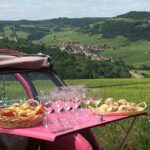
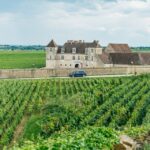
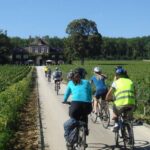
Then comes the best classroom: the vineyard plot itself. You’ll visit the Clos des Poutures and learn about permaculture and agroecology in a way that makes the vineyard feel like a system, not just a view.
Grasses are a big focus, and that matters more than you might expect. In agroecology, ground cover can influence soil health, water behavior, and the balance of growth in the vines. Even if you’re not an agronomy nerd, you’ll understand the basic idea: the vineyard is managed as a living setup that affects the grapes.
You also get a quick visual explanation of the plot location and concept—something like a model reference—so you can keep track of what you’re looking at. It helps you avoid the classic problem on vineyard tours: seeing rows of vines and remembering only the prettiest parts.
Practical tip: wear shoes you can walk on comfortably. You’ll be moving through vineyard terrain, and the point is to observe, not just pose.
The tasting is the payoff: six wines, clear guidance
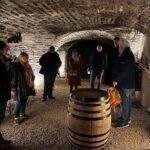
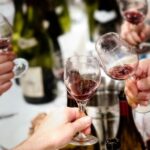
After the vineyard walk and farming explanation, you shift gears to tasting. The session ends with a tasting of six wines, structured so you’re not left swirling in silence.
Here’s what you should expect in terms of selection: the tasting includes two village wines and three premier crus, plus one additional selection to complete the six. That mix is useful. It lets you compare how style and character shift as you move through Burgundy’s hierarchy, not just “top bottles only.”
The tasting is also where the tour’s teaching style shines. People consistently mention that the guidance stays informative without getting overstuffed. You’ll get introductions to what you’re tasting, and you’ll learn how to read differences—like how a wine’s character ties back to the vineyard conditions you just discussed.
If you’re the type who likes to buy a bottle and understand what you’re buying, this tour gives you language you can use later at a shop or restaurant.
Who you’ll meet: hosts and sommeliers who keep it friendly
This is a small group experience, with a maximum of 10 travelers, so you’re more likely to chat than just follow a crowd. In the past, hosts such as Pierre have guided the vineyard and set the tone. Some tastings also feature a sommelier named Estelle, who’s been praised for going above and beyond—at least in the customer service sense—by sharing restaurant recommendations where you can continue the Burgundy experience.
You won’t need to be an expert. The vibe is approachable, and the explanations are geared toward understanding, not showing off.
Price and value: what $42.01 buys in real terms
At $42.01 per person for about 1 hour 15 minutes, this is priced like a serious tasting experience, not a quick “sip and stroll.” The value comes from how much teaching you get in that time: history and philosophy, agroecology basics through what’s happening in the plot, then a guided tasting with multiple wine tiers.
There’s also an important context piece tied to pricing and vintages. One diner shared that the wine felt expensive for the quality level, and the response clarified that in 2021 the estate lost 50 to 80 percent of production due to frost. In other words, you may be paying partly for scarcity and recovery, not just brand name or markup.
So when you judge value, don’t just compare price tags to generic expectations. Compare it to the fact that you’re tasting six wines with explanations and learning tied directly to the vineyard you’re seeing.
Duration and pacing: short enough to fit, structured enough to learn
The tour runs about 1 hour 15 minutes. That time window is a plus for two groups:
1) People who want wine education without losing half the day.
2) People who prefer compact itineraries where the guide keeps the focus tight.
You’ll start at the meeting point, cover vineyard storytelling and the Clos des Poutures visit, and then finish with the tasting. Because the schedule is concise, it’s easier to stay alert and actually remember what you learned.
Also, it’s outdoors-first. If the weather is bad, the experience may be changed or refunded. If you’re traveling in the shoulder season, keep your day flexible.
Logistics that matter (without turning it into paperwork)
This experience is offered in English, uses a mobile ticket, and the booking includes confirmation at the time of booking. Service animals are allowed, and the group maximum of 10 helps keep the experience feeling personal.
The meeting point is 21 Pl. de l’Église, 21630 Pommard, France, and the tour ends back there.
If you’re planning other Burgundy stops that same day, the timing is usually friendly. You can often slot this between tastings without feeling rushed—just don’t stack too many long drives right after it.
Should you book this tour?
I think you should book if you want a clear, vineyard-based explanation of Burgundy farming and you’d like to taste village and premier cru styles with guidance. It’s especially worth it if you enjoy learning how details like wind differences and ground management can connect to what’s in your glass.
Skip or reconsider if your priority is wine bargains or you’d rather spend your time on a big production cellar with lots of brand spectacle. This experience is about smaller-scale thinking, and the pricing for wine can reflect real vintage pressures.
If your goal is to leave Beaune and Pommard with more than photos—something you can actually use when you order or buy wine—this one is a strong pick.
FAQ
How long is the tour?
It’s about 1 hour 15 minutes.
Where is the meeting point?
You meet at 21 Pl. de l’Église, 21630 Pommard, France.
How much does it cost?
The price is $42.01 per person.
What language is the experience offered in?
It’s offered in English.
How many wines will I taste?
You’ll have a tasting of six wines.
What types of wines are included in the tasting?
The tasting includes two village wines and three premier cru wines, plus one additional selection to make six total.
Is this tour limited to small groups?
Yes. The experience has a maximum of 10 travelers.
Do I need to print a ticket?
No. It uses a mobile ticket.
What happens if the weather is bad?
The experience requires good weather. If it’s canceled due to poor weather, you’ll be offered a different date or a full refund.
Can I cancel for a full refund?
Yes. You can cancel up to 24 hours in advance for a full refund. If you cancel less than 24 hours before the start time, the amount paid is not refunded.