REVIEW · PARIS
Skip-the-line Rodin Museum Tour with Artist
Book on GetYourGuide →Operated by That Time in Paris · Bookable on GetYourGuide
Rodin’s work makes the most sense when you see how he built it: twisted limbs, rough stone, polished skin, and bodies caught in motion. This two-hour visit pairs skip-the-line entry with an artist-guide, often Blerta, who explains the sculptor’s methods and artistic choices in plain, engaging terms.
I like the artist’s viewpoint and the chance to compare Rodin’s finished sculptures with his raw, unfinished forms. I also like the gardens, where The Thinker and other bronzes gain space, light, and grand views. The drawback is the price: at $234 per person, this is a serious splurge for two hours, and food, drinks, and transport are extra.
In This Review
- Key points at a glance
- Why an artist’s eye matters at the Rodin Museum
- Entering the Rococo mansion
- Rodin’s technique, from rough stone to polished skin
- The antique fragments collection
- A ten-minute pause at Café Restaurant L’Augustine
- The Sculpture Garden and its open-air drama
- What two hours really gives you
- Is $234 per person a fair price?
- Who will enjoy this Rodin visit most?
- Practical details before you book
- Should you book the Skip-the-Line Rodin Museum Tour?
- FAQ
- How long is the Rodin Museum tour?
- Where does the tour meet?
- Does the tour include skip-the-line entry?
- Is admission to the gardens included?
- Which languages are available?
- Is the tour wheelchair accessible?
- Is this a private tour?
- Are food and drinks included?
- Can I cancel the tour or pay later?
Key points at a glance
- An artist-guide changes the visit: You look at Rodin’s technique, not just his famous names.
- Separate entrance saves time: Skip-the-line admission is included for the museum and gardens.
- The mansion is part of the experience: The Rococo setting gives Rodin’s work an elegant, slightly unexpected home.
- Antique fragments add context: Rodin’s collection helps explain his interest in broken forms and classical sculpture.
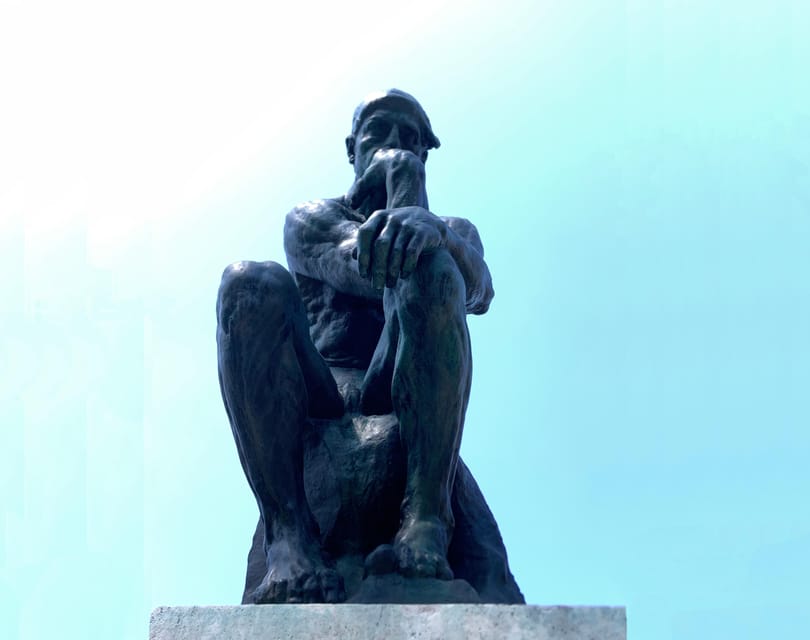
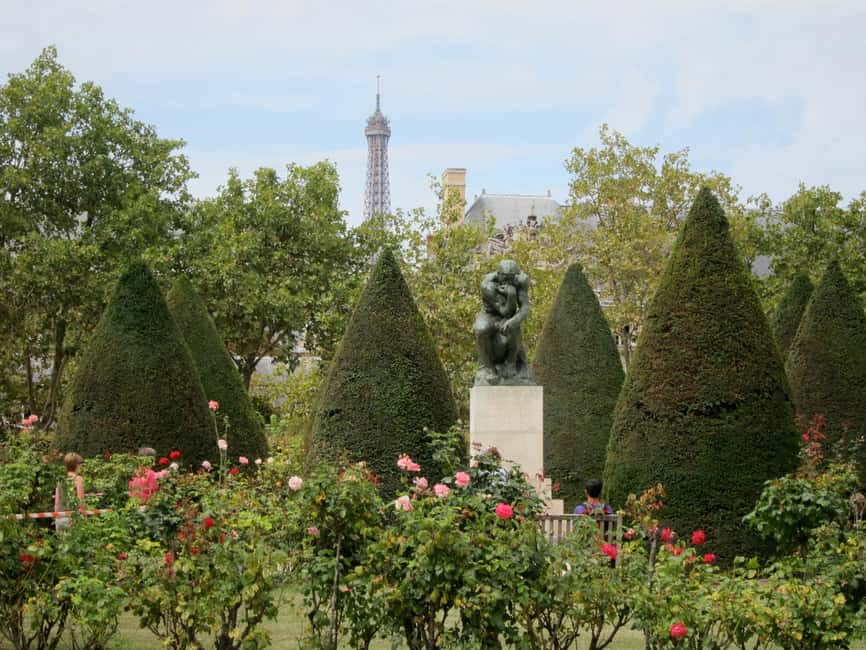
- The gardens provide the grand finale: You see The Thinker and other major bronzes in open air, with changing views around them.
- Two hours keeps the tour focused: You get a clear introduction without spending half a day in one museum.
Why an artist’s eye matters at the Rodin Museum
Many museum tours give you dates, names, and a neat line through an artist’s career. This experience aims at something more useful: helping you see how a sculpture was made and why it looks the way it does.
Rodin is often called the Michelangelo of modern sculpture, but that label only goes so far. His work combines classical training with a willingness to leave surfaces rough, bodies incomplete, and movement unresolved. An artist-guide can point out those choices as decisions, not accidents.
That distinction matters at the Rodin Museum. You may first notice the dramatic figures and famous titles. Then you begin to see the contrast between a polished section of flesh and a block of stone left almost untouched. You notice how a twisted torso suggests motion, or how intertwined bodies create energy without needing a clear story.
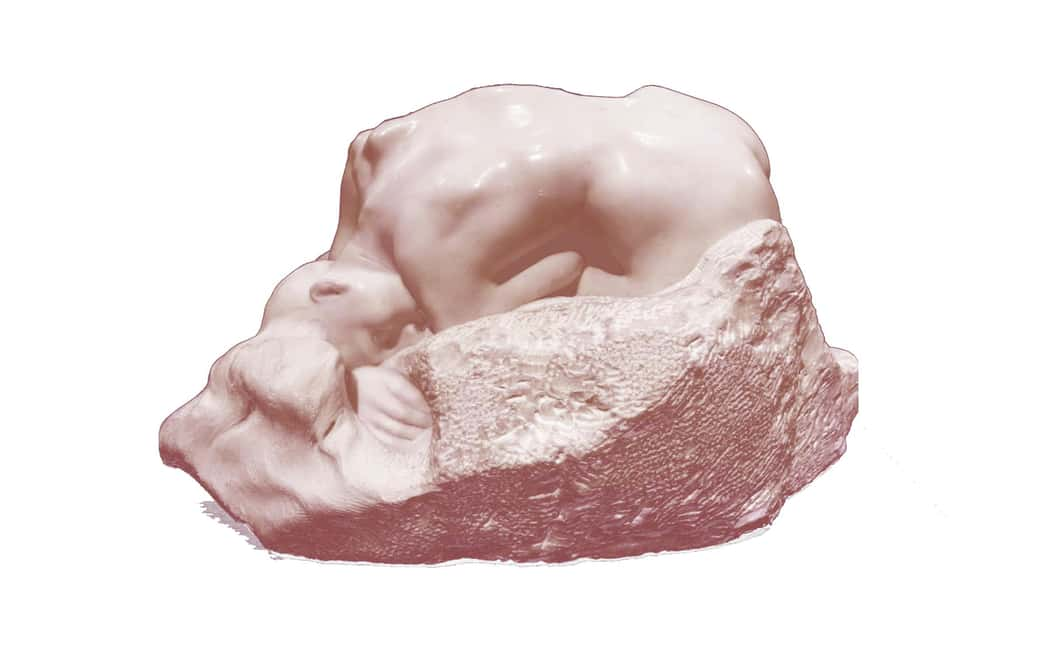
The guide also uses a collection on an iPad to help you picture Rodin’s work and life. This is especially useful when a sculpture is unfinished or when the original studio process is hard to understand from the final object alone. The digital material gives the explanation a visual anchor instead of leaving you to imagine the missing steps.
Blerta is the guide named in the strongest praise for this experience. Her approach is described as personal, interactive, and well grounded in art and historical context. She speaks English and French, so you can choose the language that suits you.
You can also read our reviews of more museum experiences in Paris

Entering the Rococo mansion
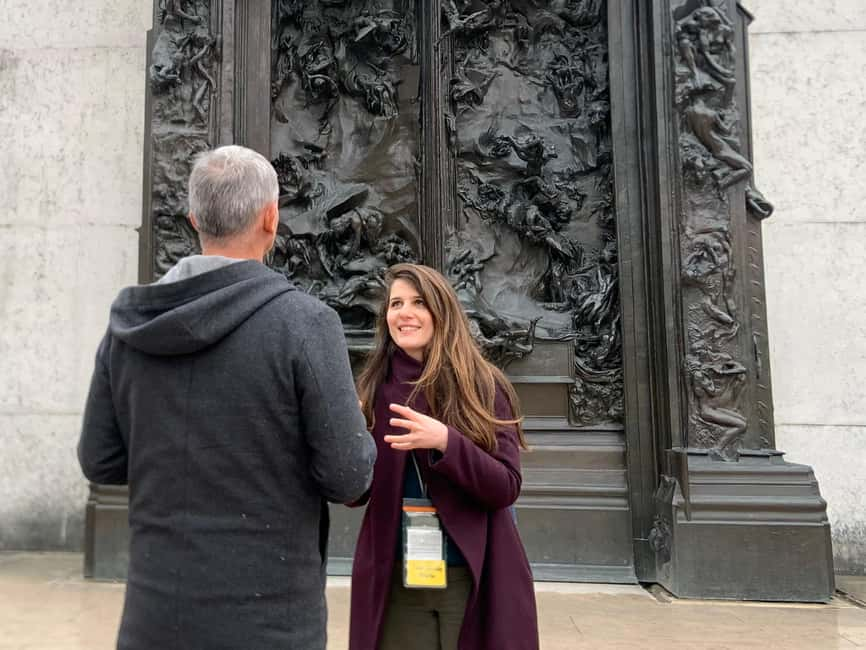
The meeting point is in front of the Rodin Museum entrance. From there, you use a separate entrance with your included admission, avoiding the standard entry line. That matters most during busy periods, when even a modest queue can eat into a short museum visit.
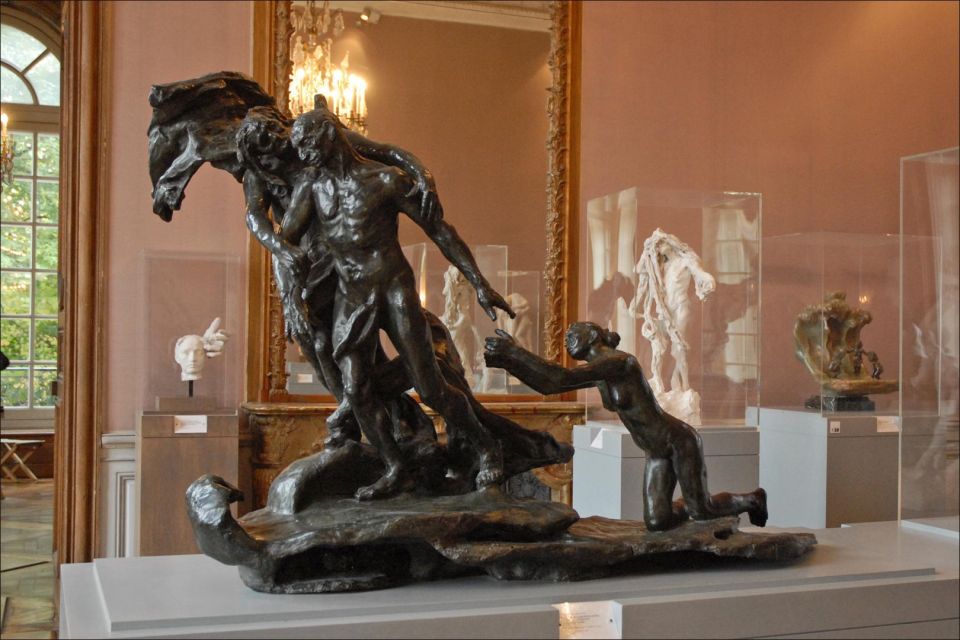
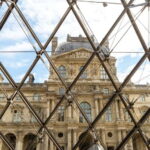
The museum itself occupies a Rococo mansion. This setting gives the tour an unusual rhythm. Rodin’s bold, modern sculpture appears inside rooms shaped by a more delicate decorative style. The contrast is part of the pleasure. You are not simply moving through a plain gallery; the building adds its own mood and visual detail.
Inside, the tour follows Rodin’s artistic development from his classical beginnings toward works that feel freer, rougher, and less finished. You can expect attention to his changing methods rather than a simple parade of greatest hits.
That progression helps explain why Rodin’s sculpture caused such a stir. His figures can look powerful and complete, yet he was also willing to show fragments, exposed construction, and forms that seem to emerge from the stone. The artist-guide’s job is to connect those visual choices to Rodin’s broader artistic direction.
You should not expect to study every room at length. The indoor visit is listed as about one hour, so the pace needs to stay purposeful. That is a plus if you want a strong introduction, but a limitation if you hope to linger with every major work.
Rodin’s technique, from rough stone to polished skin
The most useful part of the visit is the focus on process. Rodin’s sculpture is not only about the subject being shown. It is also about the way the material remains visible.
Look for the tension between smooth and rough surfaces. A polished body can appear almost alive beside a section of raw stone. An arm or leg may twist with a sense of motion, while another area seems caught in the block from which it came.
An artist-guide can help you read these contrasts. Instead of asking only what a sculpture represents, you begin asking how Rodin made the eye move across it. Does the unfinished stone create suspense? Does the rough surface make the figure feel as if it is still being born? Does an unusual pose suggest dancing, struggle, desire, or simple physical force?
Rodin’s unfinished masterpieces are especially valuable in this setting. They challenge the usual idea that a sculpture must be perfectly completed before it can be shown. You may find that the incomplete sections carry as much feeling as the finished ones.
The tour also addresses Rodin’s classical beginnings. That background keeps his later work from seeming like a sudden break with the past. He knew traditional sculpture well. His originality came from pushing against its rules while keeping a strong command of the human body.
The antique fragments collection
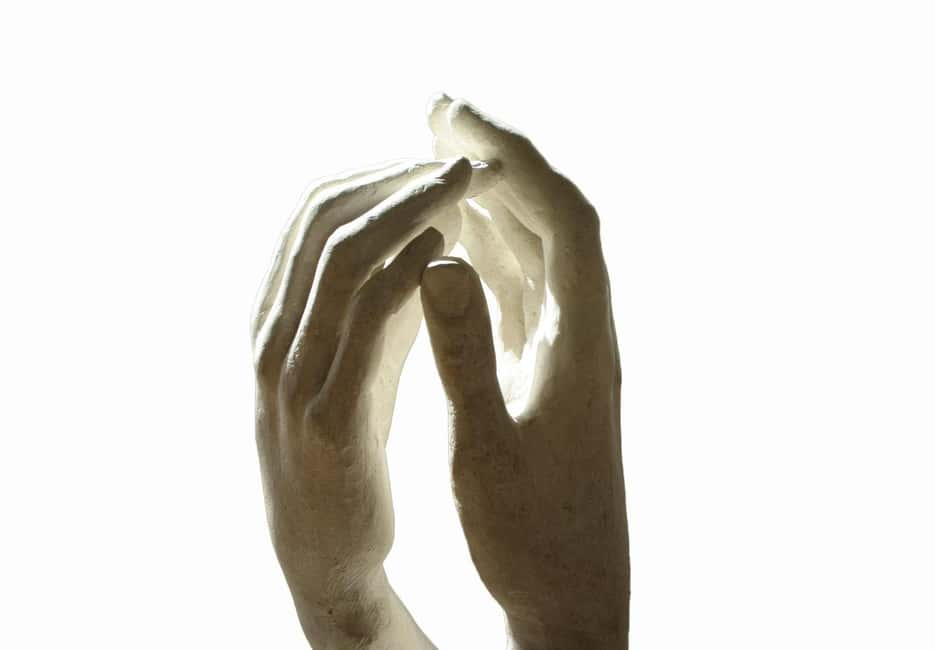
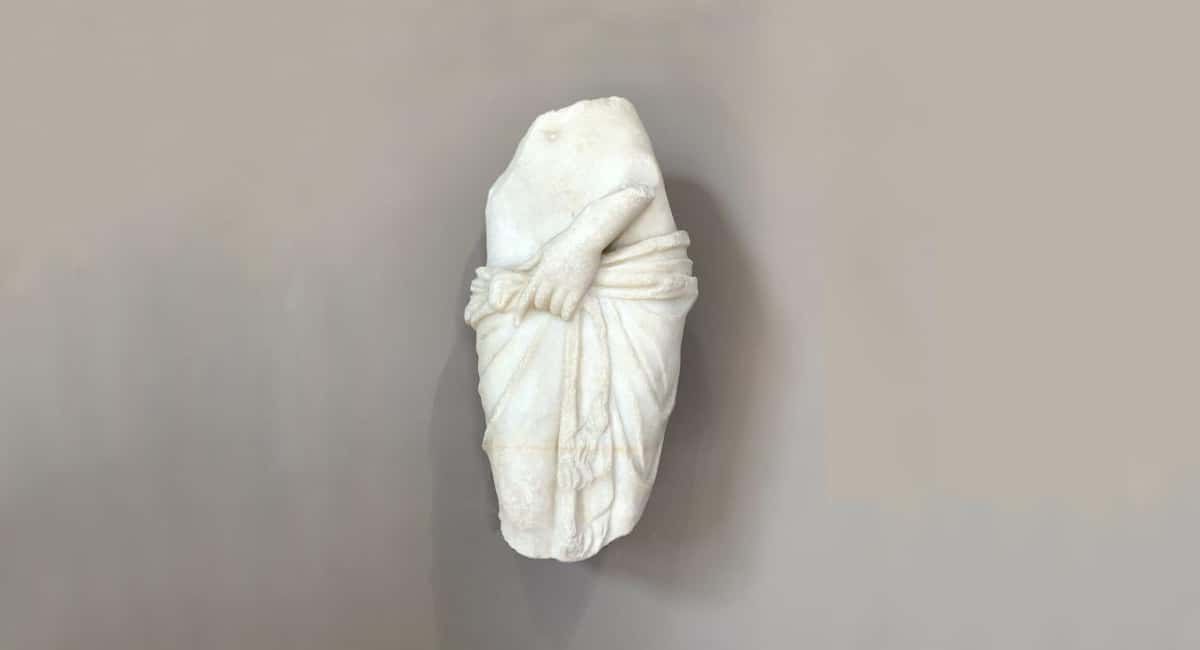
Rodin’s collection of antique fragments adds another layer to the visit. These pieces help explain his attraction to partial bodies, worn surfaces, and forms separated from their original setting.
A fragment can force you to focus on shape rather than identity. Without a full figure or a complete story, you look at a curve, a break, a gesture, or a section of drapery. Rodin’s own work often gains power in a similar way.
The collection is also a useful reminder that Rodin was not working in isolation. His modern approach grew from close attention to older sculpture. The tour connects the antique pieces with his own experiments, giving you a better sense of the conversation between past and present.
This section may appeal most to visitors who already enjoy art museums or want more than a quick look at The Thinker. If your main goal is a fast visit to Rodin’s most famous bronze, the fragments could feel like a detour. For anyone curious about how artists borrow, adapt, and rethink earlier forms, they are an important part of the experience.
A ten-minute pause at Café Restaurant L’Augustine
The scheduled break takes place at Café Restaurant L’Augustine and lasts about ten minutes. It is a short pause, not a full meal stop, so you should plan to arrive fed and hydrated.
Food and drinks are not included in the tour price. The break gives you a moment to rest and reset between the indoor museum visit and the garden portion, but you pay separately for anything you order.
Ten minutes can pass quickly, especially if the café is busy. Think of this as a practical breather rather than a chance to sit over coffee. If you need a longer meal, schedule it before or after the tour.
A few more Paris tours and experiences worth a look





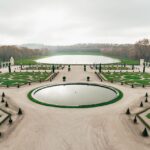
The Sculpture Garden and its open-air drama
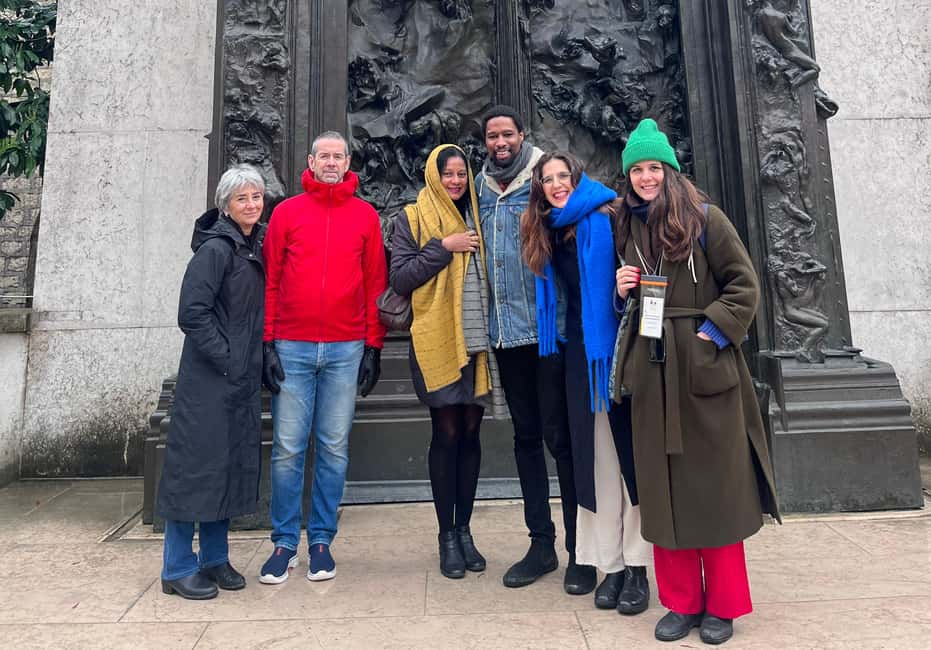
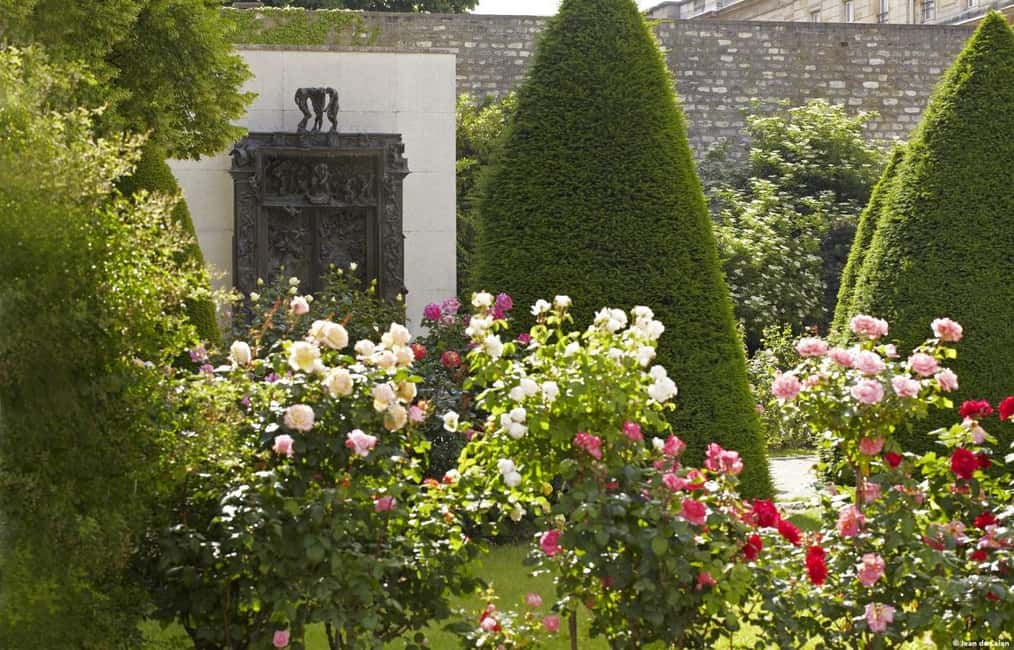
The final fifty minutes take you through the museum grounds. This is where Rodin’s bronzes gain room around them, and where the experience becomes less formal and more spacious.
The garden offers scenic views and broad perspectives on the sculptures. Outdoor placement changes the way you see scale. A figure that feels contained in a gallery can take on a stronger public presence when surrounded by open paths and sky.
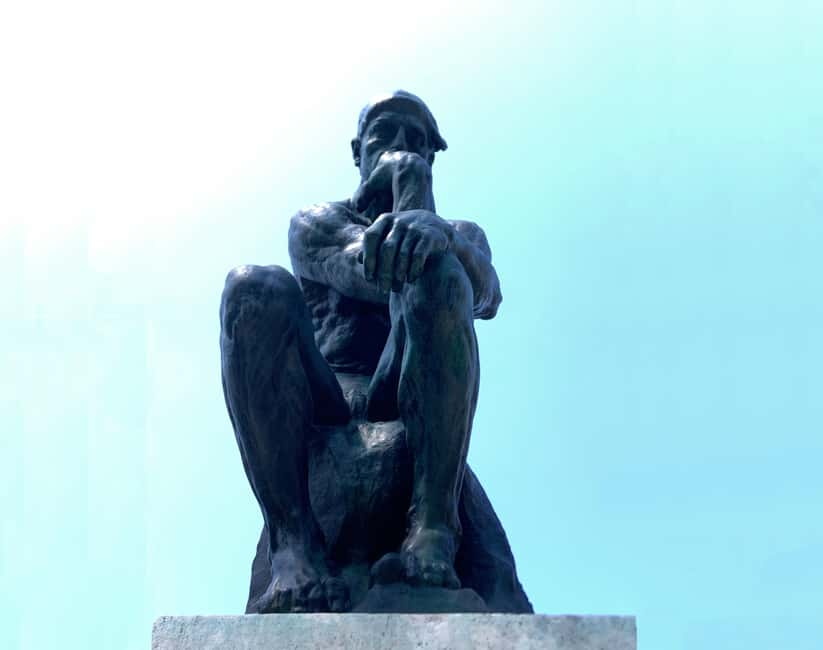
The Thinker is the obvious draw, but the value of the garden is not limited to one famous work. You can compare different bronzes, notice how light changes their surfaces, and see how a sculpture behaves from several angles.
Rodin’s work rewards movement. A body that looks compact from the front may open into a complicated arrangement from the side. A group of intertwined figures may reveal a new rhythm as you walk around it. The garden gives you the time and space to make those comparisons.
The views are another reason not to rush this section. The tour description calls attention to dazzling perspectives, and the outdoor setting supplies a welcome change after the mansion’s rooms. Still, weather will affect the pleasure of the garden visit. Since the outdoor section takes nearly half the tour, bring suitable clothing and shoes for the conditions.
What two hours really gives you
The timing is tightly divided:
- About one hour inside the Rodin Museum
- About ten minutes for a café break
- About fifty minutes walking through the grounds and viewing sculptures
This structure works well for a first visit. You get the building, the collection, the technique, and the garden without committing an entire morning or afternoon.
It also means you should arrive ready to start. The tour meets at the museum entrance, and the skip-the-line benefit helps protect the available time. Arriving late could matter more here than on a long, loosely paced city walk.
The tour ends back at the Rodin Museum, with two listed drop-off options both pointing to the same museum location. Hotel pickup and drop-off are not included, so you make your own way there and onward.
Is $234 per person a fair price?
At $234 per person, this is not a budget museum visit. You are paying for a guided interpretation, skip-the-line museum and garden entry, an artist-guide, and the use of visual material on an iPad.
The price makes more sense for a private group or for someone who places a high value on specialist attention. A private group is available, but you should confirm the exact group arrangement when booking. If you are content to read labels and move at your own pace, a standard museum visit will cost less.
The best value comes from the guide’s focus on technique. You are not just buying admission. You are paying for someone to help you notice the rough stone, unfinished passages, antique connections, and physical movement that can be easy to miss on your own.
The cost is harder to justify if you have only a passing interest in sculpture or if you want a long, leisurely museum stay. Two hours is efficient, but it is not generous. The café stop is also brief, and food is extra.
Free cancellation up to 24 hours before the start gives you some flexibility, and you can reserve now and pay later. Those terms do not lower the price, but they reduce the risk of committing too early to a tightly scheduled Paris day.
Who will enjoy this Rodin visit most?
I would point this tour toward several kinds of visitors:
- You enjoy museums but want an expert to help you see technique and meaning.
- You are curious about the artist’s working process, not only his most famous statues.
- You have limited time and want the museum, garden, and major themes covered in one visit.
- You prefer an interactive guide who can adjust explanations and answer questions.
- You are visiting with a private group and want a more personal experience.
- You appreciate historic buildings as much as the objects displayed inside them.
Families and mixed-interest groups could also find the artist’s explanations helpful, especially because the tour deals with movement, bodies, stone, and the act of making. The short duration may suit anyone who does not want a full-day art outing.
You may want to skip it if your priority is complete independence, extended sketching time, or a low-cost museum stop. The experience is designed around guided interpretation and a fixed route, not wandering without a clock.
Practical details before you book
The tour lasts two hours and is offered in English or French. It is wheelchair accessible, and a private group option is available.
Meet in front of the Rodin Museum entrance. There are two listed starting-location options, both identified as the Musée Rodin, so check your booking details for the exact meeting instruction.
Museum and garden admission are included, as is the separate-entry access. Hotel transportation is not included, and neither are food or drinks.
The tour is offered with free cancellation up to 24 hours in advance. You can also reserve now and pay later, which helps if your Paris schedule is still shifting.
Should you book the Skip-the-Line Rodin Museum Tour?
Book it if you want Rodin explained through the eyes of an artist rather than presented as a string of dates and famous titles. The strongest reason to choose it is the guide’s attention to process, especially the contrast between raw material and polished form, along with the link between Rodin’s antique fragments and his own sculpture.
I also like the balance of indoor rooms and outdoor bronzes. The mansion gives you atmosphere, while the garden lets you see The Thinker and other works from changing distances and angles.
Think carefully about the price. At $234 per person, this is a premium two-hour experience, not a casual add-on. It earns its cost most clearly when you value specialist guidance, skip-the-line access, and a private or small-group feel. If those things matter to you, the visit can turn a familiar museum into a sharper, more memorable encounter with Rodin’s hands, materials, and ideas.
FAQ
How long is the Rodin Museum tour?
The tour lasts two hours, including about one hour inside the museum, a ten-minute café break, and roughly fifty minutes in the gardens.
Where does the tour meet?
You meet in front of the entrance to the Rodin Museum.
Does the tour include skip-the-line entry?
Yes. The price includes skip-the-line admission through a separate entrance to the Rodin Museum and gardens.
Is admission to the gardens included?
Yes. Guided access to the museum and gardens is included.
Which languages are available?
The live guide is available in English or French.
Is the tour wheelchair accessible?
Yes. The activity is listed as wheelchair accessible.
Is this a private tour?
A private group option is available. Check the booking details to confirm the arrangement for your selected departure.
Are food and drinks included?
No. Food and drinks are not included. The itinerary includes a ten-minute break at Café Restaurant L’Augustine.
Can I cancel the tour or pay later?
You can cancel up to 24 hours in advance for a full refund. The reservation option also allows you to book now and pay later.