REVIEW · PARIS
Skip the Line Guided Tour of Louvre Museum Highlights
Book on GetYourGuide →Operated by Exploring Tours and Services · Bookable on GetYourGuide
The Louvre can feel huge, but this tour makes it manageable and fun. I love the skip-the-line priority entry that gets you moving fast, and I love how the guide explains the stories behind Mona Lisa and the other headline masterpieces. One possible drawback: on the busiest days (like school vacations), even priority access can still come with some waiting.
You meet your guide at Arc de Triomphe du Carrousel, right in front of the Louvre Pyramid area, and the guide will be holding a GetYourGuide sign about 15 minutes before you start. This is the kind of tour where small, practical details matter: wear comfortable shoes, bring your ID/passport, and plan to cover only the highlights.
Also, keep your expectations realistic: this is a focused highlights route, not a full Louvre day. If you’re hoping to wander every wing on your own schedule, you’ll want to pair this with extra free time—or choose a different, longer visit.
In This Review
- Key things to know before you go
- Starting at Arc de Triomphe du Carrousel: you get a clean, simple launch
- Skip-the-line at the Louvre Pyramid: what priority access really means
- The highlights route: Mona Lisa, Winged Victory, Venus de Milo
- Mona Lisa: the painting everyone thinks they know
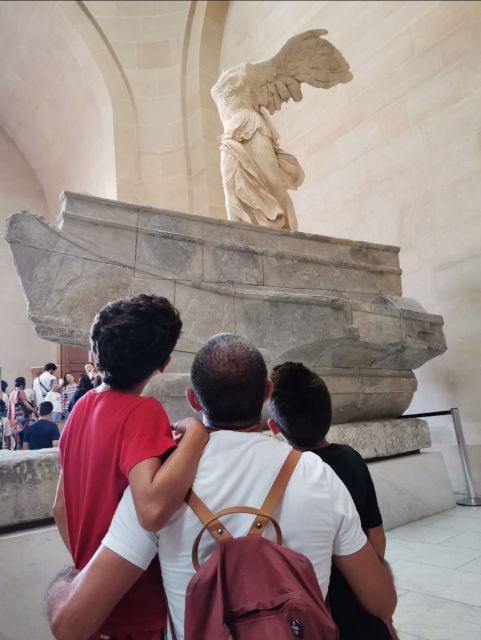
- Winged Victory of Samothrace: seeing movement in stone
- Venus de Milo: the mystery factor
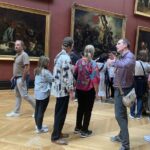
- Italian and French paintings: why the guide’s sequencing matters
- Italian paintings (including key artists)
- French paintings (David and Delacroix)
- How the pacing works in 2 hours (and what you might miss)
- What kind of guide experience you’ll feel on the day
- Price and value: is $57 a smart trade for your time?
- Practical tips: what to bring, and what the museum doesn’t allow
- Who should book this Louvre highlights tour?
- Should you book it?
- FAQ
- Where do I meet the guide?
- How early should I arrive?
- What are the main highlights included?
- Does skip-the-line mean there will be no waiting at all?
- What languages is the tour available in?
- Is food, drinks, or hotel pickup included?
Key things to know before you go
- Priority entrance, separate from the long main queues so you waste less of your limited time.
- A certified, experienced guide who explains what you’re seeing and why it matters.
- The core Louvre superstars included: Mona Lisa, Winged Victory of Samothrace, Venus de Milo, plus major Italian and French painting highlights.
- About 150 minutes on-site, so you’ll see a lot without feeling like you’re sprinting.
- Meeting at the Arc de Triomphe du Carrousel area so you start in the right place instead of playing museum-location roulette.
- Busy-day reality check: timetabled tickets help, but peak periods may still involve some waiting.
Starting at Arc de Triomphe du Carrousel: you get a clean, simple launch
The best Louvre tours solve one problem: confusion at the start. With this one, you’re not guessing where to stand or which line is correct. Your guide meets you at Arc de Triomphe du Carrousel, out by the Louvre Pyramid frontage, and you’ll see them holding a GetYourGuide sign.
I like this setup because it gives you momentum. When you’re meeting at the correct landmark, you don’t burn your energy on figuring things out while other people already have their tickets scanned.
Practical tip: plan to arrive at least a few minutes early so you can spot the sign quickly. If you show up right at the meeting time, you’ll still find it—but you’ll do it with that slightly stressed feeling you could skip.
You can also read our reviews of more guided tours in Paris



Skip-the-line at the Louvre Pyramid: what priority access really means
The Louvre can create a very specific kind of museum stress. Long lines make everyone cranky, and once you’re inside, you feel like you’re already behind schedule. This tour uses skip-the-line tickets and a separate priority entrance, so you start the visit while other visitors are still stuck waiting.
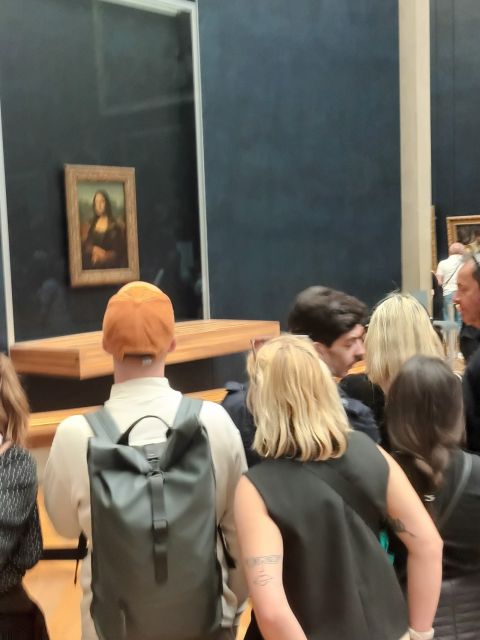
That said, here’s the honest catch: the tour provides priority entry, and tickets are timetabled, but on busier days (especially during school holidays), you may still see waiting near the priority entrance. It’s not a magic force field. Still, compared with the main queues, the time savings are typically the difference between a fun, guided experience and an exhausted one.
The format also helps you avoid decision fatigue. Instead of scanning maps and asking strangers where to go first, you follow your guide right from the start and get directed efficiently.
The highlights route: Mona Lisa, Winged Victory, Venus de Milo
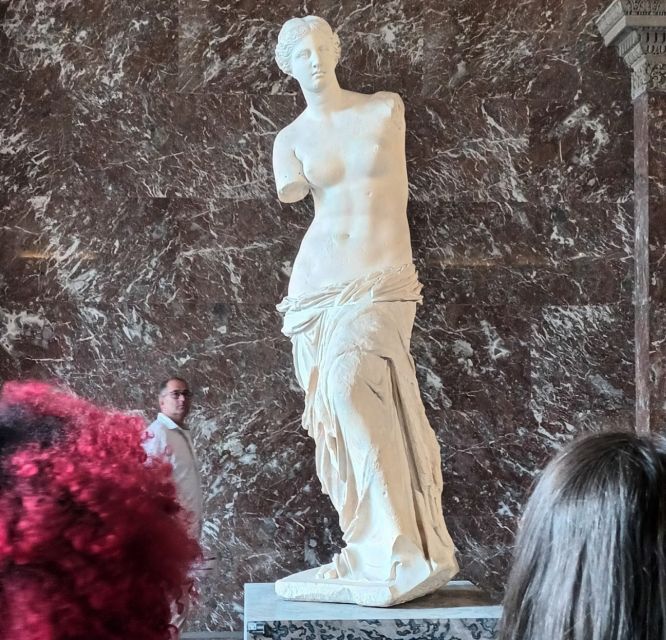
Once you’re in, the tour becomes a guided “greatest hits” walk with context. You’re not just being told what the art is. You’re learning how the work connects to the time it was made and how later audiences turned it into a legend.
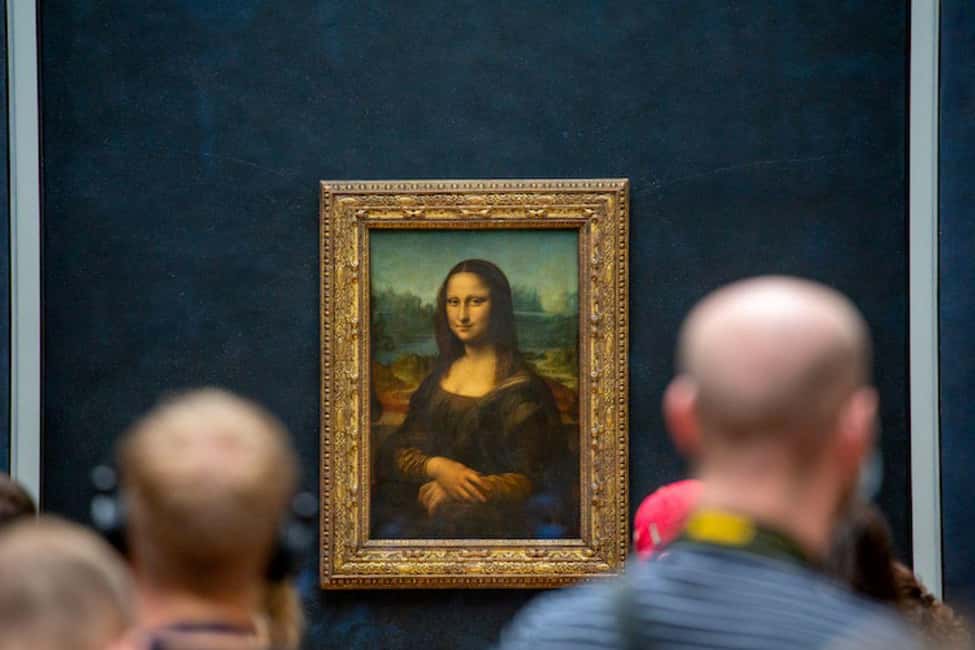
Mona Lisa: the painting everyone thinks they know
Your stop for Mona Lisa isn’t just a photo moment. The guide shares the intriguing background that turns her from a postcard into a real work with real mysteries. You’ll also get the kind of framing that helps you notice details you’d otherwise miss—like how the pose, expression, and famous reputation all work together.
This is one of those experiences where a guide can genuinely change what you feel. Without explanation, you might spend 30 seconds looking, then move on. With the stories and setting, you linger more because you understand why she’s famous and why people keep obsessing over her.
Winged Victory of Samothrace: seeing movement in stone
Next is Winged Victory of Samothrace, the ancient Greek sculpture known for its dramatic sense of motion. The value here is historical and visual: you learn how it was designed to feel like it’s arriving, not just standing still.
It’s also a reminder that “ancient” doesn’t mean “dull.” This piece hits because it’s art with physical energy. A guide’s job is to help you read that energy quickly, even in a busy museum setting.
You can also read our reviews of more museum experiences in Paris



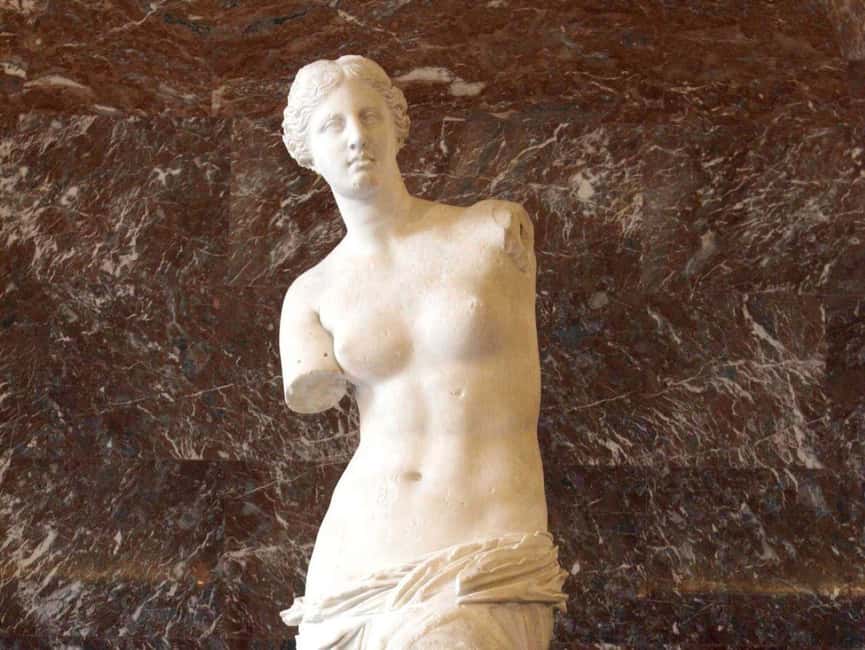
Venus de Milo: the mystery factor
Then comes Venus de Milo, famous not only for its beauty, but also for the mystery surrounding it. The guide’s explanation helps you understand why this sculpture has such a lasting legacy—and why people still talk about it long after they’ve left the room.
When a museum highlight includes a built-in mystery, your attention usually holds longer. You don’t just look; you compare what you see with what you’ve heard and revise your assumptions in real time.
Italian and French paintings: why the guide’s sequencing matters
After the big classics, the tour shifts into painting rooms—specifically Italian paintings and French paintings.
Italian paintings (including key artists)
You’ll see major Italian works featuring artists including da Vinci, plus paintings by Veronese. The point isn’t to turn you into an art scholar in 150 minutes. The point is to give you a map: what to look for, how styles differed, and how artists built on each other across time.
If you’ve ever stood in a museum and wondered why one painting gets all the attention, this is where the guide helps. They connect the visual choices to the era and show you what makes these works stand out to other artists and patrons.
French paintings (David and Delacroix)
Then it’s French paintings, featuring artists like David and Delacroix. This shift is valuable because it shows how European art moved from one set of ideas to another.
Even if you only remember a couple names afterward, you’ll still walk away with something useful: a sense of progression—how themes, technique, and mood changed as the centuries turned.
A tour that covers both Italian and French highlights works well because it prevents the “random masterpiece shuffle” problem. You’re not just chasing famous titles. You’re seeing a mini-story of art history.
How the pacing works in 2 hours (and what you might miss)
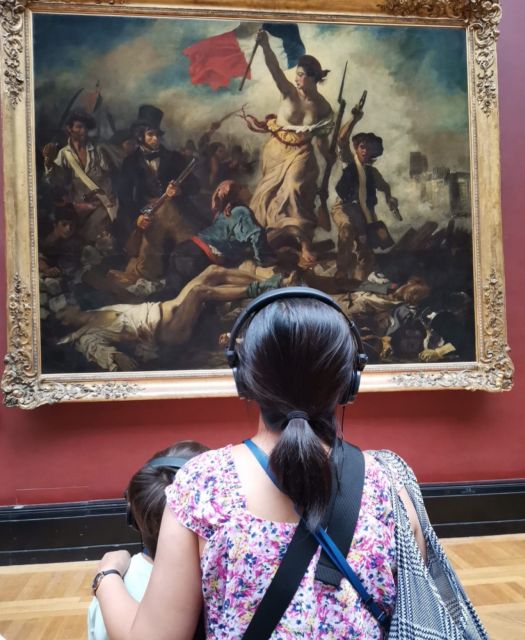
The guided tour lasts about 2 hours (around 150 minutes). That’s a smart length for the Louvre if your goal is highlights with context. Long tours can be physically brutal, and short tours can feel like you sprint from one famous face to the next.
Here, you get enough time for each stop to land. You’re guided through the main icons—then supported with enough explanation that your brain stores more than just camera-roll images.
But be clear about what’s not included: the Louvre has thousands of works across multiple wings. This tour targets the most celebrated masterpieces, so you won’t see everything. If you have a “must-see list” beyond the headline pieces, plan extra time later.
My advice: treat this as your Louvre orientation and highlight training. It gets you oriented fast, and then your self-guided wandering becomes easier because you already know where the most important rooms tend to be and what kinds of stories the museum loves to tell.
What kind of guide experience you’ll feel on the day
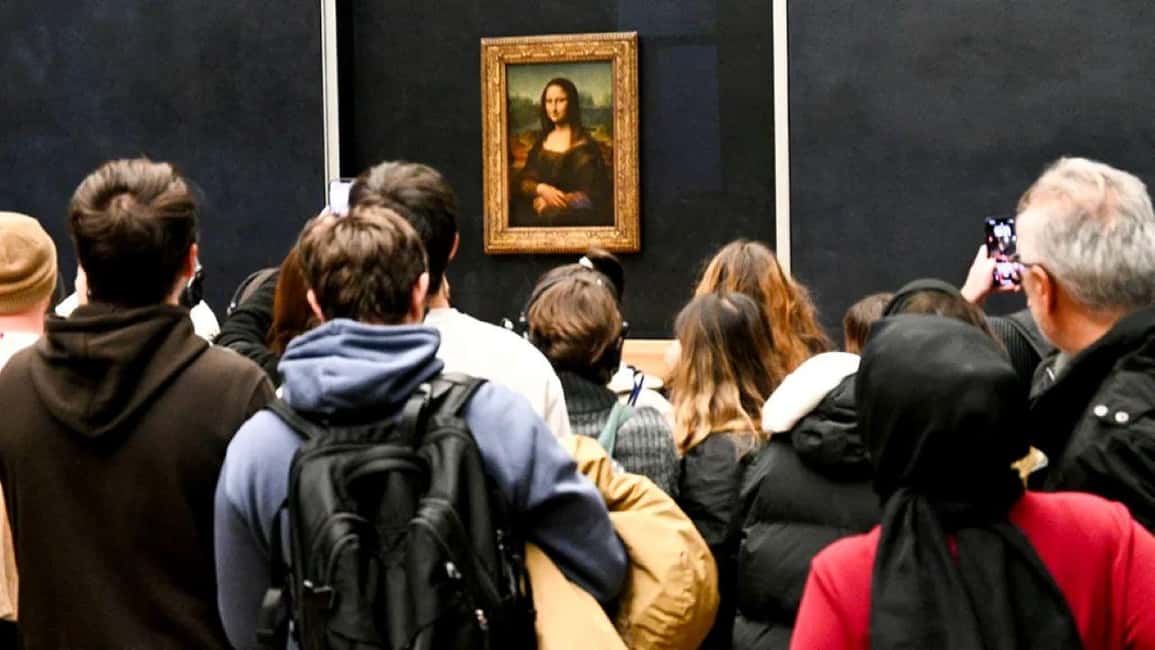
You’ll tour with an experienced, licensed guide, and the tour is available in English, Spanish, Italian, and French. That matters more than people think. A guide who explains clearly (in your language) helps you connect emotionally to what you’re seeing.
There’s also something tangible about guide personality. From recent experiences, you may end up with guides like François, who shares his love for the Louvre and art broadly; Silvia, who keeps the visit interesting without dragging; or Romeo, who can help you travel across long stretches of history in a way that doesn’t feel exhausting.
You’ll feel the difference if you’re the type of person who likes knowing why something matters, not just what it is. If you want facts plus story plus a gentle pace, this style tends to click.
Price and value: is $57 a smart trade for your time?
At about $57 per person, this is not the cheapest way to see the Louvre. But it’s also not trying to be. You’re paying for two things that often cost you the most when visiting the Louvre:
- Time savings from priority access
- A human guide who helps you see and understand, rather than just walk and stare
If you’re visiting during a peak travel season, the value can jump fast. Waiting in lines can turn a “2-hour highlight visit” into a “half-day stress session.” Priority entry helps protect the heart of the experience: you actually get to see and learn.
Also, because it’s only about 2 hours, you’re not committing your whole day. That’s a big value for travelers who want to hit other Paris highlights too.
Practical tips: what to bring, and what the museum doesn’t allow
Before you leave home, do the boring stuff once and you’ll thank yourself later.
Bring:
- Passport or ID card
- Comfortable shoes (the Louvre has lots of walking)
Don’t bring (museum rules for this tour):
- Oversize luggage, luggage, or large bags
- Food and drinks
- Alcohol and drugs
- Glass objects
One more practical mindset: go light. When you’re carrying less, you move faster and you deal less with bag situations while trying to meet the group and enjoy the rooms.
Who should book this Louvre highlights tour?

This is a great fit if you:
- Want the Louvre’s biggest names without spending your day lost in wandering
- Prefer guided storytelling over reading alone
- Have limited time in Paris and want a high-return activity
- Care about hearing the “why” behind famous works, not just the titles
It’s also a good choice if you’re traveling with someone who might not enjoy a long museum marathon. The tour length is controlled, the stops are focused, and the pace tends to feel manageable.
If you’re an art historian or you want to see many specific rooms and collections, you may feel constrained. In that case, you’d likely want a longer or more specialized itinerary.
Should you book it?
I’d book this tour if your priority is: see Mona Lisa and the key classics, plus get context, without wasting hours in lines. The time efficiency plus the licensed guide experience is the main reason it’s worth it.
If you’re flexible and can still handle some crowds, you’ll probably enjoy it most. On very busy days, priority access can still involve some waiting, but you still start with a stronger position than the general queues.
If you want a fast, guided Louvre orientation with the loudest masterpieces, this is a solid value.
FAQ
Where do I meet the guide?
You meet at Arc de Triomphe du Carrousel, in front of the Louvre Pyramid area, and the guide holds a GetYourGuide sign.
How early should I arrive?
The guide meets you 15 minutes before the tour starting time. Arrive a bit early so you can find the sign without rushing.
What are the main highlights included?
The tour includes major Louvre highlights such as Mona Lisa, Winged Victory of Samothrace, Venus de Milo, and guided viewing of key Italian and French painting highlights (including artists like da Vinci, Veronese, David, and Delacroix).
Does skip-the-line mean there will be no waiting at all?
Skip-the-line uses a priority entrance with timetabled tickets, but on very busy days (such as school vacations), there may still be waiting lines even at priority entrances.
What languages is the tour available in?
The live guided tour is available in French, English, Spanish, and Italian.
Is food, drinks, or hotel pickup included?
No. Food and drinks are not included, and there is no pick-up or drop-off to your hotel.