REVIEW · PARIS
Private Orsay Museum Guided Tour – Timed Entry
Book on Viator →Operated by StellarTours · Bookable on Viator
A line at Musée d’Orsay can eat your whole morning. This private, timed-entry tour gets you moving faster, then uses certified expert guidance to help you see the museum’s biggest names without feeling lost. I like that it’s built for efficient art viewing and that you can set the pace with a guide at your side.
In about 2 hours 30 minutes, you’ll cover major hits across Impressionism and Post‑Impressionism, from Manet to Van Gogh to Degas. I also like that you’re not just shuffled from room to room—you get context so the paintings make sense instead of becoming visual noise.
One drawback to consider: at this speed, you’re doing a strong highlight route, not a full museum marathon. If you want to linger for long stretches on everything, you may end up wanting extra time after the tour.
In This Review
- Key highlights at a glance
- Skip-the-line timing that actually matters at Musée d’Orsay
- A 1900 train station with a built-in sense of scale
- The highlight route that covers Impressionism without the art-class slog
- Manet’s Olympia: the discussion starter you’ll remember
- Renoir’s Moulin de la Galette: what to watch for in the crowd scenes
- Monet’s Water Lilies and Poppy Field: time-saving guidance for seeing light
- Van Gogh’s personal intensity: Bedroom in Arles and Self Portrait
- Degas and Millet: when figures do more than fill space
- How private pacing changes what you notice in 2.5 hours
- English guide plus a certified format: what you get for your time
- Price and value: what $414.53 buys you (and what it doesn’t)
- Getting the most out of your 2.5-hour visit
- Should you book this Musée d’Orsay timed-entry private tour?
- FAQ
- Where does the private guided tour start?
- How long is the Private Orsay Museum Guided Tour – Timed Entry?
- What’s included in the tour?
- Is the tour offered in English?
- Is this tour only for my group?
- What is the cancellation policy?
Key highlights at a glance

- Timed-entry skip-the-line so you spend time looking, not waiting
- Private format so you can slow down, speed up, or focus on your favorite artists
- English certified expert guide who connects paintings to their stories
- A tight highlight list including Manet, Renoir, Monet, Van Gogh, Degas, and Millet
- Former train-station setting (opened in 1900) that makes the whole visit feel special
Skip-the-line timing that actually matters at Musée d’Orsay

Musée d’Orsay is popular, and its popularity shows in the entrance area. Getting timed-entry access means you’re not gambling on when you’ll get inside. That matters, because once you lose 30–60 minutes to lines, your 2.5-hour window turns into a sprint.
This tour is also sized for focus. You’re promised a guided visit that hits major works in just hours, and that’s a smart match for first-timers. You get enough structure to feel oriented fast, while still having control as a private group.
The biggest value is simple: you trade “maybe I’ll find the classics” for “I’ll see the classics, and I’ll understand why they’re famous.” At a museum as big as Orsay, that’s the difference between collecting photos and leaving with real impressions.
You can also read our reviews of more guided tours in Paris



A 1900 train station with a built-in sense of scale

The meeting point is at Musée d’Orsay, 7 Quai Valéry Giscard d’Estaing, 75007 Paris, right by the museum. The building itself helps your brain settle in—this was once an elegant train station, opened in 1900. That old grandeur isn’t just decoration; it helps explain why the museum feels so dramatic even when you’re standing in a hallway.
When you meet your guide and enter, you’re starting in the right mood: not hunting for an entrance map, but stepping into a space that already has theater-level scale. That sets you up to enjoy what’s ahead, especially if you’ve heard Orsay is overwhelming. With a guide, overwhelming turns into manageable.
Because the tour ends back at the meeting point, you’re also not forced into awkward “now what?” navigation. You can head off on your own afterward with your bearings already set.
The highlight route that covers Impressionism without the art-class slog

The tour’s heart is a guided walk through major masterworks, with time to roam the museum’s galleries and hallways afterward. It’s designed around the artists most visitors come to see—then adds the why behind the fame.
Here’s what your guide will help you discover:
- Olympia by Manet
- Dance at Le Moulin de la Galette by Renoir
- Poppy Field and Water Lilies by Monet
- Bedroom in Arles and Self Portrait by Van Gogh
- Dancers by Degas
- The Gleaners by Millet
- Plus other standout works by Gauguin and Cezanne, among others
That list isn’t random. It’s basically a sampler of the big ideas that made late 19th-century painting shift. With a guide, you’re not just looking at famous canvases—you’re learning what artists were trying to do, how style connects to subject, and why these works changed art conversations.
And because this is a private tour, you can react naturally. If your eyes keep catching details in one room—like figures, gestures, or light effects—you can spend a bit more attention there and move on when you’re ready.
Manet’s Olympia: the discussion starter you’ll remember

Olympia is one of those paintings that can feel both iconic and baffling at first glance. With a guide, you’ll get the framing you need to look longer than a quick first stare. You’ll learn what makes it so significant in the larger move toward modern subject matter.
In a highlight tour, Manet is a smart anchor. If Olympia lands, a lot of the rest starts connecting in your head. You begin to notice how artists choose what to show (and what to challenge), not just how they paint.
Practical tip: don’t try to take in everything at once. Olympia is famous for reasons that reward patient looking—so let the guide’s cues shape where you focus first.
Renoir’s Moulin de la Galette: what to watch for in the crowd scenes

Renoir can be a comfort artist for many visitors, but Dance at Le Moulin de la Galette is more than pretty faces. A good guide helps you see how the painting works as a social moment—movement, light, and the rhythm of bodies in a lively setting.
In a 2.5-hour tour, you won’t have time to memorize every brushstroke. But you can still come away understanding the painting’s energy and composition. That’s the real win: the scene feels alive because you understand how the painter built it.
If you’re the type who enjoys people-watching, this stop is a strong match. You’ll likely find yourself “reading” the painting the way you’d watch a scene unfold.
You can also read our reviews of more private tours in Paris





Monet’s Water Lilies and Poppy Field: time-saving guidance for seeing light

Monet is where many museum visits become either magical or frustrating. You can love the work, yet feel like you’re stuck in a loop of “I know it’s important, but what exactly am I looking at?” That’s where guidance helps.
With Water Lilies and the Poppy Field work included, your guide can point you toward the visual logic: how color relationships create a sense of atmosphere, how the subject and the treatment blur together, and why Monet’s approach feels new even today.
Since your tour is timed, this is an efficient way to catch Monet’s range without spending half your day bouncing around rooms. You’ll come away feeling less like you viewed paintings and more like you understood a painter’s method.
Van Gogh’s personal intensity: Bedroom in Arles and Self Portrait

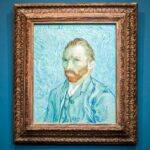
Two Van Gogh works on one tour slot is a big deal for contrast. Bedroom in Arles brings a tight, almost lived-in intensity, while Self Portrait shifts the focus back to the artist’s own presence.
A guide’s job here is to keep you from just admiring. You want to connect emotion to choices—composition, color emphasis, and how the painting communicates mood. In a short visit, that kind of interpretation is what turns a stop into a memory.
If you’ve ever found Van Gogh moving but hard to explain, this is where you’ll get language. You’ll likely leave knowing what to look for the next time you see his work elsewhere.
Degas and Millet: when figures do more than fill space

Dancers by Degas is a favorite for visitors because it shows movement in a way that feels off-balance—like it’s happening right now. With a guide, you can focus on why the framing feels so modern: attention to pose, gesture, and the slice-of-life quality.
Then The Gleaners by Millet adds a very different emotional temperature. This stop gives you a chance to see how realism and social subject matter can carry weight. Again, the guide’s interpretation matters because a highlight tour can otherwise skim past the meaning in favor of the spectacle.
In my opinion, this pairing works well because it covers two ways of using the human figure:
- motion and performance (Degas)
- work and hardship (Millet)
That range helps you walk out with a bigger sense of what Orsay is doing beyond “pretty paintings.”
How private pacing changes what you notice in 2.5 hours
A private tour isn’t just about comfort. It’s about control. If you’re curious, you ask. If you need a break, you take one. If one room grabs you, the guide can help you spend time there before moving on.
That’s also why this experience is a good fit for different travelers:
- First-time Musée d’Orsay visitors who want the main works explained clearly
- People who care about specific artists on the list
- Anyone who’s tired of museum tours that move at an unhelpful pace
- Couples or small groups who don’t want to keep step with strangers
One consideration: because it’s private, you may feel pressure to use every minute efficiently. The best way to avoid rushed viewing is to set expectations at the start—tell your guide who you’re most excited about, so they can shape the route from the beginning.
English guide plus a certified format: what you get for your time
The tour is offered in English, and it’s led by certified expert guides. That matters because art museums are full of subtle cues. Without guidance, you might miss the story behind the brushwork, and you might not know what details to look for.
One piece of feedback that stands out from the guide side: Daniel is specifically praised for strong one-on-one efficiency and excellent speaking skills. That’s the kind of detail you want when you’re only there for a limited window. Clear explanations let you absorb more than you would from a guidebook alone.
You’re paying for communication as much as for access. With a small group and personal attention, the guide can adjust to your reactions—where you pause, what you ask, and what you want explained first.
Price and value: what $414.53 buys you (and what it doesn’t)
At $414.53 per person, this is not a budget ticket. The value comes from three things you can feel immediately:
- Timed-entry access that saves you time at a high-demand site
- Private format that lets you set the pace and focus
- Guided interpretation focused on major works, which boosts your payoff in 2.5 hours
If you’re thinking in terms of “per hour,” the private guide cost can feel hefty. But if you’re comparing against the cost of wasting time in lines, getting lost in the museum’s scale, and leaving with photos instead of understanding, the math often swings in favor of guided time.
What it doesn’t promise: a slow, full-depth visit to every gallery. This is built for highlights. If you’re the kind of visitor who likes to linger for 20–30 minutes in a single room, you might do best by adding extra time on your own before or after the tour.
Also keep in mind: the museum is near public transportation, which makes it easier to add your own sightseeing afterward without stress.
Getting the most out of your 2.5-hour visit
To make this tour feel like a win, I suggest you come in with a tiny plan:
- Pick 2–3 artists you’re most excited about (the tour includes Manet, Renoir, Monet, Van Gogh, Degas, and Millet, among others).
- Be ready to look up close. Titles matter, but your eyes do the real work.
- Expect a highlight route. Let the guide choose the order based on your interests, then you can return later if one work pulls you in.
Once inside, don’t treat the tour like a checklist. Use it like a lens. When the guide points out what to notice, you’ll start finding your own patterns—especially in how light, figures, and composition shape the mood of each painting.
If you want to see more after the tour, the included roaming through magnificent hallways and galleries means you’ll already know where you are and what rooms feel most like your taste. That reduces the “where do I go now?” factor.
Should you book this Musée d’Orsay timed-entry private tour?
I’d book this if you want smart time use at Musée d’Orsay and you value an expert guide who can explain the top works without turning it into a classroom lecture. It’s a strong choice for first-timers, short-stay visitors, and art lovers who want the big names like Olympia, Moulin de la Galette, Water Lilies, Bedroom in Arles, Dancers, and The Gleaners—with context that makes them stick.
Skip booking if you’re planning a slow museum day and you’ll be happiest reading every wall label, taking long breaks, and going far beyond highlights. For that style, you might prefer a self-guided approach and extra time on your own.
One more nudge: if you can, look for the guide quality signal. Daniel has been called out for strong one-on-one efficiency and excellent speaking skills, and that’s exactly what makes a tight tour feel worth the price.
FAQ
Where does the private guided tour start?
It starts at Musée d’Orsay, 7 Quai Valéry Giscard d’Estaing, 75007 Paris, France, and it ends back at the same meeting point.
How long is the Private Orsay Museum Guided Tour – Timed Entry?
The tour duration is about 2 hours 30 minutes.
What’s included in the tour?
It includes a private tour, timed entry access, and a certified expert guide. Admission ticket access is included.
Is the tour offered in English?
Yes, the tour is offered in English.
Is this tour only for my group?
Yes. It’s a private tour/activity, and only your group participates.
What is the cancellation policy?
Free cancellation is available up to 24 hours in advance for a full refund. If you cancel less than 24 hours before the start time, the amount paid is not refunded.