REVIEW · BORDEAUX
Bordeaux: Chocolate and Pastry Food Tasting Tour
Book on GetYourGuide →Operated by HandMedinaCo Tours · Bookable on GetYourGuide
Sweet tooth planning can get dangerous fast. This Bordeaux chocolate and pastry tasting tour turns the city’s most iconic candy stops into a walkable, 2-hour food lesson. I like how the tastings are paired with short cultural stops, and I also love that you end up trying the famously light Dune Blanche alongside classics like flaky croissants and caramelized canelés. One thing to consider: this tour isn’t suitable if you have gluten intolerance, food allergies, or if you’re vegan.
You start in the historic core near La Grosse Cloche, then move on foot with quick bites at each pause. I like that the pace stays easy: short walks between stops, then 10 minutes to focus on what you’re eating and why Bordeaux does sweets the way it does. Your group stays small (up to 8), so the guide can keep the conversation going without turning it into a cattle call.
At $69 for 2 hours, you’re paying for more than food. You’re paying for a local guide who helps you choose wisely at each stop, plus a route that mixes pastry expertise with real Bordeaux landmarks—without eating your whole day. Just note: drinks aren’t included, so plan to handle water or your preferred drink separately.
In This Review
- Key highlights I’d put on your radar
- Starting under La Grosse Cloche and why the route makes sense
- The sweet lineup: canelés, croissants, and Bordeaux’s Dune Blanche
- Hidden bakeries and secret tasting stops: how to get the most value
- Pey-Berland, Hôtel de Ville, and Bordeaux Cathedral: sweets with context
- Price and logistics: what $69 buys in real life
- How long it takes, how you’ll feel, and when to go
- Who should book the Bordeaux chocolate and pastry tasting tour
- Practical tips so you don’t waste a single bite
- Should you book this Bordeaux pastry tour?
- FAQ
- Where does the tour meet?
- How long is the Bordeaux chocolate and pastry tasting tour?
- How many people are in the group?
- What food is included in the tasting?
- Is the tour suitable for vegans or people with gluten intolerance?
- Are drinks included?
- What are the tour drop-off locations?
- Can I cancel for a refund?
Key highlights I’d put on your radar
- Up to 8 people: small-group feel with time to ask questions
- 6+ tasting items: pastries, chocolate, and a guide’s secret choice
- Dune Blanche + canelés + croissants: classics plus a standout Bordeaux dessert
- Historic route: stops near Grosse Cloche and major sights like Pey-Berland and the Cathedral
- Short walks, frequent bites: easy pacing built around tasting windows
- English-speaking live guide: clear explanations along the way
Starting under La Grosse Cloche and why the route makes sense
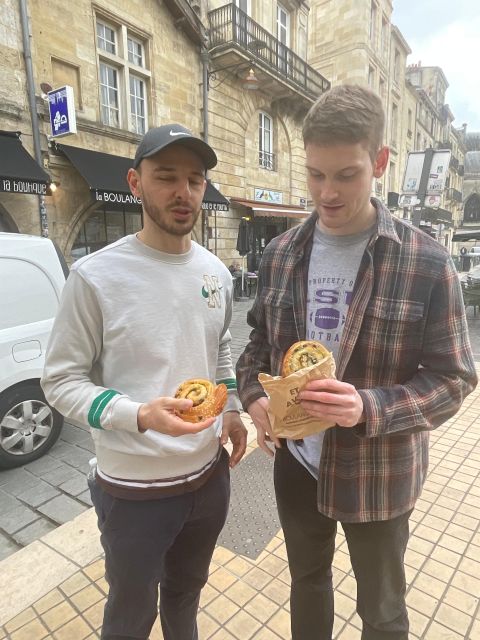
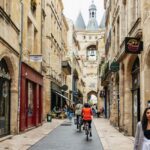
Most food tours dump you on a long walk and hope you stay interested. This one does the opposite. You meet at La Grosse Cloche, at the top of Rue Saint James, with your guide holding a BORDEAUX FOOD TOUR sign under the gateway. It’s a great anchor point because La Grosse Cloche is one of those instantly recognizable Bordeaux landmarks you can use to orient yourself from day one.
From there, the walking segments are short—think a quick 5-minute shuffle between tasting points—so you’re not constantly stopping and starting. That matters because pastries get best enjoyed when they’re still at peak texture. A tour that’s too spread out can turn croissant magic into warm regret. Here, the schedule keeps you in the sweet spot.
You also get the practical benefit of ending near Place de la Comédie. If you want to keep exploring right after the last bite, you’re already in the right neighborhood. Two drop-off options are listed at Place de la Comédie, which helps if you’re trying to head toward different parts of the center.
You can also read our reviews of more food & drink experiences in Bordeaux
The sweet lineup: canelés, croissants, and Bordeaux’s Dune Blanche
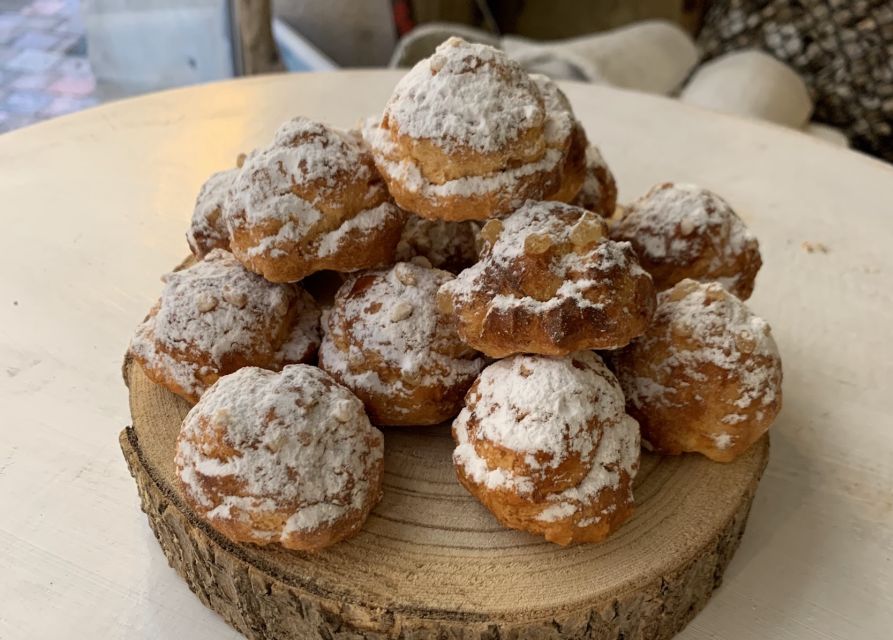
This tour is built around Bordeaux’s signature textures: crisp edges, caramelized centers, and desserts that feel almost too delicate to exist.
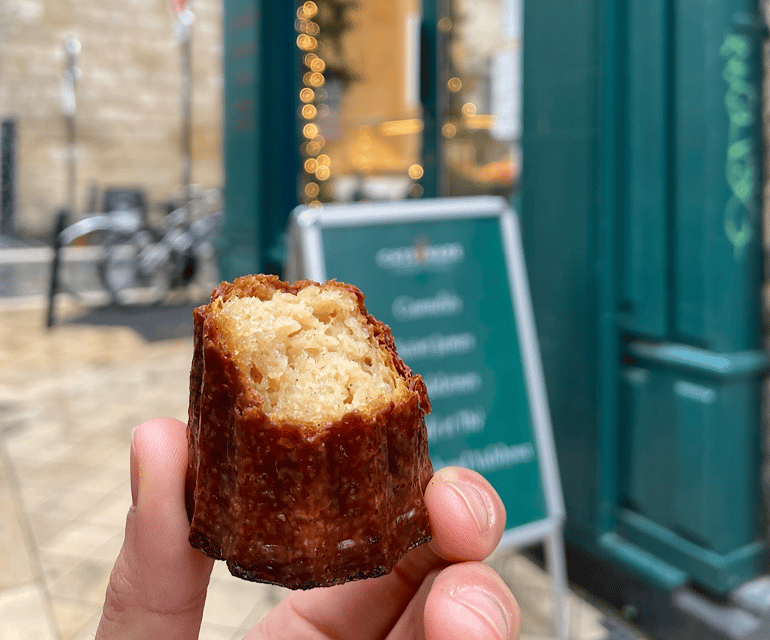
You can expect iconic Bordeaux staples like canelés, often described in the tour materials as caramelized perfection. That description isn’t random hype. Canelés are one of those pastries where technique matters: the exterior should be richly browned, while the inside stays tender. Having them on this kind of tour is useful because you’ll taste what “done right” is supposed to feel like, not just what a tourist shop thinks counts.
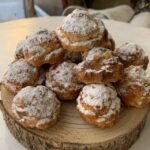
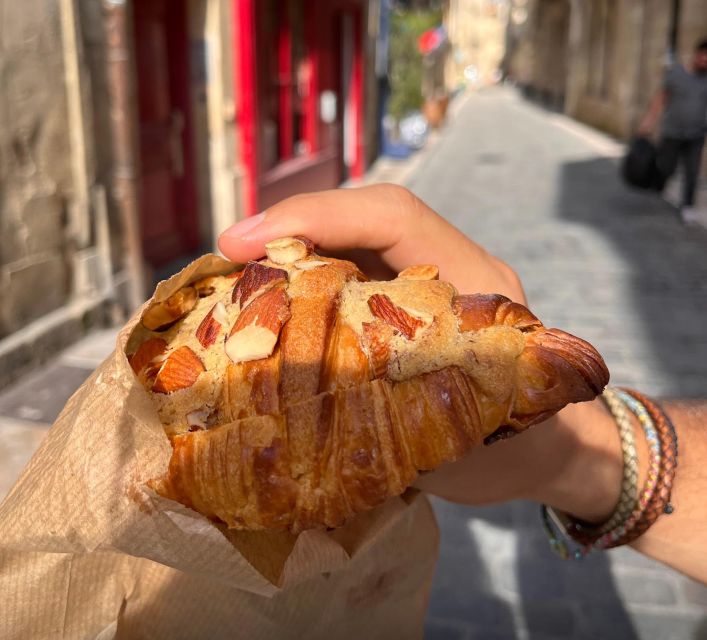
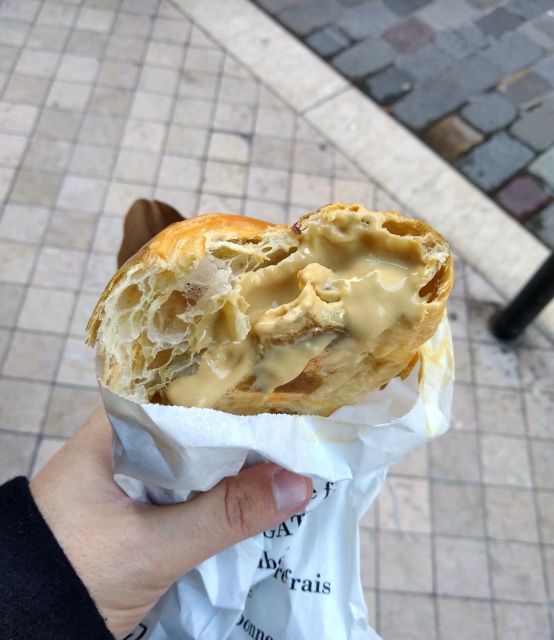
You’ll also taste flaky croissants, where you’re looking for that shattery outside and buttery layers that separate cleanly. The guide will help you notice the difference between a croissant that’s just baked and one that’s actually made for flake.
Then there’s the star many people remember most: Dune Blanche. The tour description frames it as ethereal and light, and that matches why it’s such a good “tour dessert.” It’s not heavy in the way some sweets are. Instead, it’s the kind of bite that keeps you moving for the next stop, because you’re not stuck in a sugar coma right after the first pastry.
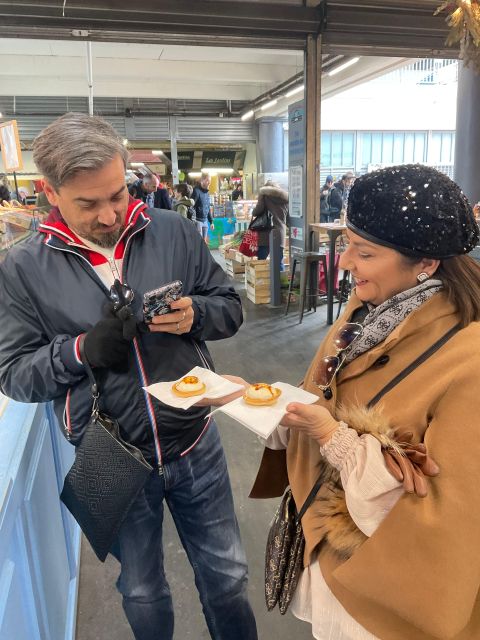
You’ll sample more than six items across multiple stops—pastry, chocolate, and a guide’s secret choice included in the tasting experience. Some stops likely give you more than one item, which is why the tour lands at 6+ different things tasted overall. That format is smart: you don’t waste time on only one sweet per bakery, and you get better variety across the walk.
Hidden bakeries and secret tasting stops: how to get the most value
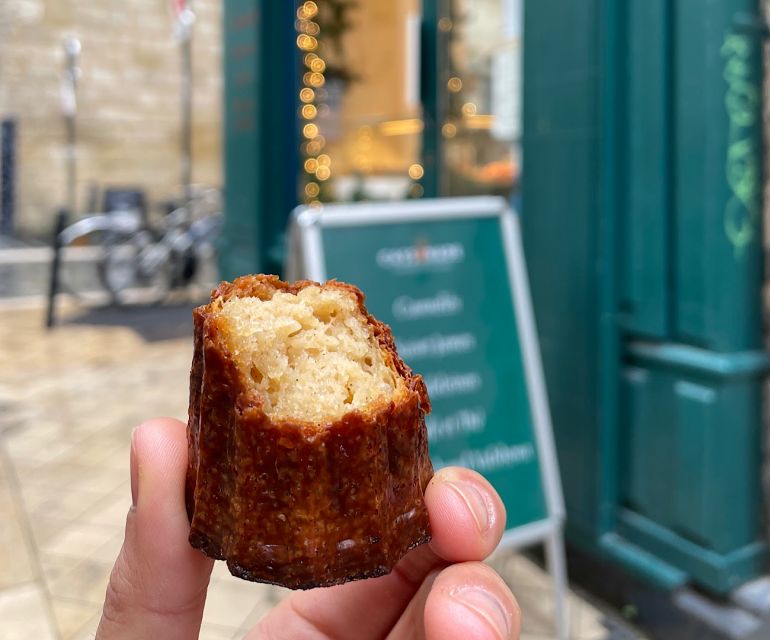
One of the best things about this tour is how it balances famous and lesser-seen places. You start in a landmark-heavy area, but the actual focus stays on where the sweets come from. Between sights, you’ll have “secret stop” tasting pauses and a local bakery tasting window.
Each tasting pause is about 10 minutes. That’s long enough to do something simple but important: eat slowly, compare bites, and ask what makes that item local to Bordeaux. A croissant is a croissant in name only; it’s the details that tell you if a baker is serious. Same with canelés—small variations in caramelization and interior texture can be the difference between good and memorable.
I also like the idea of the guide’s secret choice. You’re not just sampling what’s printed on the sign outside the shop. You’re getting someone’s informed pick—usually that means you’ll get a dessert or chocolate that’s meaningful to Bordeaux’s pastry culture, even if it’s not the first thing you’d Google.
A small-group setup helps here. With up to 8 people, you don’t feel rushed. The best tours are the ones where you’re allowed to take your time with the taste and not just swallow your portion like a vending machine. If your group ends up being tiny, you may get more direct back-and-forth with your guide while you eat.
Food tours are also a great value move because you’re replacing part of your day. The tour positions the tastings as perfect to replace breakfast or lunch. At $69, that makes sense only if you actually skip a full meal beforehand. If you arrive starving and keep it to one real meal later, the price feels far more reasonable than if you eat normally in addition to the tastings.
Pey-Berland, Hôtel de Ville, and Bordeaux Cathedral: sweets with context
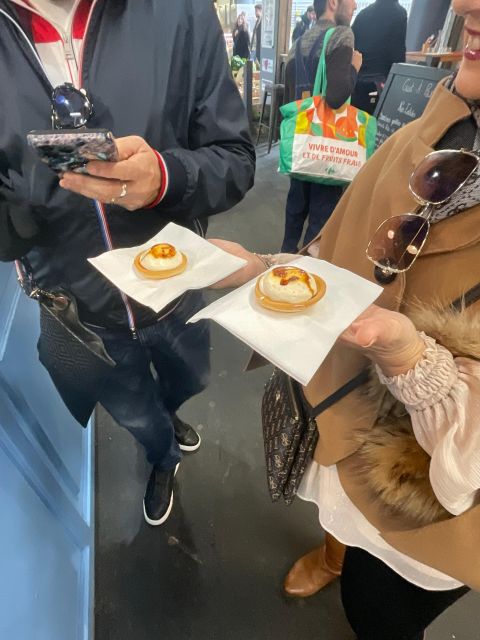
This tour doesn’t treat Bordeaux like a backdrop. It gives you quick, timed sight breaks—small windows to connect the food to the city you’re walking through.
Near the route, you get a sightseeing stop around Tour Pey-Berland, then brief stops by Hôtel de Ville de Bordeaux, and later the Bordeaux Cathedral. The time is short by design, so you’re not forced to “sightsee” your way through a sugary schedule. These pauses help you remember where you are, and they give the guide room to explain how local traditions and the city itself shaped the sweets you’re tasting.
Even if you’re not a history buff, this context is practical. Bordeaux is known for its food culture and craft traditions, and pastry has always belonged to everyday life as much as it belongs to special occasions. When you hear the explanation while you’re holding the item, the taste makes more sense. It’s the difference between eating a dessert and understanding why that dessert became a local marker.
That also explains why the route stays efficient. You get a little architectural and city flavor without sacrificing tasting time. And you still end in the most walk-friendly central area, so you can roll your day forward instead of being stuck across town.
Price and logistics: what $69 buys in real life
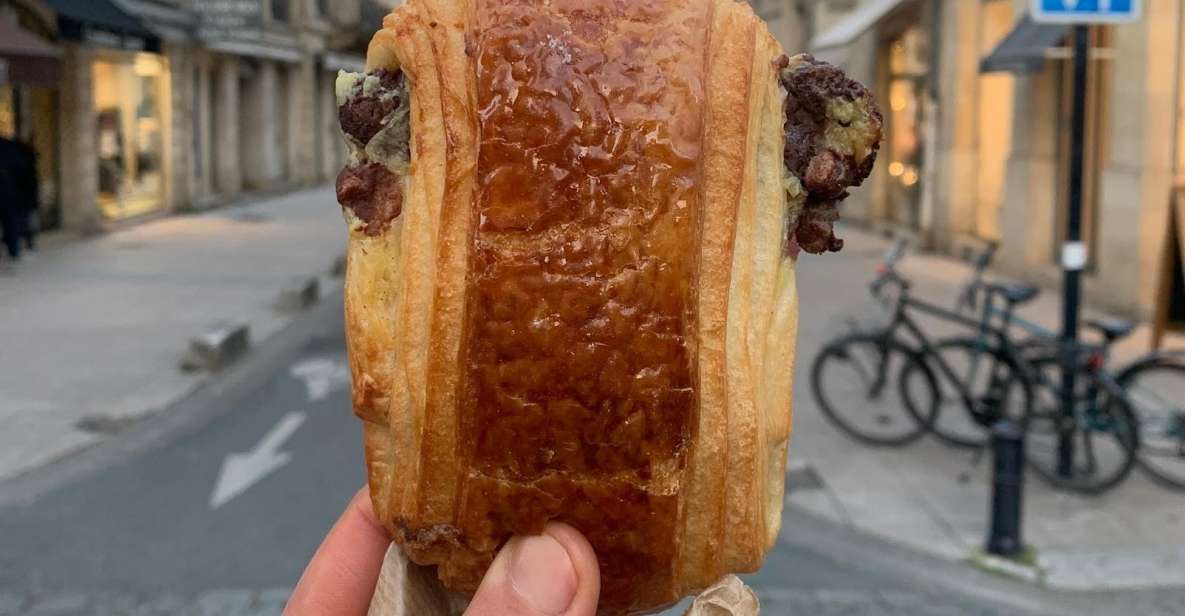
The big question with any food tour is simple: are you paying for convenience, or for real value? Here, the math is fairly clean.
You’re paying $69 per person for:
- 2 hours with an English live guide
- a small group capped at 8 participants
- a tasting that includes 6 pastries and bakery items, plus indications of 6+ different items tasted overall
- multiple food stops tied to a walkable center-city route
The key value point is that the tour includes the food, and it’s structured around short tastings rather than one long sitting. If you’ve ever spent 25 to 40 euros piecing together pastries on your own, you know how quickly it adds up—especially in a tourist-heavy area where it’s easy to buy something that looks right but isn’t your best choice. A guide helps you avoid that.
Two practical notes on the logistics side:
- Drinks aren’t included. Plan to buy water separately if you need it, especially if you’re trying multiple items back-to-back.
- This tour is not suitable for vegans, people with food allergies, or anyone with gluten intolerance. If you fall into any of those categories, skip it rather than hoping the guide can swap everything. The tour data is clear about these limits.
A few more Bordeaux tours and experiences worth a look

How long it takes, how you’ll feel, and when to go
This is a 2-hour walking tour with several tasting stops and short stretches between them. You’ll be eating throughout, so it’s best to treat it like a timed meal replacement. If you go in after a full breakfast, you’ll still enjoy it, but you’ll likely feel less open to the last half of the lineup.
As for timing, you don’t have the usual “half a day gone” problem. Since the tour ends near Place de la Comédie, it’s an easy fit early in your stay—especially if it’s your first day in Bordeaux. You’ll leave with a mental map of the center and the sweet-food highlights pinned to specific landmarks.
If you like chatting, you’ll probably enjoy it. Several guide-led experiences described in the provided notes highlight the guide’s ability to keep conversation going while you move through the route. With small groups, even if you’re not the talkative type, you’re still likely to get answers to your questions without waiting your turn.
Who should book the Bordeaux chocolate and pastry tasting tour
I’d point this tour at a few specific kinds of travelers:
- Sweet-tooth travelers who want a guided way to taste Bordeaux’s pastry culture without guessing which bakery is actually worth the line.
- Couples and friends who like small-group experiences and don’t want to spend hours on transport.
- People who want a mix of food + city landmarks, with short sight breaks rather than a full museum day.
- Families may find it manageable because some versions of the experience have been described as accommodating for children, and the walking segments are relatively short.
Who should reconsider:
- Anyone who needs vegan options, is managing gluten intolerance, or has food allergies. The tour’s suitability list is explicit, and pastry ingredients can be tricky to swap reliably.
- If you hate walking at all, even short segments between tasting points might be a deal-breaker. This is not a sit-and-eat tour.
Practical tips so you don’t waste a single bite
Here’s how I’d set yourself up for success, based on how the tour is structured.
- Eat lightly beforehand. The tour is meant to replace breakfast or lunch, so plan your day around it.
- Bring your appetite, not your full meal. You’ll taste over six different items, including chocolate and a dessert like Dune Blanche, so pacing matters.
- Wear comfortable shoes. You’ll be on foot multiple times over a compact route, and the walk is frequent enough to justify good footwear.
- Plan for no drinks. If you like tea, coffee, or soda, buy it separately. Keep water on hand if you tend to get thirsty on tasting days.
- Ask what to compare. When the guide points out differences—texture, browning, butteriness—you’ll taste more than just sweetness.
One more tip: if your guide is English-speaking and friendly (the tour description says live English guidance, and the notes about multiple guides emphasize clear explanations), lean into it. The best part of a tasting tour isn’t only the food. It’s the little moments where you understand why Bordeaux treats are made the way they are.
Should you book this Bordeaux pastry tour?
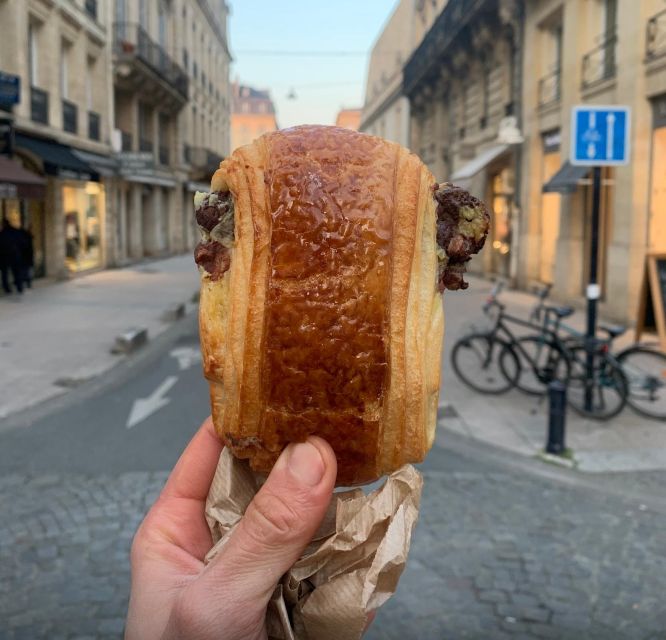
If you want a fun, efficient way to taste Bordeaux’s best-known sweets—canelés, croissants, chocolate, and Dune Blanche—this tour is a strong pick. The small-group size, the tasting-focused schedule, and the landmark route near Grosse Cloche and Place de la Comédie make it feel like a smart plan rather than a food parade.
Book it if:
- You’re traveling soon and want an easy first-day hit in the center.
- You like walking in short bursts between real food stops.
- You’re ready to skip breakfast or lunch and treat this as your meal.
Skip it if:
- You need vegan options, have gluten intolerance, or have food allergies.
- You prefer to control every bakery choice yourself and don’t want a route or guide.
If you fit the sweet spot, it’s the kind of tour that leaves you with both a full stomach and a better sense of Bordeaux as a city of pastry craft.
FAQ
Where does the tour meet?
The meeting point is at La Grosse Cloche. Your guide will be holding a BORDEAUX FOOD TOUR sign underneath the gateway, at the top of Rue Saint James.
How long is the Bordeaux chocolate and pastry tasting tour?
It lasts 2 hours.
How many people are in the group?
It’s a small group limited to 8 participants.
What food is included in the tasting?
You’ll get a tasting of 6 pastry and bakery items, plus the experience includes chocolate and a guide’s secret choice.
Is the tour suitable for vegans or people with gluten intolerance?
No. The tour is not suitable for vegans, people with food allergies, or people with gluten intolerance.
Are drinks included?
No. Drinks are not included.
What are the tour drop-off locations?
The tour ends with drop-off at Place de la Comédie (two drop-off locations).
Can I cancel for a refund?
Yes. Free cancellation is available up to 24 hours in advance for a full refund.