REVIEW · PARIS
Paris – Private walking Food tour Latin Quarter-St Germain
Book on GetYourGuide →Operated by PARIS FROM INSIDE · Bookable on GetYourGuide
Paris reveals itself especially well over small bites, and this private walk links Saint-Germain-des-Prés, the Latin Quarter, and Île de la Cité through food, old streets, churches, cafés, and literary landmarks. You begin at the Luxembourg Gardens and finish near Pont Neuf, with at least four tasting stops along the way.
I like the mix of local food shops and major Paris sights, and I like that a private guide can shape the pace around your interests. Guide Julien receives warm praise for explaining both the food and the history, with one especially useful tip from the tour: save room for the Merveilleux sweets.
The main point to watch is the price, $245 per person, and the tasting policy. At least four tastings are included, but some food samples are optional and cost extra, so ask your guide what is covered before ordering more.
In This Review
- Key points at a glance
- Why this Paris food walk works
- Starting among the trees at Luxembourg Gardens
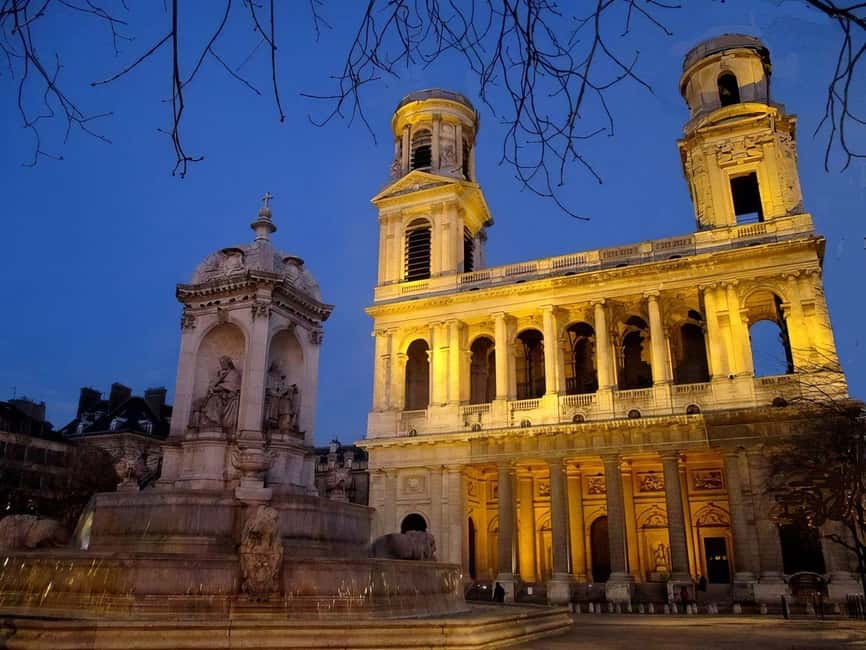
- Saint-Sulpice and the first food stop
- Chocolate, macarons, and Saint-Germain cafés
- Odéon and the character of the Latin Quarter
- Jams, cheese, and cold cuts along the route
- Île de la Cité and the roots of Paris
- What the guide adds to the food
- Who will get the most from this tour
- Timing, price, and practical planning
- Should you book this Saint-Germain food tour?
- FAQ
- How long does the private Paris food tour last?
- Where does the tour begin?
- Where does the tour finish?
- What areas does the tour visit?
- How many tastings are included?
- What types of food might be included?
- Are all food tastings included in the price?
- Is lunch or dinner included?
- What languages are available?
- Is the tour private?
- Can I cancel for a full refund?
- Can I reserve without paying immediately?
Key points at a glance
- A private 2.5-hour route: Walk from the Luxembourg Gardens through Saint-Germain, Odéon, and Île de la Cité.
- At least four food stops: Expect fine foods, chocolate and macarons, jams, cheese, cold cuts, and possibly wine or other delicacies.
- A strong history and food mix: Visit Saint-Sulpice, Saint-Germain-des-Prés, literary cafés, Saint-André-des-Arts, and the island at the center of Paris.
- Guide Julien may lead the experience: The guide is praised for friendly explanations and useful local knowledge.
- A good introduction to Parisian habits: The walk includes tips about everyday Paris life, cafés, food shopping, and dining.
- Check the tasting costs: Some tastings are free or included, while others are optional purchases.
Why this Paris food walk works
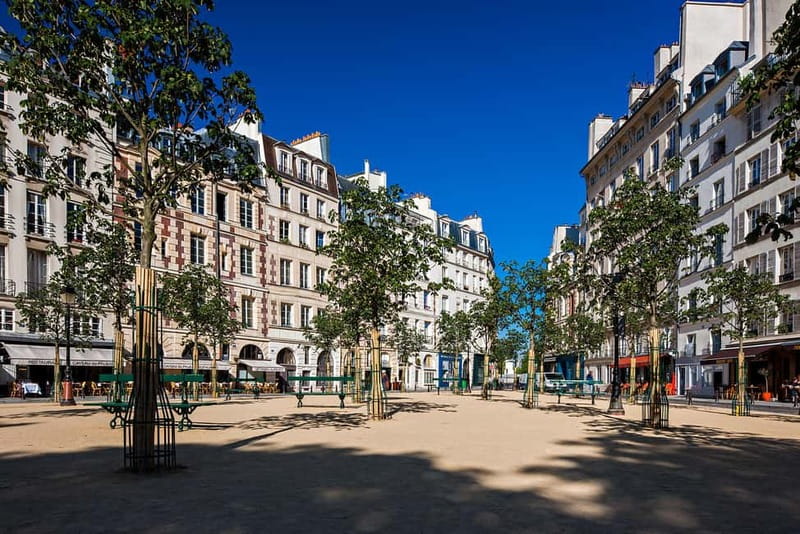
A food tour can easily become a string of snacks with a few facts added between them. This one has a stronger shape. It uses food to connect several districts that are already worth visiting, then adds churches, gardens, famous cafés, and the Seine.
You get a private group rather than a large crowd. That matters in Saint-Germain, where narrow streets, small shops, and busy cafés can make a big group awkward. You can ask why a particular food matters, stop longer at a place that interests you, or move along when your attention shifts back to the architecture.
The route is also useful early in a Paris visit. You get your bearings in central Paris while learning where Saint-Germain ends, how the Latin Quarter fits into the city, and why Île de la Cité matters. I would consider booking it near the start of a stay, especially if you want food and café ideas for later meals.
The tour is not a full lunch. It lasts two and a half hours and includes at least four tastings, but the food is presented as stops along a walk rather than a sit-down meal. If you need a substantial midday meal, plan one before or after the tour.
You can also read our reviews of more walking tours in Paris


Starting among the trees at Luxembourg Gardens
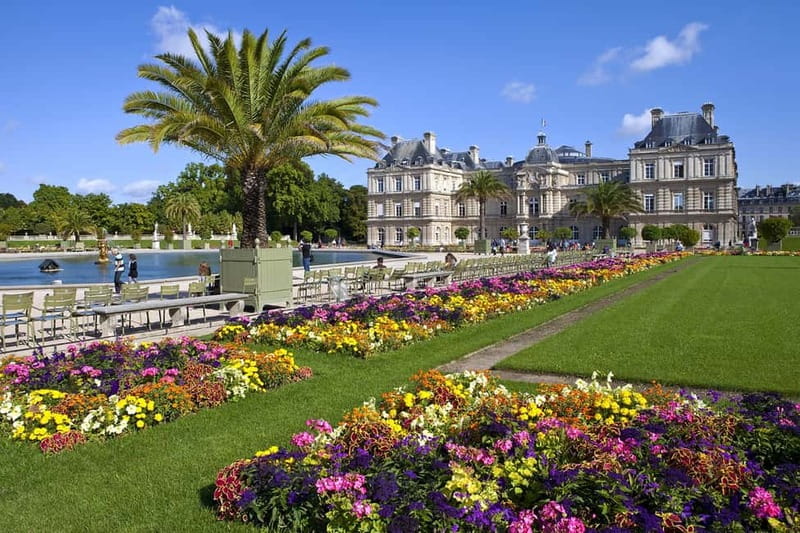
The meeting point is in front of the entrance to the Luxembourg Gardens at 50 Rue de Vaugirard. This is a pleasant place to begin, since the gardens give you room to gather before the route turns into tighter streets.
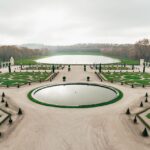
The garden is known for its formal paths, open views, and the palace used by the French Senate. The tour includes an introduction to the garden and the palace, so you begin with Parisian civic life as well as scenery.
This first stop also sets the tone for the rest of the walk. You are not only eating your way through shops. You are moving through places that explain how Paris works, from public gardens and churches to cafés and food counters.
Wear shoes that can handle cobblestones. The route is a walking tour through several central neighborhoods, and the streets around Saint-Germain and Saint-André-des-Arts are better suited to comfortable footwear than polished but painful city shoes.
Saint-Sulpice and the first food stop
The Church of Saint-Sulpice is the first major historical visit. The guide provides a visit and historical explanation, giving you more than a quick look at the façade.
Saint-Sulpice is an important marker in Saint-Germain. Its large scale and prominent position make it easy to spot, but a guide helps connect the church to the wider character of the neighborhood. This is where the tour’s history component becomes more substantial than a passing name on a map.
The first gastronomic stop is described as fine food. The exact shop and products can vary, so you should think of this as an introduction to the district’s food culture rather than a promised single specialty.
I like this placement in the route. You first see the garden and church, then begin tasting. The food feels connected to the streets around you instead of being a separate restaurant event.
Chocolate, macarons, and Saint-Germain cafés
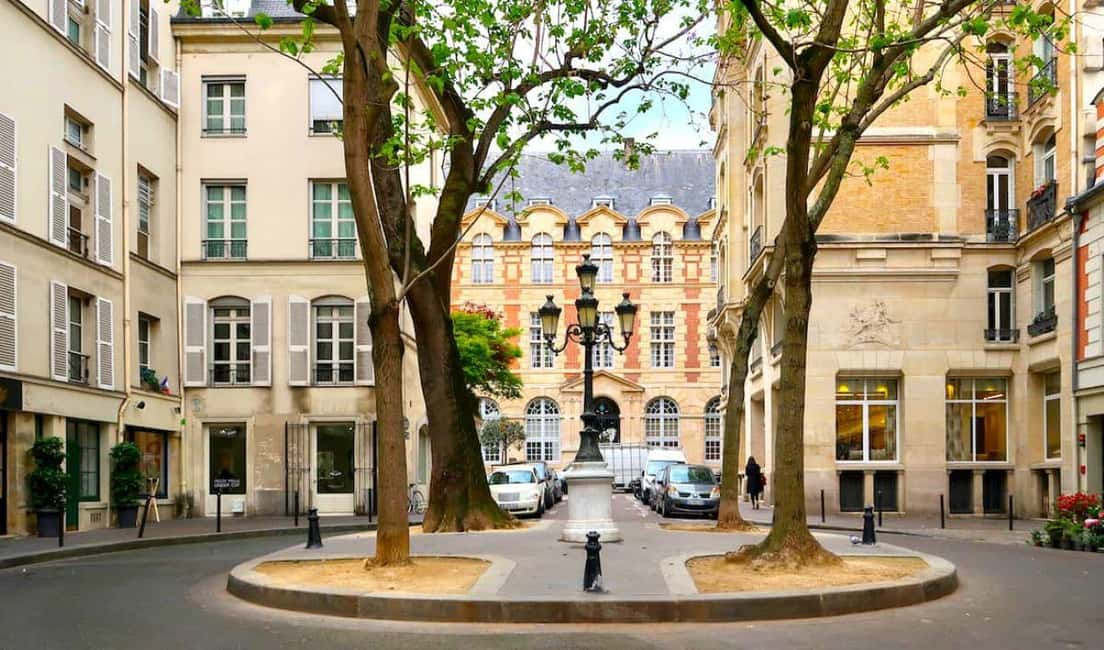
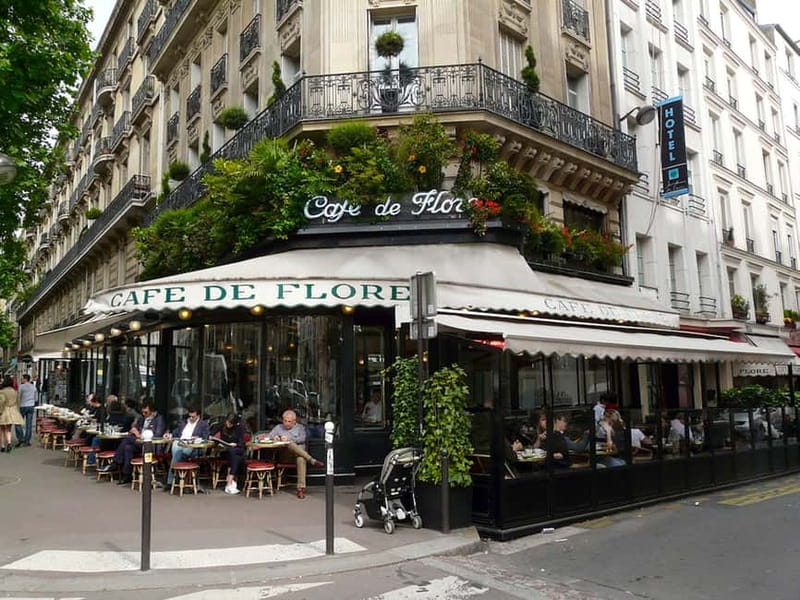
The route continues through Saint-Germain-des-Prés, one of Paris’s best-known café and literary districts. You visit the church of Saint-Germain and walk through the old part of the neighborhood, with its famous cafés and links to writers, artists, and philosophers.
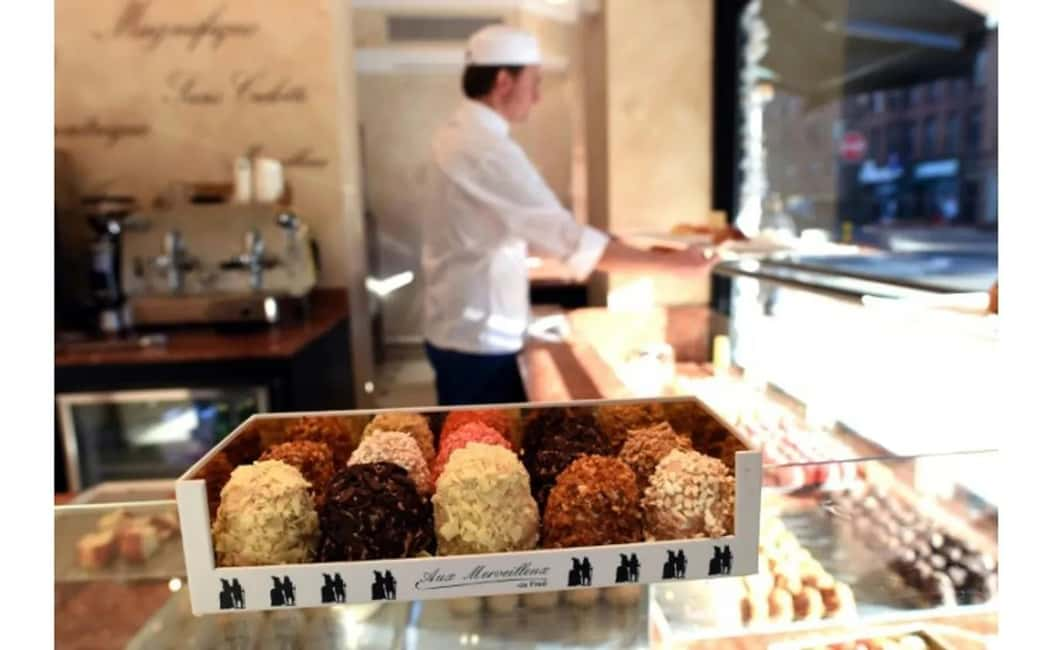
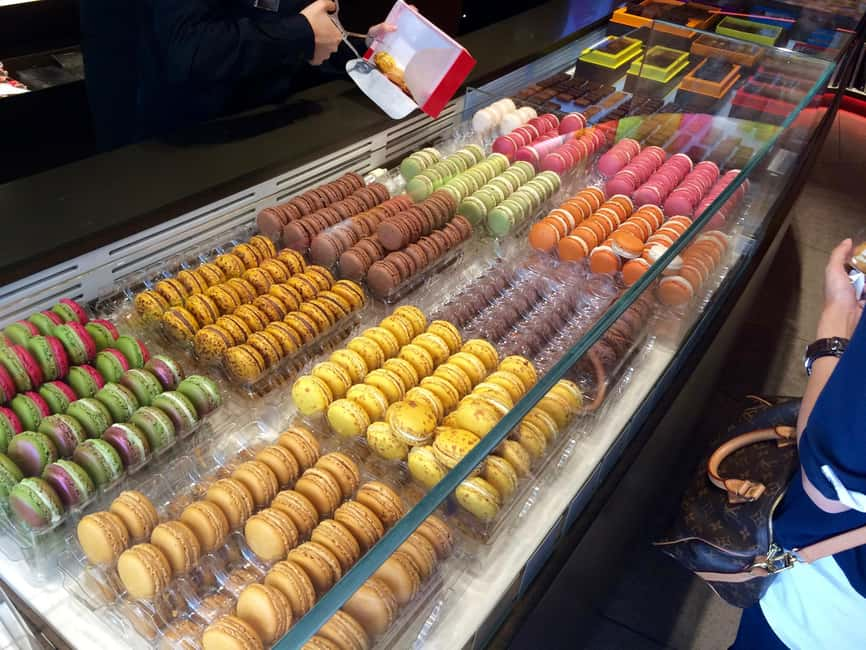
The second food stop focuses on chocolate and macarons. These are classic Paris purchases, but the value here is having a guide point you toward craft food shops rather than choosing at random from the first attractive window.
One useful detail from the food recommendations is the Merveilleux sweet. Make a point of asking Julien about it if he leads your tour. It was singled out as something worth trying, and it gives you a more specific target than the usual macaron checklist.
Saint-Germain can feel polished and expensive, so the guide’s local advice is useful. You can ask where Parisians buy sweets, how to choose a café, and which habits are worth copying. The tour promises tips about the Parisian lifestyle, and this part of the route is the natural place for those suggestions.
Do not expect every famous café to be a formal stop with a reserved table. The description calls for a walk through the café area and its history. The appeal is seeing the setting and hearing the stories while moving between food shops.
Odéon and the character of the Latin Quarter
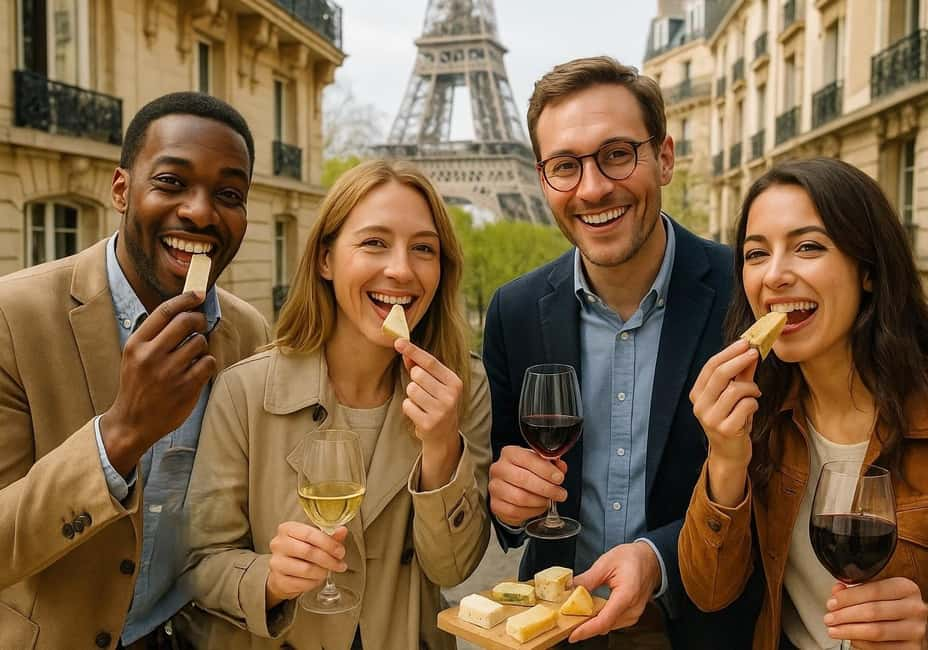
From Saint-Germain, the walk reaches Odéon. This area helps connect the polished streets of Saint-Germain with the more student-oriented and literary feel associated with the Latin Quarter.
The tour is private, so you can ask the guide to explain how the neighborhoods differ. That kind of question is often more useful than collecting isolated dates. You want to understand why one street feels suited to a quiet café, why another has a food shop, and how the district’s past still shapes its daily life.
The route also passes through the Saint-André-des-Arts area. Saint-André-des-Arts Street is described as a place for hidden historical details, so keep your eyes up and allow time for small corners and older buildings.
This is one reason I prefer the private format here. On a fixed large-group walk, a narrow street can become a stop-and-go exercise. With your own guide, the route should feel easier to follow, and you can ask for more detail when a doorway or old street catches your attention.
You can also read our reviews of more food & drink experiences in Paris




Jams, cheese, and cold cuts along the route
The third tasting focuses on sophisticated jams. This is a welcome change from a tour built only around pastries. It introduces the kind of food you might buy for breakfast, a picnic, or a small meal at your apartment.
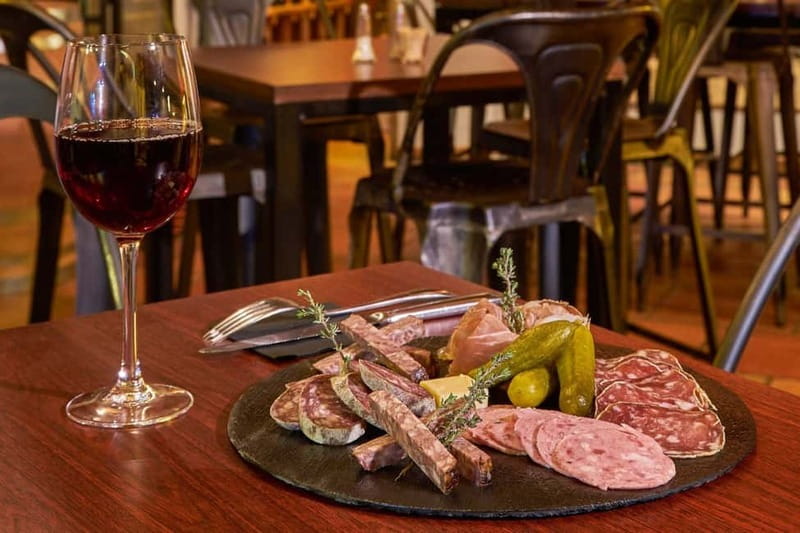
The fourth stop features cheese and cold cuts. Those foods are central to the pleasure of French shopping, since a good meal can begin with a few carefully chosen items rather than a long restaurant sitting.
The tour also refers to selected wines or other delicacies. Do not assume that wine is guaranteed at every departure. The tasting details say at least four stops are included, while some tastings are free and others are optional purchases. Ask for the current plan at the beginning.
This is also where the $245 price needs a close look. You are paying for a private guide, not simply four samples. The price may make sense for a small private group that wants personal explanations and a flexible pace, especially when food guidance and sightseeing are both important.
It is less appealing if you are mainly looking for a cheap meal. The tour fees and at least four tastings are included, but lunch and dinner are not. Optional food purchases can increase the total, so budget for that if you are tempted by the shops.
Île de la Cité and the roots of Paris
The final major area is Île de la Cité, one of the two islands in the Seine. The route presents the island as the root of Paris, which gives the walk a strong sense of place after the neighborhood visits.
The island brings a different mood from Saint-Germain. Instead of concentrating on cafés and food shops, the focus turns toward the early center of the city and the river. The Notre-Dame area is part of this visit, though the supplied details do not promise an interior visit to the cathedral.
I like ending here because the island gives the tour a clear geographic finish. You have moved from the Luxembourg Gardens, through the Left Bank, across the historic center, and toward Pont Neuf.
The stated finish is Pont Neuf, with an optional picnic. Another meeting detail says the activity ends back at the meeting point, so I would confirm the exact ending arrangement before booking or on the day. The route information most clearly identifies Pont Neuf as the finish, but the conflicting wording is worth clearing up.
What the guide adds to the food
The strongest part of this experience is the combination of explanation and tasting. Food is more useful when someone tells you how it fits into daily life, what makes a shop worth visiting, and how to choose what to buy after the tour.
Julien is named in the written feedback, and the comments describe him as friendly, clear, and good at linking food with the area’s history. The praise is consistent on the main point: the tour is informative without losing its appetite.
You should ask questions. For example, ask which foods are best for a picnic, what you can carry home, how locals use jams, or which sweets are worth seeking out later. A private tour gives you more room for those practical answers than a large scheduled group usually allows.
The experience is offered in English or French. If you want the tour in French, confirm that choice when booking. If you want English, the available information specifically identifies English as one of the guide languages.
Who will get the most from this tour
I would recommend this walk to couples, families, and small groups who want a private introduction to central Paris without spending half a day in a museum. It also suits first-time visitors who want history explained in plain language while sampling foods they might otherwise miss.
It is a good match for people who value personal attention. The private format lets you ask about restaurants, markets, cafés, and local habits as you go.
Food lovers should enjoy the range. Chocolate, macarons, jams, cheese, cold cuts, and fine foods give you more variety than a pastry-only route. The Merveilleux recommendation is a particularly nice detail for anyone who wants to try something beyond the standard Paris sweets.
I would be more cautious if you have limited walking ability, though the supplied information does not give an accessibility assessment. The route covers several districts and includes cobblestone streets, so ask the provider about the walking conditions before reserving.
I would also skip it if you want a full meal, a long café stop, or extensive interior visits. This is a moving tour with tasting breaks, not a restaurant lunch or a church-focused sightseeing program.
Timing, price, and practical planning
The activity lasts 2.5 hours. That is long enough to cover several neighborhoods but short enough to fit around another central Paris plan.
At $245 per person, the tour is a premium purchase. Its value depends on your group size and priorities. For a private group that wants a guide’s full attention, food advice, and a compact history walk, the cost can be reasonable. For one person or a pair focused only on eating, it may feel high.
Remember that lunch and dinner are not included. At least four tastings are part of the experience, but some samples are optional and paid separately. Bring room in your budget for purchases, particularly if you enjoy French sweets, cheese, or cold cuts.
The tour offers free cancellation up to 24 hours before the start time, and you can reserve now and pay later. Starting times vary, so check availability when selecting a date.
The meeting point is in front of the Luxembourg Gardens entrance at 50 Rue de Vaugirard. Since the route covers a lot of central Paris, arrive ready to walk and avoid scheduling a rushed appointment immediately afterward.
Should you book this Saint-Germain food tour?
Book it if you want a private, food-led introduction to central Paris with churches, gardens, literary cafés, and the city’s historic island in the same outing. The repeated praise for Julien’s friendly explanations, the history-and-food balance, and the specific Merveilleux tip all point to an experience with real personality.
Think twice if the $245 price is meant to cover a full meal, or if you dislike optional purchases during a tour. Ask exactly which tastings are included, confirm the final meeting point, and then decide.
For a small group that wants to understand Saint-Germain while eating well, this is a useful first taste of Paris, with enough practical food advice to shape the rest of your stay.
FAQ
How long does the private Paris food tour last?
The tour lasts 2.5 hours.
Where does the tour begin?
You meet in front of the entrance to the Luxembourg Gardens at 50 Rue de Vaugirard.
Where does the tour finish?
The route is described as finishing at Pont Neuf, with an optional picnic. Another activity detail says it ends back at the meeting point, so confirm the final arrangement before the tour.
What areas does the tour visit?
The route includes the Luxembourg Gardens, Saint-Sulpice, Saint-Germain-des-Prés, Odéon, Saint-André-des-Arts, Île de la Cité, and Pont Neuf.
How many tastings are included?
The tour includes at least four tastings.
What types of food might be included?
The food stops include fine foods, chocolate and macarons, sophisticated jams, cheese, cold cuts, and selected wines or other delicacies.
Are all food tastings included in the price?
Some tastings are free or included, while others are optional purchases paid separately.
Is lunch or dinner included?
No. Lunch and dinner are not included.
What languages are available?
The tour is offered in English and French, with a live guide.
Is the tour private?
Yes. It is offered for a private group.
Can I cancel for a full refund?
You can cancel up to 24 hours in advance for a full refund.
Can I reserve without paying immediately?
Yes. The reserve now and pay later option lets you book without paying at the time of reservation.