REVIEW · PARIS
Paris: Mixology Workshops
Book on GetYourGuide →Operated by Love Tonight · Bookable on GetYourGuide
Paris has plenty of grand sights, but this one-hour cocktail workshop offers a more hands-on way to spend an evening. You and a private group of 4 to 10 people make three drinks around a theme you choose, guided in French by a bartender such as Elie.
I like the kosher ingredients and the fact that every cocktail can be made with or without alcohol. I also like the practical touch of recipe cards, so the hour does not end when you leave the bar. The main consideration is simple: the session is short, food is not provided, and the French-only instruction may not suit every group.
In This Review
- Key points to know
- Making three cocktails instead of watching a demonstration
- Choosing a theme for your private group
- Working with Elie and the French-speaking instruction
- What happens during the one-hour session
- Kosher ingredients and alcohol-free recipes
- Finding the green door in Paris
- Is $56 a fair price for one hour?
- Who will enjoy this workshop most?
- What the experience does particularly well
- The main limitations to consider
- FAQ
- How long does the cocktail workshop last?
- How many people can join?
- How many cocktails will I make?
- Can I choose the cocktail theme?
- Are alcohol-free cocktails available?
- Are the ingredients kosher?
- Is food included?
- What language is the workshop in?
- Where do I meet the instructor?
- Should you book the Paris mixology workshop?
Key points to know
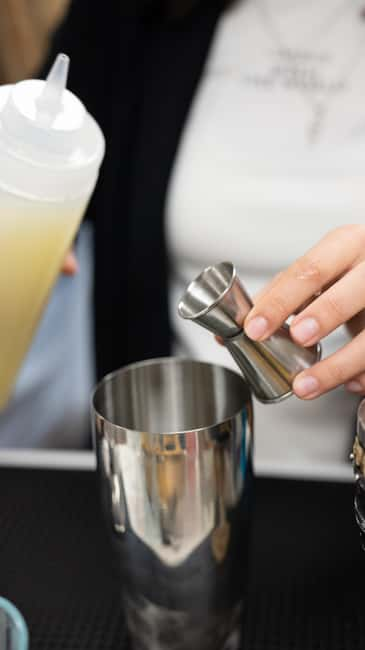
- Three cocktails in one hour: Learn basic shaker, measuring, straining, and ingredient techniques while making three drinks.
- Your group chooses the theme: The workshop is private for 4 to 10 people, with the drinks shaped around your chosen idea.
- Kosher and alcohol-free options: All ingredients are kosher, and cocktails can be prepared without alcohol.
- Guidance from Elie or another French-speaking bartender: You receive help at each stage and can adjust drinks to your preferences.
- Recipe cards included: You can reproduce the cocktails at home, though ingredients and equipment cannot be taken away.
- Use public transport or a cab: The activity includes alcohol for some preparations, so avoid driving yourself home.
Making three cocktails instead of watching a demonstration
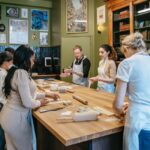
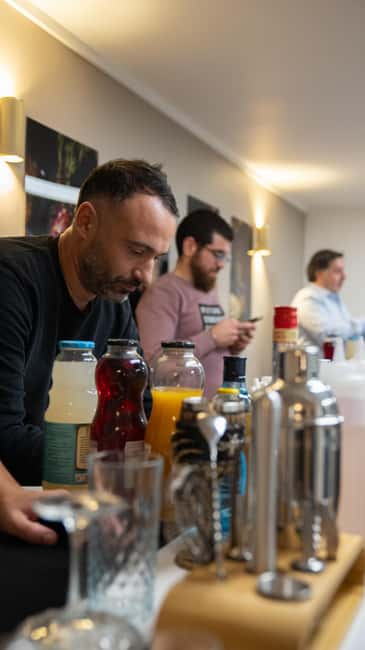
The appeal here is participation. You are not sitting at a counter while someone else performs a polished routine. You measure ingredients, handle the shaker, work with bar tools, and taste the results yourself.
The lesson covers three cocktails built around a theme chosen by your group. The available themes are not specified in advance, so you will need to discuss your idea with the bartender. That flexibility is useful for a birthday, a night with friends, or a private gathering that needs a little structure.
A bartender guides the process and explains the role of the ingredients. The supplied equipment includes shakers, dosers, strainers, glassware, and the other tools needed to prepare the drinks. You also receive quality spirits, liqueurs, juices, and fresh fruit during the session.
I like this format because three cocktails give you enough variety to notice how small changes affect a drink. You can work with different ingredients, compare textures, and adjust the finished drinks to your taste. In a one-hour class, the pace should feel active rather than drawn out.
The workshop is not presented as advanced bartender training. Think of it as a friendly introduction to mixology techniques, with enough practice to help you feel more comfortable making cocktails at home.
A few more Paris tours and experiences worth a look

Choosing a theme for your private group
The theme is one of the most personal parts of the experience. Your group chooses it, and the bartender takes care of the rest. Since the exact theme menu is not provided, ask about your preferred idea when booking or at the start of the session.
A theme can give the hour a clear purpose. It may help your group decide which flavors to try instead of spending half the session choosing drinks. It also makes the activity feel less like a standard class and more like something planned for your particular group.
For a family gathering or mixed-age group, the alcohol-free option matters. Every cocktail can be prepared without alcohol, so people can take part in the same activity even if they do not drink. The kosher ingredient policy is another useful point for groups with dietary or religious requirements.
That said, this is not a food workshop. No catering or snacks are included, and food cannot be added to the session. If you need dinner, plan it separately before or after the class. You should also avoid arriving with food, since it is not allowed during the activity.
Working with Elie and the French-speaking instruction
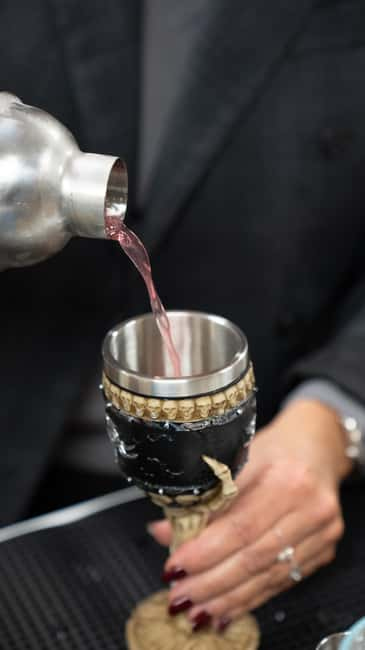
The instructor language is French. If you understand French, you can expect direct guidance through each stage of the recipes. The bartender helps with technique, answers questions, and shows you how to adapt the drinks to your preferences.
Elie is the named bartender connected with the strongest personal feedback. The comments about the experience single out his kindness, generous use of time, and the pleasant mood he creates. One note from a French participant describes the time with Elie as excellent and warmly recommends it. Another participant from Switzerland says they had a great time and plans to return.
Those comments point to an important part of the class: the tone. You are not signing up for a formal examination or a stiff professional course. The activity is designed for conversation, tasting, and a relaxed exchange with the bartender.
If your French is limited, ask about language support before you book. The listed instruction is French, and some content may appear in its original language. The practical work may still be easy to follow, but you should not assume that full English instruction is available.
What happens during the one-hour session
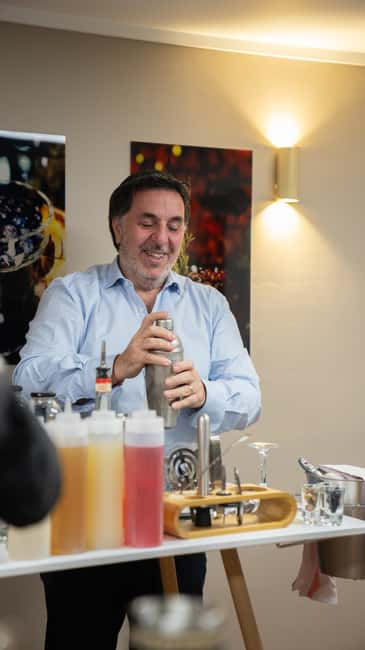
The exact recipe order is not provided, but the basic flow is clear. You meet at the location, get introduced to the theme, learn about the ingredients, and prepare three cocktails with the bartender’s help.
The first stage should focus on the ingredients and equipment. You will work with spirits, liqueurs, juices, and fresh fruit, or with their alcohol-free alternatives. The bartender can explain how each ingredient affects the drink and help you match the recipe to your group’s preferences.
Next comes the practical work. You use the dosers to measure, the shaker to combine ingredients, and the strainer to pour the finished drink into glassware. These are simple tools, but first-time cocktail makers often benefit from seeing the correct order and technique.
The workshop also gives you room to personalize the drinks. If one person prefers a sweeter flavor or another wants a different balance, the bartender can guide the adjustment. This is more useful than simply copying a fixed recipe, since home bartending rarely happens under perfect conditions.
Finally, everyone tastes the cocktails they made. That tasting is part of the lesson, not an extra course. It lets you see how your choices affected the finished drink and gives the group time to chat with the bartender.
Because the session lasts only one hour, you should arrive ready to begin. The class is compact, so a slow start or a large amount of discussion could reduce your hands-on time. For a group that wants a short, social activity, that pace is likely a plus. For someone seeking a long technical course, it may feel limited.
Kosher ingredients and alcohol-free recipes
The all-kosher ingredient policy is a meaningful advantage for some groups. It applies to the ingredients used in the cocktails, including the spirits, liqueurs, juices, and fresh fruit supplied for the class.
You should still explain your needs clearly when arranging the session, especially if your group follows particular kosher standards. The available information confirms that the ingredients are 100% kosher, but it does not provide details about certification or preparation procedures.
The alcohol-free choice makes the class more inclusive. You can join the same workshop and create comparable drinks without spirits. This is helpful for non-drinkers, people avoiding alcohol for personal reasons, and groups with different preferences.
The activity does contain alcohol as part of the supplied materials, so make your plans accordingly. The practical advice is to use public transport or a cab instead of driving home after the workshop. Alcohol and city driving are a poor pairing, even after a short session.
Nothing can be taken away. Alcohol, juices, and materials remain at the venue, so the recipe cards are your main souvenir. They give you the instructions, but you will need to buy your own ingredients and equipment later.





Finding the green door in Paris
The meeting point is the green door attached to the France Assos Santé sign. Someone will come and collect you there.
That is a useful landmark, but it is also specific enough that you should look for the sign rather than simply searching for a bar entrance. Give yourself a few extra minutes to find the green door, especially if you are meeting your group at a busy time.
The supplied details do not name a metro stop, street address, or parking arrangement. For that reason, public transport or a cab is the sensible choice. It also fits the advice to avoid driving home after the workshop.
This is a private activity, not a drop-in class. Your booking is for a group of 4 to 10 people. If you have fewer than four participants, confirm availability before paying, since the stated group range begins at four.
The private format is valuable for conversation. You can choose a theme together, ask questions without competing with a larger class, and move at a pace that suits your group. It also makes the session a better fit for a celebration than a public workshop where you are mixed with strangers.
Is $56 a fair price for one hour?
The price is $56 per person. At first glance, that may feel high for a one-hour activity, especially since no food is included and you cannot take home alcohol or ingredients.
The value improves when you count what is included. You receive an hour with a bartender, three cocktails, all spirits and other ingredients, fresh fruit, glassware, and professional bar equipment. You also get recipe cards and personal advice on changing the drinks to suit your preferences.
You are paying for instruction and a social setting, not just three beverages. If your group wants to learn a skill and spend time together, the price is easier to justify. A private class can also be more satisfying than buying three drinks at a bar, since you take part in making them.
Still, this is not the best choice if you only want inexpensive drinks. It is also not good value for someone who dislikes group activities, has no interest in making cocktails, or expects a meal with the class.
The option to reserve now and pay later helps keep plans flexible. Free cancellation is available up to 24 hours before the activity for a full refund. Check the available start times before booking, since the workshop duration is fixed at one hour.
Who will enjoy this workshop most?
I would recommend this activity to a small group of friends, a couple celebrating an occasion, or a family group that wants an indoor activity with a practical element. The private format means you can shape the theme around your own interests.
It also suits groups with mixed drinking preferences. The alcohol-free versions mean no one has to sit out, and the kosher ingredients may remove a concern that can complicate group dining or bar plans.
The class is not designed for young children. It is not suitable for children under 10, as well as the more specific lower age limits listed in the booking information. Babies and children under 2 are also excluded, and unaccompanied minors are not allowed.
The activity is not suitable for wheelchair users, and it excludes people over 95 years old. Those restrictions are worth checking before you commit, especially if your group includes someone with mobility needs.
Pets, weapons or sharp objects, food, skateboards, and skates are not allowed. Most of these rules are easy to follow, but the food restriction is worth remembering if you planned to bring a snack.
What the experience does particularly well
The strongest feature is the balance between instruction and social time. You learn enough to understand what you are doing, but the hour remains light and festive. The personal guidance also means your group can make changes instead of accepting one fixed drink.
The bartender’s manner appears to matter just as much as the recipes. Elie receives particular praise for kindness and for giving the group his time. That is encouraging for beginners, who often need an instructor willing to explain a basic technique without making them feel awkward.
I also appreciate the clear practical follow-up. Recipe cards let you repeat the drinks at home, while the bar equipment available for sale on site gives you a way to build a home setup if you enjoyed the lesson. The equipment is optional, and the activity does not require you to buy anything.
The ratings are excellent, with a 5 out of 5 score from three reviews. That is a very positive signal, but it is also a small sample. I would treat it as evidence of a warm, enjoyable experience rather than proof that every group will have the same result.
The main limitations to consider
The hour goes quickly. Three cocktails, ingredient explanations, technique practice, tasting, and conversation leave little space for a slow, detailed lesson. If you want a serious course on cocktail theory, look for a longer format.
French-only instruction is the other major question. A French-speaking group should have no problem, but people who rely on English may need to confirm how much help they can receive. The activity description does not promise English instruction.
The lack of food may also affect your plans. You will taste your cocktails, but this is not a dinner or a pairing session. Arrange a separate meal, and do not assume you can bring snacks into the workshop.
Finally, the meeting point depends on a visual landmark, the green door beside the France Assos Santé sign. Use public transport or a cab, allow time to locate it, and remember that the person collecting you is your final guide to the room.
FAQ
How long does the cocktail workshop last?
The workshop lasts one hour.
How many people can join?
The activity is for private groups of 4 to 10 people.
How many cocktails will I make?
You will learn to make three cocktails based on a theme chosen by your group.
Can I choose the cocktail theme?
Yes. Your group chooses the theme, and the bartender prepares the workshop around it.
Are alcohol-free cocktails available?
Yes. The cocktails can be made with or without alcohol.
Are the ingredients kosher?
Yes. The supplied ingredients are described as 100% kosher.
Is food included?
No. Catering and food accompaniment are not included and cannot be added to the workshop.
What language is the workshop in?
The instructor language is French, and some content may be presented in its original language.
Where do I meet the instructor?
Meet at the green door attached to the France Assos Santé sign. Someone will come and collect you.
Should you book the Paris mixology workshop?
Book it if you want a short, private, hands-on activity rather than another sightseeing stop. The best reasons are the freedom to choose a theme, the alcohol-free and kosher options, the three cocktails you make yourself, and the recipe cards you can use later.
I would especially choose it for a group of friends or a celebration where conversation matters as much as the activity. Confirm that French instruction works for everyone, plan your own meal, and use a cab or public transport afterward.
Skip it if you want a long professional course, a food pairing, or a low-cost way to drink in Paris. At $56 per person, the value depends on enjoying the making as much as the tasting. For the right group, that is exactly what makes the hour worthwhile.