REVIEW · PARIS
Paris: Louvre Museum and Orsay Museum Guided Tour
Book on GetYourGuide →Operated by GetYourGuide France · Bookable on GetYourGuide
The unusual strength of this tour is its two-museum sweep: you begin in a former railway station with Monet, Renoir, Manet, Cézanne, and Van Gogh, then move to the Louvre for the Mona Lisa, Venus de Milo, and Winged Victory of Samothrace. It gives you a clear first look at two huge collections without leaving you to wander blindly.
I like the small, focused morning tour and the reserved entry at both museums. I also like the built-in break for lunch and the walk to the Louvre, which keeps the day from becoming one long march through galleries. The main drawback is the pace: three and a half hours of guided touring covers famous works, not every room, and summer crowds can add up to 20 minutes at security.
In This Review
- Key points to know before booking
- Why this two-museum plan works in Paris
- Starting at Musée d’Orsay beside the horse statue
- What the Orsay tour adds to the paintings
- Your break for lunch and the move to the Louvre
- Entering the Louvre through a highlights route
- The Mona Lisa, Venus de Milo, and Winged Victory
- Why the guide and audio devices matter
- The pace, crowds, and physical demands
- Is $157 a fair price?
- Who should book this museum day?
- Should you book the Louvre and Orsay combo?
- FAQ
- How long does the combined tour last?
- Which museum do you visit first?
- What language is the tour offered in?
- Where does the morning tour begin?
- Where does the Louvre tour begin?
- When will I know the Louvre meeting time?
- Is lunch included?
- What famous works will I see at the Louvre?
- Can I visit temporary exhibitions with this tour?
- Can I bring luggage or a large bag?
- What happens if I arrive late?
- Can I re-enter a museum after leaving?
- Is the tour suitable for wheelchair users?
- Can I cancel the booking?
Key points to know before booking
- Two major museums in one day: Visit Musée d’Orsay in the morning and the Louvre in the afternoon.
- A former railway station: See Orsay’s famous clock and its collection of Impressionist and Post-Impressionist art.
- A classic Louvre route: Expect the Mona Lisa, Venus de Milo, Winged Victory, Renaissance art, Greek relics, and more.
- Free time between tours: Lunch is on your own, as is the journey from Orsay to the Louvre.
- Reserved museum entry: Separate entrances help you avoid the regular ticket line, though security waits can remain.
- English guidance only: Audio devices are provided, but the tour is not suited to wheelchair users or people with mobility impairments.
Why this two-museum plan works in Paris
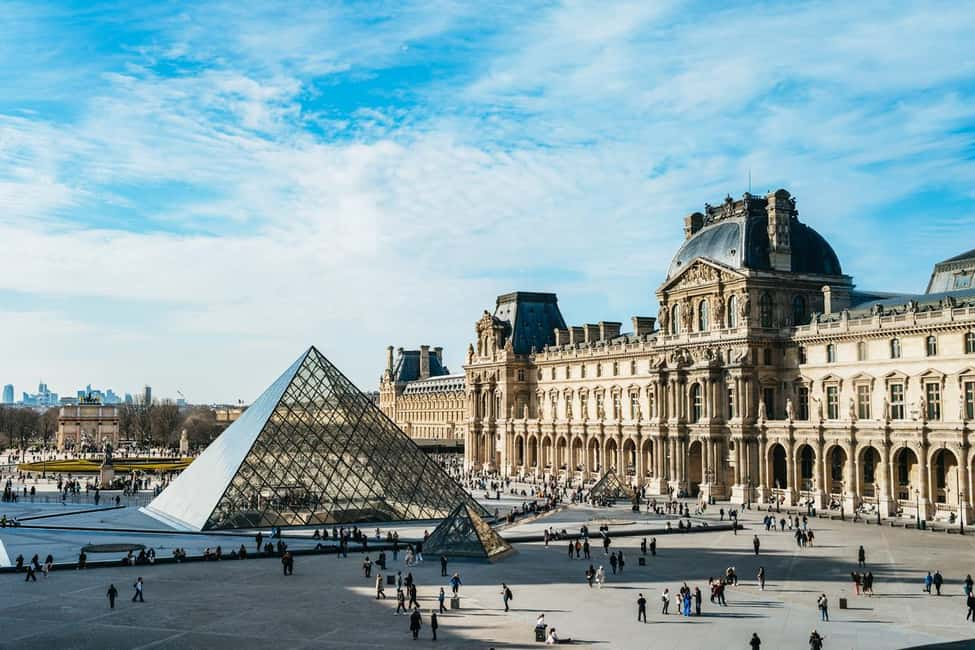
Paris gives you no shortage of grand museums. The trouble is knowing where to begin. The Louvre can feel like an entire city under one roof, while Musée d’Orsay has enough famous paintings to fill a busy afternoon by itself. This tour gives you a guided introduction to both in a single day.
The price is $157 per person. That is not a casual museum ticket, but you are paying for two reserved admissions, three and a half hours of live English guidance, audio equipment, and a planned route through collections that can easily swallow a full day. For a first visit, I see the value in having someone explain why the famous works matter instead of simply pointing them out.
Still, this is best viewed as an orientation tour, not a complete museum visit. You will see major works and some less familiar pieces, but you will not cover every wing. If you already know both museums well, or if you prefer to set your own pace, the guided format may feel restrictive.
The tour has a strong rating of 5 from six reviews, but that is a small sample. I would treat it as encouraging rather than conclusive. The clearest practical appeal is the structure: meet a guide, follow a sensible route, take a break, then continue at the Louvre with a second guide.
You can also read our reviews of more guided tours in Paris



Starting at Musée d’Orsay beside the horse statue
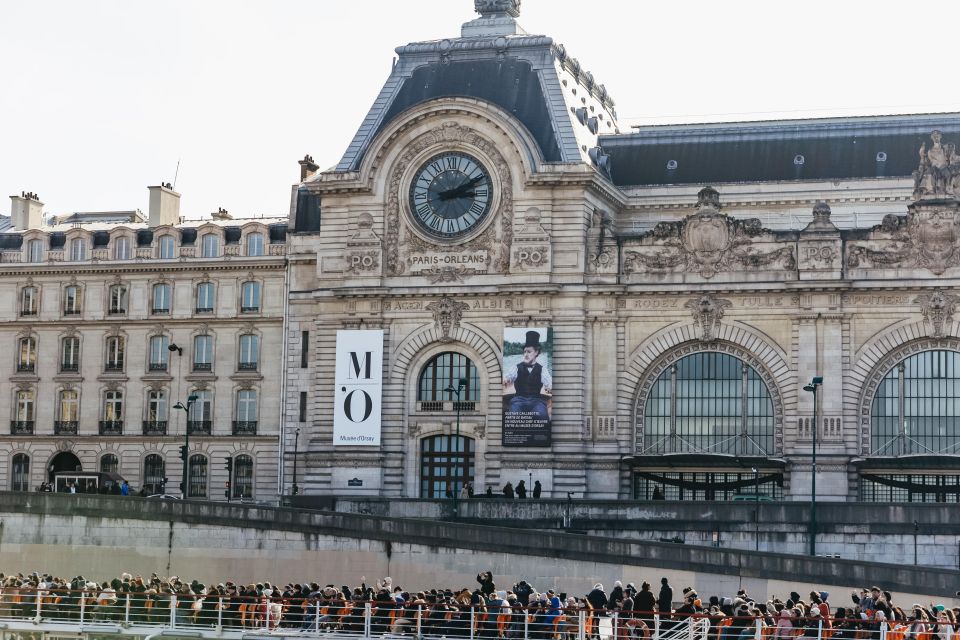
Your morning begins at the entrance of Musée d’Orsay, next to the horse statue. Take this meeting point seriously. Large museums have several entrances and broad public spaces, so arriving early gives you time to locate the statue without a rushed search.
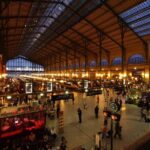
The museum occupies a former railway station. That fact changes the mood before you even look at a painting. The great clock faces, high iron-and-glass interior, and broad former platforms give the building a strong sense of place. One highlight is the chance to look out across Paris through one of the old clocks.
The guided portion lasts 1.5 hours. That is long enough for a thoughtful introduction, but short enough to keep you moving. Your guide uses the art to explain 19th-century life, from industrial Paris to the countryside and southern France.
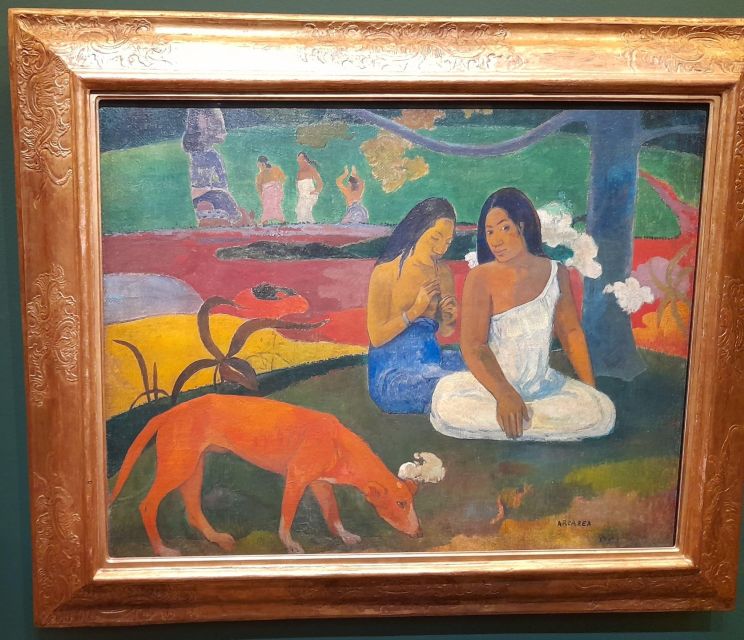
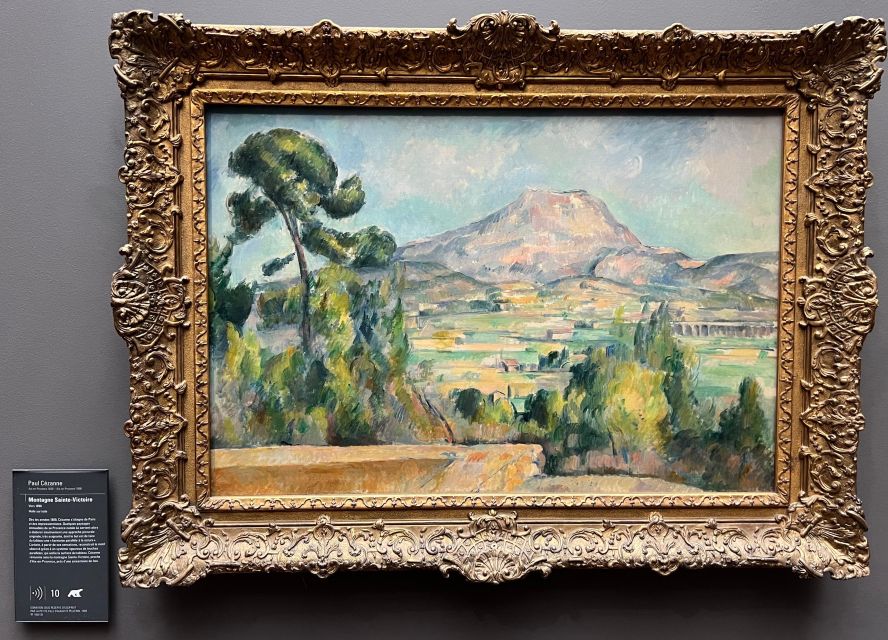
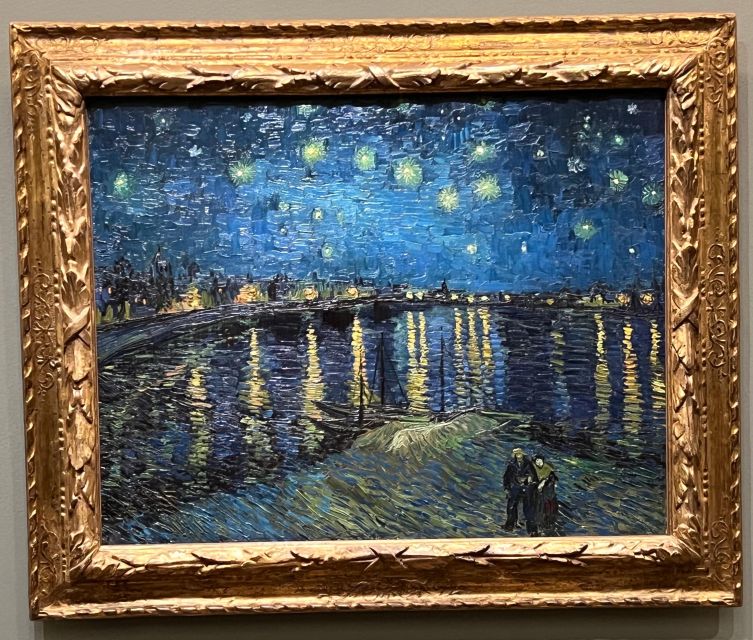
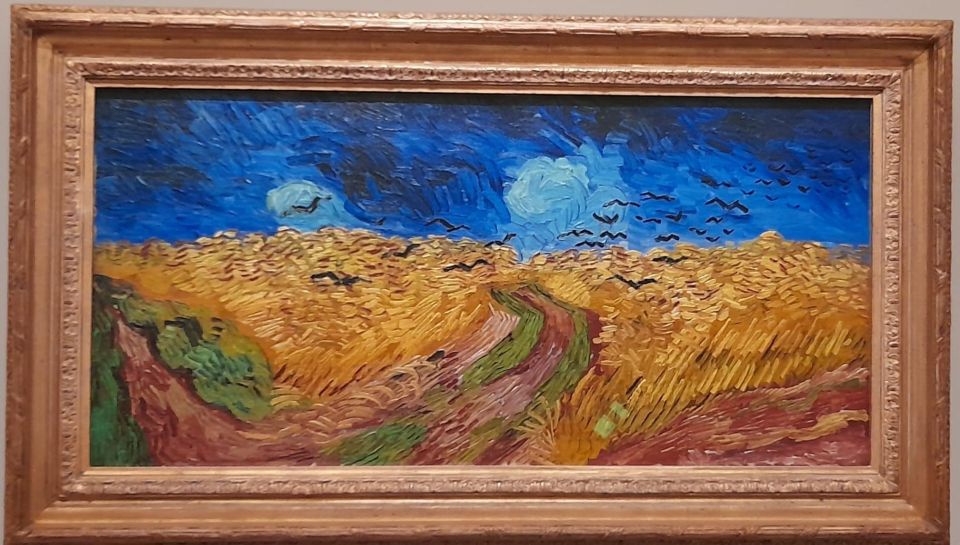
You will see work connected with Monet, Manet, Renoir, Cézanne, Van Gogh, Gauguin, and other major artists. The route also follows the change from Impressionism to Post-Impressionism, so you get more than a parade of famous names. You can see how artists handled modern city life, rural scenes, color, travel, and changing ideas about what a painting should do.
What the Orsay tour adds to the paintings
A guided museum visit is most useful when it supplies context that a label cannot. Here, the focus includes the scandals and social tensions of Paris after the Industrial Revolution. That helps connect the paintings to the city that produced them.
You might look at a quiet countryside scene and see only color and brushwork. The guide’s story can place it within a period of fast industrial change, shifting class life, and new ways of spending leisure time. You might see a painting from southern France and understand why the light, setting, and local life mattered to artists such as Cézanne and Van Gogh.
The route also reaches beyond France. Gauguin provides a link to the other side of the world, showing how artists looked outside Paris for new subjects and visual ideas. The point is not to turn every painting into a lecture. It is to give you enough background to look with greater purpose.
Because the tour is only 90 minutes, you should not expect a detailed discussion of every major room. I would treat it as a guided framework. Afterward, you have free time to continue exploring Musée d’Orsay on your own, which is important if one artist or period catches your attention.
Your break for lunch and the move to the Louvre
Lunch is not included. This is both a limitation and a useful part of the schedule. You are free to choose your own meal and set your own pace before meeting the Louvre guide.
The time between tours also gives you a chance to rest. Two museums in one day can be tiring, especially when you are standing for long periods. Eat something practical, check the afternoon meeting time with your guide, and allow enough time to reach the Louvre.
The Louvre meeting point is the Kiosque des Noctambules on Place Colette, near the museum. Your guide confirms the time for the afternoon tour in the morning. Do not assume the Louvre meeting time from the general schedule. Write it down when it is given to you.
This transfer is not a guided sightseeing segment. You make your own way from Orsay to the Louvre, and the tour information does not include transportation. Plan for that gap rather than treating the museum visits as one continuous guided walk.
Entering the Louvre through a highlights route
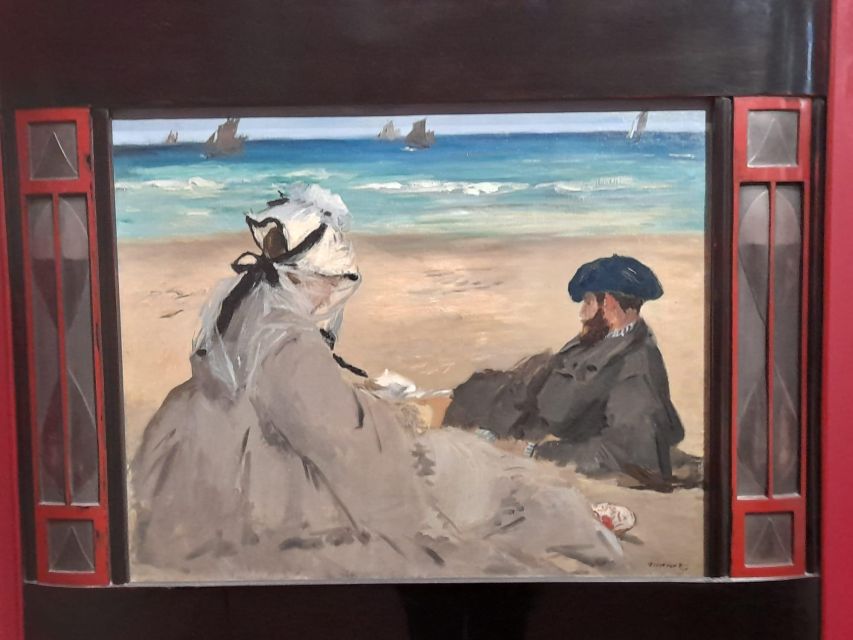
The Louvre portion lasts two hours. With reserved tickets and a separate entrance, you can avoid the standard ticket line, though you still pass through security. In the busy summer period, security can take up to 20 minutes.
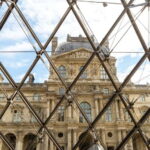
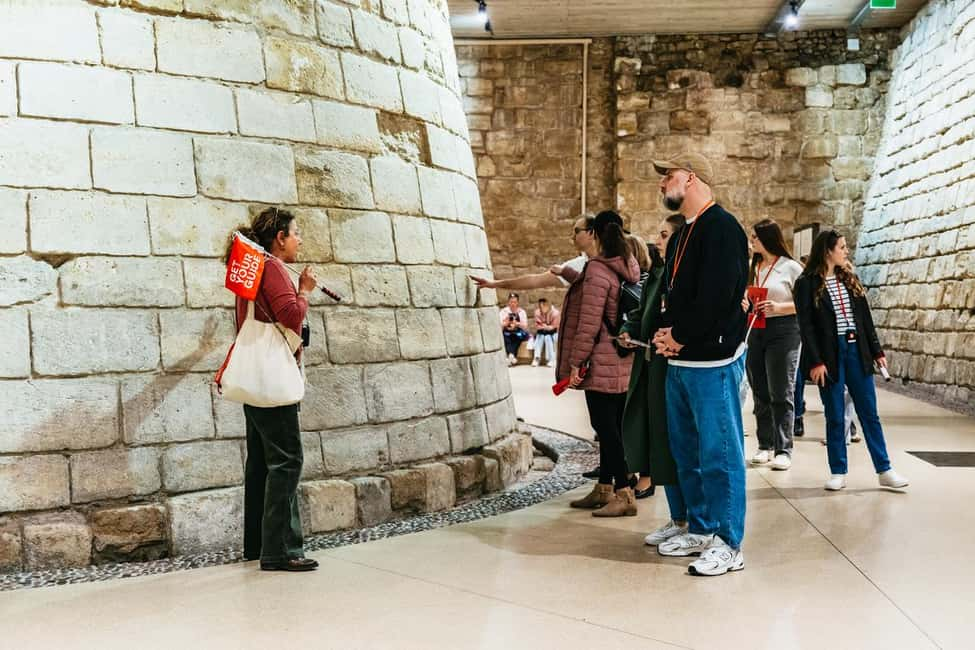
The former residence of the Kings of France is much more than a picture gallery. Its collections reach from ancient civilizations to the mid-19th century. The building itself also tells part of the story, and the tour includes a look at the foundations of the earlier castle beneath the Louvre Palace.
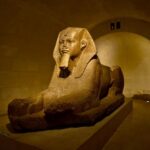
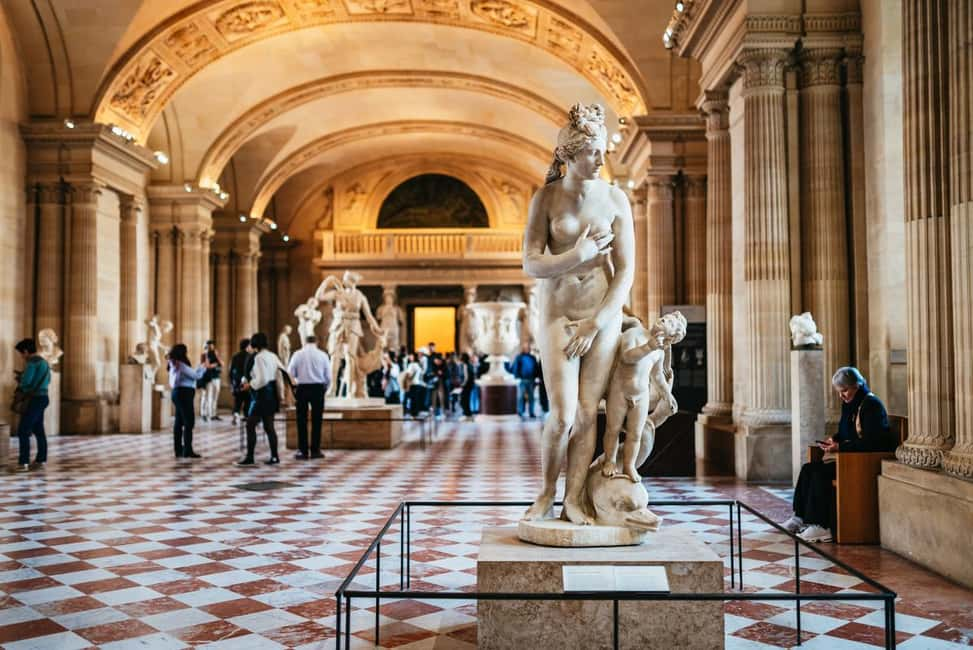
The highlights route focuses on works that have shaped the museum’s reputation. You will see the Venus de Milo, the Winged Victory of Samothrace, and Leonardo da Vinci’s Mona Lisa. You will also encounter Renaissance treasures, ancient Greek relics, paintings from the 13th to 19th centuries, and prints from the Royal Collection.
This selection gives you a useful spread across time and form. Sculpture appears beside painting. Ancient works sit within a former royal complex. The result is a quick lesson in how European collections were assembled and displayed over centuries.
The guide also points out lesser-known works. That matters because the Louvre’s best-known pieces can dominate your attention. A good tour should help you look beyond the three famous names, even if the famous names are the main reason many people book.
You can also read our reviews of more museum experiences in Paris




The Mona Lisa, Venus de Milo, and Winged Victory
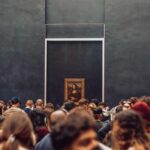
The Mona Lisa is likely to be the most crowded stop. Its fame grew further after the painting was stolen in 1911. The theft helped turn a respected Renaissance portrait into a worldwide cultural symbol.
Do not expect a quiet, private look. The tour gets you to the work, but the room can be busy, and your viewing time may feel brief. Listen closely to the guide before you reach the painting, then use your own time in front of it to notice the details that interest you.
The Venus de Milo offers a different kind of experience. This ancient sculpture inspired many artists and remains one of the Louvre’s most recognized works. Its missing arms have helped make it especially memorable, but the guide can place it within the tradition of Hellenistic sculpture.
The Winged Victory of Samothrace is another essential stop. Carved in the form of Nike, the Greek goddess of victory, it is displayed in a way that makes its movement and dramatic pose easy to appreciate. The statue’s position and scale make it a powerful contrast to the more intimate Mona Lisa.
These works are familiar from books and screens. Seeing them in their museum setting adds useful scale and detail, even if the crowds prevent a leisurely visit.
Why the guide and audio devices matter
The tour includes audio devices so you can hear the guide better. That is particularly useful in large galleries, where several groups may be moving at once and ordinary conversation can disappear into the room.
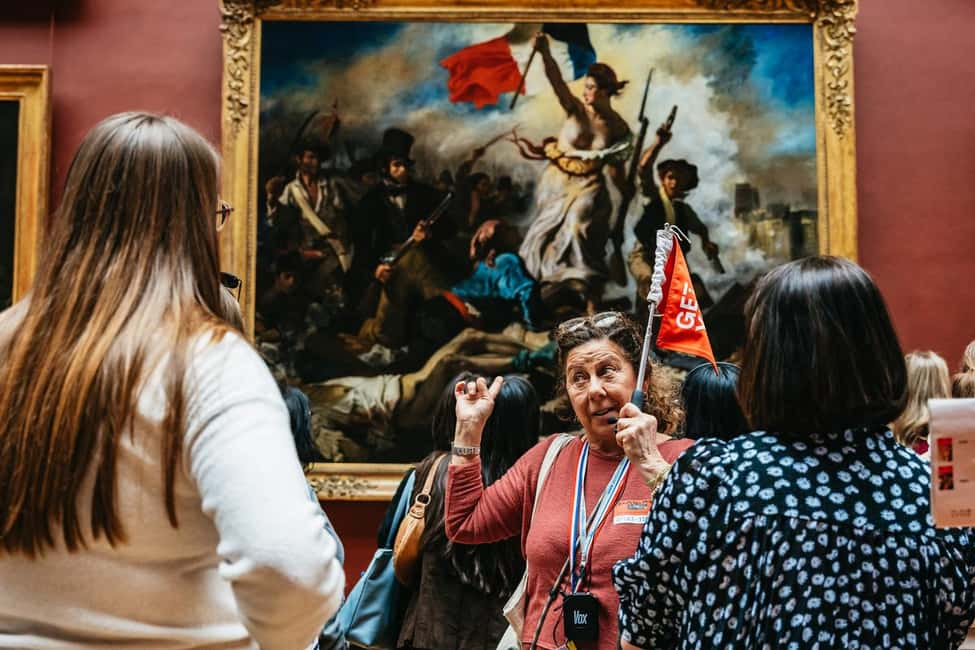
The guide’s role is not simply to lead you from one famous object to another. The stated focus includes the stories behind masterpieces, the history of the Louvre site, and works that deserve more attention. Those explanations can help you remember what you saw after the day is over.
The experience is offered in English. No other language is listed, so book it only if you are comfortable following an English-speaking guide for both museum visits.
There is no guide name provided for this experience. If a named guide matters to you, do not assume one in advance. The important practical detail is that you meet a live guide in the morning and again at the Louvre in the afternoon, with the second meeting time confirmed that day.
The pace, crowds, and physical demands
A three-and-a-half-hour guided schedule sounds manageable, but museums demand more energy than the clock suggests. You will stand, walk, pause in crowded rooms, and keep moving when the group changes galleries.
The tour is not suitable for wheelchair users or people with mobility impairments. Large bags and luggage are not allowed. Small bags and clothes can use the free cloakroom service, but you should arrive with as little as possible.
Selfie sticks are also prohibited. That rule is easy to follow and helps keep narrow museum spaces safer for everyone.
Summer brings heavier crowds. The separate entrance helps with ticket access, but it does not remove security screening or the general pressure of peak season. A wait of up to 20 minutes at security is possible, so avoid booking another tightly timed activity immediately afterward.
Late arrival is a serious problem. Because the tickets are bought as group bookings, individual tickets cannot be issued if you miss the group. Arrive early at both meeting points, and pay special attention to the Louvre time given by your guide.
Once you leave either museum, you cannot re-enter. Use your free time at Orsay before exiting, and do not step outside the Louvre expecting to return for one last room.
Is $157 a fair price?
At $157, this is a premium museum day. The value depends on how much structure you want.
You receive admission to both museums, reserved tickets, live English guidance, audio devices, and a planned route. Buying an organized experience also saves you from deciding which rooms to prioritize inside two very large institutions. For a first-time visitor with limited Paris time, that guidance has real value.
The price does not include lunch, transportation between the museums, temporary exhibitions, or a full-day guide from morning through afternoon. You also have free time between tours, so the experience is not a continuous escorted itinerary.
I would consider it fair for someone who wants the essential works explained and does not want to manage museum planning alone. I would hesitate if you are visiting Paris for several days and can give each museum its own relaxed visit. In that case, paying for a highlights tour at only one museum might suit you better.
The tour also works well for people who want a first look before returning independently. The Orsay free time lets you follow your own interests, while the Louvre route gives you a map of what to revisit later, if you have the chance.
Who should book this museum day?
I would recommend it to a first-time Paris visitor who wants both major museums in one organized plan. It is also useful for anyone who feels overwhelmed by the Louvre’s size or wants art explained in clear English.
It suits adults and children who can keep up with a museum walking tour. Children need their own purchased ticket, even if they are joining an adult booking.
I would not choose it for a visitor with mobility limitations, a person carrying luggage, or someone who wants a slow, highly personal visit. It is also a poor fit if temporary exhibitions are your main goal, since the tour does not provide access to them.
The experience has free cancellation up to 24 hours in advance and allows you to reserve while paying later. Those policies help if your Paris plans are still changing, but they do not solve the main logistical issue: you must be on time at both meeting points.
Should you book the Louvre and Orsay combo?
Book this tour if you want a clear introduction to two enormous museums, value a live English guide, and are happy with a brisk highlights route. The former railway station setting at Orsay, the famous Impressionist collection, and the Louvre’s major sculptures and paintings make a strong pairing.
Skip it if you prefer unhurried museum days, need wheelchair access, or want temporary exhibitions included. At $157, the tour earns its price through structure, explanation, and reserved entry, not through a long list of extras.
For most first visits, I like the plan. Just pack light, arrive early, confirm the afternoon meeting time, and save enough energy for the Louvre.
FAQ
How long does the combined tour last?
The guided tours total 3.5 hours: 1.5 hours at Musée d’Orsay and 2 hours at the Louvre. There is free time between the visits for lunch and making your way to the Louvre.
Which museum do you visit first?
You visit Musée d’Orsay in the morning and the Louvre in the afternoon.
What language is the tour offered in?
The live tour guide speaks English.
Where does the morning tour begin?
Meet your guide by the entrance of Musée d’Orsay, next to the horse statue.
Where does the Louvre tour begin?
Meet the afternoon guide at the Kiosque des Noctambules on Place Colette, near the Louvre Museum.
When will I know the Louvre meeting time?
Your guide confirms the Louvre meeting time in the morning.
Is lunch included?
No. Lunch is not included, and you have free time between the museum tours to arrange your own meal.
What famous works will I see at the Louvre?
The Louvre route includes the Mona Lisa, Venus de Milo, and Winged Victory of Samothrace. It also includes Renaissance art, ancient Greek relics, paintings from the 13th to 19th centuries, prints from the Royal Collection, and the foundations of the earlier castle beneath the Louvre Palace.
Can I visit temporary exhibitions with this tour?
No. The tour does not provide access to temporary exhibitions.
Can I bring luggage or a large bag?
No. Luggage and large bags are not allowed. Small bags and clothes can use the free cloakroom service. Selfie sticks are also not allowed.
What happens if I arrive late?
Because the tickets are group bookings, individual tickets cannot be issued if you miss the group. Arrive early at both meeting points.
Can I re-enter a museum after leaving?
No. Once you exit either museum, you cannot go back in.
Is the tour suitable for wheelchair users?
No. The experience is not suitable for wheelchair users or people with mobility impairments.
Can I cancel the booking?
Yes. You can cancel up to 24 hours in advance for a full refund. You can also reserve now and pay later.