REVIEW · PARIS
Paris: Graffiti on Canvas Workshop at an Art Studio
Book on GetYourGuide →Operated by Graffiti Paris · Bookable on GetYourGuide
A Paris graffiti class gives you something most sightseeing tours cannot: a hands-on souvenir made by you. At Graffiti Paris Atelier in the 14th arrondissement, a working street artist guides you from a rough idea to a painted canvas using stencils, lettering, brushwork, and spray paint.
I like the relaxed pace and the practical teaching. I also like that the artist prepares an individual model for each person, so you are not simply copying one fixed example. The main drawback is time: two hours can pass quickly, especially if you are sharing the session and still deciding on your design.
In This Review
- Key points
- Turning a Paris Afternoon Into Art
- Meeting a Working Street Artist
- The First Step Is Choosing a Simple Idea
- Learning Stencils, Lettering, Paint, and Spray
- Why the Two-Hour Format Matters
- Drinks and a Relaxed Studio Break
- What the $70 Price Includes
- Who Will Enjoy This Workshop Most
- Practical Ways to Get More From the Class
- Taking Your Canvas Home
- Should You Book Graffiti Paris?
- FAQ
- Where does the graffiti workshop take place?
- How long does the workshop last?
- What techniques will I learn?
- Can I take my artwork home?
- Are materials provided?
- Is the class offered in English?
- Is the workshop suitable for children?
Key points
- A real canvas to take home: You create and keep your own finished graffiti artwork.
- Several techniques in one class: Practice stenciling, lettering, painting, and spray painting.
- Personal design guidance: The street artist prepares an individual model based on the session theme.
- A useful preparation tip: Arrive with one simple word or idea, plus a rough sense of your preferred colors.
- A relaxed studio setting: Coffee, tea, water, and soft drinks are included while you work.
- Accessible, bilingual instruction: The class is offered in English and French and is wheelchair accessible.
Turning a Paris Afternoon Into Art
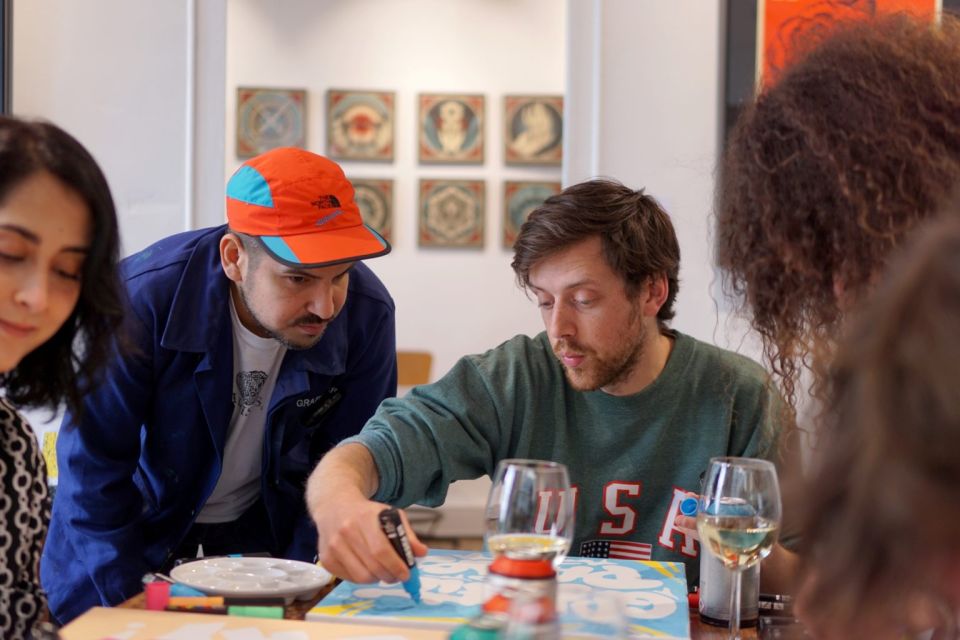
This workshop takes place at Graffiti Paris Atelier, a studio with a black storefront in Paris’s 14th arrondissement. You meet in front of the studio, then move inside for a two-hour creative session with a professional street artist.
I see this as a good choice when you want a break from museums, monuments, and walking. Paris can fill a day with visual beauty, but much of sightseeing is passive. Here, you use your hands, make decisions, and leave with a physical reminder of the afternoon.
The mood is meant to be relaxed rather than formal. You do not need to arrive as an artist. The class is built around guidance, experimentation, and a finished result that reflects your own idea.
The workshop is not designed for children under 10. Older children, teenagers, and adults can take part, but anyone booking for a young artist should keep the two-hour pace in mind.
A few more Paris tours and experiences worth a look



Meeting a Working Street Artist
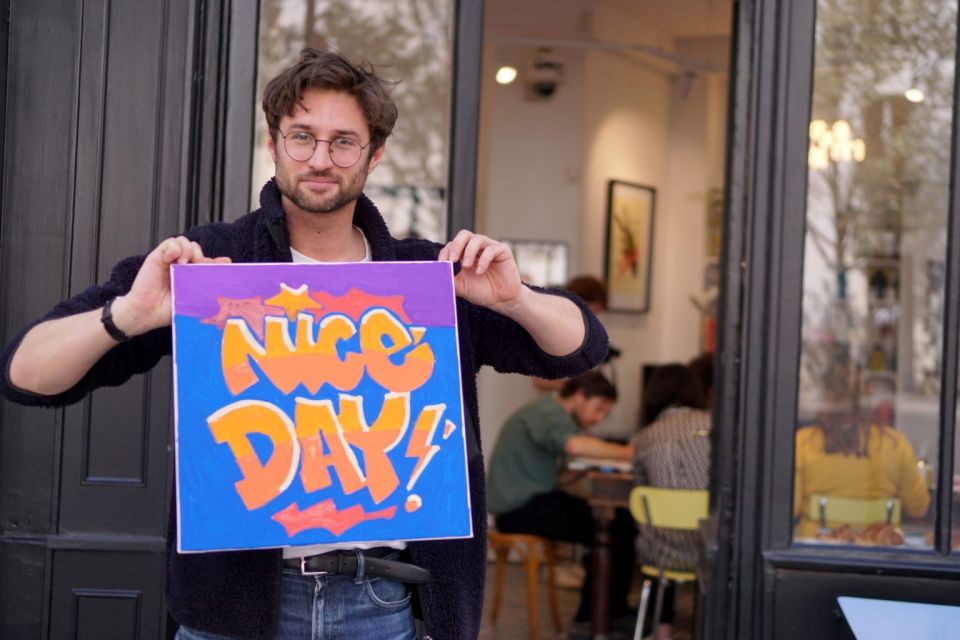
Your instructor is a real-life graffiti artist who teaches the approach and techniques used in street art. The supplied information does not name the individual artist, so you should not expect a particular instructor by name when booking.
That said, the important point is the type of instruction. You are not left alone with a can of spray paint and told to figure it out. The artist leads the process, explains how the techniques work, and helps you shape a design that can succeed on canvas.
Each person receives an individual model based on the theme of the session. This gives you a starting point without taking away your creative choices. If you are nervous about drawing freehand, that personal model should make the task feel more manageable.
I like this balance. You get professional direction, but the finished piece is still yours. The artist’s role is part teacher, part creative coach, and part troubleshooter when a design needs simplifying.
The First Step Is Choosing a Simple Idea
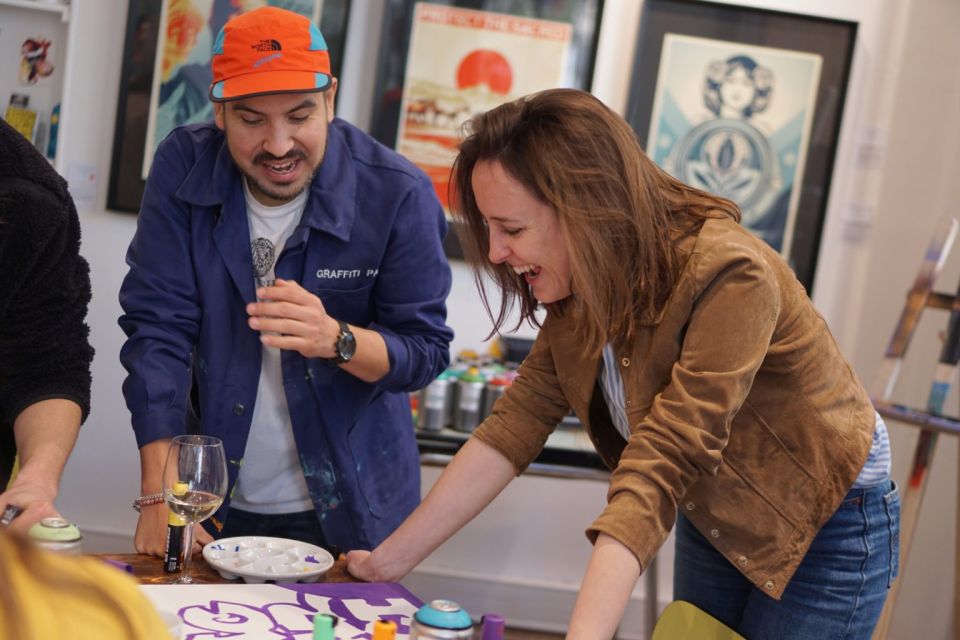
The class begins with a brainstorm. This sounds easy until you are asked to turn a vague thought into something that can work on a canvas in limited time.
One useful tip is to arrive with a basic idea already in mind. A single word is enough. You might also decide before class whether you prefer bold lettering, a simple symbol, or a design built around a few strong shapes.
You do not need a fully drawn plan. In fact, a complicated concept may create trouble. The session includes several techniques and a final spray-painting stage, so you want an idea that can develop without constant redesign.
Color choices matter too. Think about two or three colors before you arrive. This helps you move into the making stage faster and avoids spending half the session debating combinations.
The guidance is especially useful here. The artist prepares your individual model from the theme, then helps you turn that starting point into a workable composition. You can expect the early part of the class to involve planning rather than immediate spray painting.
That may disappoint anyone hoping to begin with an aerosol can. I think it is the right order. A little planning makes the final piece look more deliberate and gives you a better chance of taking home something you genuinely like.
Learning Stencils, Lettering, Paint, and Spray
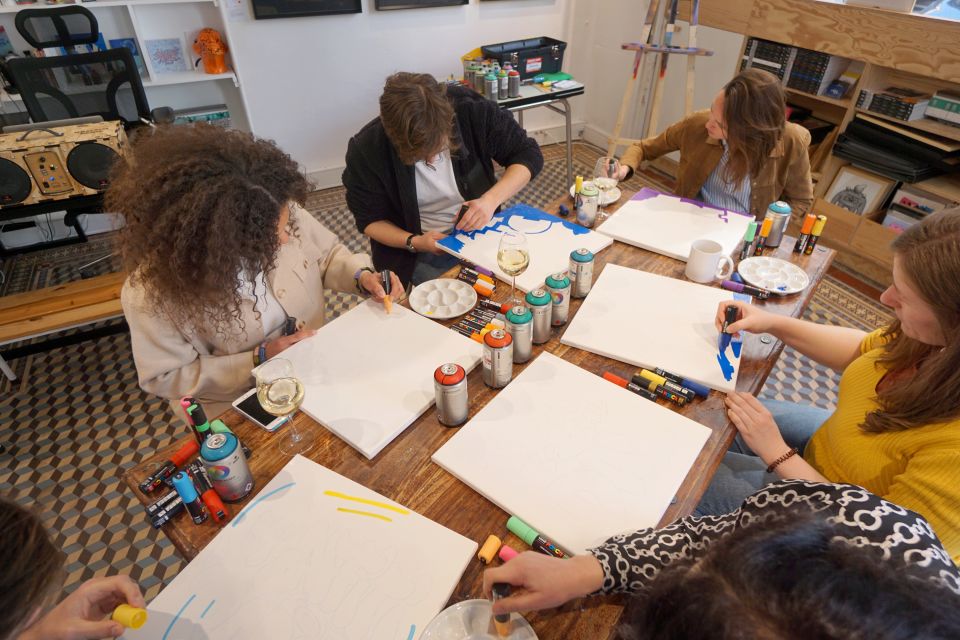
Once the basic idea is in place, the artist introduces several street art methods. These include stenciling, lettering, painting, and spray painting.
Stenciling gives you a way to create clean shapes and repeated forms. It is useful when you want a crisp image but do not have the confidence or time to draw every edge freehand.
Lettering brings the graffiti style into focus. Even a single word can become the center of your canvas, but the shape, size, and placement matter. The artist’s direction helps you make the letters feel like part of the design instead of simply writing a word across the surface.
Traditional painting adds another layer of control. You can use it to fill areas, adjust color, or add details before using spray paint. This mix of methods keeps the class from becoming a one-note lesson in aerosol technique.
Spray painting is the part many people picture first. It also requires the most care. The way you hold and move the can affects the line, coverage, and edges. Under instruction, you can use spray paint as a design tool rather than just covering the canvas in color.
The result is not a polished gallery commission. It is a personal, guided project made during a short workshop. That is part of the appeal. You learn enough to understand the process, then make a piece that records your own choices.
Why the Two-Hour Format Matters
Two hours is long enough to move through planning and several techniques, but it is not unlimited studio time. If you are attending with other people, the clock can feel even faster because everyone may need guidance at different points.
I recommend arriving ready to decide. Bring a simple concept, choose a small group of colors, and be willing to accept a clear design rather than chasing a complicated one. A focused idea is more likely to reach a satisfying finish.
The instruction is described as direct and results-focused. That can be helpful if you want to go home with a canvas you like. It also means the session may not suit someone looking for a completely unstructured art class with no time pressure.
The pace gives the activity a useful shape. You brainstorm, learn the methods, build the design, and apply the final spray elements. You are not spending an entire day on one painting, which makes the class easy to fit into a Paris itinerary.
Still, plan your expectations sensibly. Your canvas will show your personality and the techniques you learned, but you will not become a seasoned graffiti artist in one afternoon. The value is in trying the process with guidance and taking home the result.





Drinks and a Relaxed Studio Break
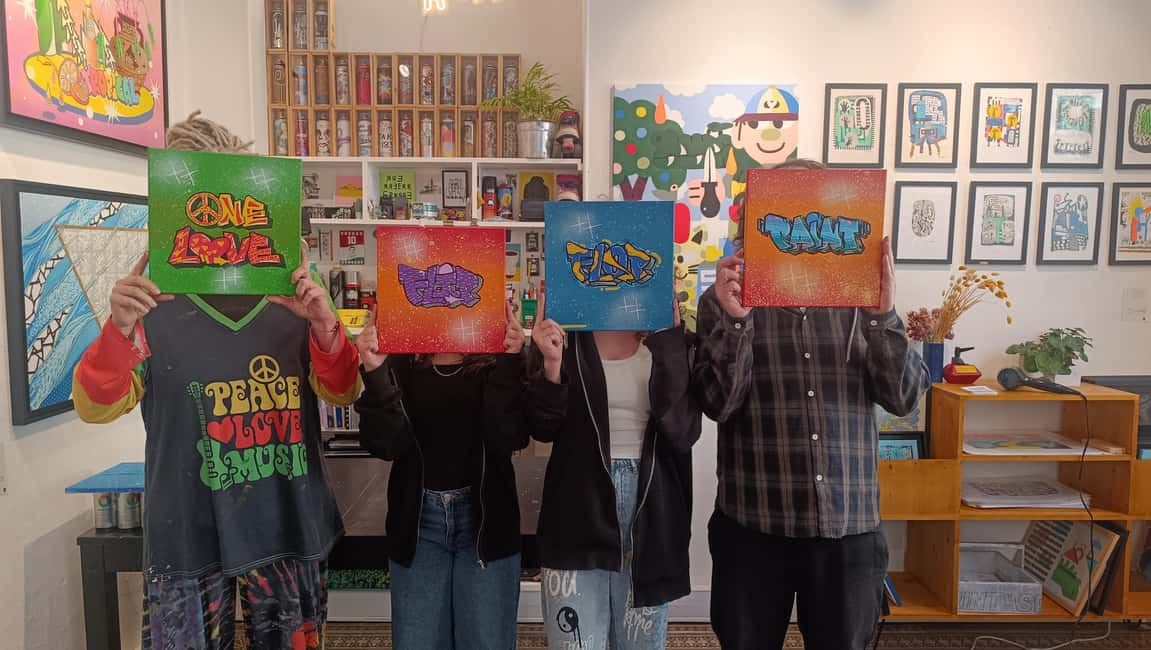
Coffee, tea, water, and soft drinks are included. This is a small detail, but it helps set the tone. You can pause, think through your design, and talk with the instructor without needing to leave the studio for refreshments.
I would treat the drinks as a comfort rather than a major part of the value. The main purchase is the instruction, materials, and chance to produce your own canvas.
The studio setting also gives the class a social side. The available feedback describes it as friendly and playful, with a good playlist and an artist who gives clear direction. Those details suggest a casual environment rather than a stiff art-school lesson.
That atmosphere matters if you are booking with a friend, partner, or family member over age 10. You can work on separate designs while sharing the same activity, which is more engaging than simply sitting beside each other at a café.
What the $70 Price Includes
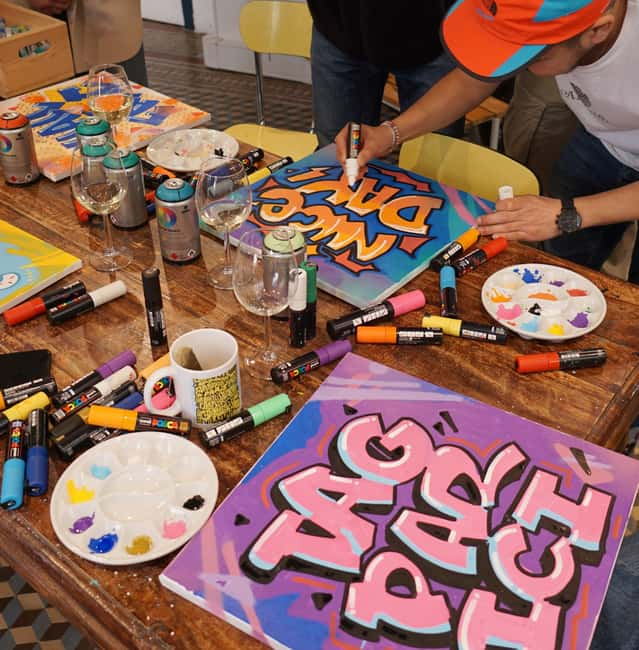
The cost is $70 per person. For that price, you receive a two-hour workshop, a street artist instructor, all materials, and coffee, tea, and water. Your completed canvas is yours to take home.
I consider the price reasonable for a short creative activity in Paris, especially because materials and instruction are included. You are not paying an entry fee for a demonstration. You are paying for time at the worktable and a finished object that does not come from a souvenir shop.
The value depends on how much you want from the class. If you only want a cheap Paris keepsake, a postcard or print will cost less. If you want an activity that gives you a story to tell and something you made yourself, the price makes more sense.
There is no hotel pickup or drop-off. You need to make your own way to the studio in the 14th arrondissement, so include local transport and arrival time in your budget. The meeting point is in front of the black storefront of Graffiti Paris Atelier.
I also like the reserve-now, pay-later option. It lets you hold a place without paying immediately, which can help when your Paris schedule is still taking shape. Free cancellation is available up to 24 hours before the activity for a full refund.
Who Will Enjoy This Workshop Most
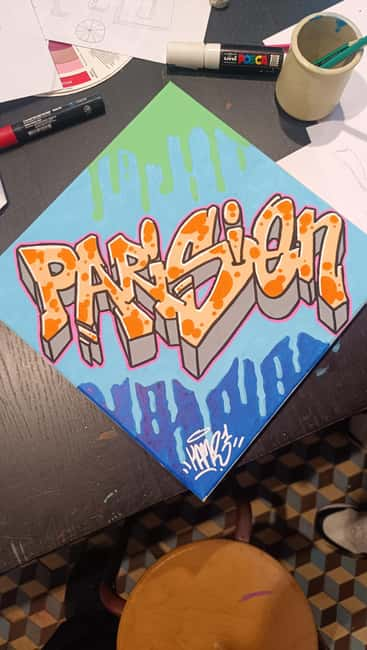
I would choose this class for anyone who likes making things, even if drawing is not a regular hobby. The step-by-step approach gives you a way into graffiti without requiring professional skills.
It is also a good match for couples and friends who want a shared activity with individual results. You can compare designs at the end, but each person works from a separate model and makes personal choices.
Families can consider it for children age 10 and older. Check the pace and your child’s interest before booking. The session moves through several stages, and a child who wants instant spray-paint action may need help staying patient during the planning and instruction.
The class suits an English-speaking visitor because English instruction is available. French instruction is also offered. Since the workshop is wheelchair accessible, it may work well for visitors who need an accessible activity, though you should still confirm any specific requirements when booking.
I would hesitate to recommend it to someone who wants a quiet, solitary art session. You receive active instruction and work around the timing of the group. The atmosphere is relaxed, but the process is social and guided.
Practical Ways to Get More From the Class
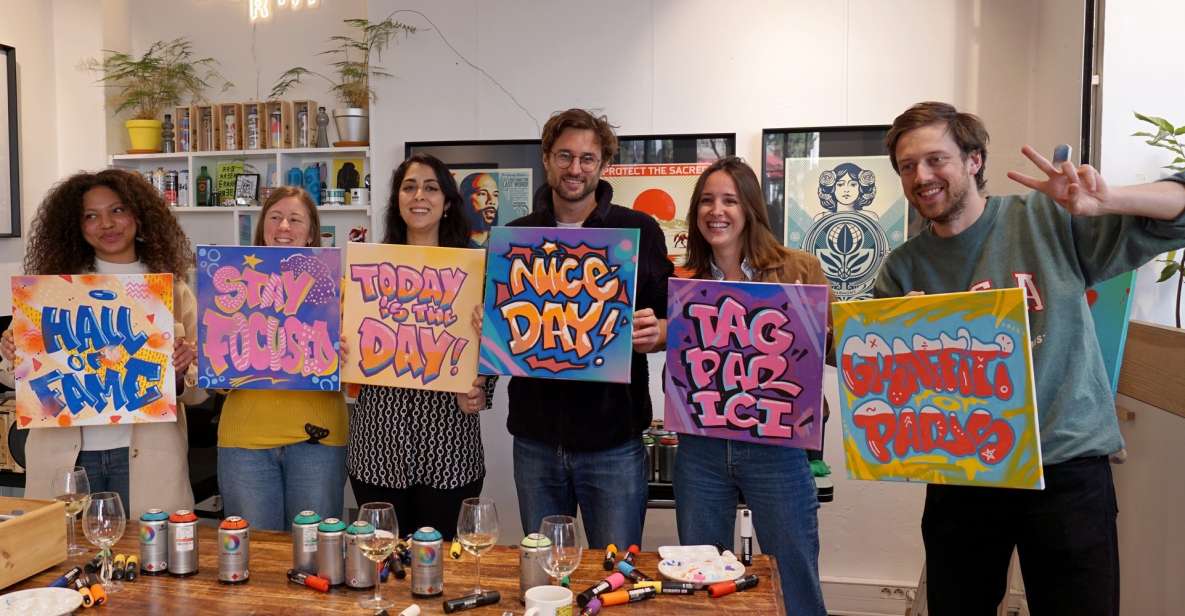
Before you go, prepare one simple idea. A word, symbol, or basic theme is enough. You can also think about the colors you want, since choosing them in advance saves precious minutes.
Wear something suitable for a hands-on art activity. The provided information does not specify protective clothing or a dress code, so use ordinary caution and avoid bringing an outfit you would be upset to stain.
Allow enough time to find the black storefront and meet in front of Graffiti Paris Atelier. You do not want to arrive flustered and lose part of a two-hour class.
During the workshop, listen closely when the artist explains the techniques. Small changes in how you use a stencil, brush, or spray can affect the final look. The instructor’s direct guidance is one of the main reasons to book this instead of trying a random graffiti project on your own.
Try not to compare your canvas with someone else’s while you are still working. The point is not to produce identical pieces. A simple design that you finish well will usually be more rewarding than an ambitious idea left half done.
Taking Your Canvas Home
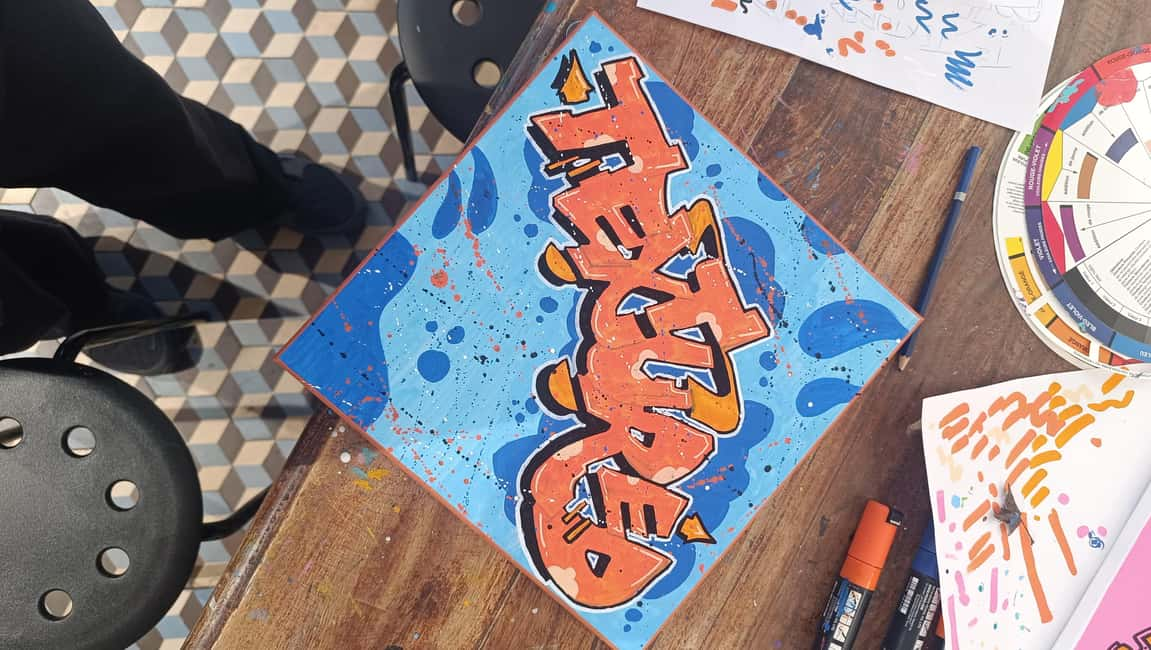
The final reward is practical: you take your canvas with you. Unlike a standard Paris souvenir, it carries the marks of your own decisions, from the first brainstorm to the last spray-painted detail.
Think about transport before class. The activity information confirms that you can take the finished canvas home, but it does not give its dimensions or provide special packaging details. If you are traveling with only a small bag, you may want to ask the provider about the canvas size before booking.
The finished piece can also become part of your trip story. You will remember the word or theme you chose, the colors you changed, and the moment the separate techniques came together. That personal link is what gives the workshop more value than a quick craft stop.
Do not expect museum-grade work from a two-hour class. Expect a guided piece that shows what you learned and reflects your taste. If you keep the design simple, you give yourself the best chance of bringing home a canvas you are happy to display.
Should You Book Graffiti Paris?
You should book this workshop if you want a creative break from sightseeing, like the idea of learning from a working street artist, and value a souvenir you make yourself. The $70 price covers instruction, materials, drinks, and the finished canvas, so the cost is easier to justify than a class where you must buy supplies separately.
Book with a simple design in mind. That one step will help you use the two hours well. I would choose it for couples, friends, creative families with children over 10, and solo visitors who enjoy guided activities.
Skip it if you want a fully free-form art session, dislike making quick design decisions, or are looking only for the lowest-cost souvenir. For everyone else, this is a lively, practical way to see another side of Paris and leave with something personal in your hands.
FAQ
Where does the graffiti workshop take place?
It takes place at Graffiti Paris Atelier in Paris’s 14th arrondissement. Meet in front of the studio, which has a black storefront.
How long does the workshop last?
The workshop lasts two hours. Starting times depend on availability.
What techniques will I learn?
You will learn street art techniques including stenciling, lettering, painting, and spray painting.
Can I take my artwork home?
Yes. You create a canvas during the session and take the finished work home as a souvenir.
Are materials provided?
Yes. All workshop materials are included in the price.
Is the class offered in English?
Yes. Instruction is available in English and French.
Is the workshop suitable for children?
The workshop is not suitable for children under 10. It is wheelchair accessible.