REVIEW · STRASBOURG
Guided Tours of Strasbourg Cathedral
Book on Viator →Operated by MY CATHEDRALE · Bookable on Viator
Strasbourg Cathedral reveals its best details slowly. A guide points out the angel pillar, the astronomical clock, the pulpit, and the often-missed sculpture on the facade, then connects them to the building’s long, complicated past.
I like the way this tour covers both the exterior and interior, and I like that it remains a private activity even when only two people book. The main caution is the language pace: one visitor found the guide’s French-accented English too fast to follow, and entrance can involve a queue.
- Ninety minutes inside and outside: You see the cathedral’s key spaces, then study its sculpture and facade details.
- The astronomical clock explained: Time is set aside to show how this intricate feature works.
- A private group experience: Your party takes part, with the tour still operating for very small groups.
- Accredited local guidance: Guides such as Steve bring anecdotes, historical context, and answers to questions.
- Christmas market delays: Cathedral entry can take 10 to 20 minutes longer than usual during this busy period.
- Useful central meeting point: Meet at 3 Place du Château, near public transportation, and finish there.
In This Review
- Why Strasbourg Cathedral Rewards a Guided Visit
- Meeting at 3 Place du Château
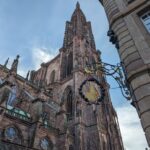
- Reading the Cathedral from the Outside
- Inside the Nave and Chancel
- The Angel Pillar and Astronomical Clock
- The Pulpit, Windows, and War Damage
- How the Guides Shape the Experience
- Does the $30.83 Price Make Sense?
- Who Should Book This Cathedral Tour?
- Cancellation and Planning Details
- Should You Book Guided Tours of Strasbourg Cathedral?
- FAQ
- Where does the Strasbourg Cathedral tour start?
- Where does the tour end?
- How long does the guided cathedral visit last?
- What parts of Strasbourg Cathedral are included?
- Is the astronomical clock part of the tour?
- Is this a private tour?
- Is the tour available for very small groups?
- Can the cathedral entrance take longer during the Christmas market?
- Can I cancel for a full refund?
Why Strasbourg Cathedral Rewards a Guided Visit
Strasbourg’s Notre Dame Cathedral is not a monument you simply glance at and finish. It has been a major part of the city since 1439, and its design reflects changing periods of construction, shifting national identities in the region, religious purpose, craftsmanship, and damage caused by war.
You can enter on your own and admire the scale. The trouble is knowing where to look. A guide gives your eyes a job: follow the details of the nave, compare the interior spaces, notice the angel pillar, and examine the exterior sculpture as more than decoration.
That is the main value here. You are not only walking through an impressive church. You are learning how the building developed over time and why particular features matter.
The visit lasts about 1 hour and 30 minutes. That is long enough for a serious introduction without turning into an all-day history lesson. If you have limited time in Strasbourg, this format gives you a focused look at the cathedral and leaves the rest of your day free.
Meeting at 3 Place du Château
The tour begins at 3 Place du Château, in front of the cathedral area. The location is near public transportation, so you do not need to build a complicated transfer into your plans.
Your guide welcomes you at the meeting point before leading the external and internal visit. The activity returns to this same meeting point at the end, which keeps the logistics simple.
The experience is described as private, meaning only your group participates. That matters more than it may sound. A small party makes it easier to ask questions, hear explanations, and pause when something catches your attention.
One especially useful detail is that the tour goes ahead even when only two people book. You are not relying on a large group forming before the visit takes place.
Arrive ready to begin at the stated time. During the Christmas market, allow an extra 10 to 20 minutes for entry. The cathedral can be much slower to access at that time, so do not schedule a tight restaurant booking or train departure immediately afterward.
You can also read our reviews of more guided tours in Strasbourg



Reading the Cathedral from the Outside
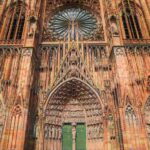
The exterior portion gives you a different way to approach Notre Dame. Instead of rushing through the doors, you first look at the facade, its sculptures, and the peculiar features of the monument’s design.
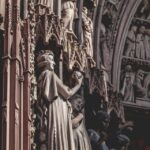
This is where a guide can make a real difference. Stone figures and decorative elements are easy to treat as one large mass of Gothic ornament. A trained guide can direct you toward details that would otherwise blur together and explain how the facade communicates the cathedral’s importance.
The exterior also introduces the cathedral as a symbol of Strasbourg’s power and glory. That does not mean the visit is only about grand claims. It means the building’s size, decoration, and public position are part of the story you are hearing.
You will also discuss the cathedral’s construction over several centuries. That long building process helps explain why the structure contains different layers of style and purpose. Instead of seeing an old building as one finished object, you begin to see a project shaped by time.
The exterior visit is a good reason to choose this tour instead of an interior-only audio guide. You get an explanation of the building before entering it, which gives the inside portion more context.
Inside the Nave and Chancel
Once inside, the route includes the nave, chancel, and south transept. These spaces give you the basic structure of the cathedral and show how people move through its interior.
The nave is the long central area of the church. Here you will discuss the pulpit and the cathedral’s interior design, while also learning about the effects of wars and the damage the building has suffered.
The chancel takes you farther into the religious heart of the building. The south transept then brings you to two of the most important features on the tour: the angel pillar and the astronomical clock.
The guide’s role is not just to name each place. The better part of the visit comes from connecting the parts. You learn how the building’s spaces function, how decoration supports meaning, and how later damage affected what you see today.
The tour also covers the history of the cathedral’s windows, described in the visit details as part of the discussion of its interior treasures. Since the cathedral contains a great deal to inspect, keep your attention moving between the large structure and small details.
This is a good pace for someone who wants explanation but still wants time to look. The visit is structured and clear, with room for questions and anecdotes rather than a nonstop list of dates.
The Angel Pillar and Astronomical Clock
The angel pillar is one of the interior highlights. It is a feature you could pass without understanding its purpose or details, especially if the cathedral is crowded or your attention is fixed on the larger architecture.
Your guide explains what makes it important and places it within the cathedral’s wider design. This is the sort of stop that shows why a guided visit can be useful: the object is already in front of you, but the story gives it weight.
The astronomical clock receives special attention. You have time to view it and hear an explanation of its intricate workings. The clock is not treated as a quick photo stop. The guide spends enough time to make its mechanisms easier to understand.
That pause is one of the strongest parts of the 90-minute plan. Complex objects need a little patience, and the clock can be difficult to appreciate if you only walk past it.
If clocks, engineering, or historic craftsmanship interest you, this section may be the reason to book. If you prefer to move at your own speed and spend a long time studying one feature, a self-guided visit could suit you better. The guided format gives you a clear explanation, but it also follows a set route and schedule.
The Pulpit, Windows, and War Damage
The pulpit of the nave is another featured stop. You will hear about its place inside the cathedral and see how an object designed for religious use also contributes to the interior’s visual character.
The discussion of the windows adds another layer. The cathedral is not only stone and height. Its interior treasures include details that reward close attention, and the guide helps you notice how these elements fit into the larger space.
War damage is also part of the story. Strasbourg’s history includes changes in nationality and periods of conflict, and the cathedral has not escaped those events. The visit addresses the damage caused by wars rather than presenting the building as untouched by time.
I find that approach useful. A monument can be beautiful without being frozen in the past. Learning what has changed, what was damaged, and how the cathedral survived gives you a more honest view of the building.
The tour also connects the cathedral to the changing national identities of the region. That context is important in Strasbourg, where history cannot be separated neatly into one national story.


How the Guides Shape the Experience
The provider uses approved or accredited speaker guides, and Steve is one of the named guides associated with the experience. His approach is described as interactive, with plenty of anecdotes and answers to questions.
That style suits this cathedral. A lecture delivered without pauses can make even a striking building feel distant. An interactive guide gives you a chance to ask about a detail, clarify a date, or follow up on something you have noticed.
French-language feedback about Steve highlights his expertise, kindness, and enthusiasm. English-language feedback also praises the explanation of both the outside and inside. One visitor specifically found the guide exceptional when explaining the clock.
Still, you should consider language comfort before booking. One English-speaking visitor found the guide personable but spoke too quickly and with a strong French accent, which made parts of the tour hard to understand. The operator states that its qualified guides meet the C1 level on the European language standard, but accents and speaking speed can still affect how easily you follow the tour.
If you are concerned, contact the provider before booking to confirm the language and ask the guide to slow down when needed. A private group gives you a better chance to do that than a large shared tour.
Does the $30.83 Price Make Sense?
At about $30.83 per person, this is not the cheapest way to enter a cathedral. Its value depends on how much explanation you want and how well you use the 90 minutes.
You are paying for an accredited guide, an exterior and interior route, and a private group rather than simply buying admission. The tour covers several major features, including the angel pillar, astronomical clock, pulpit, nave, chancel, south transept, and facade sculpture.
That makes the price reasonable for visitors who would otherwise miss the meaning behind those details. The guide can also answer questions, adjust the conversation for a small party, and connect the cathedral to Strasbourg’s political and religious past.
The calculation changes if you prefer to read at your own pace or already know Gothic architecture well. One visitor felt a self-guided audio visit would have been better after waiting in line. You should also remember that the price does not guarantee immediate entry. Cathedral access is free of a skip-the-line system in France, according to the provider’s response, and a queue may take about 20 minutes in some cases.
During the Christmas market, the possible wait rises to 10 to 20 minutes longer than usual. In practical terms, the experience offers good value for guided interpretation, not guaranteed fast entry.
Who Should Book This Cathedral Tour?
I would point this tour toward first-time visitors who want a clear introduction to Strasbourg Cathedral. It also suits anyone who enjoys architecture, clocks, sculpture, religious art, and the way buildings reflect political change.
The private format is useful for couples, families, or a small group with its own questions. Parents may appreciate the anecdotes and interactive approach, though the supplied information does not specify a children’s program or special family commentary.
You should also consider it if you want both the outside and inside. Many quick cathedral visits focus on the nave and leave the facade unexplained. This route gives you a fuller picture in a manageable block of time.
A self-guided visit may be better if you want complete control of your pace, are highly sensitive to accents, or dislike waiting before entering. The clock and sculpture are still there, but you will need to find and interpret the details yourself.
Confirmation arrives at booking, and most people can participate. The activity is near public transportation, but no separate accessibility details are provided, so contact the provider if you have specific mobility needs.
Cancellation and Planning Details
Free cancellation is available up to 24 hours before the start time for a full refund. Changes or cancellations made less than 24 hours before the experience are not accepted for a refund, and cut-off times follow Strasbourg’s local time.
The average booking lead time is about 14 days. That gives you a useful planning guide, especially if your visit falls during the Christmas market or another busy period.
Bring your booking confirmation on your phone, since the experience uses a mobile ticket. Keep your schedule flexible after the tour because entry delays may affect the finish time.
Should You Book Guided Tours of Strasbourg Cathedral?
Book it if you want the cathedral explained rather than simply seen. The strongest reasons are the outside-and-inside route, the focused explanation of the astronomical clock, and the chance to ask questions in a private group.
I would be more cautious if you expect instant entry or need very easy-to-follow English without an accent. The possible queue and one report of fast speech are real considerations.
For most first visits, $30.83 is a fair price for 90 minutes of focused guidance through Strasbourg’s most important monument. Choose it for context, detail, and a human guide. Choose a self-guided option if independence and flexible timing matter more than interpretation.
FAQ
Where does the Strasbourg Cathedral tour start?
The tour starts at 3 Place du Château, 67000 Strasbourg, France.
Where does the tour end?
The activity ends back at the meeting point.
How long does the guided cathedral visit last?
The visit lasts approximately 1 hour and 30 minutes.
What parts of Strasbourg Cathedral are included?
The visit includes the exterior and interior, including the facade sculptures, nave, chancel, south transept, angel pillar, astronomical clock, pulpit, and discussion of the cathedral’s windows and war damage.
Is the astronomical clock part of the tour?
Yes. The guide allows time to view the astronomical clock and explains its intricate workings.
Is this a private tour?
Yes. Only your group participates in the activity.
Is the tour available for very small groups?
Yes. The tour can take place even when only two people book.
Can the cathedral entrance take longer during the Christmas market?
Yes. During the Christmas market, the waiting time for entry can be 10 to 20 minutes longer than usual.
Can I cancel for a full refund?
Yes. You can cancel at least 24 hours before the experience start time for a full refund. Cancellations or changes made less than 24 hours before the start time are not accepted for a refund.