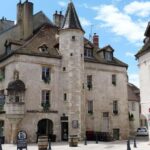
REVIEW · BEAUNE
Clos Marey Monge Tasting
Book on Viator →Operated by VIVANT WINES · Bookable on Viator
Six pours, one hour, and a lot to learn. This Clos Marey-Monge tasting in Pommard is interesting because it turns Burgundy talk into something you can taste, especially through how Pinot Noir changes by plot and year. I like the small-group setup (max six) and the clear, pro-level guidance from Flavian, the kind of host who can make the science of wine feel normal. The only real drawback is that the cellars are closed during renovation, so you won’t get the full estate-tour experience.
Expect an expert-led tasting run in English, about one hour total, with three different start times throughout the day. You meet at 15 Rue Marey Monge, then the experience ends right back where you started, which is handy when you’re building a busy Beaune day.
If you’re trying to understand Burgundy without drowning in jargon, this works well. You’ll compare expressions of Clos Marey-Monge Pinot Noir from Château de Pommard, then connect those differences to vintage, terroir, climat, and biodynamic winemaking choices.
In This Review
- Key Points at a Glance
- Clos Marey-Monge Tasting: What You’re Really Buying
- Price and Value for a Six-Wine Flight
- Meeting at 15 Rue Marey Monge in Pommard: How It Works
- Your One-Hour Plan: What Happens During the Tasting
- 1) Welcome and setup
- 2) The six-wine tasting flight
- 3) Vintage effect and weather’s role
- 4) Terroir and climat: learning the Burgundy language
- 5) Biodynamic winemaking and taste impact
- 6) Wrap-up and end back at the meeting point
- What I Think You’ll Learn: Vintage, Terroir, and Plot Identity
- Vintage effect: the year’s personality
- Terroir and climat: the vineyard’s signature
- Plot identity inside Clos Marey-Monge
- Biodynamic Winemaking: Useful, Not Just Theoretical
- The Pinot Noir Comparisons: What to Pay Attention To
- Cellars Closed During Renovation: The One Trade-Off
- Best For Who: Choosing This Tasting Over a Bigger Day
- Should You Book the Clos Marey Monge Tasting?
- FAQ
- FAQ
- How many wines do you taste on the Clos Marey Monge Tasting?
- Does the tour include Pinot Noir tastings?
- How long is the tasting?
- Is the experience offered in English?
- What is the group size?
- Where do I meet for the experience?
- Is the cellar visit included?
- What time options are available?
- Is wine tasting included in the price?
- Can I cancel for free?
- Are service animals allowed?
- Can most travelers participate?
Key Points at a Glance

- Six wines in a tight flight focused on Clos Marey-Monge, with Pinot Noir at the center
- Small group (up to six) so questions and comparisons don’t get lost
- Vintage + terroir + climat explained in a way that maps onto what’s in your glass
- Biodynamic techniques tied directly to taste, not just winemaking theory
- English-led experience with flexible timing across the day
- Cellars not visitable right now because of renovation, so plan for tasting over wandering
Clos Marey-Monge Tasting: What You’re Really Buying
This tour is a guided tasting first. Everything is designed around one goal: help you notice how Burgundy varies when the grape is the same and the conditions aren’t.
You start by getting oriented to what you’re tasting: Clos Marey-Monge’s iconic grape is Pinot Noir. From there, the focus shifts to why the wines differ even when you’re staying within the same overall brand and vineyard area. The big themes are vintage effect, terroir and climat, and the influence of biodynamic practices.
If you want a tour where the wine is the main event (and the guide keeps it moving), this fits. If you’re hoping for a long stroll through the property or a dramatic cellar walk, keep reading—because right now, renovation limits what’s available.
You can also read our reviews of more food & drink experiences in Beaune

Price and Value for a Six-Wine Flight

At $49.37 per person for about an hour, you’re paying for three things: the guide’s time, the structure of tasting side-by-side, and access to an expert who can translate the concepts into plain language.
The “six wines” part matters. When you taste multiple wines in one session, you’re not trying to remember what was different an hour earlier. You can compare as you go, which is exactly how you learn why the same grape can taste meaningfully different.
Also, the group size (maximum six) helps the value. You’re less likely to sit in the back and just get general info. With a smaller group, it’s easier to ask questions and hear specific answers.
Meeting at 15 Rue Marey Monge in Pommard: How It Works

You meet at 15 Rue Marey Monge, 21630 Pommard, France. The experience also ends back at that same point, so you don’t need to figure out transport or a second meeting.
There are three different tour times during the day. That’s useful in Beaune, where your schedule can get messy fast—between tastings, meals, and the ever-present temptation to “just stop for one more thing.”
This is offered in English, and confirmation is provided at booking. Service animals are allowed, and most travelers can participate, so it’s a straightforward option if you’re not looking for anything physically demanding.
Your One-Hour Plan: What Happens During the Tasting
Even though there’s no long multi-stop itinerary, the hour is built like a guided tasting lesson. Here’s the flow you can expect.
1) Welcome and setup
You’ll start by settling into the tasting format. The guide frames what you’re about to taste, then points you toward the key angles to pay attention to: vintage differences, plot identity within Clos Marey-Monge, and how Pinot Noir expressions compare.
Because the group is small, this is also when it’s easiest to ask quick questions that help you taste better. Not everyone needs the same level of background, so good guidance here pays off later.
2) The six-wine tasting flight
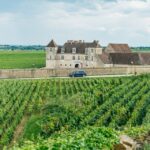
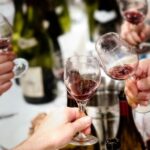
You taste six wines from Château de Pommard Clos Marey-Monge, with Pinot Noir as the anchor. The tasting is structured so you can notice the unique identity of each plot within Clos Marey-Monge.
A practical tip: slow down. In a one-hour format, you don’t have time to “wine shop” in your head. Instead, focus on a few consistent comparison points as you go (for example: how the wine tastes right away, how it finishes, and how the character shifts between pours).
3) Vintage effect and weather’s role
Midway through, the guide connects what you’re tasting to the vintage. The premise is simple: weather each year gives each cuvée its own character.
This is one of the most useful parts of the experience. Plenty of tastings give you a flavor description. This one aims to explain the why, so you’re not just collecting notes—you’re building understanding you can reuse later in Burgundy.
4) Terroir and climat: learning the Burgundy language
You’ll get the Burgundian concept of terroir and climat explained. The goal isn’t to recite definitions; it’s to help you see how the vineyard’s identity shows up in the glass.
In practice, this helps you taste the “plot to plot” differences that can otherwise feel like subtle paperwork. With a guided comparison, the differences become easier to catch.
5) Biodynamic winemaking and taste impact
You also learn about biodynamic winemaking techniques and how they affect wine’s taste. This part can be hit-or-miss in wine tourism, depending on the guide.
Here, the promise is that you connect the technique to flavor. That’s what makes it feel more grounded than a general lecture.
6) Wrap-up and end back at the meeting point
The session ends back at the meeting point at 15 Rue Marey Monge. That clean finish is great for planning dinner or the next stop without stressing about timing.
What I Think You’ll Learn: Vintage, Terroir, and Plot Identity
This is where the experience earns its keep. Burgundy has a reputation for sounding complicated. But Clos Marey-Monge is a good training ground because it stays focused: you’re mostly comparing Pinot Noir within a defined frame.
Vintage effect: the year’s personality
You’ll specifically look at how the vintage changes the wines. The tour approach emphasizes the weather’s influence on each cuvée. That gives you a mental model: when someone tells you a vintage is different, they’re not only talking about marketing. They’re talking about real shifts you can taste.
Terroir and climat: the vineyard’s signature
When you hear terroir and climat, it can feel like fancy terms. In this format, those concepts become a tasting strategy. You’re guided to match what you notice in the glass to what the vineyard location and parcel identity means.
Plot identity inside Clos Marey-Monge
The tasting includes learning the unique identity of each plot of Clos Marey-Monge. That’s the kind of detail that makes you better at Burgundy. Instead of treating wines as one big category, you start sensing how parcels can push character in different directions.
Biodynamic Winemaking: Useful, Not Just Theoretical
Biodynamic winemaking can go two ways in a tasting: it becomes either mysticism or a throwaway buzzword. The way this experience frames it is different. You learn the biodynamic techniques and how they affect the wine’s taste.
That means the guide’s job isn’t just to tell you what’s done in the vineyard or cellar. It’s to connect those choices to what you’re tasting now—so you can leave with your senses aligned to the story.
If you like learning that doesn’t feel like a lecture, this is likely your sweet spot. And if biodynamics already intrigues you, this gives you a structured way to talk about it using the wines you tasted.
The Pinot Noir Comparisons: What to Pay Attention To
Pinot Noir is the main event here, including Clos Marey-Monge’s iconic variety. A big part of the tasting is comparing different expressions of Pinot Noir produced by Château de Pommard, and then connecting those differences to plot and year.
When you’re comparing Pinot Noir side-by-side, pay attention to:
- How the aromas feel in the first few seconds after a sip
- Whether the wine feels lighter or more structured
- How the finish changes from pour to pour
- If you notice the personality shifts that the guide points out as “plot identity” or “vintage effect”
Because this is a guided, small-group format, you can also ask the guide what they’re hearing as they taste. A good guide helps you train your palate fast, without overcomplicating it.
Cellars Closed During Renovation: The One Trade-Off
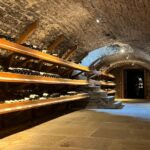
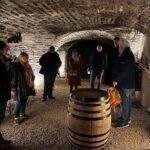
This is worth stating clearly: the cellars can’t be visited because of renovation. That means you’ll get the tasting and the explanation, but you should not expect a behind-the-scenes cellar tour.
It also helps explain why one review experience felt like the “vineyard and chateau time” wasn’t used enough. Right now, the property experience is more tasting-focused than walk-around focused.
If you want a “see everything” style visit, you’ll likely leave wanting more physical estate time. But if your priority is to understand what you’re tasting and why it tastes that way, the limitation doesn’t hurt as much.
Best For Who: Choosing This Tasting Over a Bigger Day
This tour fits best if you:
- Want Burgundy education with real tasting comparisons
- Prefer small groups (max six) and a guide who answers questions
- Like Pinot Noir and want help distinguishing expressions by plot and vintage
- Are short on time but still want a structured, meaningful wine lesson
- Are planning a Beaune day and need something that wraps neatly in about an hour
It’s less ideal if your main goal is a physical tour of the cellars and grounds. Since cellars aren’t visitable during renovation, you’ll need to satisfy that craving with another stop later (or wait for renovations to finish).
Should You Book the Clos Marey Monge Tasting?
I’d book it if you want the highest learning-per-hour ratio in Pommard. The format is efficient: six wines, expert-led guidance, and a clear framework connecting vintage, terroir/climat, plot identity, and biodynamic winemaking to what you taste.
I would skip it only if you’re specifically hunting for a cellar tour and vineyard walk right now. With the cellars closed, this is about wine and explanations, not property wandering.
One practical note: it’s commonly booked about 22 days in advance. If you’re traveling in high season or you have a tight schedule, it’s smart to lock in a time slot early so you’re not forced into the last available start.
FAQ
FAQ
How many wines do you taste on the Clos Marey Monge Tasting?
You taste six wines during the experience.
Does the tour include Pinot Noir tastings?
Yes. The tasting focuses on Pinot Noir, including expressions from Clos Marey-Monge.
How long is the tasting?
It lasts about one hour.
Is the experience offered in English?
Yes, it’s offered in English.
What is the group size?
The group is limited to a maximum of six travelers.
Where do I meet for the experience?
You meet at 15 Rue Marey Monge, 21630 Pommard, France.
Is the cellar visit included?
No. The cellars can’t be visited because of renovation.
What time options are available?
There are three different tour times throughout the day.
Is wine tasting included in the price?
Yes. Wine tasting is included.
Can I cancel for free?
Yes, you can cancel up to 24 hours in advance for a full refund.
Are service animals allowed?
Yes, service animals are allowed.
Can most travelers participate?
The experience notes that most travelers can participate.