REVIEW · PARIS
Paris: Full-Day Cooking Class, Market Tour and Lunch
Book on GetYourGuide →Operated by Le Foodist · Bookable on GetYourGuide
French cooking clicks at the market.
In Paris, this small-group class pairs a Latin Quarter open-air market with hands-on classic French technique cooking, then finishes with a long lunch of wine and cheese. It’s a very Paris-in-a-day way to learn: you buy the ingredients, cook around them, and sit down to eat what you made.
I really like the tight group size (often just 3 to 7 people). I also like that you get recipe instructions in English in both hard copy and electronic form, so the day doesn’t vanish the moment you get home.
One consideration: the menu depends on what you find at the market. If you have dietary restrictions, you’ll want to flag them at least 48 hours in advance so the class can adapt well.
In This Review
- Key Things That Make This Class Worth Your Time
- Latin Quarter Meet-Up at Le Foodist and Your 09:00 Start
- Market Tour: How to Pick Produce and Cheese Like a Pro
- Hands-On French Cooking Between 10:30 and Lunch
- The Menu Plan: Appetizer, Main, Dessert, and the Technique Behind It
- Wine and Cheese Lunch: A Long Sit-Down With French Stories
- Price and Value: What You’re Paying For (and Why It Makes Sense)
- Practical Tips So You Don’t Miss Anything
- Who This Class Suits Best (And Who Might Prefer Something Else)
- Should You Book This Paris Market and Cooking Class?
- FAQ
- How long is the cooking class and lunch?
- Where does the class meet?
- What happens at the start of the day?
- Is this class small group?
- What languages are used during the class?
- Are children allowed?
- Do I get recipes to take home?
- What if I have dietary restrictions?
- Can I cancel for a refund?
Key Things That Make This Class Worth Your Time
- Latin Quarter market shopping for fresh produce and key flavors
- Small-group coaching that keeps you involved at every step
- French techniques with planning tips, including what you can prep ahead
- A full lunch with wines and cheeses, not a quick bite
- English instruction led by chefs who explain clearly and keep the mood light
- Take-home recipes in English, both paper and digital
Latin Quarter Meet-Up at Le Foodist and Your 09:00 Start
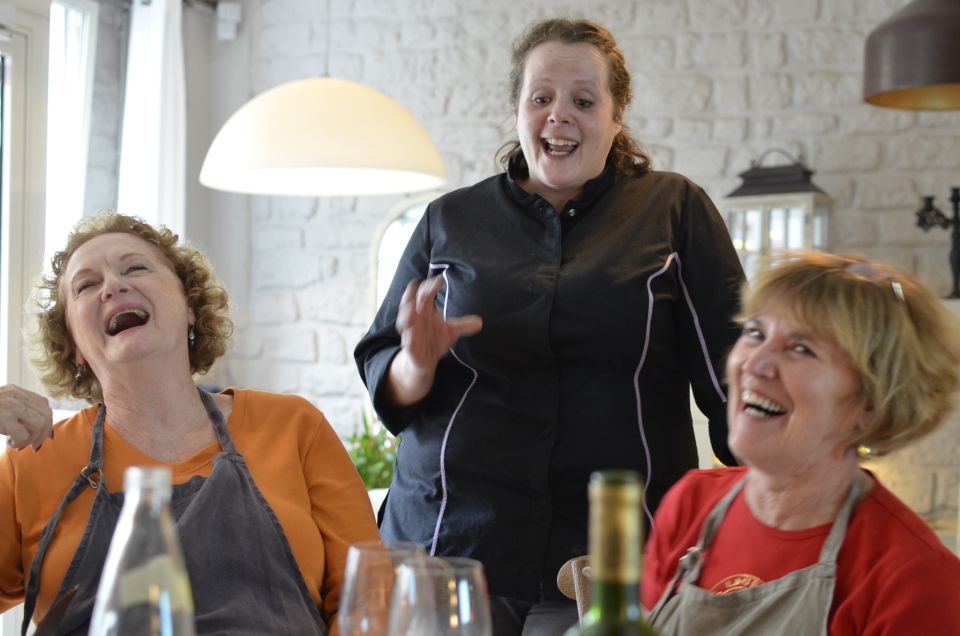
You meet at Le Foodist, 59 rue Cardinal Lemoine, 75005 Paris, with a welcome that’s simple and friendly: croissant, coffee, and tea. The idea is to get you settled before you hit the market, so you start the day thinking about food rather than logistics.
Because the class is small (often 3–7 people), you don’t get lost in a crowd. You’ll get to know your group, swap food preferences, and ask questions early—useful, because later you’ll be cooking off the ingredients you choose.
This morning start also means you’re shopping while the market is still at its best. If you’ve ever wandered markets on your own, you know how much easier it is when someone tells you what to look for and why.
You can also read our reviews of more shopping tours in Paris


Market Tour: How to Pick Produce and Cheese Like a Pro
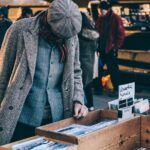
After the welcome, you head out to a nearby open-air market in the Latin Quarter. This is where the class earns its value, because French cooking starts long before the pan heats up.
I like that you don’t just watch—you’re guided through shopping with a real purpose. You learn how to select ingredients with an eye toward flavor and technique, and you get the local color that makes the Latin Quarter feel lived-in.
One extra highlight: many people come away remembering the cheese stops and cheese lessons. You might get a mini talk on local cheeses and why they taste the way they do, which is the kind of knowledge that helps you buy better cheese later, even outside France.
Also, you’ll have to make decisions based on what’s available. That’s not a drawback—it’s part of how real cooking works. You’ll learn a method for building a menu that you can repeat.
Hands-On French Cooking Between 10:30 and Lunch
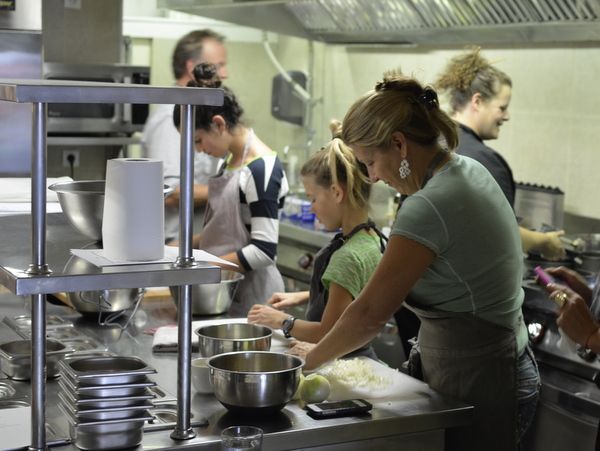
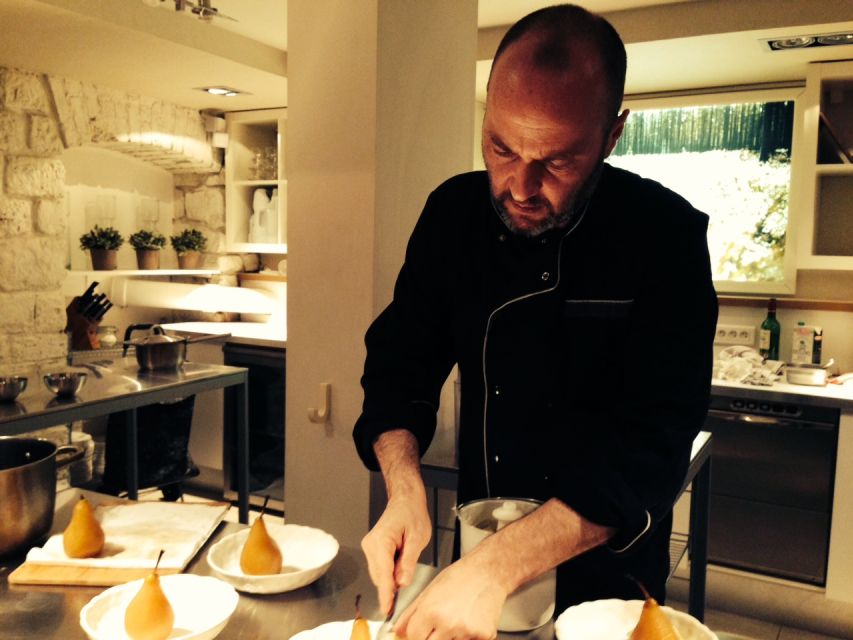
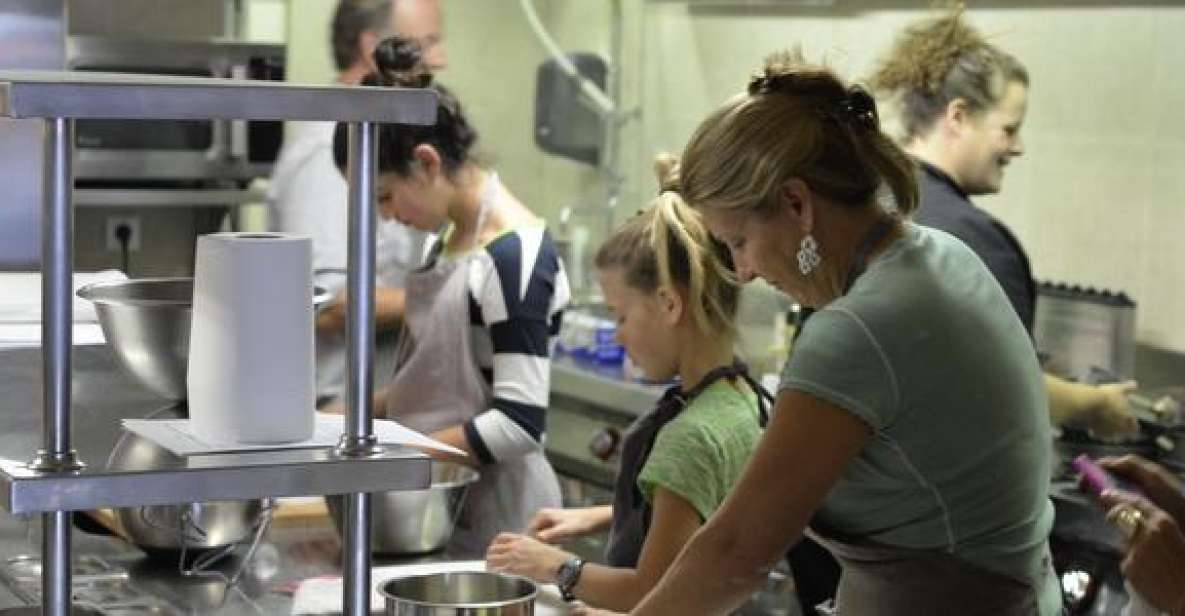
You return to the school by about 10:30, and that’s when the class shifts into cooking mode. At this point, the menu comes together based on the ingredients you found, so the day feels practical rather than scripted.
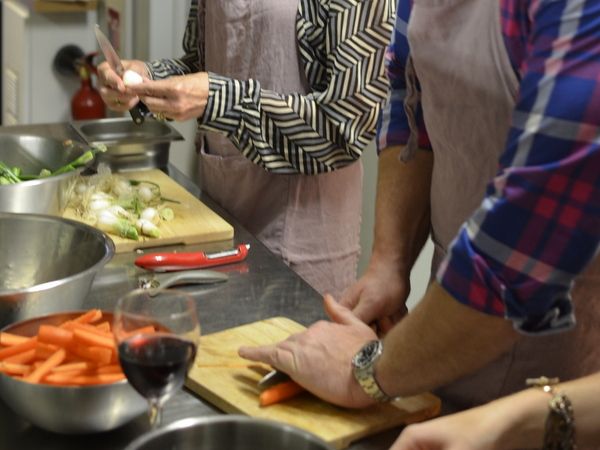
Cooking happens in a way that’s meant to be doable for a range of skill levels. You’ll follow classic French techniques and learn what matters most: timing, temperature, and the little choices that affect texture and flavor.
Expect a focus on meal planning, including what can be prepared ahead. That part matters if you cook at home, because French food often sounds intimidating until you understand how to break the work into stages.
You’ll cook long enough to feel ownership. Then, once everyone’s ready, you sit down for lunch without the rushed, clear-the-room feeling.
The Menu Plan: Appetizer, Main, Dessert, and the Technique Behind It
Your day typically includes an appetizer, main course, and dessert built on French methods. Depending on what you find at the market, the exact menu can change, but the cooking skills stay the point.
A couple technique themes show up often in the class design. People talk about desserts like ice cream and about sauces such as wine-based sauce, which are great examples of French cooking at its most method-driven.
I also like that the class teaches how to plan what happens first. For example, dessert and sauces often benefit from timing and sometimes from prep that happens before the final serving moment. Learning that structure makes the finished meal feel less like a lucky accident and more like a process you can repeat.
And yes, there’s wine involved during the day. You may be offered a glass (and sometimes more) as you cook, but the emphasis stays on the food skills.
Wine and Cheese Lunch: A Long Sit-Down With French Stories
Once the cooking is done, the lunch becomes the payoff. People describe it as generous and unhurried, and it typically wraps around 15:00. Nobody’s pushing you out the door right after you take the last bite.
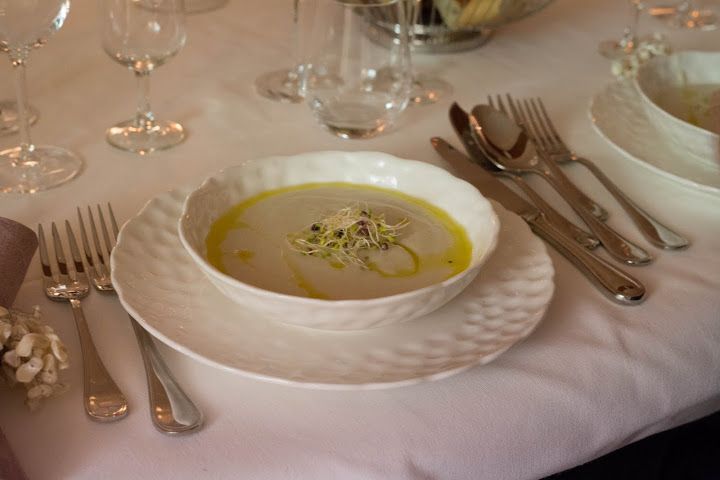
You’ll enjoy a traditional meal paired with red and white wines, plus cheeses as part of the course setup. Since this class isn’t only tasting, you get the rare combination: you learn the techniques, then you eat the results in a proper sit-down setting.
One of the most praised elements is the host-voice behind the cooking. Instructors are described as very engaging English speakers—names that show up often include Luke and Frederick/Fred—and they bring the day to life with food culture stories.
That storytelling isn’t random trivia. It helps you understand why ingredients and methods matter in French cooking, from sourcing logic to why a cheese pairs with certain flavors. If you’ve ever wondered why French meals feel so cohesive, this is the kind of context that answers it.
A few more Paris tours and experiences worth a look


Price and Value: What You’re Paying For (and Why It Makes Sense)
At $258 per person for about 6 hours, the price can feel steep—until you look at what’s bundled.
You’re not just buying a cooking lesson. You’re paying for:
- Market time with ingredient selection guidance
- Hands-on instruction in a small group
- Full lunch with wines and cheeses
- Recipes in English (paper and electronic)
- All equipment plus an apron
That combination is where the value lives. If you were to recreate this day yourself, you’d spend time shopping, researching techniques, buying ingredients, and then testing your menu. Here, you get the shopping brains, the cooking coaching, and the meal payoff in one block of time.
So I think the “worth it” question comes down to your goal. If you want a quick souvenir meal, this may not fit. If you want real technique and a menu you understand, the structure justifies the cost.
Practical Tips So You Don’t Miss Anything
A few choices will help you make the most of the day.
- Go with an appetite for hands-on work. You’ll cook, not just watch, and the pacing is built around shared tasks.
- If you drink alcohol, pace yourself. Wine is part of the experience during lunch and possibly while cooking, but the day is still about cooking skills.
- Tell them about dietary needs at least 48 hours ahead. The class can adapt, but only if you plan early.
- Dress for a kitchen day. Wear comfortable shoes and clothes you don’t mind getting a little splashed. You’ll be using cooking equipment and moving around.
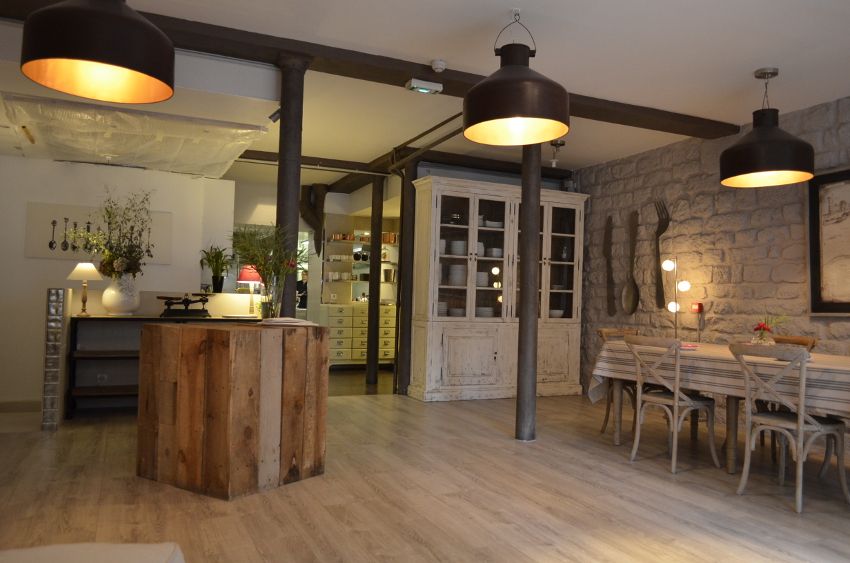
Finally, the room setup can vary. People mention the kitchen/class space being clean and well equipped, and in some cases it may be in an upstairs classroom or a stone cellar setting. Either way, the day is designed for comfort so you can focus.
Who This Class Suits Best (And Who Might Prefer Something Else)
This is a strong fit if you want:
- French cooking techniques explained clearly in English
- A market experience that teaches you what to buy and why
- A meal that feels like a cultural lesson, not only a cooking demo
- A small-group day where you end up talking with your cooking partners
It’s also a good option if you’ve cooked before but want structure. People describe learning techniques and getting strategies they can actually use later.
One group to note: children under 12 aren’t permitted for the class. The experience may work for older teens, but you’ll want to check suitability based on the age rule.
If you dislike hands-on cooking, or if you’re allergic to the kind of flexibility that comes from shopping-based menus, you may find it stressful. Otherwise, it’s one of the more practical “Paris food” days because you leave with both skills and recipes.
Should You Book This Paris Market and Cooking Class?
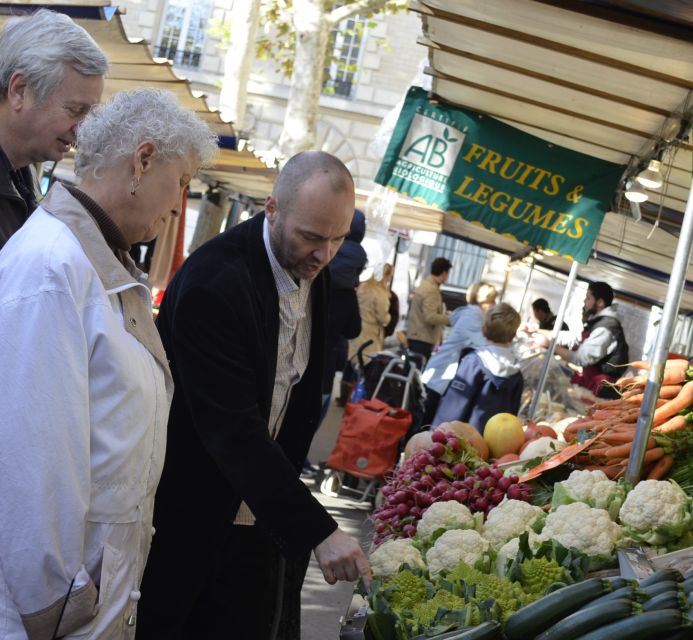
Book it if you want a day that connects where your food comes from to how French cooking works. The market stop, the small group setup, and the fact that you eat what you cooked (with wine and cheeses) is the recipe for a day that feels like more than a class.
Skip it if your goal is mainly to see sights or if your dietary needs are complex enough that you can’t plan ahead. Also think twice if you’re hoping for a fixed menu with zero variability; the class builds around what’s available.
If you’re the type who likes learning by doing, you’ll likely love how smoothly the morning shopping turns into cooking technique, then into a relaxed lunch where the stories make sense of it all.
FAQ
How long is the cooking class and lunch?
The experience lasts about 6 hours, with the full schedule running from morning through lunch (typically finishing around 15:00).
Where does the class meet?
You meet at Le Foodist, 59 rue Cardinal Lemoine, 75005 Paris.
What happens at the start of the day?
You’re welcomed at 09:00 with croissant, coffee, and tea, then you’ll meet your group before heading out to the market.
Is this class small group?
Yes. The class is typically limited to between 3 and 7 people to keep things personal and hands-on.
What languages are used during the class?
The instructor teaches in English.
Are children allowed?
Children under 12 aren’t permitted in the class. If you have a family group with children, you should advise in advance.
Do I get recipes to take home?
Yes. You receive both a hard copy and an electronic copy of all recipes in English.
What if I have dietary restrictions?
You should advise of any dietary restrictions at least 48 hours before the class.
Can I cancel for a refund?
You can cancel up to 24 hours in advance for a full refund.