REVIEW · PARIS
Paris: French Pastry and Baking Workshop
Book on GetYourGuide →Operated by Bistrot Baguette · Bookable on GetYourGuide
Fresh bread magic is the plan here. This 2-hour Paris baking workshop at Boulangerie Bistrot Baguette turns French pastry know-how into something you can actually do with your own hands. I like that you learn from a pro in a dedicated workshop area, and you can end the class with real take-home goods instead of photos and good intentions.
Two standout perks: the class is built for all skill levels, and it stays lively through hands-on work (not just watching). One thing to consider: the timing can run shorter than the full 2 hours depending on group flow, so if you want deep adult-only technique time, ask how your specific session will be paced.
Key highlights
- Madeleines, chocolate fondant, chouquettes, cookies, brownies, apple pies, plus other French favorites you’ll make and take home
- Dedicated workshop area inside Bistrot Baguette, with all the equipment handled
- Max 15 participants, so you’re not lost in a crowd
- Instructor-led history of French culinary specialties mixed into practical lessons
- 10% off on products from the shop the same day
In This Review
- Paris French Pastry and Baking Workshop: What You’re Really Paying For
- Getting to Boulangerie Bistrot Baguette and Settling In
- Workshop Flow: From French Baking Basics to Hands-On Stations
- What You’ll Make: The Menu of French Favorites
- The Instructor Style: Teaching That Works for Kids and Adults
- Taking It Home: Diploma, Products, and the 10% Shop Discount
- Price and Value: Is $88 Worth It in Paris?
- Who This Workshop Fits Best (and Who Should Rethink)
- Practical Tips to Get the Best Experience
- Should You Book This French Pastry Workshop?
- FAQ
- How long is the Paris French pastry and baking workshop?
- Where does the workshop start?
- What is the price per person?
- What kinds of pastries and baked goods will I learn to make?
- Is the class suitable for beginners?
- What languages are offered?
- How big is the class?
- What’s included in the workshop?
- What should I bring with me?
- Is there a minimum age requirement?
- A final note before you go
Paris French Pastry and Baking Workshop: What You’re Really Paying For

Let’s talk value first, because $88 in Paris can either buy a great memory—or a slightly rushed sugar hit. This workshop is priced like an activity, not a show: you’re paying for a hands-on class, equipment, ingredient prep, and an instructor guiding you through French baking steps you can repeat later.
The “why this works” part is simple. Instead of standing in line and buying pastry that disappears on the walk back, you learn the process behind items like madeleines and chocolate fondant. That means you get skills you can use back home, plus something you can eat immediately and again later when you share with friends.
You’ll also notice the class is capped: up to 15 participants. That small size matters in baking. It’s the difference between getting real feedback on texture and having your dough sit while someone else gets help.
Getting to Boulangerie Bistrot Baguette and Settling In

Your meeting point is Boulangerie Bistrot Baguette in the Île-de-France area. Plan to arrive a few minutes early so you’re not juggling bags, phones, and aprons at the same time.
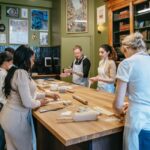
Once you arrive, you head into a dedicated workshop area. That’s a big deal in a bakery setting. You’re not constantly bumping into regular customers, and the class has a space meant for working—mixing, shaping, and learning.
The practical tip here is clothing. Wear comfortable shoes and clothes you don’t mind getting flour on. Even a well-run class can be messy for fun. Baking is chemistry with enthusiasm, not a museum visit.
A few more Paris tours and experiences worth a look


Workshop Flow: From French Baking Basics to Hands-On Stations

This is a true workshop style class. You’re guided as you work, rather than just being told what to do. The description emphasizes that you’ll learn a variety of French pastries and bread, with hands-on experience as the main event.
What you can expect, in plain terms:
- You’ll get set up in the workshop space with the equipment provided
- You’ll follow the instructor’s instructions step by step
- You’ll make multiple items during the session
- At the end, your products are yours to take home
Duration is listed as about 2 hours, but you should think in a range. The session time can fall between 1 and 2 hours, depending on class size and how many people are actively interacting at once. That variability is common in small workshops, but it’s worth keeping in mind when you’re building your day around it.
One more detail that makes this class feel more than procedural: you also get a history of French culinary specialties. It’s not meant to be a textbook lecture. It’s the kind of context that helps you understand why techniques matter—like why certain textures are expected, or what makes a classic French baked good distinct.
What You’ll Make: The Menu of French Favorites

The class includes hands-on work on a set list of French-style treats. You may not do everything in one session, but you should expect to make several items from this lineup.
Here are the examples given for what you’ll learn:
- Madeleines
- Chocolate fondant
- Chouquettes
- Cookies
- Brownies
- Apple pies
- And other French pastries and bread items
This mix is smart. It covers different baking skills:
- Small, delicate batter work (think madeleines)
- Rich cocoa desserts (chocolate fondant)
- Choux-style or sprinkle-topped pastry techniques (chouquettes)
- Comfort-bake favorites (cookies, brownies, apple pies)
If you love variety, this is appealing because you’re not stuck making one item for the entire time. You get a practical taste of multiple French approaches, which is perfect if you’re curious but not yet ready to commit to baking one specialty at home.
The Instructor Style: Teaching That Works for Kids and Adults
Language is another practical advantage. The instructor is listed as able to teach in French, English, and Spanish. That matters in Paris: even a few sentences in your language can keep you from missing steps when something suddenly moves fast.
In terms of teaching style, multiple class experiences point to instructors who can handle different energy levels. Some sessions have been described as great with kids, with a playful, interactive approach. Names that have come up include Chef Sylvan and Anastasia, both noted as attentive and effective in keeping people engaged.
What this means for you: you’re likely to get more than instructions. You should expect coaching—how to shape, how to check texture, and how to fix small mistakes as you go. Baking classes often fail when they become too formal. This one is designed to keep you working, asking questions, and moving along without feeling lost.
Taking It Home: Diploma, Products, and the 10% Shop Discount
The best part of any cooking class is walking out with something real. Here, you’ll take your products home, not just leave with recipes you’ll lose in your hotel drawer.
You’ll also receive a diploma. It’s not life-changing, but it’s a nice souvenir that says you actually did the thing, not just ate the thing.
Then there’s the bonus that rewards your sweet-tooth momentum: you get 10% off on all products that day. Since you’ll be thinking about what you just made, that discount can turn into a smart follow-up purchase—especially if you want to compare shop-made versions to your homemade attempt.






Price and Value: Is $88 Worth It in Paris?
At $88 per person, you’re paying for:
- a small-group workshop (max 15)
- instructor-led guidance
- equipment and setup
- hands-on making (not observation)
- take-home baked goods
- a short history/context piece
- a shop discount the same day
For many people, the value comes from how much effort you put in. If you’re the kind of traveler who likes interactive activities—food, craft, small lessons—this is the category where your money tends to feel justified.
A balanced note: the pacing can vary by group. If you’re an adult who expects a full, tightly structured 2 hours of technique, one session may feel shorter. That’s not a deal-breaker, but it is something to factor in. If you’re planning an evening after, give yourself breathing room.
Who This Workshop Fits Best (and Who Should Rethink)
This workshop is described as suitable for all skill levels, so it works for beginners. It’s also designed to be fun and interactive, which is why it shows up as a hit for families.
You’ll likely enjoy it most if:
- You want a hands-on French food experience
- You’re traveling with kids who would rather participate than watch
- You like learning practical kitchen skills you can recreate
- You want a small-group class in a bakery setting
You might consider other options if:
- You’re a group of adults who want a longer, more technical deep session
- Your schedule is tight and you cannot handle the class running closer to 1 hour
The good news: since it’s flexible in length depending on interaction, it can still be a great way to get a tasting of French baking without committing to a half-day course.
Practical Tips to Get the Best Experience
A few choices can make or break a cooking workshop:
Wear comfortable shoes and clothes you can get slightly messy in. Baking sessions in a real bakery environment aren’t lab-clean. You’re here to work.
Bring curiosity, not perfectionism. With items like madeleines and fondant, the texture and timing matter. That’s also why learning in a group is helpful—you get guidance when things go sideways.
If you have specific dietary needs, you should ask ahead of time. The class description lists desserts and pastries, but it doesn’t spell out ingredient swaps. For allergies or strict diets, you’ll want clear confirmation.
Finally, plan where you’ll put your baked goods. You’ll take them home, so bring a tote bag you can close and a spot in your schedule for a post-class snack stop.
Should You Book This French Pastry Workshop?
Book it if you want a fun, practical French baking lesson that ends with take-home treats and a small-group feel. For couples, families, or friends who want more than eating pastry—they want understanding—this is a solid bet.
Skip it or reconsider if you’re expecting a long adult-only technical seminar. The session can run between 1 and 2 hours, and the interaction style is clearly built to include younger participants comfortably.
If your travel goal is to learn, laugh a little, and leave with sweets you made yourself, this is one of those Paris experiences that actually sticks with you.
FAQ
How long is the Paris French pastry and baking workshop?
The duration is listed as 2 hours, with the actual class time described as somewhere between 1 and 2 hours depending on how many people are interacting in the class.
Where does the workshop start?
The meeting point is Boulangerie Bistrot Baguette.
What is the price per person?
The price is $88 per person.
What kinds of pastries and baked goods will I learn to make?
You may learn to make madeleines, chocolate fondant, chouquettes, cookies, brownies, apple pies, and more.
Is the class suitable for beginners?
Yes. The workshops are described as suitable for all skill levels.
What languages are offered?
The instructor is available in French, English, and Spanish.
How big is the class?
There is a maximum of 15 participants per class.
What’s included in the workshop?
Included are the baking and pastry workshops, a dedicated workshop area, all necessary equipment, a diploma, the history of French culinary specialties, and your products will be yours. You also get 10% off on all products that day.
What should I bring with me?
Wear comfortable shoes and comfortable clothes.
Is there a minimum age requirement?
It is not suitable for children under 4 years.
A final note before you go
If you’re pairing this with sightseeing, schedule it so you’re not rushing at the end. You’ll want time to enjoy what you made—and keep your baked goods safe on the way back.