REVIEW · PARIS
Paris: Evening Cooking Class with Optional Market Visit
Book on GetYourGuide →Operated by Le Foodist · Bookable on GetYourGuide
Dinner lessons in Paris start with the market. This is a small-group evening where you don’t just watch French cooking—you help make it, course by course, with a chef who walks you through technique and flavor in plain English. I love that the class keeps things relaxed while still feeling properly “food serious,” which is rare in a city full of showy tours. And if you opt in, you also get the best warm-up in Paris: shopping for ingredients like locals do.
I also like the payoff. You sit down to a 4-course French dinner you helped prepare, paired with wine and food taught alongside it. Chef Luc’s style stood out for being kind, clear, and hands-on, and Chef Paolo is a hit when the market option includes extra time for learning about quality—especially cheeses.
One consideration: if you’re very sensitive to wine or alcohol, plan ahead. The dinner includes half a bottle of wine, and while the chefs seem open to dietary preferences, alcohol may still be part of the experience rhythm.
In This Review
- Key things I’d mark on your Paris food map
- A Paris cooking class where you actually cook, then eat
- Choosing the 4.5-hour vs 6-hour option (and what changes)
- Latin Quarter market time: ingredients, cheese lessons, and better dinners
- Planning your 4-course French menu (and why the menu matters)
- Cooking together: technique you can feel, not just read about
- Wine and cheese pairing at dinner: learning without the snob
- What the included dinner gives you (and why it’s more than a meal)
- Price and value: is $246 per person worth it?
- Logistics that matter (meeting point, timing, and group setup)
- Who this class suits best (and who might want a different style)
- The chefs behind the experience: why their style matters
- Should you book this Paris cooking class?
- FAQ
- How long is the cooking class in Paris?
- Is the market visit optional?
- What’s included in the 4-course dinner?
- Is the class taught in English?
- Can the chef accommodate dietary preferences?
- Is there free cancellation and pay later options?
Key things I’d mark on your Paris food map

- Hands-on French technique, not a demo: you’ll prep and cook, not just take notes from the sidelines.
- A true 4-course dinner payoff: the meal isn’t an afterthought; it’s built into the class structure.
- Optional Latin Quarter market visit: you shop for ingredients and learn what “good” looks like in real terms.
- Cheese + wine pairing coaching: you sample and get help thinking about pairing, not memorizing rules.
- Small-group attention: the pace stays friendly and you get included at every step.
- English instruction: you can ask questions and actually follow what’s happening in the kitchen.
A Paris cooking class where you actually cook, then eat

Paris has plenty of food experiences that stop at eating. This one starts earlier. From the moment you’re in the kitchen (and, if you choose it, at the market first), the focus is simple: you learn French cooking by doing French cooking.
In practice, that means you’ll rotate through prep and cooking tasks while the chef explains what matters—textures, timing, and why certain flavors belong together. That’s what makes it feel like a real skill-building evening rather than a scripted performance.
The class is built for small groups, which changes everything. You’re more likely to get direct help when something is unclear. You’re also more likely to feel comfortable asking questions at the cutting board instead of freezing in front of other people.
You can also read our reviews of more shopping tours in Paris


Choosing the 4.5-hour vs 6-hour option (and what changes)

You’ll see two main rhythms depending on which length you pick.
- Shorter option (about 270 minutes / 4.5 hours): you go straight into planning and cooking, then finish with your sit-down dinner and pairings.
- Longer option (up to 6 hours): you add extra time with a market visit in Paris’ Latin Quarter, then return with ingredients and cook the 4-course meal.
The difference isn’t just time. The longer option changes how you experience the evening. Shopping gives you a sense of what’s seasonal, what’s high quality, and what the chef cares about. When you later taste and cook, the ingredient choices make more sense—so the dinner feels more earned.
Latin Quarter market time: ingredients, cheese lessons, and better dinners

If you can do the 6-hour version, I’d seriously consider it. The market stop is where you start learning to shop like a cook, not like a tourist with a camera.
The market visit includes picking up ingredients for your menu. That means you’re not just walking around for atmosphere. You’re gathering the pieces that will become your dinner.
And one theme pops up strongly: cheese learning. In the market portion, the chef and staff explain what makes cheese worth buying—quality cues and how cheese fits into French eating. It’s the kind of information you can carry home, because you’re learning what to look for, not just what to buy.
A practical note: markets can move fast, and you’ll want comfortable shoes. Also, if you’re the type who likes to browse slowly, this portion is structured, so expect a guided pace.
Planning your 4-course French menu (and why the menu matters)
Once you’re back from shopping (or straight after you meet for the shorter option), the evening shifts into menu mode. You’ll plan a 4-course menu, then build your dishes in the kitchen.
This is where French cooking starts making sense if you’ve ever felt it’s too complicated. The menu approach gives you a framework:
- a first course that sets the flavor direction,
- a main that centers technique and timing,
- a follow-up that keeps the meal moving,
- and a finale designed to land well after wine and multiple courses.
Because you’re cooking each course as part of a full sequence, you’ll understand why sauces, seasoning, and doneness aren’t random. They’re decisions that work together across the meal.
Cooking together: technique you can feel, not just read about
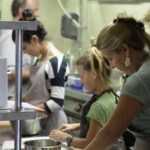
In the kitchen, you’ll get the best kind of instruction: clear steps you can perform. The chef teaches in English, and the class includes small-group attention so you’re included instead of waiting your turn in the back of a crowd.
From what you can expect in the flow, it’s very hands-on:
- you help with prep,
- you cook under guidance,
- and you taste and adjust as you go.
One detail that makes the dinner feel smoother is the pacing. Multiple accounts describe the meal as organized in a way where you eat one course at a time, then return to cooking, instead of doing everything and eating only at the end. That structure helps the evening feel lively and keeps your energy up.
You’ll also hear lots of practical cooking tips—things like how to judge doneness, how to treat sauces, and how to think about flavor balance. The chefs guiding this experience include people like Chef Luc, who’s described as kind, passionate, and great at explaining steps clearly while involving everyone.
If you have dietary preferences, this is another area where the class seems to work well. One highlight from the experience notes is that Chef Luc was flexible with dietary preferences, which matters because it can be hard to adapt classic French cooking on the fly.
A few more Paris tours and experiences worth a look




Wine and cheese pairing at dinner: learning without the snob
Food + wine in Paris can tilt either toward fun or toward snobby lectures. Here it’s taught in a friendly way—paired with samples and guided tasting.
You’ll get:
- a selection of French wines during the meal,
- at least one cheese tasting,
- and direct help learning how to pair wine with food.
This isn’t about memorizing a chart. You’ll learn by tasting alongside the dishes you just made. That’s a big deal. If you’ve ever had wine pairing recommended after the fact, you know how disconnected that feels. Cooking first makes the pairing make sense.
Also, the dinner includes half a bottle of wine. That’s part of the value math and part of the experience design. If you don’t want alcohol, you might still enjoy the food and learning, but you’ll want to confirm how preferences are handled for your situation.
What the included dinner gives you (and why it’s more than a meal)
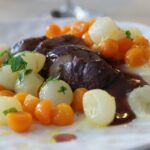
At the table, this is a proper sit-down dinner: four courses, French wine, and cheese sampling tied to what you cooked.
The value angle is that you’re paying for a combined experience:
- instruction (and you participate),
- ingredients and cooking process,
- and a full multi-course dinner with pairings.
In other words, you’re not just buying dinner. You’re buying a class that ends with a meal you helped create. That’s why people tend to rave about the hands-on part: you leave knowing you can repeat something at home, not just knowing you once ate it in Paris.
Price and value: is $246 per person worth it?

$246 per person isn’t “cheap Paris,” but it also isn’t random. Here’s what you’re paying for based on the experience structure:
- Time: about 4.5 hours for the shorter version, or up to 6 hours with a market visit. That’s a real block of a day.
- A full meal: a 4-course dinner plus wine and cheese sampling.
- A teaching environment: small-group cooking with an English-speaking instructor and chef guidance.
- Market option value (if you choose 6 hours): ingredient shopping in the Latin Quarter, which changes the learning and makes the cooking feel more connected.
If you compare this to doing a market walk on your own plus a regular dinner, you’d still be out of pocket for food and would miss the cooking instruction and pairing teaching. And if you compare it to cooking classes that are heavy on watching, the small-group, hands-on setup helps justify the price.
Bottom line: it’s best value if you want an actual skill-building evening and you’ll enjoy wine and French flavors.
Logistics that matter (meeting point, timing, and group setup)

The meeting point can vary depending on the option you book, so confirm details before you head out. Once you’re there, the schedule is paced to keep you moving from prep to cooking to eating in a way that feels coordinated rather than chaotic.
Timing-wise:
- the shorter option is about 270 minutes (roughly 4.5 hours),
- the longer option runs closer to 6 hours because of the market segment.
If you’re planning other evening plans in Paris, give yourself breathing room. You’ll be eating a full dinner, paired with wine, and you’ll likely want time after to stroll or decompress.
Who this class suits best (and who might want a different style)
This is a great fit if:
- you love food and want a hands-on activity, not a lecture-only tour,
- you want something more personal than big group cooking,
- you enjoy French cuisine and want technique you can repeat later,
- you’re open to wine and cheese pairing learning,
- you’d enjoy meeting fellow cooks at the table.
It may be less ideal if:
- you want a super laid-back evening with no cooking tasks,
- you strongly avoid alcohol (since wine is included),
- or you’re looking for a free-form restaurant-style tasting with lots of walking.
The chefs behind the experience: why their style matters
Two names come up in a way that tells you something important about the experience.
- Chef Luc is described as incredibly kind, passionate, and very clear at explaining steps. People also highlight that he involves everyone and can work with dietary preferences.
- Chef Paolo is mentioned as a standout for the market portion, especially in how you learn about food quality and cheese.
When chefs teach like that, the class becomes less intimidating. You feel included, you understand the why behind steps, and you’re more likely to trust your hands when something needs adjusting.
Should you book this Paris cooking class?
Yes—if you want a night that’s both practical and genuinely fun. This class stands out because it doesn’t separate learning from eating. You shop (optional), cook as a group, then sit down for a full four-course dinner with wine and cheese pairing coaching.
Book the 6-hour option if you love the idea of understanding ingredients first, especially for cheese and quality. Choose the shorter version if you want the core cooking and dinner without adding market time.
If you’re the type who likes tasting, then turning it into a skill you can repeat, this is the kind of Paris plan that pays off long after the last bite.
FAQ
How long is the cooking class in Paris?
The class runs about 270 minutes (about 4.5 hours) for the shorter option, or up to 6 hours if you choose the longer experience with a market visit.
Is the market visit optional?
Yes. The market visit in Paris’ Latin Quarter is optional and is included with the longer option.
What’s included in the 4-course dinner?
You’ll have a 4-course dinner plus wine and cheese sampling as part of the experience.
Is the class taught in English?
Yes, the instruction is in English.
Can the chef accommodate dietary preferences?
The chefs are described as flexible with dietary preferences, but you should share your needs in advance so the team can plan accordingly.
Is there free cancellation and pay later options?
The experience offers free cancellation up to 24 hours in advance for a full refund, and you can reserve now and pay later.