REVIEW · PARIS
Paris: Eclair and Choux Pastry Making Class
Book on GetYourGuide →Operated by Ateliers Parisiens · Bookable on GetYourGuide
Paris pastry is serious. This class makes it practical, step by step, and fun. You’ll work on choux pastry and eclairs with a professional pastry chef, then leave with your own creations plus a recipe booklet you can use later.
What I like most is how hands-on it is. You start with ingredient prep and then move into making the dough and forming the pastries, with plenty of guidance and tricks along the way.
One thing to consider: the recipe booklet at the end may be in English only, and one guest wished they had the recipe in front of them during each step (not just at the end) to better track quantities and tips.
In This Review
- Key highlights worth planning around
- From the grey door to the dough: how the 150 minutes really work
- Choux pastry basics: the chef moves that matter
- Eclairs in the mix: shaping, filling, and getting the details right
- The fun part: personalizing toppings and fillings
- Making it stick: the recipe booklet and what you may want to ask
- Drink, group energy, and the small comfort of included ingredients
- Price and value: what $159 buys you (and what it doesn’t)
- Who this class is best for (and who should skip it)
- Should you book the Paris éclair and choux class?
- FAQ
- How long is the class?
- What will I make during the session?
- Can I take my pastries home?
- What’s included in the price?
- What language is the instruction?
- Where do I meet the class?
- Is it suitable for young children?
- Are pets or alcohol allowed?
- Is the workshop wheelchair accessible?
Key highlights worth planning around

- Choux pastry technique you can reuse: you learn the fundamentals that power eclairs and other choux shapes
- Personalization time: choose fillings and toppings to make your eclairs taste like your plan
- Chef-led organization: classes run smoothly, with ingredient prep included so you’re not stuck guessing
- Covers more than eclairs: you may also make craquelin and chantilly style cream depending on the session
- Take-home payoff: you create pastries you can bring with you, plus the how-to in the recipe booklet
From the grey door to the dough: how the 150 minutes really work

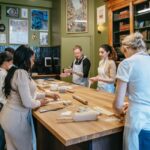
This workshop is designed like a real pastry session, not a demo where you watch and hope. You’ll meet in front of a grey door at your reservation time. Then you get set up with the basics for hands-on cooking: a chef (instruction is in French), all necessary ingredients, and a drink during the workshop.
The structure is all about getting you to the point where you can repeat the results at home. That means you spend time making and shaping, not just reading about pastry theory. Expect the chef to guide you through the key moves for choux pastry—the dough that needs the right texture and handling to puff into that hollow, classic shell.
You’re also not doing everything solo. Guests have noted that the class makes it easier by having key prep already handled (including ingredient prep). That matters because choux pastry punishes small mistakes, and a good class removes friction so you can focus on technique.
Plan for a pace that’s lively. With a 150-minute runtime, the chef needs to keep the line moving so everyone can produce pastries, learn the steps, and still have time to personalize.
A few more Paris tours and experiences worth a look


Choux pastry basics: the chef moves that matter

Choux pastry looks fancy, but the logic is straightforward: you cook a dough base, then add eggs, then shape and bake (or finish) into crisp shells that can hold filling. What you’re really learning here is control—how the dough should feel and behave as you work.
In this class, the chef focuses on the steps that change everything:
- how to handle the dough consistently while you work
- how to avoid common texture problems (the kind that lead to flat results)
- what to watch for so your eclair shells and other choux pastries turn out right
One of the most praised parts of the experience is the amount of instruction that comes with the cooking. People liked that their teacher gave clear tips and tricks for making choux at home, not just in the classroom. In at least one session, Guillaume was specifically called out for excellent teaching and strong organization—exactly what you want when pastry is a mix of timing and technique.
If you’re a beginner, this is a good match because the class is built to keep you from getting lost. If you’re more experienced, you’ll still find value: you can compare your instincts against chef cues and tighten your process for more repeatable results.
Eclairs in the mix: shaping, filling, and getting the details right

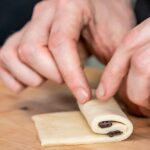
Eclairs are where choux pastry turns into something personal and showy. You’ll make eclairs in the workshop, and the goal isn’t just to assemble something that looks right—it’s to understand how the pastry shell and the finishing work together.
Here’s what the class emphasizes:
- learning how to craft choux into eclair forms
- getting hands-on with the process, with step-by-step help
- practicing key choices that affect the final look and taste
Some guests specifically enjoyed discovering other pastry elements that support the eclair experience, including craquelin (the crisp topping concept often used with choux) and chantilly (a classic cream style). That’s a big deal because these additions aren’t random. They change crunch, flavor, and texture in ways that make your homemade eclairs taste like Paris, not like a cookie experiment.
Also, this class is interactive. One 1:1 experience was noted in a review, which suggests your session may be more personal than you’d expect for a cooking class. Even in a group format, that kind of setup is usually where better questions happen—and you need that for pastry, because small adjustments can rescue a batch.
The fun part: personalizing toppings and fillings
Paris eclairs aren’t one-size-fits-all. This class gives you options, and you actually use them. You’ll personalize your pastries with a variety of fillings and toppings, so the eclairs you take home reflect your taste (or your mood).
This is more than dessert decoration. When you choose fillings and toppings, you learn how pairing affects balance:
- richer fillings benefit from contrast in texture
- crisp elements work best when they aren’t overpowered
- sweetness levels matter because pastry shells can handle flavor, but not chaos
Guests liked that the class doesn’t just hand you a fixed product. They also mentioned that instruction included practical tips you can carry home. One person highlighted that their instructor helped them with tricks for preparing pastries at home, which is exactly the kind of learning you want when paying for a chef-led workshop.
If you care about photo-worthy pastries, you’ll likely enjoy the finishing choices too. But the bigger value is confidence: you’ll know how to build and adjust, not just copy.
Making it stick: the recipe booklet and what you may want to ask
The package includes a recipe booklet. That’s meant to help you recreate what you make after you leave Paris. And the cooking class isn’t stingy about letting you learn the techniques you need—ingredients are provided, and the chef is there to guide you through the process.
Still, one review pointed out a practical drawback: the recipes delivered at the end may only be in English, and it would help to have the recipe alongside the steps during the workshop. That’s smart feedback for anyone who wants to track quantities, timing, and technique cues in real time.
So here’s the best move: when the chef is demonstrating a step, ask how the quantity/texture should look or feel. If you want to follow along, bring a phone or notebook for quick notes, especially if you read recipes best in English.
The class clearly aims to teach technique, not only end products. If you leave with a better understanding of dough handling and finishing choices, you’ll get more than a one-off sugar memory.





Drink, group energy, and the small comfort of included ingredients

Included extras matter more than you’d think. You get a drink during the workshop, which helps keep energy up during a 150-minute baking session.
You also get all necessary ingredients, so you’re not hunting down specialty items in the middle of the experience. This is the kind of “invisible value” that makes cooking classes better: you can actually learn, instead of troubleshooting logistics while your dough is waiting.
The class also seems to manage the flow well. Multiple reviews praised organization, and one person specifically noted that everything felt well organized and “so delicious.” Another person said the time flew by during what felt like an intimate setup.
That blend—structure plus hands-on cooking—is what makes a class like this worth your attention, especially when you’re visiting Paris and want one high-impact activity that teaches real skills.
Price and value: what $159 buys you (and what it doesn’t)
$159 per person is not cheap. But for Paris, this price starts to make sense when you look at what’s included:
- professional pastry chefs
- all necessary ingredients
- a recipe booklet
- a drink during the workshop
- take-home pastries you made yourself
In other words, you’re paying for chef instruction and the coaching needed to produce consistent results. You’re also paying for access to technique—choux dough isn’t forgiving if you’re guessing.
What’s not included is transportation, so you’ll want to budget for getting there. Meeting at the front of a grey door means you should arrive a few minutes early so you can find the exact spot without stress.
If you’re the kind of traveler who enjoys doing one or two skill activities instead of stacking museum hours, this class can be a strong value. You’ll leave with something edible, plus a process you can repeat.
If you’re simply looking for a light snack, it’s probably overkill. But if you want real technique—this is the right lane.
Who this class is best for (and who should skip it)
This is a great fit if:
- you want a hands-on Paris food experience with real technique
- you’re interested in choux pastry beyond tasting it
- you like classes with practical instruction and repeatable steps
- you want to personalize dessert instead of following a single preset plan
It may be less ideal if:
- you need instruction in languages other than French (the workshop is listed as French)
- you’re not comfortable with a recipe booklet that may not match your preferred language for step-by-step follow-along
- you’re traveling with very young kids (it’s not suitable for children under 5)
You’ll also want to note the rules: pets aren’t allowed, and alcohol and drugs aren’t allowed. If you’re bringing a group, that matters for planning.
Should you book the Paris éclair and choux class?

Yes, if your goal is to come home with skill, not just souvenirs.
I’d book it if you:
- want chef-led, hands-on choux pastry learning
- care about repeatable technique for eclairs and related pastries
- enjoy customizing fillings and toppings
- like structured classes that keep you moving
Skip it or plan carefully if:
- you rely on recipes being available in real time during the workshop (not only at the end)
- you need non-French instruction
- you’re expecting transport or extra inclusions beyond the class itself
If you’re choosing one pastry activity in Paris and you want the kind that turns into future baking wins, this is a solid choice.
FAQ
How long is the class?
The workshop lasts 150 minutes.
What will I make during the session?
You’ll learn to make choux pastry and eclairs, and you can personalize them with a variety of fillings and toppings. The class also includes other pastries such as craquelin and chantilly.
Can I take my pastries home?
Yes. You create your own eclairs and choux pastries during the workshop and take them with you, plus you receive a recipe booklet.
What’s included in the price?
The price includes professional pastry chefs, all necessary ingredients, a recipe booklet, and a drink during the workshop.
What language is the instruction?
The instructor is French. The language listed for the activity is French.
Where do I meet the class?
Meet in front of the grey door at the time of your reservation.
Is it suitable for young children?
It is not suitable for children under 5 years old.
Are pets or alcohol allowed?
Pets are not allowed, and alcohol and drugs are not allowed.
Is the workshop wheelchair accessible?
Yes, the activity is wheelchair accessible.