REVIEW · TOULOUSE
Toulouse: Wine Bar Walking Tour with a Local Wine Expert
Book on GetYourGuide →Operated by Taste of Toulouse · Bookable on GetYourGuide
Ordering wine in Toulouse finally made sense. This is a short, friendly evening where I like the small group setup (limited to 8) and how it turns wine into something you can actually talk about, not just sip. You’ll also get real AOC/IGP clarity and tasting know-how, so you leave with vocabulary you can use immediately.
The main consideration is that this is not a heavy-drinking night. You should expect the equivalent of about 3 glasses of wine, plus food and water—great for learning, but not for those chasing lots of alcohol.
In 150 minutes, you’ll follow the local “apéro” tradition—friends, pre-dinner drinks, nibbles—while tasting regional grapes like Négrette, Mauzac, and Braucol. And if you want a guide name to latch onto, two past hosts mentioned in English-language reviews are Julie and Jessica—both clearly passionate about Toulouse and wine.
In This Review
- Key highlights you’ll feel on the night
- Toulouse apéro is the perfect setting for learning wine
- Meeting point in Place de la Trinité: get oriented fast
- The AOC/IGP lesson: how labels stop being a guessing game
- The three wine bars: what each stop teaches you to notice
- Stop 1: setting your tasting baseline
- Stop 2: where the pours often feel more generous
- Stop 3: ordering confidence for what comes next
- The apéro platter: cheese, charcuterie, and why it changes the tasting
- Learning to describe what you love (so you can order anywhere)
- Value check: is $123 worth it?
- Who should book this Toulouse wine bar walking tour
- Quick practical tips so the tour feels smooth
- Should you book?
- FAQ
- How long is the Toulouse wine bar walking tour?
- How many wine bars will we visit?
- What’s included in the tour?
- What languages is the tour offered in?
- Is this tour suitable for children?
- Is the tour wheelchair accessible?
- Do I need to drink wine for this tour to work?
- Where do we meet the guide?
Key highlights you’ll feel on the night

- A certified French Wine Scholar helps you decode France’s AOC/IGP system
- Three wine bars in Toulouse city center, walking-friendly and small-group personal
- Tasting techniques you can repeat after the tour, not just facts you forget
- Apéro platter with locally-sourced cheese and charcuterie, plus water
- Measured pours for responsible enjoyment (about 3 glasses total)
Toulouse apéro is the perfect setting for learning wine

Toulouse is at its best before dinner. That’s when the city does apéro—the tradition of meeting up for drinks and nibbles, slow enough to talk, casual enough to relax. This tour leans into that culture on purpose. Instead of jumping from place to place like a party bus, it builds a rhythm: taste, talk, learn, repeat.
I like that it treats the evening like a real local habit. You’re not just collecting sips. You’re training your senses and learning the language that helps you choose wine later with confidence.
And you’re not stuck with generic wine talk. The tasting includes distinct grapes you’ll actually see in southwest France, such as Négrette (often dark and peppery), Mauzac (commonly linked with lightly aromatic whites and in-between styles), and Braucol (a red grape often associated with South-West character). Even if you’re not a “grape name” person, you’ll start recognizing what those varieties tend to taste like.
You can also read our reviews of more walking tours in Toulouse



Meeting point in Place de la Trinité: get oriented fast

You start near the fountain in Place de la Trinité. Look for your guide carrying a tote with the Taste of Toulouse logo. It’s an easy, central meetup—helpful if you’re still getting your bearings when you arrive.
The tour is live and in English, and it’s designed for questions. That matters more than people expect. Wine tours often feel like a lecture with a snack. Here, the format encourages you to ask what you’re tasting and why it tastes that way.
Also note the pace: you should be ready to walk at least 2 km, and the tour runs rain or shine. Wear shoes you’d be happy to keep on for an evening stroll, not the “nice but questionable” pair.
The AOC/IGP lesson: how labels stop being a guessing game

France’s wine labeling system can feel like a maze at first. AOC/IGP isn’t just bureaucracy. It’s a shortcut to understanding what you might be getting—region, rules, and expectations about quality and production.
A big reason this tour feels valuable is that the scholar-led explanation is paired with tasting. You’re not reading definitions in a vacuum. You’ll taste wines and then connect them back to the AOC/IGP concept in plain terms.
You’ll also build a practical tasting habit. The goal isn’t to sound like a sommelier. It’s to learn how to describe what you like—acidity, fruit intensity, tannins, aromatic style—so you can order with fewer regrets later.
If you’ve ever stared at a menu and thought, I want that but I can’t say it, this tour is trying to fix that problem.
The three wine bars: what each stop teaches you to notice

This tour visits three local wine bars in Toulouse city center. You don’t get a list of the names in your planning details, so I’ll describe what each stop tends to do for you: each one is a step in the same learning process.
Stop 1: setting your tasting baseline
The first bar usually functions like your calibration station. You’ll taste while the guide walks you through how to assess a wine beyond the obvious. Expect instruction on how to pay attention to basics like balance and texture, and how to connect a flavor you enjoy to a specific style.
This is where I’d listen hardest, because it shapes how the rest of the evening “clicks.”
You can also read our reviews of more wine tours in Toulouse
Stop 2: where the pours often feel more generous
The middle stop is often the one people remember. One past experience noted that the second stop had particularly generous serves. Even if you’re not chasing extra volume, that timing helps you compare your favorites side-by-side.
This is also the moment when you’ll likely start using your new vocabulary naturally. Instead of only tasting, you’re connecting taste to preference.
Stop 3: ordering confidence for what comes next
The final bar is where you practice making choices. By now, you’ve tasted enough to notice patterns: what fruit profile you gravitate toward, how you react to tannins, and whether you enjoy more aromatic styles or more structured reds.
You finish with a clearer sense of what you want back in a wine shop or at a restaurant. That’s the real win here—your brain stops treating wine menus like puzzles.
The apéro platter: cheese, charcuterie, and why it changes the tasting

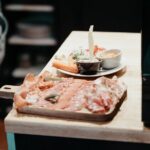
You’ll share a cheese and charcuterie platter, and you’ll also have water. This is not just “snacks included.” The food matters because it changes how wine tastes. Salt, fat, and texture can smooth tannins, highlight acidity, or shift fruit perception.
I like that the tour pairs the learning with something very French and very Toulouse: the kind of apéro you’d actually want to repeat after you go home. The guide will be steering you toward thoughtful tasting, not just mindlessly eating your way through the evening.
You can also use the platter as a tasting tool. If you love how a particular wine behaves with a specific cheese or cured meat, that’s a memory you can carry into your next meal.
Learning to describe what you love (so you can order anywhere)

This tour’s most practical promise is that you’ll learn how to describe the wines you like. That sounds simple. It’s not. Most people don’t lack taste; they lack the words.
By the end, you should be able to do things like:
- say what style you prefer (more fresh vs. more structured)
- describe the way the wine feels (light, round, drying)
- name what you noticed (aromatics, fruit, spice, acidity)
That’s how you avoid the classic menu trap: ordering something and hoping it works.
And the support doesn’t stop when you leave the last bar. You get a post-tour email list with the wines you tasted, the locations visited, and additional resources to keep your momentum going.
Value check: is $123 worth it?

At $123 per person for 150 minutes, you’re paying for more than wine. You’re paying for:
- a small group capped at 8
- stops at three wine bars
- at least the equivalent of 3 glasses of wine
- a shared cheese and charcuterie platter
- water
- an experienced local guide who’s also a wine expert
- wine tutoring on AOC/IGP and tasting technique
So, is it a bargain? Not exactly. One experience highlighted that it felt a bit expensive compared with other European tours. That’s a fair concern if you’re expecting more alcohol per dollar.
But if what you want is education plus a social, guided evening—especially with vocabulary you’ll use right away—then the value makes more sense. The tour isn’t positioned as a long-drinking party. It’s positioned as a smart way to learn how southwest France tastes.
A good rule: if you love the idea of tasting with instruction and leaving with a repeatable ordering skill, this price is easier to justify.
Who should book this Toulouse wine bar walking tour

This experience fits you best if:
- you want a small-group night with space for questions
- you enjoy learning wine in a relaxed way, not memorizing labels
- you’re curious about southwest France grapes like Négrette, Mauzac, and Braucol
- you plan to keep exploring Toulouse wine shops and restaurants after the tour
It’s also a strong choice if you’re traveling with only a few people, because the group size helps you actually connect with the guide and other guests.
It may not fit you if:
- you don’t drink wine (there are no substitutions)
- you’re looking for a long “bar crawl” style night (the tasting is measured)
Quick practical tips so the tour feels smooth

- Bring your best “ask questions” energy. This tour is built for it.
- Think about what you like already: red vs. white, light vs. full, fruity vs. dry. Even guesses help.
- Wear comfortable walking shoes. You’ll cover at least 2 km.
- If you have dietary restrictions, let the team know in advance so they can be prepared.
Should you book?
If you’re the type who wants more than a sip-and-stroll, I’d say yes. This tour is one of the more practical ways to understand Toulouse wine culture: apéro atmosphere, three local bars, and a structured lesson from a certified French Wine Scholar that gives you language for ordering later.
If you’re mainly after high volume drinking, skip it. The total wine is intentionally limited to about 3 glasses equivalent. You’re here for education, food, and a confident next order—not a late-night spill.
FAQ
How long is the Toulouse wine bar walking tour?
It lasts 150 minutes.
How many wine bars will we visit?
You’ll visit 3 wine bars.
What’s included in the tour?
Stops at 3 local wine bars, water, a shared cheese and charcuterie platter, and the equivalent of at least 3 glasses of wine. You also get recommendations, tips, and an experienced local guide who is a wine expert.
What languages is the tour offered in?
The tour is offered in English.
Is this tour suitable for children?
No. It is not suitable for children under 18.
Is the tour wheelchair accessible?
No. It is not suitable for wheelchair users.
Do I need to drink wine for this tour to work?
Yes. The tour notes that substitutions can’t be provided for people who don’t drink wine.
Where do we meet the guide?
You meet near the fountain in Place de la Trinité. Look for your guide carrying a tote with the Taste of Toulouse logo.