REVIEW · TOULOUSE
Toulouse Food & History Tour with a Chef (in English)
Book on Viator →Operated by Toulouse Gourmet Tours · Bookable on Viator
A good Toulouse walk starts with something you can eat. This chef-led food-and-history route strings landmarks and local legends into a 4-hour circuit across central Toulouse.
What I like most is how the guide’s stories stay tied to what’s on your plate, so the city’s past feels practical, not textbook. I also like that the tour is built for small groups, so questions and side comments land easily.
One thing to think about: you’ll be on your feet the whole time. There’s no seating, and the pace is designed around moving between stops.
In This Review
- Key highlights you should care about
- Why this Toulouse tour feels different than a typical walking food stop
- Meeting Point at Fondation Bemberg: the tour starts with style
- Price and value: what you’re really paying for
- Stop 1: Fondation Bemberg and the 16th-century money behind Toulouse pastries
- Stop 2: Quai de La Daurade and Toulouse’s 15th-century fire scars
- Stop 3: Tour de Serta and the thrill of an old timber frame
- Stop 4: Place Saint-Georges and the politics of a wrongful execution
- Stop 5: Marché Victor Hugo Toulouse and the cheese-and-wine pairing moment
- Stop 6: Basilique Saint-Sernin and a 2,000-year-old dessert story
- Stop 7: Place du Capitole and Toulouse’s aviation-era identity, plus charcuterie
- What the chef-guide adds (and why this tour gets 5-star energy)
- Logistics that matter: English, tickets, pacing, and the no-seating rule
- Who should book this chef-led Toulouse food-and-history walk?
- Should you book this Toulouse Food & History Tour with a Chef?
- FAQ
- Is the Toulouse Food & History Tour offered in English?
- How long is the tour?
- Where does the tour start and where does it end?
- Will there be seating during the tour?
- How big is the group?
- What if I have a food allergy or I don’t drink alcohol?
- Is the tour suitable for everyone physically?
- Is the tour dependent on weather?
- Are service animals allowed?
- What’s the cancellation policy?
Key highlights you should care about
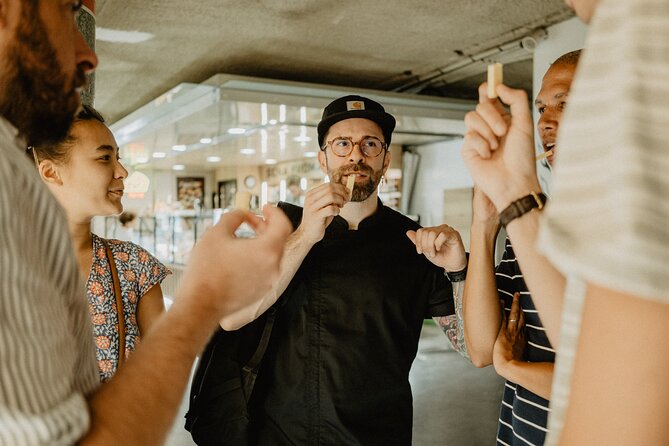
- Chef-prepped tastings at 7 stops, paced so you can keep walking
- Central Toulouse sights used as chapter markers, including Place du Capitole and Basilique Saint-Sernin
- History told through food, from the city’s big fire to famous regional products
- Hyperlocal cheese and wine pairing at the market square stop
- Small group size (listed caps of 10–14), so the tour feels personal
Why this Toulouse tour feels different than a typical walking food stop
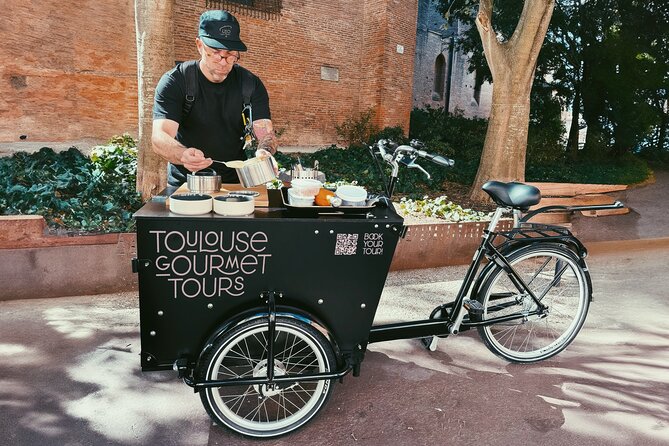
A lot of food tours in Europe do one job well: you taste. This one adds the second job: you understand what you’re tasting and why Toulouse does it that way. That matters because Toulouse food isn’t random. It’s tied to geography, money, disasters, and politics—plus a stubborn local pride in regional specialties.
You’ll also feel the structure. Seven stops isn’t a lot, but it’s enough to create a clean arc from wealthy mansions and medieval streets to the big public buildings and religious landmarks. And the format is very “show up, eat, walk, learn, repeat.” If you like tours that don’t drag, this one is built that way.
You can also read our reviews of more food & drink experiences in Toulouse

Meeting Point at Fondation Bemberg: the tour starts with style
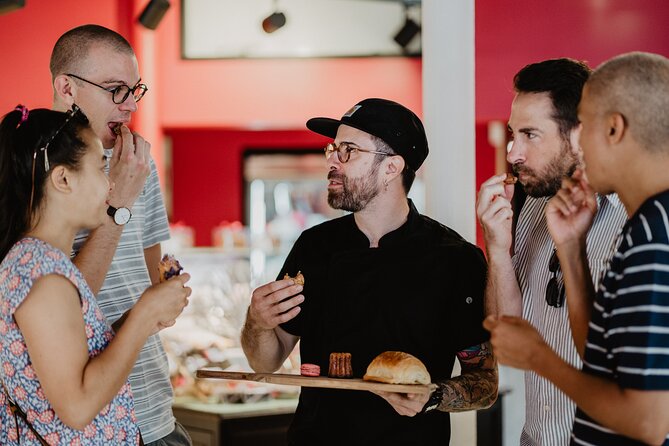
The tour meets at Georges Bemberg’s Foundation (Place d’Assezat, 31000 Toulouse). It’s a strong opening choice because you begin with architecture and local wealth before you start talking food.
From there, you’ll head into the center of town and keep the momentum. The tour ends at Basilique Saint-Sernin de Toulouse (7 Pl. Saint-Sernin, 31000 Toulouse), about a 5-minute walk from Place du Capitole. That end point is helpful if you want to keep exploring after the tour without backtracking.
Two practical notes for your comfort:
- The tour is in English and uses a mobile ticket.
- There’s a note for moderate physical fitness and “eating on your feet,” so plan on standing the whole time.
Price and value: what you’re really paying for
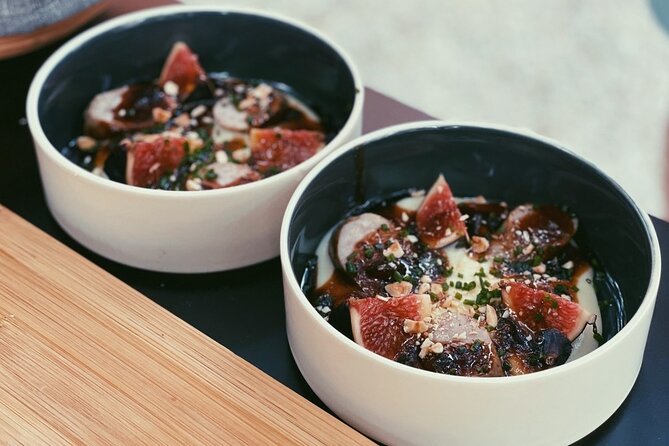
At $133.02 per person for about 4 hours, it’s not a cheap snack crawl. But it’s also not “paying for the walking.” You’re paying for a trained chef as your guide, plus the work behind coordinating multiple tastings and linking each one to a specific place in the city.
It also helps that the tour is kept to a small group size (limits are listed as a maximum of 10 travellers and also up to 14 travellers in the tour details). In a group that small, you’re more likely to get real explanation—not just pass-the-plate energy.
If you’re comparing value, look for tours that include more than store-bought bites. This one is built around chef presentation and historically anchored stops, so you’re leaving with both flavors and context you can reuse later that day.
Stop 1: Fondation Bemberg and the 16th-century money behind Toulouse pastries
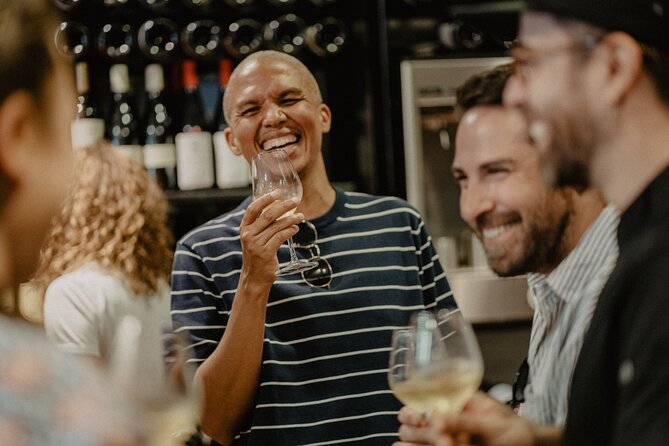
Your first stop is Fondation Bemberg—a chance to see one of Toulouse’s most impressive private mansions (and to learn how certain families got rich enough to build like this in the 1500s).
The food moment here is the city’s iconic baked good. You’ll start with something warm and familiar—chocolatine-style pastry in local terms—so you get an immediate taste of Toulouse’s daily rhythm, not just a formal history lecture.
Why this stop works:
- It sets the theme: Toulouse prosperity and taste are linked.
- It gives you a quick cultural “baseline” early, so later dishes feel connected.
Possible drawback:
- Since the tasting starts right at the foundation area, it can be a little “right away, then walk.” Wear comfortable shoes so the early momentum doesn’t feel like a sprint.
Stop 2: Quai de La Daurade and Toulouse’s 15th-century fire scars
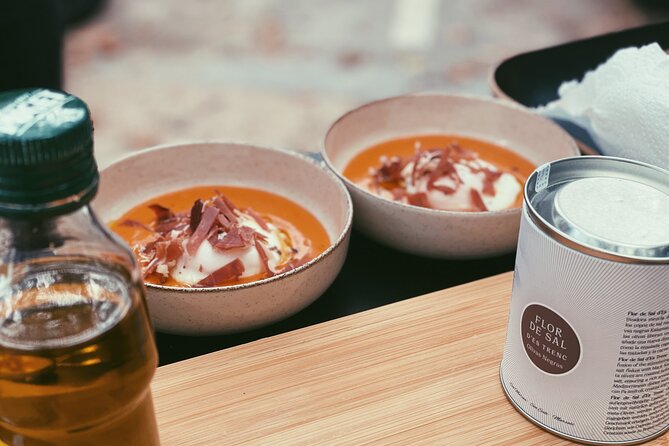
Next is Quai de La Daurade, with a view over the Garonne River. Then comes a major story: Toulouse had a devastating fire in the 15th century that burned down about 85% of the city and reshaped how the city was built.
That kind of event is exactly what makes historical tours practical. You don’t just learn that something happened—you understand why the streets and architecture you’re seeing now exist in that form.
Your tasting here is a sweet bite from the town’s oldest pâtisserie. That choice is smart: it anchors a big city trauma (the fire) to a small daily habit (the pastry you can buy and eat).
What to watch for:
- River-area weather can shift fast. If it’s windy or chilly, bring a layer even in mild seasons.
A few more Toulouse tours and experiences worth a look



Stop 3: Tour de Serta and the thrill of an old timber frame
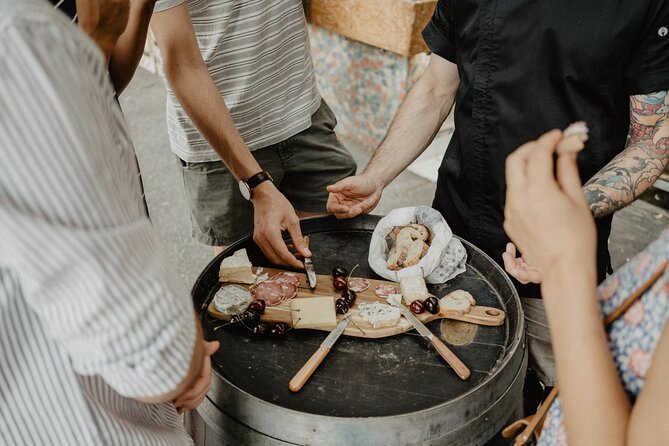
At Tour de Serta, you’ll look at what’s described as the oldest timber frame house in town, dating back to 1533. This is one of those stops where the physical object does the storytelling. You’re not trying to picture an era—you’re looking at it.
The tour keeps its pacing tight here—about a half-hour on this stop—so you get time to notice details without losing the thread of the tour.
Small caveat:
- Timber-framed buildings can mean tighter viewpoints. If you’re someone who hates standing in narrow spots for photos, plan for that during this stop.
Stop 4: Place Saint-Georges and the politics of a wrongful execution
Next is Place Saint-Georges, where the tour shifts from architecture to consequence. You’ll hear about a wrongful execution in the 18th century and how it changed the country’s political future after the Revolution.
It’s a heavy topic, but the tour handles it in short segments, tied to location. That’s important because otherwise history stops turn into lectures. Here, the story stays linked to what you’ll eat.
Your meal moment is a main course featuring la véritable saucisse de Toulouse—the “real” Toulouse sausage. This is one of those region-specific foods where the label matters. You’ll get the dish in a way that feels like it belongs to this square and to the area’s identity.
Why you’ll probably enjoy this stop:
- You get one of Toulouse’s best-known meat signatures in the context of how the city changed.
Consideration:
- If you don’t eat pork or avoid sausage-style dishes, check ahead. The tour data only mentions alerting for allergies or if you don’t drink alcohol, not specific dietary restrictions. Better to message early.
Stop 5: Marché Victor Hugo Toulouse and the cheese-and-wine pairing moment

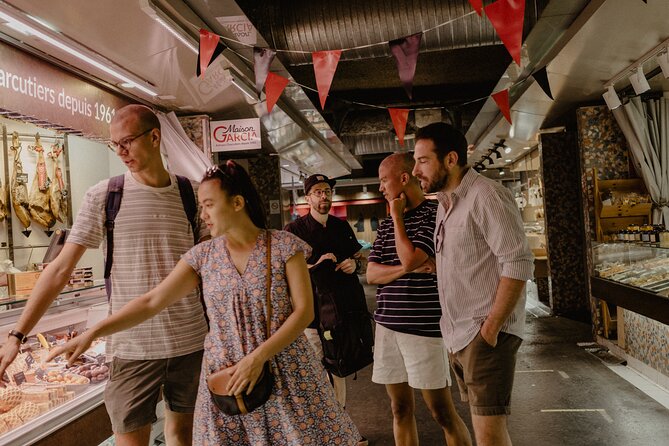
This stop is a big payoff: Marché Victor Hugo Toulouse. You’ll trace how this square evolved from a medieval rampart to an art-nouveau market, and eventually ended up as a brutalist car park built in concrete.
That timeline is fun because it shows how cities keep rewriting themselves. One square can change roles again and again, and you still stand in the same spot thinking, Wait—how did it all shift so much?
Then comes the tasting that many people remember: an amazing cheese and wine pairing featuring artisanal, hyperlocal cheeses and wine.
Why this stop matters for your money:
- Pairings take planning. Cheese and wine aren’t “grab a bite” items. They’re curated, and you taste combinations you might not choose on your own—especially in a market environment.
One practical thing:
- You’ll be eating while standing. If you’re the type who prefers a seated meal, this stop is still worth it, but plan your comfort first.
Stop 6: Basilique Saint-Sernin and a 2,000-year-old dessert story
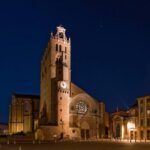
At Basilique Saint-Sernin, you’ll hear the story of the first Christian of Toulouse who fought against the Roman Empire. It’s a major religious landmark, and the tour keeps the focus on narrative—who these people were, and why the place mattered.
Then comes dessert: Toulouse’s most famous cake, described as having a recipe over 2000 years old.
Is the cake’s age something you’ll want to think about with a scientist’s brain? Probably not. For me, the point is the connection: Toulouse treats food like a living archive. You’re tasting something that has been reinterpreted for centuries, even if the exact recipe details shift over time.
Comfort tip:
- Churches can be cool inside, even on warm days. Bring a layer so you don’t feel frozen right after walking in sun.
Stop 7: Place du Capitole and Toulouse’s aviation-era identity, plus charcuterie
The finale is Place du Capitole. Here, the tour moves into more modern Toulouse identity: the city’s aviation history and why it became an aerospace hub of Europe, with ties to Airbus.
Right after that shift, you’ll sample the most typical charcuterie product from this area. It’s a nice contrast to earlier stops: from timber and medieval squares to modern industry—then back to the food that ties it all together.
If you’re finishing your day here, you’ll be in a prime spot to keep exploring. The tour ends at Basilique Saint-Sernin, but Place du Capitole is close enough that it’s easy to bounce between them afterward.
What the chef-guide adds (and why this tour gets 5-star energy)
The biggest recurring theme in this experience is the chef-guide who doesn’t treat food like a side dish to the story. Names you may see associated with the tour include Alejandro and Alex. They’re described as friendly, engaging, and focused on tying each stop’s dish to the location’s history.
You also get practical “how to eat France” style tips—little rituals and logic about French food that you can use after the tour, not just during it. And the tour format is often praised as being creative, with a flow that feels like a multi-chapter narrative rather than random stops.
One more detail I really like for your planning: guides often follow up with recommendations after the tour. Some people mention getting photos and notes, plus extra market and restaurant pointers. That’s useful because it helps you keep eating well after the tour ends—without guessing.
Logistics that matter: English, tickets, pacing, and the no-seating rule
Here are the practical pieces that will affect your experience:
- Language: Offered in English.
- Ticket: Mobile ticket.
- Group size: capped in the low teens (listed limits include max 10 and also max 14).
- Start time: 10:00 am.
- Duration: about 4 hours.
- Mobility: moderate physical fitness; you’ll be eating on your feet with no seating.
If you want the tour to feel effortless, dress like you’re doing a long city walk: comfortable shoes, layer for weather, and keep your phone accessible for photos when you pause at stops.
Also, the tour requires good weather. If it’s canceled for poor weather, you’ll be offered a different date or a full refund.
Who should book this chef-led Toulouse food-and-history walk?
This tour is a great match if:
- You want a short, high-impact way to understand Toulouse.
- You love the combo of food and stories tied to places.
- You’d rather walk with a small group than shuffle through a big crowd.
- You want dishes that feel hyperlocal, especially the market cheese and wine pairing.
It may be less ideal if:
- You need frequent seating breaks or have limited ability to stand/walk for long stretches.
- You have complicated dietary needs beyond allergies (the tour asks you to alert them for food allergies and for alcohol preferences at least 24 hours in advance).
Should you book this Toulouse Food & History Tour with a Chef?
Book it if you want Toulouse to make sense fast—through food, architecture, and the city’s turning points. The best reason to choose it is that it’s not only about what you eat. It’s about how each tasting connects to a specific place, from Fondation Bemberg to Basilique Saint-Sernin and the Place du Capitole finish.
Skip or reconsider if standing the whole time sounds miserable. Since there’s no seating and you’ll be eating on your feet, it’s the one constraint that can change how much you enjoy the tour.
If you’re here for a few days and want one “anchor” experience to orient you, this is a strong first or second stop. The format is designed to get you full—physically and in terms of understanding the city.
FAQ
Is the Toulouse Food & History Tour offered in English?
Yes. The experience is offered in English, and confirmation is received at the time of booking.
How long is the tour?
The tour lasts about 4 hours.
Where does the tour start and where does it end?
It starts at Georges Bemberg’s Foundation (Hotel of Assézat, Place d’Assezat, 31000 Toulouse) and ends at Basilique Saint-Sernin de Toulouse (7 Pl. Saint-Sernin, 31000 Toulouse).
Will there be seating during the tour?
No. The tour notes that there is no seating, and you’ll be eating while standing and walking.
How big is the group?
The tour is listed with a maximum of 10 travellers, and also with an upper cap of 14 travellers in the tour details.
What if I have a food allergy or I don’t drink alcohol?
You should alert the operator at least 24 hours in advance if you have food allergies or if you don’t drink alcohol.
Is the tour suitable for everyone physically?
The tour is noted as requiring moderate physical fitness and involves walking/eating on your feet.
Is the tour dependent on weather?
Yes. It requires good weather. If it’s canceled due to poor weather, you’ll be offered a different date or a full refund.
Are service animals allowed?
Yes. Service animals are allowed.
What’s the cancellation policy?
There is free cancellation. You can cancel up to 24 hours in advance for a full refund (cut-off is based on local time).