REVIEW · TOULOUSE
Toulouse Food & History Tour with a Chef (in English)
Book on GetYourGuide →Operated by Toulouse Gourmet Tours · Bookable on GetYourGuide
If you like food with a side of city history, this tour hits the mark. Chef Alejandro turns Toulouse landmarks into a story you can eat, with hands-on dishes and classic regional bites. I love the chef-guided format (not just store browsing) and the way each stop connects to what made Toulouse Toulouse. One thing to consider: it’s an outdoor walk, and the tour won’t run in rainy conditions.
What makes this feel different is the setup: the trained chef works from a cart, designed for cooking and plating as you move through the historic center. You get a guided route that ties major sites to food traditions, so you’re not just tasting things—you’re learning why those flavors belong here. Chef Alejandro is also the type to share practical takeaways, including ideas for where to eat next, not just the tour stuff.
Expect a smooth 4-hour experience built around multiple tastings, including cheese and wine pairing, regional charcuterie made with Porc Noir de Bigorre AOP, and a dessert with a story that stretches back over 2,000 years. The walking is manageable for most people, but it’s still several stops on pavement—so comfortable shoes help a lot.
In This Review
- Key highlights: chef on a cart, big Toulouse sites, and 2,000-year-old dessert
- Chef Alejandro on a cart: what makes this tour feel different
- The 4-hour loop through Toulouse landmarks
- Hôtel d’Assézat and the Bemberg Museum stop
- Quai de la Daurade: the fire that changed the city
- Church of the Jacobins and older timber-frame ties
- Place du Capitole: aviation history meets charcuterie
- Place Saint-Georges: a political turning point, then the region’s sausage
- Victor Hugo Market: cheese and wine with serious focus
- Basilique Saint-Sernin: end the tour with the most ancient pastry story
- What you’ll eat and drink: cheese, charcuterie, and classic Toulouse sweets
- The day’s cooking may vary, but the intent stays the same
- Price and value: is $129 per person fair?
- Pacing, walking, and what to bring (and why)
- A small, realistic expectation on group energy
- Who this tour suits best (and who should skip it)
- Should you book this Toulouse Food & History Tour with a Chef?
- FAQ
- FAQ
- How long is the Toulouse Food & History Tour with a Chef?
- Where does the tour start and where does it end?
- Is the tour offered in English?
- What food and drinks are included?
- Does the tour run in rainy weather?
- Is the tour suitable for children or mobility needs?
Key highlights: chef on a cart, big Toulouse sites, and 2,000-year-old dessert
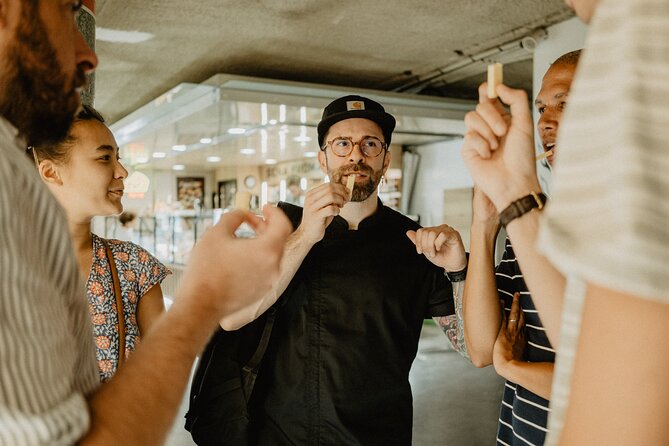
- Chef Alejandro cooks on a cart, so you get more than pre-packaged samples.
- 6+ landmarks with 6 story moments in the historic center, from the Canal-side views to major churches.
- Cheese and wine pairing at Victor Hugo Market, focused on artisanal and very local choices.
- Porc Noir de Bigorre AOP charcuterie as a standout Southwestern French taste.
- A pastry stop tied to a 2000-year-old recipe tradition in Toulouse.
Chef Alejandro on a cart: what makes this tour feel different
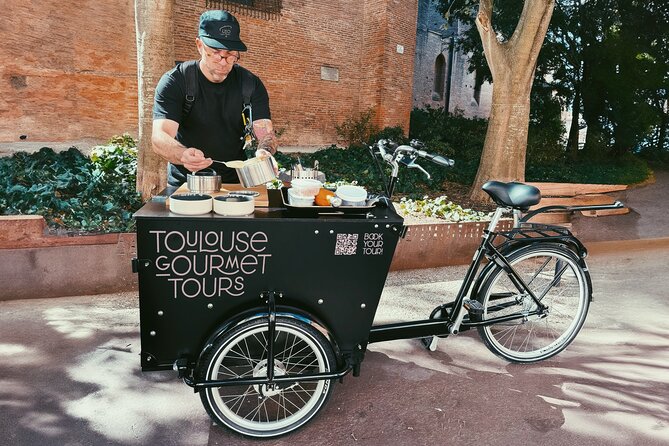
A lot of food tours in France are basically guided snack runs. This one starts from a different premise: Chef Alejandro is the guide, and he’s there to explain the food as it happens—how it fits the region and why it matters. That changes the tone. The tastings feel less like errands and more like a lesson you can chew.
I also like the direct link between food and place. You’ll walk past well-known Toulouse sights, but the stories are anchored to what you’re eating at that moment. It’s a smart way to remember details: you taste, then you understand.
One practical note from how the experience can run day-to-day: depending on season and conditions, the cart cooking can be more limited, and some items may come from partnered spots. Either way, you’re still getting guided food samples and the historical tie-in.
You can also read our reviews of more food & drink experiences in Toulouse


The 4-hour loop through Toulouse landmarks
This tour starts at Georges Bemberg’s Foundation – Hôtel d’Assézat, then works through the historic center, ending at Basilique Saint-Sernin de Toulouse. The pace is designed so you’re never sitting too long, but you also don’t feel rushed between tastings.
Along the way, you’ll hit major architecture and urban history points that Toulouse does unusually well. The city has layers—Roman-era roots, medieval rebuilding, and later influence from modern industries—so the “history” part feels real, not just textbook.
Hôtel d’Assézat and the Bemberg Museum stop
You begin at the Hôtel d’Assézat area, known for its standout private mansion architecture and the families who built fortunes there in the 16th century. There’s a guided museum visit to set the context and get your bearings before the food part ramps up.
This early start matters. When you understand what kind of wealth shaped these buildings, the later food stops feel less random—like they’re part of a bigger system of trade, taste, and status.
Quai de la Daurade: the fire that changed the city
Next comes the Garonne river side at Quai de la Daurade, where the big story is the great fire of Toulouse in the 15th century. The city burned down massively, and you’ll be guided toward how that shaped what you see afterward.
While you take in the views, you’ll also have a sweet bite from an old pâtisserie connection. It’s a nice moment: history outside, sweetness in hand, and a sense of how everyday life survived disasters and rebuilt.
Church of the Jacobins and older timber-frame ties
Then the route turns toward major religious architecture, including the Church of the Jacobins. This is where the storytelling leans into medieval Toulouse and how people organized life through churches and neighborhoods.
In this general stretch, the tour is also designed to connect you with older structural Toulouse elements, including the Tour de Serta, described as the oldest timber-frame house in town built for Pierre de Serta in 1533. Even if you don’t linger everywhere, the context makes the buildings feel personal.
A few more Toulouse tours and experiences worth a look




Place du Capitole: aviation history meets charcuterie
At Place du Capitole, you’ll get a surprising angle on Toulouse: aviation history and why the city became a European aerospace hub, tied to Airbus headquarters. That modern thread is important because it shows Toulouse as a living city, not just a postcard.
Right here, you also sample a typical local charcuterie product connected to the area. The star in this tour’s charcuterie element is Porc Noir de Bigorre AOP, which brings a very Southwestern French flavor profile to the table.
Place Saint-Georges: a political turning point, then the region’s sausage
At Place Saint-Georges, the history centers on a wrongful execution in the 18th century and how that changed political events after the Revolution. It’s heavy for a food tour moment, but that’s exactly why it works—you’re seeing how cities remember themselves.
The food stop here is built around the region’s signature: la véritable saucisse de Toulouse. If you want to taste what locals actually mean when they talk about Toulouse food identity, this is one of your best checkpoints.
Victor Hugo Market: cheese and wine with serious focus
The market stop at Marché Victor Hugo (Victor Hugo Market) is the longest tasting moment, designed for a deeper food experience rather than quick bites. You’ll follow the evolution of the square in history, from earlier defensive and medieval uses to later styles and changes in how the space functioned.
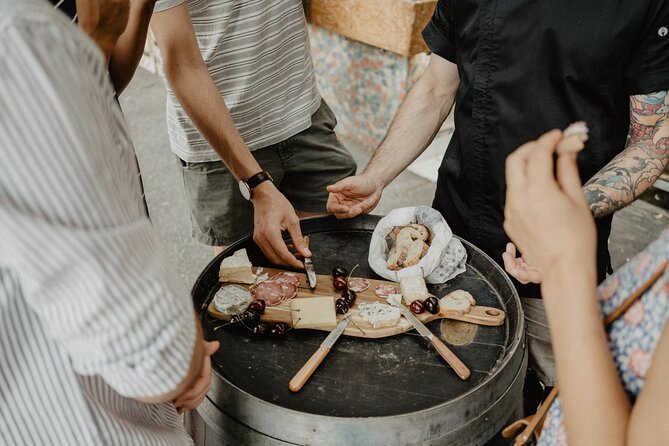
Then comes the best part for cheese fans: a guided cheese and wine pairing with artisanal and very local cheeses. I like that the tour doesn’t treat cheese like a generic French detail. It frames it like a craft, with pairing treated as part of how you taste.
Basilique Saint-Sernin: end the tour with the most ancient pastry story
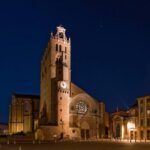
The tour finishes at Basilique Saint-Sernin de Toulouse, where you’ll hear the story tied to the first Christian of Toulouse and the conflict with the Roman Empire. It’s a strong ending because the setting is dramatic, and the spiritual history ties back to Toulouse’s long timeline.
And yes, you’ll have dessert here too: a cake described as having a recipe over 2,000 years old. If you’re the type who likes to end a trip day with a meaningful bite, this does it.
What you’ll eat and drink: cheese, charcuterie, and classic Toulouse sweets
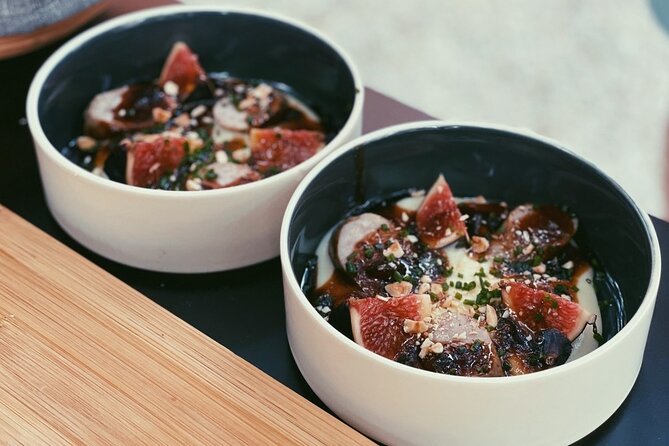
This tour is built around the idea that Toulouse cuisine isn’t one “thing.” It’s a lineup: savory and sweet, local and historical, and often tied to very specific regional products.
Here’s what stands out based on the tour’s tasting design:
- Charcuterie with Porc Noir de Bigorre AOP: this is the big Southwestern French flex. You get a taste connected to a protected origin, not just any cured meat.
- The French cheese world, explained by tasting: the market pairing is meant to demystify cheeses through samples. If you’ve ever stared at a fromage board and felt lost, this helps your brain build categories fast.
- Sauce and sausage identity (la véritable saucisse de Toulouse): this isn’t just a random main course. It’s a regional signature placed at a site with major Toulouse political history.
- A 2,000-year-old pastry tradition: dessert here isn’t treated as an afterthought. It’s the finale story—ancient recipe heritage framed in modern tasting form.
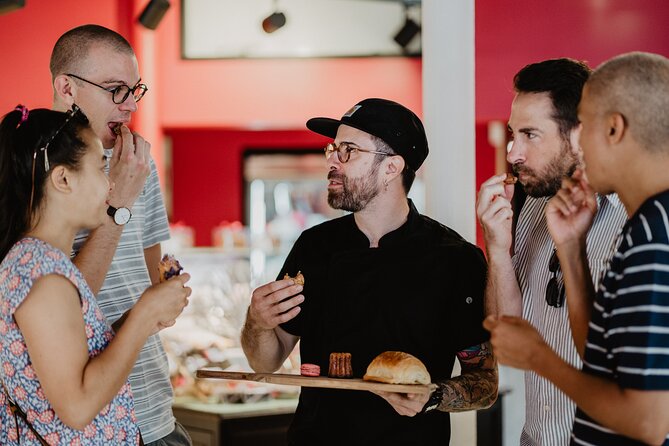
- Sweets at key stops: including a sweet bite from a town-old pâtisserie connection, plus the classic baked good moment early on.
The day’s cooking may vary, but the intent stays the same
Chef Alejandro’s cart cooking is central to the concept, but how much he cooks on the cart can shift with weather and season. On certain days, the tour may lean more on partner spots for some items. The key is that it’s still framed and guided as part of the story, not just grab-and-go.
That matters for planning. If you’re hoping for a highly theatrical cooking show every minute, temper expectations. If you want structured tasting with real local specificity, you’ll still get your money’s worth.
Price and value: is $129 per person fair?
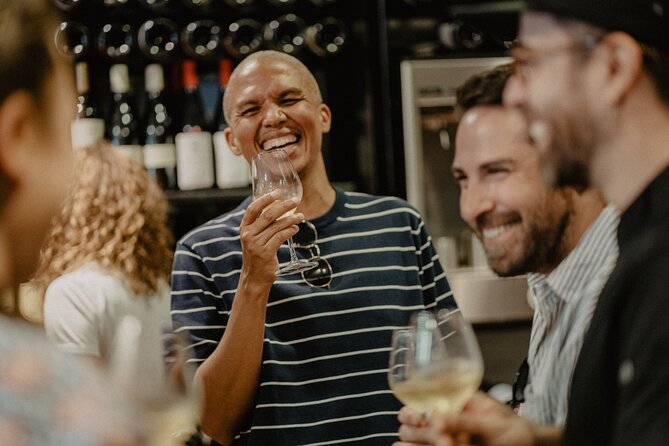
At $129 per person for a 4-hour walking experience, the value equation depends on how you like your food tours. If you want a quick highlight reel of popular places, this price might feel steep. If you want guided history tied to specific regional ingredients, it’s easier to justify.
What you’re paying for is a mix of three things:
- A trained chef as the guide, with food prep and plating as part of the experience.
- Multiple tastings spread across landmark stops, including charcuterie and a cheese-and-wine pairing.
- Entrance/guided museum time, plus a full guided walk through major Toulouse sites rather than only storefronts.
Reviews reflect that many people leave with the feeling that the tour is filling—meaning you’re not hungry afterward and you didn’t just nibble five bites. Also, the guide’s ability to link architecture, events, and cuisine is a major part of the perceived value.
If you’re visiting Toulouse for only a short time, this tour can save mental effort. It gives you a framework for what to look for the rest of your trip.
Pacing, walking, and what to bring (and why)
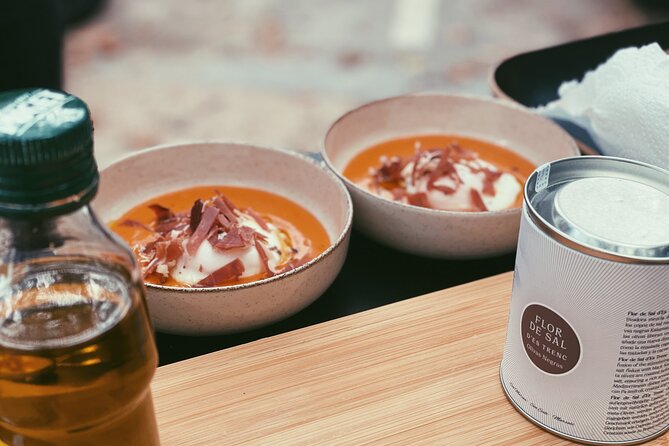
This is an outdoor walking tour through the historic city center. The total duration is listed at 4 hours, and the outdoor portion is around 3.5 hours. You’ll want to plan for standing and walking between stops.
Bring:
- Comfortable clothes and comfortable shoes
- An umbrella (even though the tour does not operate in rainy conditions)
- Passport or ID card
If rain is in the forecast, the tour can be rescheduled or canceled. That’s not just admin talk—it affects what you’ll experience, especially the outdoor route and cart cooking elements.
A small, realistic expectation on group energy
The tour runs with at least two participants, so you’ll generally have a small group setup. Reviews mention a friendly group feel, and that usually makes tasting tours more relaxed because you’re not just staring at the guide—you’re chatting and asking questions between bites.
Who this tour suits best (and who should skip it)
This works well if you:
- Love food with context, not food in isolation
- Want a guided history route with major Toulouse sites
- Care about regional product specifics, especially cheese and charcuterie
- Appreciate structured tastings where each stop has a reason
It’s less ideal if you:
- Need a low-walking, seated-only tour
- Travel with children under 12 (not suitable)
- Have mobility impairments (not suitable)
Should you book this Toulouse Food & History Tour with a Chef?
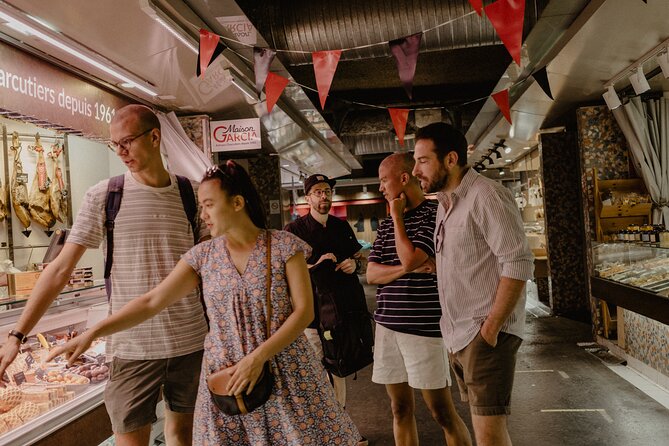
I’d book it if you want a Toulouse experience that’s part culinary lesson, part city storytelling, and part very real eating. The pairing of chef-led cooking, landmark history, and product-focused tastings (including Porc Noir de Bigorre AOP and a cheese-and-wine moment) is a strong combo for the price.
If you’re the type who prefers self-guided wandering and casual sampling, you might get a cheaper experience doing your own market walk. But if you want someone to connect the dots for you, this tour does that job well, with Chef Alejandro at the center.
FAQ
FAQ
How long is the Toulouse Food & History Tour with a Chef?
The tour is 4 hours long.
Where does the tour start and where does it end?
It starts in front of Hotel of Assézat – Georges Bemberg’s Foundation, and it ends at Basilique Saint-Sernin de Toulouse.
Is the tour offered in English?
Yes, the tour is in English with a live guide.
What food and drinks are included?
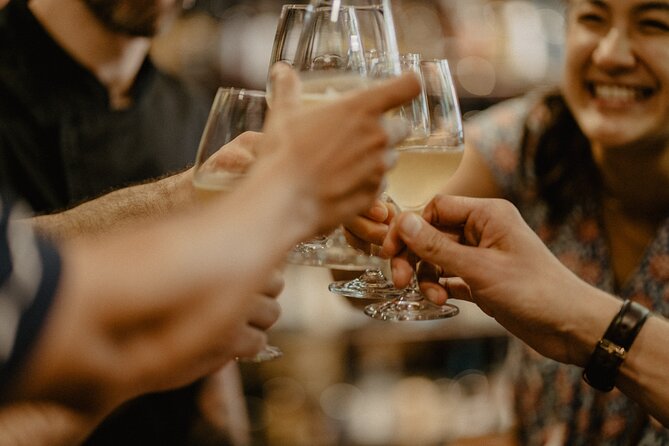
You’ll get food and drink samples, including tastings such as charcuterie, cheese, and wine, plus dessert items. A guide is included with the experience.
Does the tour run in rainy weather?
No. The tour is conducted outdoors and does not operate in rainy conditions. If rain is forecast, you’ll be contacted to reschedule or cancel.
Is the tour suitable for children or mobility needs?
It’s not suitable for children under 12, and it’s also not suitable for people with mobility impairments.