REVIEW · TOULOUSE
Toulouse: Genealogy Workshop – French Ancestry
Book on GetYourGuide →Operated by Anaïs Généalogie · Bookable on GetYourGuide
Tracing French ancestry can quickly turn a pile of old names into a real story. In this two-hour Toulouse workshop, genealogist Anaïs shows you how to search French online archives, then helps you test those methods on your own family or a sample case.
I like the practical format: you leave with an A3 family tree and clear suggestions for continuing at home. I also like the setting, a quiet café on the top floor of Midica, where a coffee and a view over Toulouse make archival research feel less like paperwork.
The main limitation is clear: Anaïs works with French archives, so this is not the right session for tracing ancestors who have no French connection. It is also aimed at adults, and two hours can only open the door to a larger project.
In This Review
- Key points to know before booking
- Why this Toulouse workshop is different from a standard city activity
- Starting at Midica on Esquirol Square
- The first step: turning family memories into search terms
- Searching digitized French archives with Anaïs
- Building your A3 family tree as you work
- What happens after the two hours
- The value of a $47 private session
- Who will get the most from this experience
- Practical preparation for a productive session
- Booking, access, and cancellation details
- Should you book the French ancestry workshop?
- FAQ
- Where does the genealogy workshop meet?
- How long does the session last?
- Is the first coffee included?
- Do I need French ancestry to participate?
- What should I bring?
- Is the workshop available in English and accessible by wheelchair?
Key points to know before booking
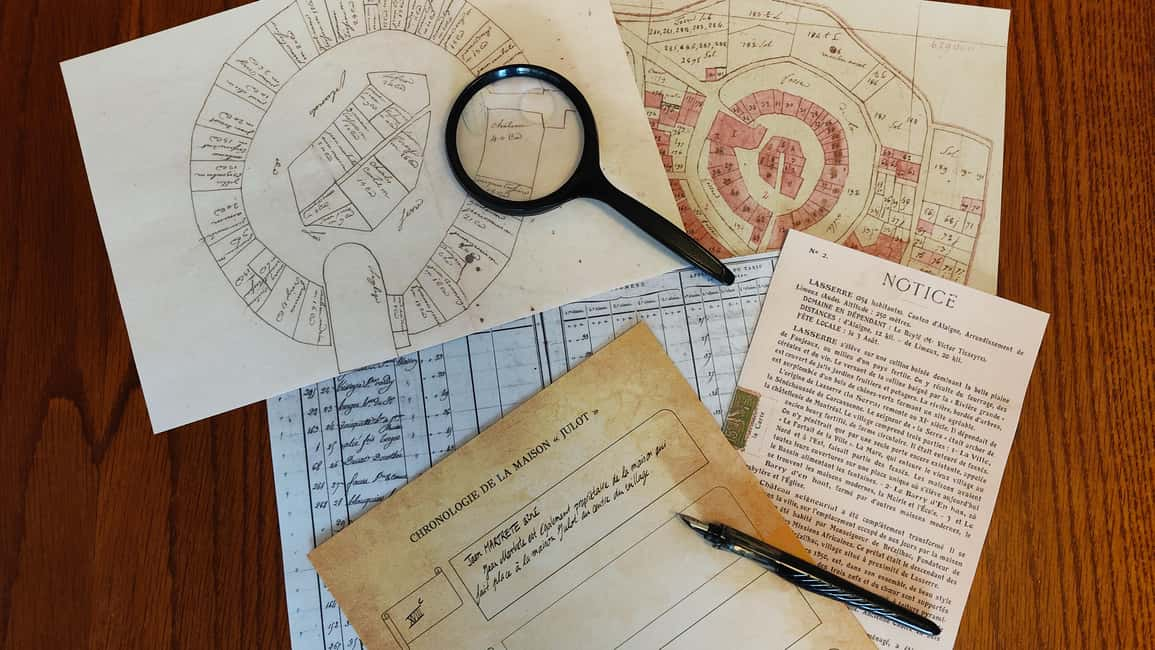
- Search French archives with a professional genealogist: Anaïs explains where to begin and how to use digitized records.
- Bring family basics: Names, first names, and birth and death dates for grandparents and great-grandparents give you the best starting point.
- Work on a real ancestor or a case study: You can bring a specific person to investigate, or learn through an example if your family is not French.
- Take home a working family tree: You fill out an A3-sized sheet during the session rather than leaving with only general advice.
- Receive the documents found together: Anaïs emails the original records located during the workshop after the meeting.
- Meet in central Toulouse: The café is on the fourth floor of Midica department store at Esquirol Square, with elevator access.
Why this Toulouse workshop is different from a standard city activity
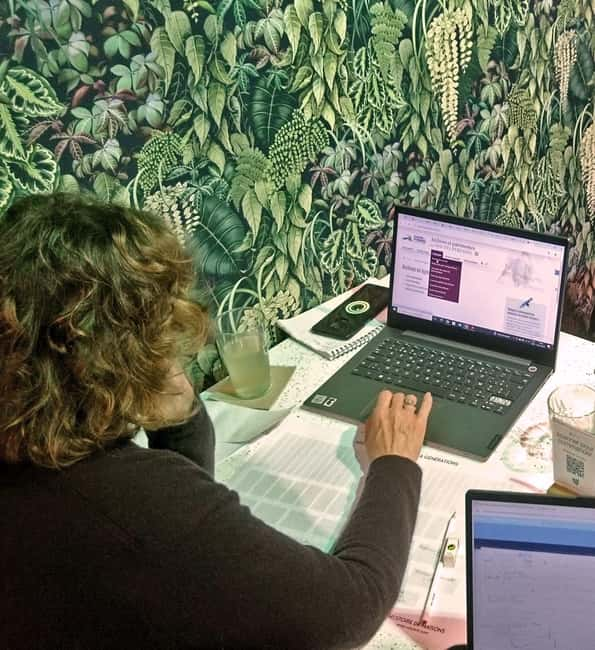
Most Toulouse experiences focus on architecture, food, or the city’s past. This one turns the spotlight toward your past. Instead of simply hearing about French history, you use French records to ask questions about a person in your own family.
That difference matters. Genealogy can feel confusing at first because names repeat, dates conflict, and old records are stored across many types of archives. Anaïs gives you a method for sorting those pieces. You learn what to search for, where to look, and how one record can point toward the next.
The workshop is private, which gives it a useful advantage over a large class. You can ask about a particular surname, town, or ancestor without waiting for a general presentation to finish. If you arrive with a focused question, Anaïs will try to work on it through online archives during the session.
This is not a promise that every family mystery will be solved in two hours. Genealogy rarely works that neatly. The real value is learning how to continue once the meeting ends.
You can also read our reviews of more tours and experiences in Toulouse.

Starting at Midica on Esquirol Square
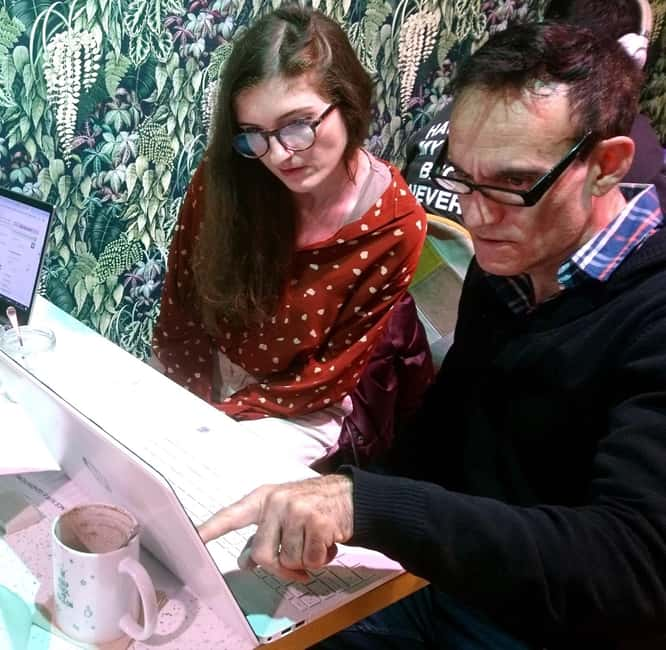
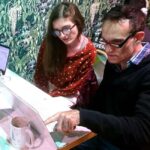
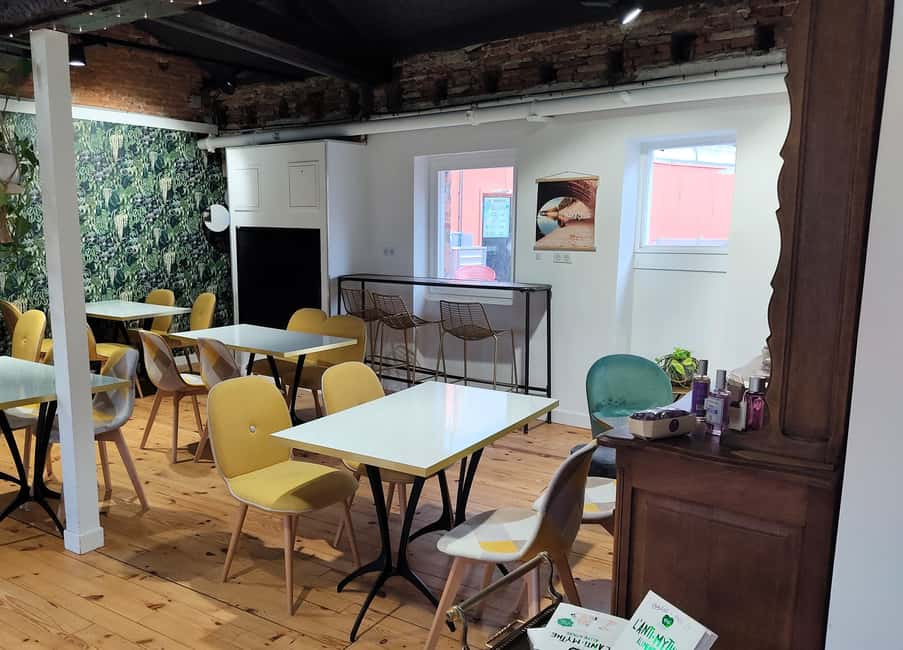
You meet Anaïs on the fourth floor of the Midica department store, at Esquirol Square. Look for her with a laptop. The café can be reached by elevator, an important detail if stairs are difficult for you or if you are carrying your own computer and notes.
The setting is informal. You are not sitting in a formal archive reading room, and you are not expected to know how French genealogy works before you arrive. The café overlooks Toulouse, and the background music is light enough for conversation and computer work.
Your first coffee is included. Food and additional drinks cost extra, so plan on the included cup as a pleasant part of the meeting rather than a full café stop. The location also makes this easy to fit into a day in central Toulouse, though the session itself is focused work, not a guided tour of the square or department store.
A café has one small trade-off: it is a public setting rather than a silent research library. The music should not interfere with the workshop, but anyone who needs complete quiet for concentration may prefer to keep expectations realistic.
The first step: turning family memories into search terms
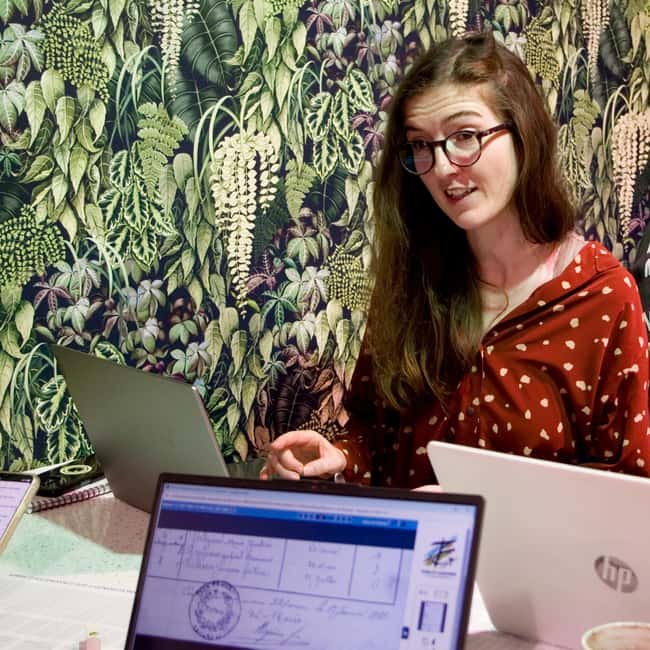
Anaïs recommends gathering basic information before you arrive. Write down the names and first names of your grandparents and great-grandparents, along with their birth and death dates if you have them.
This preparation can be simple. You do not need a finished family tree or a box of perfectly organized documents. Even partial information gives Anaïs something to test in the archives. A town name, an approximate date, or an unusual surname may help narrow a search.
If you are already researching, bring one clear question. You might want to focus on a particular ancestor or find out where a family line lived in France. A focused subject helps the two-hour session move quickly.
If you are starting from zero, the workshop can still work. Anaïs can use a case study to show the process, but you should understand that a case study will not provide the same personal result as working from your own family details.
I would bring a short written list rather than relying on memory. Include alternate spellings, places connected with your family, and any dates that may be approximate. If you have a laptop, bring it. Anaïs has one, but working on two computers lets you follow the search and practice at the same time.
Searching digitized French archives with Anaïs
The central part of the workshop is an introduction to online French genealogy research. Anaïs shows you how to begin with digitized archives and explains the kinds of information that may be available about French ancestors.
That phrase matters because many first-time researchers expect only birth, marriage, and death details. French archival research can offer more directions than that. The exact records available will depend on the person, place, and period, but Anaïs helps you understand how to identify useful sources and choose your next search.
The process is meant to be hands-on. You do not simply watch Anaïs click through websites. You can follow along on your own laptop, ask why a particular record matters, and learn how one clue leads to another.
One especially useful subject is migration. During the early twentieth century, family members often moved between towns or regions for work, marriage, or other reasons. A search that begins in one place may lead to records elsewhere. Anaïs can help explain these movement patterns, which gives dates and addresses more meaning than a bare list of names.
That context was a strong part of the session for one participant, who learned how early twentieth-century migration patterns could help explain an ancestor’s path. You should not expect a full social history of your family in one sitting, but this kind of explanation can stop you from assuming that a missing record means a dead end.
The biggest benefit is learning how to think like a researcher. Instead of typing a name repeatedly and hoping something appears, you begin to ask better questions: Which French department should I search? What date range makes sense? What record could confirm this person’s identity?
Building your A3 family tree as you work
During the search, you fill out a family tree on an A3-sized sheet. The large format gives you room to connect several generations and note the information that emerges.
This is more useful than it may sound. Online research can become a blur of browser tabs and downloaded files. Writing names and dates onto one physical page helps you see gaps, repeated names, and uncertain links.
The sheet also gives you a clear take-home result. You may not finish the entire tree, but you will have a working structure for future research. Mark uncertain information clearly, since genealogy often involves clues that still need confirmation.
I like this part because it joins explanation with action. You are not just collecting tips for later. You are practicing the basic habit that makes family research manageable: record what you know, separate it from what you suspect, and leave space for the next document.
If your family has several possible lines, use the session to concentrate on one. Trying to investigate every grandparent and great-grandparent at once can scatter your attention. A single ancestor, couple, or French branch will usually make better use of the limited time.

What happens after the two hours
The meeting does not end with a vague suggestion to keep searching. Anaïs provides further research paths so you can continue independently through online resources or physical archive services.
This follow-up guidance is important because genealogy is often slow. Some records are easy to find, while others require comparing dates, locations, and family relationships. You may need to contact or visit an archive service later, and knowing which institution or type of record to pursue can save considerable time.
Anaïs also emails the original documents found together after the session. Keep these files organized as soon as they arrive. Give each document a useful filename with the person, record type, and date if known. That simple habit will make later work much easier.
The emailed documents are not a substitute for learning the method. Their real value is that they give you a small, concrete research file to study after the workshop. You can compare what Anaïs found with your A3 family tree and use the same steps on another branch.
For a serious genealogy project, think of this workshop as a launch point. It can help you avoid common early mistakes, but it cannot replace sustained research across many records and years.
The value of a $47 private session
At $47 per person, the workshop costs more than a casual coffee meeting but less than many specialist private consultations. The price includes the two-hour session, the first coffee, and the A3 family tree sheet.
The strongest value comes from the private format. You are paying for direct attention from Anaïs and for help applying French archival methods to a subject that matters to you. If you arrive prepared with names, dates, and a specific question, the session has a better chance of producing useful results.
It is also good value for someone who has tried searching alone and become stuck. A short explanation of how French archives are organized may save you hours of random searching. The research paths you receive afterward extend the usefulness beyond the time spent at the café.
The value is lower if you have no French ancestry and do not want a general case study. Anaïs is clear about her scope: she works with French archives only. You should also think of the $47 as payment for instruction and a starting file, not a guarantee that a famous ancestor or complete family line will appear.
Because the group is private, this can suit relatives who want to research together. The data provided does not specify a maximum group size, so check availability if more than one person plans to attend.
Who will get the most from this experience
This workshop is a strong match for adults with French parents, grandparents, or more distant ancestors. It is especially useful if you have a few family facts but no clear idea how to turn them into a search.
It also suits people who enjoy practical learning. You will work with online archives, write on a family tree, and receive next steps. If you prefer a relaxed activity with a clear connection to your own family, the café setting helps keep the subject approachable.
Bring this experience into your plans if you have already been visiting Toulouse and want an activity tied to the region rather than another general sightseeing stop. It offers a personal connection to France, even if the ancestor you study lived far from Toulouse.
It is not suitable for children under 18. It is also not the best choice if your family research is entirely outside France, unless you are happy to use a case study and learn a general method.
Practical preparation for a productive session
Before booking, gather as much of the following as you can:
- Grandparents’ and great-grandparents’ names
- First names and alternate spellings
- Birth and death dates
- French towns, departments, or regions linked to the family
- One specific ancestor or question to investigate
- Existing notes or documents that may help confirm an identity
Do not worry if some dates are missing. Approximate information can still help, but label it as uncertain. Confusing a guessed date with a confirmed date is one of the easiest ways to connect the wrong people.
Bring your laptop if possible. Anaïs has her own, but a second screen lets you repeat the searches and build confidence. You may also want a notebook, although the A3 family tree sheet gives you the main written record for the session.
Use the first few minutes to agree on a realistic goal. Finding one useful document and learning how to continue may be a successful result. Expecting to trace an entire family back many generations is likely to leave you frustrated.
The workshop is offered in French and English. Tell Anaïs which language you prefer when you meet so the explanations and archival terms are easier to follow.
Booking, access, and cancellation details
The meeting point is Midica store on Esquirol Square, fourth floor, where Anaïs will be seated with her laptop. The café is wheelchair accessible by elevator. Smoking is not allowed.
The activity lasts two hours, with starting times based on availability. You can reserve now and pay later, which may help if your Toulouse schedule is still changing. Cancellation is free up to 24 hours in advance for a full refund.
Since this is a private group, you do not have to share your family questions with strangers. That privacy can be helpful when your research involves adoption, migration, family separation, or other personal matters, though the provided information does not promise specialist handling of any particular subject.
Should you book the French ancestry workshop?
Book it if you have French ancestors and want more than a list of websites. Anaïs offers a clear starting method, direct help with online records, a family tree to take home, and research directions for later work. Her teaching style has been described as instructive, welcoming, and easy to follow, which is exactly what a beginner needs.
The strongest case for booking is a prepared, focused question. Bring names and dates, bring your laptop, and choose one ancestor or family line. You are then paying $47 for a practical lesson that may save you considerable time later.
Skip it if your family has no French connection and you are not interested in a case study, or if you want a broad Toulouse sightseeing activity. This is quiet, focused research in a café, not a walking tour.
For the right person, it is a thoughtful way to spend two hours in Toulouse: coffee on the table, the city below, and a family story waiting for its next document.
FAQ
Where does the genealogy workshop meet?
You meet Anaïs on the fourth floor of the Midica department store at Esquirol Square in Toulouse. She will be seated with her laptop in the café.
How long does the session last?
The workshop lasts two hours.
Is the first coffee included?
Yes. The first cup of coffee is included. Additional drinks and food are not included.
Do I need French ancestry to participate?
Anaïs works with French archives and can only research French ancestry. If you do not have French ancestors but remain interested, the session can use a case study.
What should I bring?
For the best start, bring the names, first names, birth dates, and death dates of your grandparents and great-grandparents. You can also bring your own laptop and information about a specific ancestor.
Is the workshop available in English and accessible by wheelchair?
Yes. The workshop is offered in French and English, and the café is accessible by elevator. The activity is for adults aged 18 and over.