REVIEW · TOULOUSE
Toulouse: Victor Hugo Market Guided Food Tour with Tastings
Book on GetYourGuide →Operated by Taste of Toulouse · Bookable on GetYourGuide
Three hours of Toulouse snacks, taught properly. I like the cheese-counter coaching and the wine pairing with obscure grape varieties, and you get it all in one focused route. The one catch: you’re standing and walking through a covered market with no seating for most of the experience.
In a small group (up to 8), a local foodie guide leads you through the Victor Hugo Market’s food culture with real vendor context. Guides like Ally, Jenn/Jen, Alex, and Jessica are repeatedly praised for turning a food stop into a lesson, so you leave knowing what to look for next time. Expect no seating, so comfy shoes matter more than anything.
In This Review
- Key highlights at a glance
- Toulouse’s Victor Hugo Market: what you’re really buying
- How 210 minutes works when you eat standing up
- First bites: chocolatines, baguettes, and market-shopping smarts
- Cheese counter confidence at a fromagerie-affineur
- Duck products and charcuterie: reading quality as you taste
- Foie gras in the market: farm-to-counter meaning
- The reserved tonneau finale and Toulouse wine quirks
- Dessert and the part that keeps helping after the tour
- Price and value: is $135 fair for lunch plus wine?
- Who should book this food tour in Toulouse
- Should you book the Victor Hugo Market guided food tour?
- FAQ
- Where is the meeting point?
- How long is the tour?
- How many people are in the group?
- Is the tour wheelchair accessible?
- Will there be seating in the market?
- What’s included in the price?
- What should I bring?
- Is it suitable for kids or people with back problems?
Key highlights at a glance

- Victor Hugo Market, up close: Navigate Toulouse’s largest covered market like you’ve shopped there for years.
- French bread and pastry basics: You’ll spot the difference between chocolatines and pain au chocolat and learn what makes a good baguette.
- Cheese counter confidence: You’ll learn what the fromager-affineur label signals and how to order with better questions.
- Duck products and charcuterie from southwest France: Sample the region’s famous flavors and get quality cues as you eat.
- Farm-to-counter foie gras: Taste a foie gras offering tied to the market’s setup and learn what makes it special.
- A reserved tonneau wine finish: Pair your finds with local wines made from grape varieties grown near Toulouse.
Toulouse’s Victor Hugo Market: what you’re really buying

The Victor Hugo Market in Toulouse isn’t just a place to grab snacks. It’s a living food system, where a guide can explain why the vendor behind the counter matters and how people in this part of southwest France choose what to eat.
I like that this tour doesn’t treat food as random tasting samples. You’re learning a method: how to judge quality, what questions to ask, and how to shop with confidence. That matters in France because the biggest difference between a good trip and a great one is usually simple—knowing what to look for when everything looks delicious.
You’ll also get a taste of local life beyond the food stall. The tour weaves in market history and food culture, plus small cultural lessons like French toasting etiquette. It’s the kind of detail that makes you feel less like a spectator and more like you belong for a couple hours.
You can also read our reviews of more food & drink experiences in Toulouse
How 210 minutes works when you eat standing up

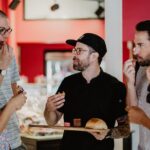
This is a 210-minute walking-and-tasting experience, designed for the market itself. The tour is built around eating “on your feet,” because there isn’t seating in the market. So plan your body like you plan your stomach.
Wear comfortable clothing and shoes that can handle steady walking. You’ll also want water with you (bottled water isn’t included). The good news: the tastings are paced so you get enough to count as lunch—so you’re not just nibbling your way through empty. The goal is full satisfaction, not grazing.
Small group size (limited to 8) helps here. You can actually hear the guide, ask practical questions, and move through tight aisles without feeling like you’re herding people. If you have back problems, this won’t feel comfortable because you’ll be on your feet for much of the tour.
First bites: chocolatines, baguettes, and market-shopping smarts

You start with the stuff everyone thinks they know—bread and pastry—then you learn how locals actually buy it.
You’ll taste chocolatines (and learn why that word matters), plus traditional baguettes. But the value isn’t just the flavor. It’s what the guide teaches around choosing quality at the counter: how to recognize a good baguette, and how to handle the bread like it’s part of the ritual instead of a fast takeaway.
Here’s the practical payoff: after this tour, you won’t be stuck in the usual tourist loop of pointing and hoping. You’ll have a short checklist in your head—texture, presentation, and what to ask for—so your next baguette purchase feels intentional.
This early section also helps you get oriented. Markets can be overwhelming when you don’t know where to look. With a guide leading the route, you learn the rhythm: who to visit first, how to flow through stalls, and when to taste versus when to save room for the heavier items.
Cheese counter confidence at a fromagerie-affineur

One of the biggest strengths of this tour is how it teaches you to navigate a cheese counter. Not everyone realizes that ordering cheese in France is a skill—what you ask for changes what you get.
You’ll sample cheese from a fromager-affineur, and you’ll learn what those words mean. The point isn’t to memorize a label like it’s a trivia game. It’s to understand the difference behind the counter so you can choose confidently later.
Cheese tasting on this tour is also about context. You get background on the vendors and how the market fits into local food culture in southwest France. That makes the tastings feel less random and more like a guided education.
And yes, it’s hands-on in the sense that you’re right there as the guide explains how to think. That’s how you come away with a sense of control instead of tasting and forgetting everything five minutes later.
Duck products and charcuterie: reading quality as you taste

Southwest France has a reputation for duck products and charcuterie, and this tour leans hard into it. You’ll sample charcuterie and duck items as part of the market route, with the guide explaining what makes each selection worth your attention.
This is where a guide earns their fee. Market food is full of labels and displays, but the real trick is learning quality cues you can reuse elsewhere. You’ll get those cues as you taste—so you can connect flavor with “why it’s good,” not just “I liked it.”
You’ll also learn how to spot what’s genuinely local versus what’s only pretending to be. Even within a single market, producers and family businesses have their own style, and the guide helps you notice those differences instead of treating every slice as interchangeable.
If you’re a cheese person, you’ll probably end up loving the charcuterie section too. It plays well with what you learn about pairing later—especially when wine comes into the story.
A few more Toulouse tours and experiences worth a look



Foie gras in the market: farm-to-counter meaning

Foie gras shows up in a very specific way on this tour: you’ll taste the only farm-to-counter foie gras in the market. That detail matters because it hints at a supply chain and a set of relationships you don’t usually see when you buy prepackaged items.
The guide also helps you place it within the market setting—why it’s offered this way, and what makes it meaningful in the local food culture. You’re not just eating something rich; you’re learning how the market frames it as a specialty.
This stop also tends to be a turning point for people who are unsure about foie gras. Even if you’re cautious, this is presented as a deliberate tasting with context, so you can decide with your taste buds instead of your preconceptions.
The reserved tonneau finale and Toulouse wine quirks

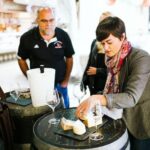
After you’ve eaten enough to qualify as lunch, the tour gives you a final destination inside the market: a specially reserved “tonneau” at a wine seller. This is where your market basket results get paired with local wines.
The wine focus is specific: local wines made from grape varieties that are obscure and grown near Toulouse. That’s a smart way to spend your final minutes because it links your tastings to the region’s wine identity. You don’t just drink; you understand why this bottle fits the food you picked earlier.
You’ll have at least 2 local wines as part of the experience. And if you don’t drink alcohol, non-alcoholic drinks are available on request. Either way, you’ll get the pairing experience without feeling like you missed the whole point.
You also get the cultural bits that go with French wine service—small etiquette reminders and the social rhythm of toasting. It’s the kind of end that makes the whole tour feel complete, not like you ran out of time before dessert.
Dessert and the part that keeps helping after the tour

You’ll finish with a locally-produced dessert, which is exactly what you want after cheese, charcuterie, bread, and wine. It gives your taste buds a clean landing and wraps up the whole route with something sweet and final.
What I especially like is the follow-through. After the tour, you get a detailed email recap plus personalized resources and recommendations. That’s not just paperwork—it’s useful because markets and food neighborhoods are easier to navigate when you remember what you learned.
You’ll leave with practical tips on where to eat and what to do in Toulouse, and that helps you turn one good afternoon into a broader food-focused trip.
Price and value: is $135 fair for lunch plus wine?

$135 per person sounds like a splurge until you look at what’s included. You’re getting enough tastings to count as lunch, at least 2 local wines, plus a local foodie guide who teaches market history, shopping tips, and cultural etiquette.
The value is in the pairing logic and the education. Tastings alone are enjoyable, but tastings plus guidance about what to buy and how to choose is where the money starts to make sense. This is also a small group (max 8), which keeps the experience from feeling rushed or generic.
Think of it as paying for someone to do the hard parts for you: choosing vendors, pacing your food stops, and translating market chaos into a clear route you can repeat.
Who should book this food tour in Toulouse
This tour is best for adults (it’s not suitable for children under 12) who want to eat well and come away with real market skills. It’s also a good fit if you like cheese, charcuterie, bread, and wine pairing.
You’ll particularly enjoy it if you want help with the practical stuff:
- learning how to judge what’s good at counters
- understanding terms like fromager-affineur as you taste
- getting tips for finding quality products inside the market
If you’re sensitive to standing for long periods or you have back problems, you may find this uncomfortable because there’s no seating in the market and you’ll be walking and standing throughout.
Should you book the Victor Hugo Market guided food tour?
Book it if you want a Toulouse food experience that teaches you how to shop, not just what to eat. The combination of cheese-counter guidance, southwest France duck and charcuterie tastings, and the wine finish in a reserved tonneau makes it feel like a full meal with context.
Skip it if you know you can’t handle standing for 210 minutes, or if you’d rather browse at your own pace without structure. This tour is for people who want direction, flavor, and a solid food education that you can use after you leave the market.
If you do book, go in hungry, wear walking shoes, and bring water. Also plan to share any food allergies (or your plan not to drink alcohol) at least 24 hours in advance so the experience stays comfortable.
FAQ
Where is the meeting point?
Meet in front of the Novotel Toulouse Centre Wilson. Look for your guide carrying a large wicker basket that says Taste of Toulouse.
How long is the tour?
The tour duration is 210 minutes.
How many people are in the group?
It’s a small group limited to 8 participants.
Is the tour wheelchair accessible?
Yes, the tour is wheelchair accessible.
Will there be seating in the market?
No. You’ll be eating on your feet, as there is no seating in the market.
What’s included in the price?
You’ll get ample tastings (pastries, cheese, charcuterie, bread and more), at least 2 local wines, a local foodie guide, market history context, and recommendations and tips. Non-alcoholic drinks are available on request.
What should I bring?
Bring comfortable shoes and comfortable clothes, and water.
Is it suitable for kids or people with back problems?
It’s not suitable for children under 12 years and it’s also not suitable for people with back problems.