REVIEW · PARIS
Paris: Champagne Cellars Tour and Tastings with a Sommelier
Book on GetYourGuide →Operated by BackTrip · Bookable on GetYourGuide
You get the big Champagne names, with a plan that makes sense. This 12-hour Paris-to-Champagne outing pairs historic villages and cellar visits with guided tastings—so you’re not just drinking, you’re learning what makes each bottle tick.
What I like: the day is built around three real anchors—Hautvillers, Pressoria in Aÿ, and a Champagne-house cellar tour in Epernay—so the experience has shape. I also like that you ride in a small group (max 7) by luxury minivan, which keeps the stops from turning into a cattle-call.
The one watch-out: lunch and drinks are not included. It’s a long day, so budgeting for a solid meal (and comfortable shoes) matters if you want to finish strong.
In This Review
- Key Points Worth Knowing Before You Go
- Why This Paris-to-Champagne Tour Works So Well
- The Pace: Pickup, the Van Ride, and a Very Full 12 Hours
- Hautvillers: Dom Pérignon’s Village in a Tight Photo-Walk
- Pressoria in Aÿ-Champagne: Pommery Pressing, Up Close
- Épernay’s Avenue de Champagne: Iconic Boulevard, Guided Context
- Moët et Chandon: A Familiar Big Name, Still Part of the Story
- Charles Mignon (or Mercier): Where the Cellars and Family-Feel Land
- Reims Cathedral of Notre-Dame: France’s Coronation Symbol
- What the Tastings Teach You (So You Don’t Forget Them)
- Price and Value: Is $276 Actually Fair?
- Logistics: What to Bring, What to Avoid
- Who This Tour Suits Best
- Should You Book This Paris Champagne Cellars Tour?
- FAQ
- How long is the Champagne tour from Paris?
- Is lunch included?
- What size group is it?
- Which places and tastings are included?
- What languages are offered for the guide?
- Is the tour suitable for wheelchair users or people with mobility impairments?
Key Points Worth Knowing Before You Go
- Small-group van logistics keep the day moving without feeling rushed every five minutes.
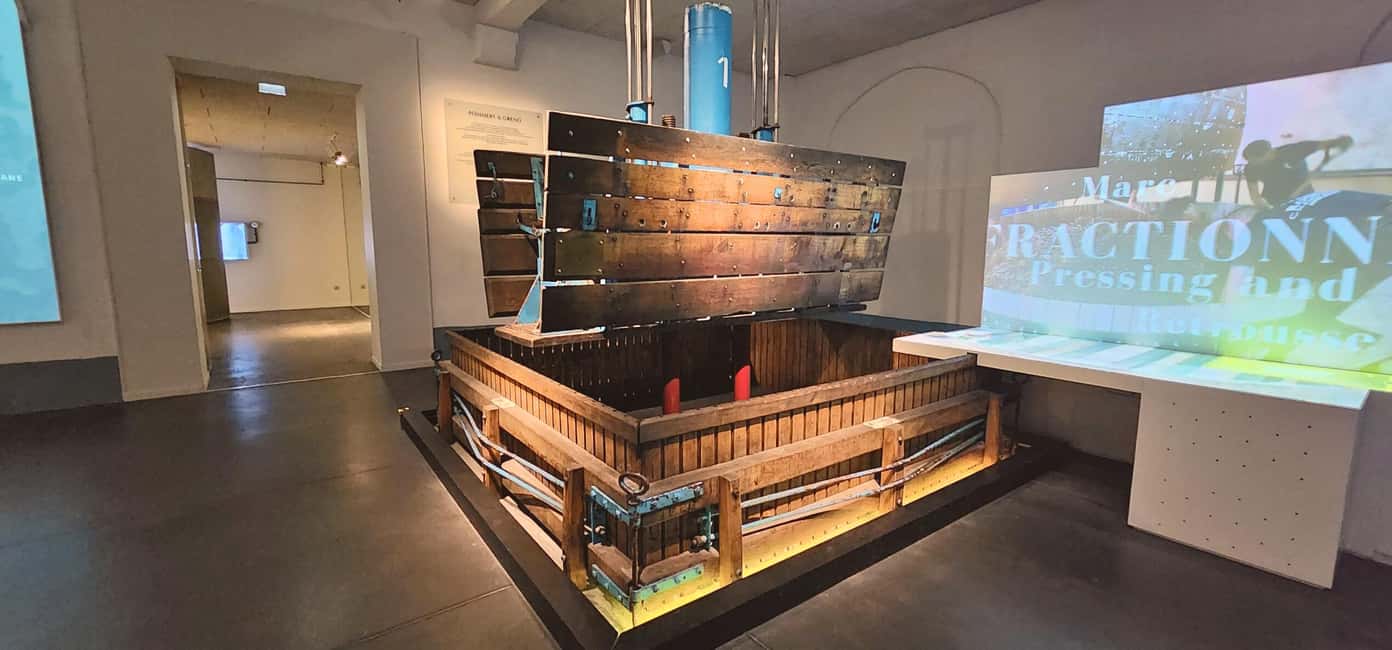
- Pressoria (Pommery pressing) adds a sensory, production-focused angle, not just a typical showroom tour.
- Avenue de Champagne in Épernay gives you the iconic stroll and scale of the Champagne industry.
- Charles Mignon (or Mercier on some dates) means you get a family-run feel alongside the big-brand presence.
- Reims Cathedral adds the France-you-didn’t-know-you-wanted context—coronations and symbolism included.
- Tastings are the point, and you should expect comparisons across styles, not one “sample flight.”
Why This Paris-to-Champagne Tour Works So Well
A lot of Champagne tours from Paris feel like a blur: drive, stop, taste, repeat. This one is structured so each location answers a different question.
Hautvillers is your starting point for the who and why of Champagne (Dom Pérignon’s world). Pressoria in Aÿ-Champagne is where you get the how—with a production-focused experience tied to Pommery’s pressing. Then Épernay and Reims bring the where it all connects: the Avenue de Champagne boulevard vibe, Champagne houses’ underground life, and the coronation symbolism at Notre-Dame of Reims.
If you like your Champagne day with context—vineyard towns, cellar processes, and why certain flavors happen—this format is a good match.
You can also read our reviews of more wine tours in Paris


The Pace: Pickup, the Van Ride, and a Very Full 12 Hours
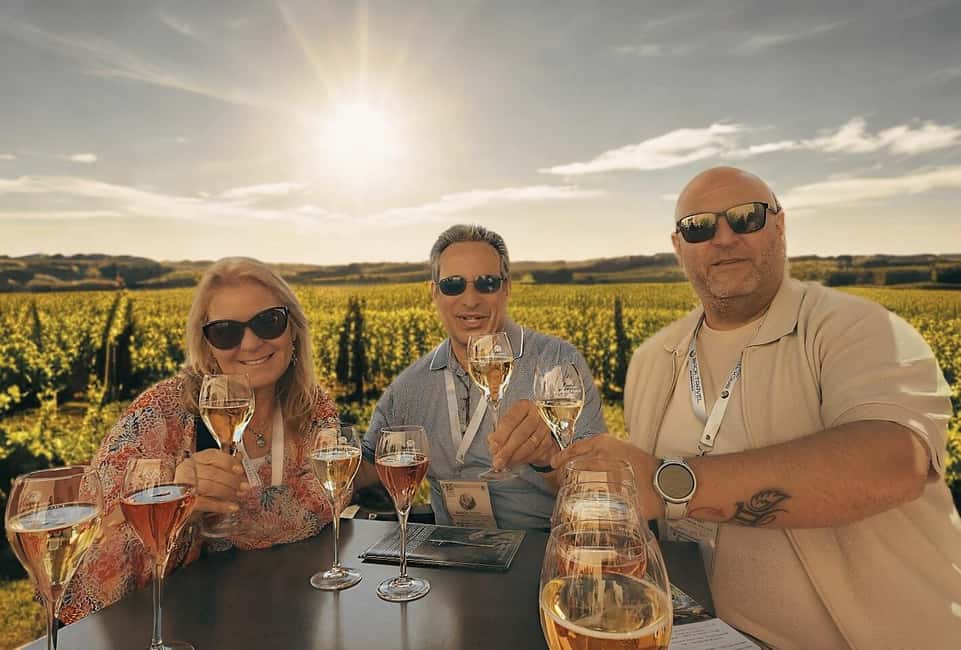
The tour runs 12 hours, with hotel pickup in Paris (typically postal code 750xx, for example around the Louvre area). Your driver or guide waits in the lobby with a company badge, and you’ll get the exact pickup time 12 hours in advance.
The ride to the region takes about 2 hours. Then the itinerary keeps stacking meaningful stops: a quick Hautvillers walk, a longer museum-and-tasting block in Aÿ, a tour and stroll in Épernay, house visits and tastings, and a final guided visit at Reims Cathedral before you’re back on the road (around 1.5 hours).
This pacing is great for people who like a complete day. It can feel long if you prefer slower travel days with fewer checkpoints. One practical tip: treat the comfy-shoes part as non-negotiable. You’re doing several walks and guided group movements.
Hautvillers: Dom Pérignon’s Village in a Tight Photo-Walk
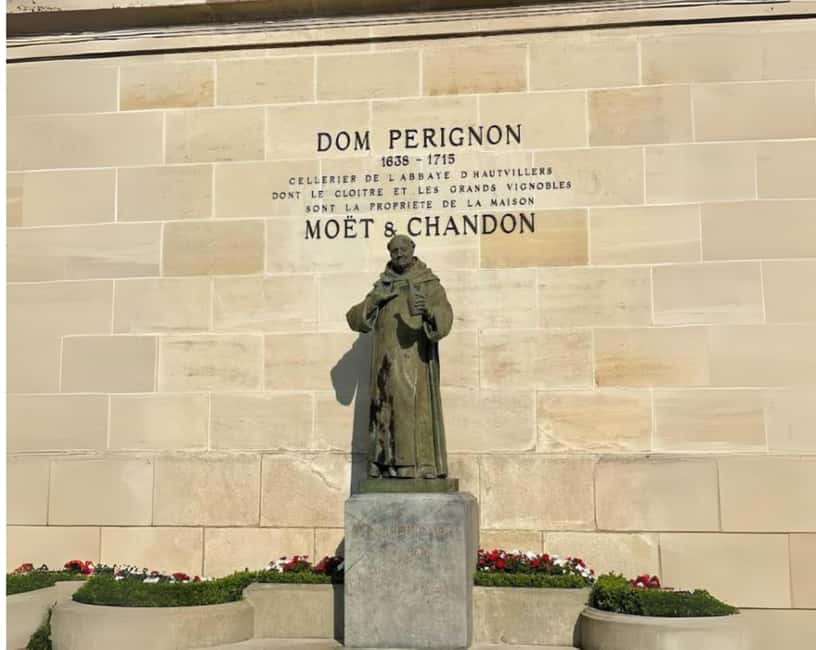
Hautvillers is one of those places that gives you instant Champagne storytelling. Even with just 40 minutes of time (photo stop, guided tour, walk, and scenic views on the way), you get the “this is where it all started” feeling.
This is where Dom Pérignon’s legacy shows up in a real town, not just a label. And that matters because the rest of the day will make more sense once you understand the monk-vs-method narrative people tie to the region.
You’ll do it at a calm pace—guided tour plus a walk—so you can take in viewpoints without feeling rushed through a checklist. If you’re the type who likes photos, you’ll probably leave with several “okay, this looks like Champagne” shots.
Pressoria in Aÿ-Champagne: Pommery Pressing, Up Close
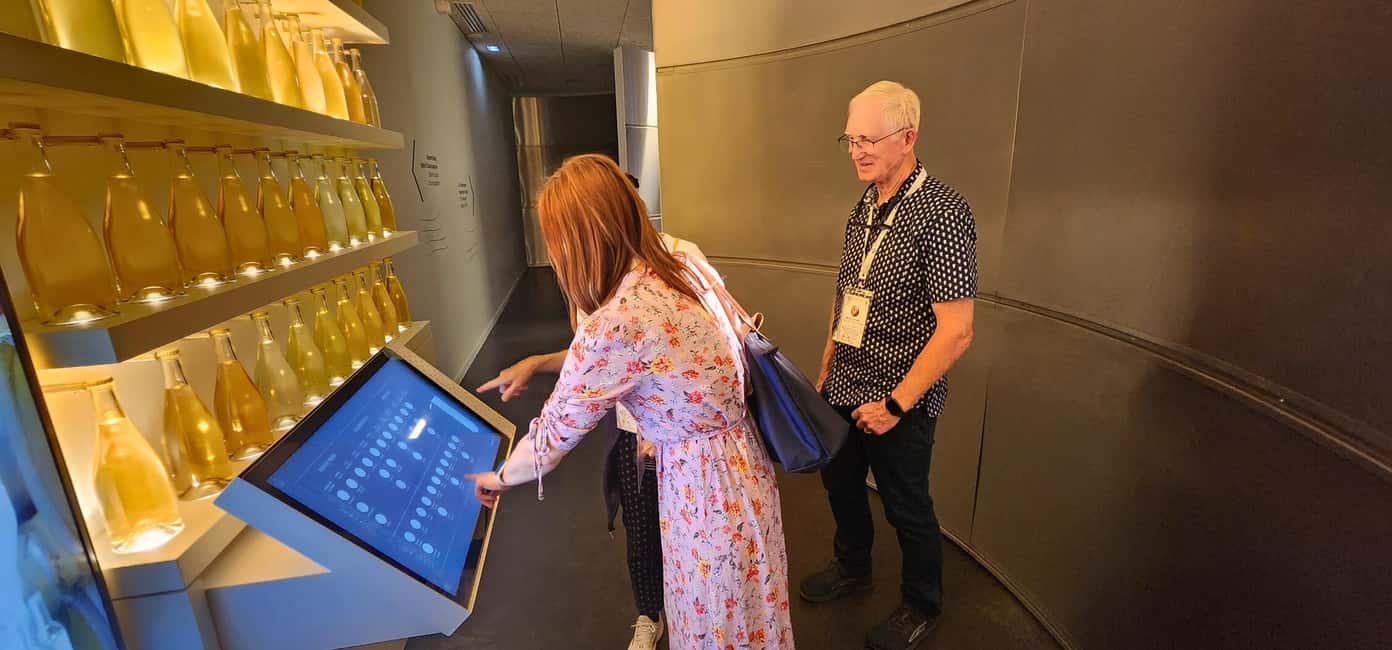
Pressoria is the experience that most clearly shifts the day from sightseeing to production.
In Aÿ-Champagne, you’ll spend about 2 hours with a guided tour plus champagne tasting, and the plan includes an aperitif component. Pressoria is described as a sensory immersion of Pommery Pressing, and that’s a big deal because pressing is where so much groundwork gets laid before the wine ever sees bubbles.
Instead of only learning generic “Champagne is hard work” facts, you’re shown how the process supports the final style. The tasting afterward gives you the pay-off: you can connect what you saw (pressing steps and what they influence) to what you taste.
This is also where the sommelier/guide approach really helps. If your guide explains aromas and flavor differences in plain language, tastings stop being random sipping and start turning into comparisons.
Épernay’s Avenue de Champagne: Iconic Boulevard, Guided Context
Next comes the Avenue de Champagne in Épernay, the boulevard that basically screams Champagne industry.
You get 30 minutes here for a guided tour and walk. It’s not long, but it’s a great “reset” between the longer tasting-and-cellar blocks: you stretch your legs, see the famous street rhythm, and get the big-picture view of how houses sit in this part of town.
Then you have 1.5 hours of Epernay time with lunch (not included) and free time for shopping. This is your practical break. If you want to buy something to take home, it’s the moment. If you’d rather pace yourself, it’s also a chance to step away from the group for a bit and regroup.



Moët et Chandon: A Familiar Big Name, Still Part of the Story
There’s a Moët et Chandon stop built into the day. You’ll have a photo stop, then time for visit and shopping, plus a champagne tasting segment (about 1 hour total).
Even if you’ve heard of Moët for years, the value here is how it fits into the day’s flow. After you’ve already learned about pressing and experienced a few guided concepts, this becomes a comparison moment: how a major house style shows up when you’ve been primed to notice differences.
If you’re the kind of person who likes sticking to classic brands, you’ll appreciate having Moët in the mix. If you prefer smaller or more “niche” houses, Moët can feel like part of the mainstream—but you’re still tasting and learning within a guided day.
Charles Mignon (or Mercier): Where the Cellars and Family-Feel Land
For many people, this is one of the highlights of the entire itinerary.
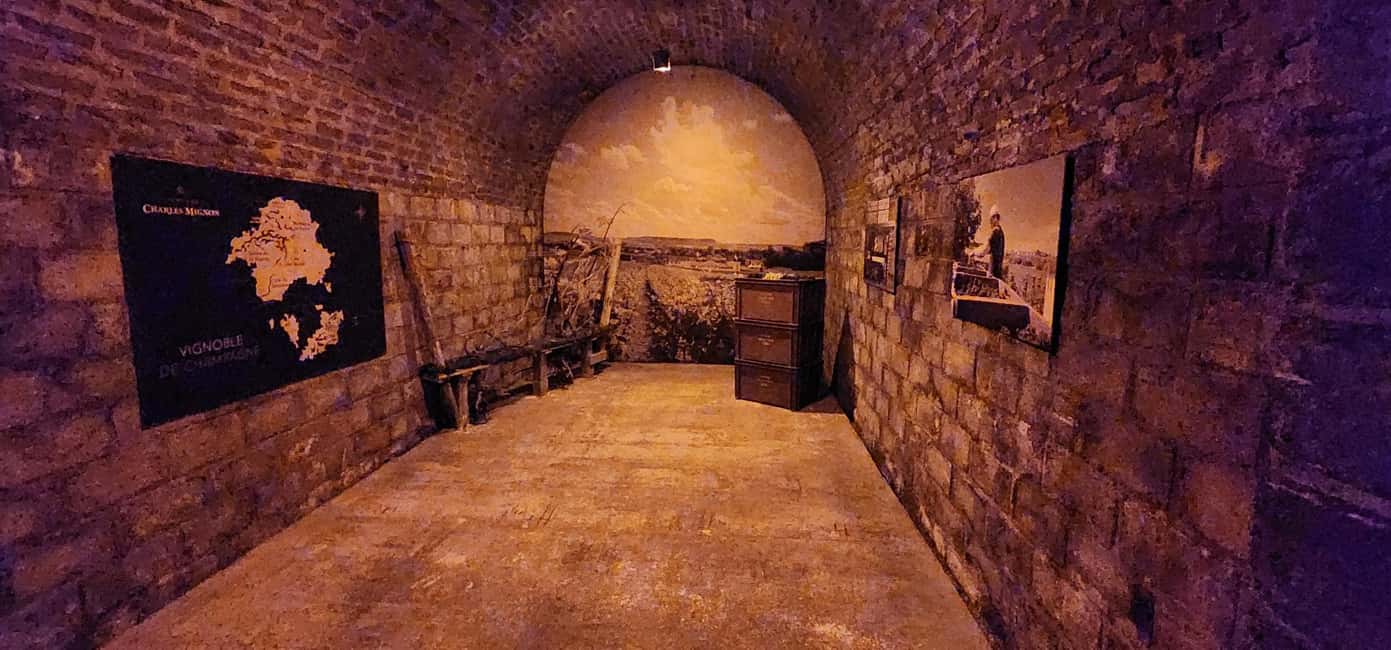
The plan includes a Champagne Charles Mignon stop with photo time, a guided tour, shopping time, and tasting for about 2 hours. Charles Mignon is specifically described as a 6th-generation, family-run Champagne House based in Épernay. That family-house detail matters: it often changes the vibe. You tend to get stories that feel less corporate and more rooted in tradition and consistency.
On some dates, the house can be Mercier instead, depending on availability. Either way, this is positioned as one of the key tastings of the day.
If you see an option to upgrade your tasting, consider it seriously. One traveler specifically recommended upgrading at Charles Mignon, mentioning extra pours and a truffle snack plate as part of the premium experience. Even if you don’t do an upgrade, pay attention during the guided tasting. This is where your comparisons will sharpen.
Reims Cathedral of Notre-Dame: France’s Coronation Symbol
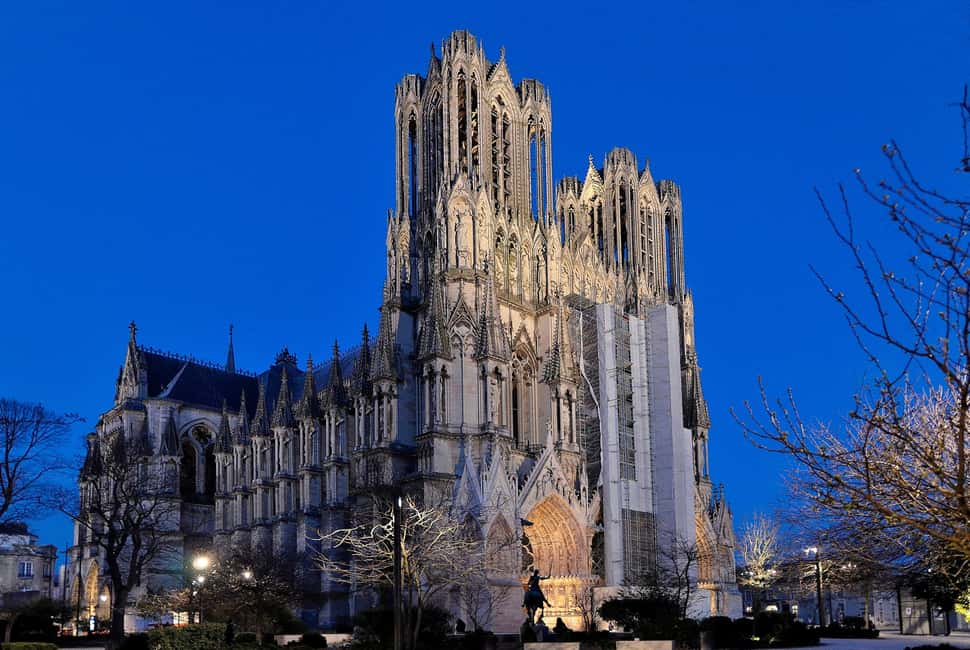
After all the Champagne, you get a cultural “anchor” moment: Reims Cathedral of Notre-Dame.
You’ll stop for photos, then have a visit and guided tour for about 1 hour. Reims Cathedral is described as a symbol of France’s royal coronation tradition. That’s the kind of fact that can feel like trivia until you’re standing somewhere built into the national story.
It’s also a good ending note for the day. You’ve toured cellar systems and tasted bubbles; now you’re in a stone landmark that explains why Champagne has always been tied to ceremony and prestige.
What the Tastings Teach You (So You Don’t Forget Them)
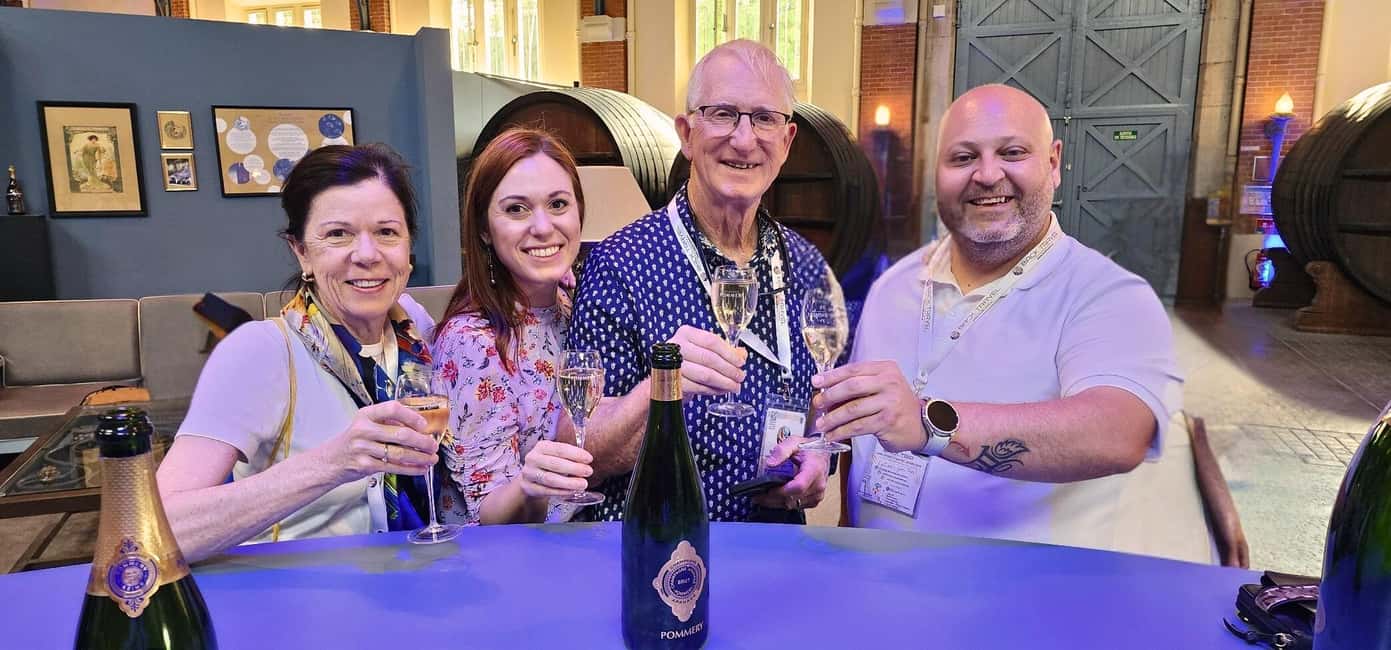
This tour is built around sampling—and the value is in the comparisons you’re guided to make.
You’ll likely taste different styles across the day (for example, crisp Brut style versus richer Vintage style, depending on what’s served at each stop). The guide’s job is to help you connect what you smell and taste to what you learned about production steps and house style.
A smart way to approach tastings on a long day:
- Go slow, take notes in your phone, and don’t try to “win” by drinking fastest.
- Ask one practical question if your guide offers the chance, like what distinguishes this house’s style or what the bubbles are communicating.
- Eat something earlier than you think you need to. Lunch isn’t included, and a late-afternoon tasting can hit harder when your stomach is empty.
If you’re a first-timer to Champagne, you’ll leave with a clearer mental map. If you’re already a fan, you’ll enjoy the structured way the day forces you to compare.
Price and Value: Is $276 Actually Fair?
At $276 per person, you’re paying for a full-day package: hotel pickup/drop-off by luxury minivan, guided time at multiple Champagne-related stops, and several guided tastings plus structured sightseeing.
Here’s the honest trade-off: lunch isn’t included. That’s not a small detail on a day that stretches roughly from morning pickup to a late return. One traveler pointed out that it felt pricey because lunch wasn’t included and the tasting pours felt small to them relative to the cost. That feedback matters.
On the positive side, transport is a big part of the value. You avoid the hassle of public transit between villages and towns, and you’re in a small group (max 7) rather than a huge bus crowd. Plus, the tour is rated very highly for transport quality, with 98% of reviewers giving a perfect score.
My take: this is strong value if you want guided Champagne immersion plus major landmarks in one go. It’s less compelling if you mostly want casual sips and don’t care about the guided production learning—or if you hate long days.
Logistics: What to Bring, What to Avoid
Bring comfortable shoes. The day includes guided walks in Hautvillers and Épernay and a cathedral visit in Reims, plus time spent moving between stops.
Avoid oversize luggage or large bags. This tour also notes it isn’t set up for mobility impairments or wheelchair users, so plan around that if accessibility matters for you.
Also, expect that audio guides are optional. The guide languages listed include English, French, Italian, Moldavian, and Romanian, and there are audio options for other languages depending on availability.
Who This Tour Suits Best
This experience fits you if:
- You want a real Champagne education (cellar processes, production context, and guided tastings).
- You like small-group comfort and a smooth schedule.
- You want the Champagne trip plus a meaningful cultural stop at Reims Cathedral.
It might not be ideal if:
- You prefer to choose restaurants and spend more time wandering without an itinerary.
- You get tired by long days with multiple scheduled stops.
- You’re sensitive to alcohol and don’t want a day built around tastings.
Should You Book This Paris Champagne Cellars Tour?
If you’re deciding between a casual Champagne tasting and a guided, structured day trip, I’d lean toward booking this one—especially if you care about how Champagne is made and how different houses express style.
Do it if you want the full arc: Hautvillers → Pressoria in Aÿ → Avenue de Champagne and Épernay houses → Reims Cathedral. The day is clearly designed to connect production, place, and ceremony, and the small-group setup keeps it from feeling like a rushed checklist.
You should think twice if $276 feels steep unless you plan to budget for lunch and you know you’ll enjoy guided tastings. If you’re mainly in it for quick sipping, look for a shorter, more flexible option.
FAQ
How long is the Champagne tour from Paris?
It’s a 12-hour day trip, with pickup from Paris in the morning and return to Paris at the end of the day.
Is lunch included?
No. Lunch is not included, and coffee or soft drinks are also not included.
What size group is it?
It’s a small group with a maximum of 7 people, using a luxury minivan.
Which places and tastings are included?
The tour includes Pressoria (Pommery Pressing Center) in Aÿ-Champagne with a guided tour and tasting, stops and guided time in Épernay along Avenue de Champagne, and a guided tour and tasting at Charles Mignon (or Mercier depending on availability). It also includes a guided visit at Reims Cathedral of Notre-Dame.
What languages are offered for the guide?
The live tour guide is available in English, French, Italian, Romanian, and Moldavian, and audio guides are available for individual experiences in several additional languages depending on availability.
Is the tour suitable for wheelchair users or people with mobility impairments?
No. It is not suitable for people with mobility impairments or wheelchair users, and the tour also restricts access for non-folding wheelchairs and strollers.