REVIEW · PARIS
World War two : The Occupation of Paris
Book on Viator →Operated by Interkultur Paris · Bookable on Viator
Paris during World War II is easy to miss. Grand boulevards, luxury hotels, theaters, banks, and elegant squares can look unchanged, yet many became German headquarters, propaganda sites, resistance bases, or places linked to stolen Jewish property. This walking tour makes those connections visible, from Bouillon Chartier to the battle-scarred plaques at Concorde. I like its route through ordinary city streets and its focus on daily life, not just generals and battles. I also like the small maximum of 15 people, which should make it easier to hear the guide and ask questions.
The main caution is guide consistency. The strongest feedback praises an engaging guide and clear explanations, while one customer felt the presentation followed a prepared script and did not offer enough subject expertise for the $83.40 price. You should book this for focused history and location-based stories, not as a broad survey of every event in wartime France.
In This Review
- Key points to know before booking
- Why this Paris history walk feels different
- From Bouillon Chartier to the occupied city
- Folies Bergère and Passage Verdeau: culture under pressure
- Hôtel Drouot and the sale of stolen property
- The 9th arrondissement town hall and the French response
- Maison Dorée and the financial machinery of occupation
- Cinema, propaganda, and Place de l’Opéra
- Place Vendôme, Rue de la Paix, and the Ritz
- Rue de Castiglione and the last days before liberation
- Place de la Concorde and the marks of liberation
- What $83.40 buys you
- Who should book this walk
- Final verdict: a strong choice for serious Paris history
- FAQ
- Where does the tour begin?
- Where does the tour end?
- What time does the tour start?
- How long does the experience last?
- What language is the tour offered in?
- How large is the group?
- Can I cancel for a full refund?
Key points to know before booking
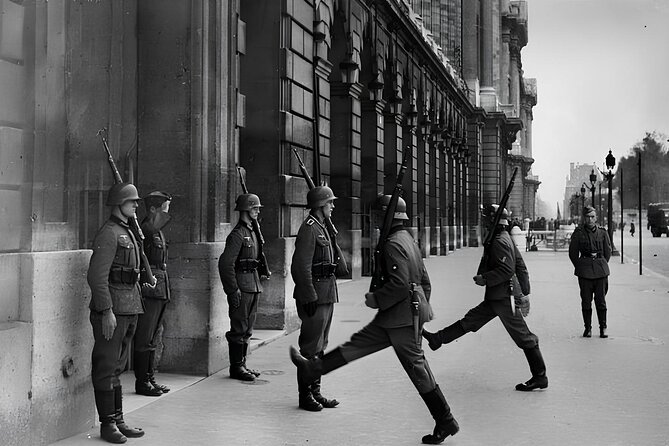
- Eleven stops connect familiar Paris sights to the Occupation, including the Folies Bergère, Place de l’Opéra, the Ritz, and Place de la Concorde.
- The tour covers both Occupation and Liberation, including collaboration, denunciation, passive resistance, economic controls, propaganda, and street fighting.
- Stolen art and Jewish property are central subjects, especially at Hôtel Drouot and the museum building near Concorde.
- The walk lasts about 2 hours 15 minutes, begins at 10:30 a.m., and ends beside Concorde Métro station.
- The group is capped at 15 people, with an English-speaking guide leading the route.
- The price is $83.40 per person, so the value depends on how much you want specialist wartime context rather than general sightseeing.
Why this Paris history walk feels different
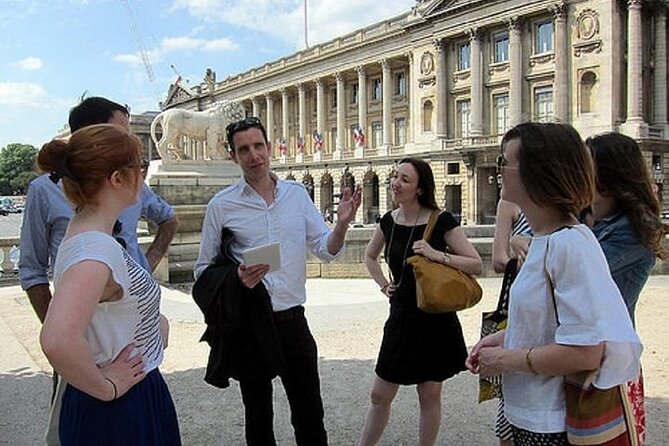
This is not a museum tour with objects behind glass. It is a street walk through central Paris, where the buildings themselves provide the backdrop. You move from a restaurant with wartime memories to music halls, auction rooms, banks, government offices, grand hotels, and finally the open space of Concorde.
That route gives the subject a useful human scale. You hear about the beginning of World War II and the occupation of Paris, then see how the city’s cultural life, financial institutions, police structures, and luxury trade fit into the German presence. The final section turns toward liberation and the physical traces left by the fighting.
I especially like the balance between famous places and less obvious subjects. The Ritz and Place Vendôme are easy to recognize. The discussion of a requisitioned bordello, auctioned household goods, bank activity, and passive resistance gives you a less polished view of the period.
The tour is offered in English and begins at 10:30 a.m. at 38 Boulevard des Italiens, outside Bouillon Chartier Grands Boulevards. It ends at Place de la Concorde, right beside the Concorde Métro station. Since this is a point-to-point walk, you will not return to the starting place, so plan your next stop from Concorde.
You can also read our reviews of more tours and experiences in Paris.



From Bouillon Chartier to the occupied city
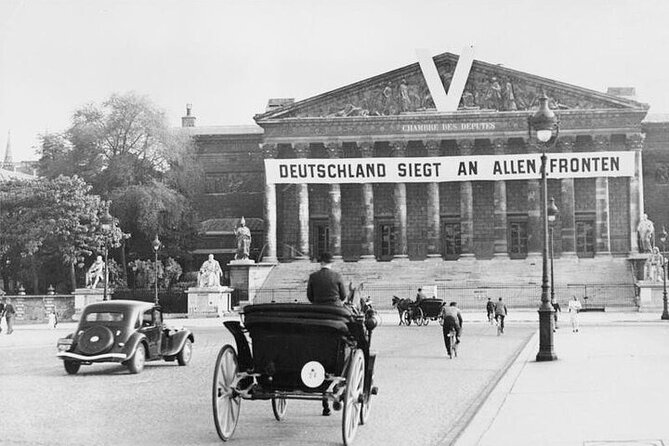
The first stop at Bouillon Chartier sets the stage in about 10 minutes. The guide recounts the start of the war, the occupation of Paris, and the shock of daily life under German control. This opening matters because it gives the later buildings a clear frame. You are not simply looking at beautiful façades and hearing isolated anecdotes.
The emphasis here is on both major events and ordinary routines. The tour aims to show how occupation affected the city as a lived place, not only as a military prize. If you already know the broad outline of the 1940 armistice and the German occupation, this section will likely move quickly. If the period is new to you, listen closely because later stops build on it.
Folies Bergère and Passage Verdeau: culture under pressure
At the Folies Bergère, the subject shifts to the intense artistic life that continued during the Occupation. The guide discusses movie stars, music halls, and cinemas in a stop of roughly seven minutes.
This is one of the more useful changes of pace on the route. Wartime Paris was not a city where all entertainment simply stopped. The existence of theaters and music halls raises difficult questions about work, escape, censorship, German soldiers, and collaboration. The stop is short, so expect a concise explanation rather than a full account of Parisian cinema.
A few minutes later, Passage Verdeau provides a visual sense of the older Paris streetscape. The passage retains architectural details and an atmosphere that help you picture the city during the war. Across from it, the guide points out a building that housed a bordello requisitioned by the German army.
This is a good example of the tour’s method: use a physical address to open a wider subject. The stop lasts only about five minutes, but it shows how occupation reached into spaces that are not normally part of a military history lesson.
Hôtel Drouot and the sale of stolen property
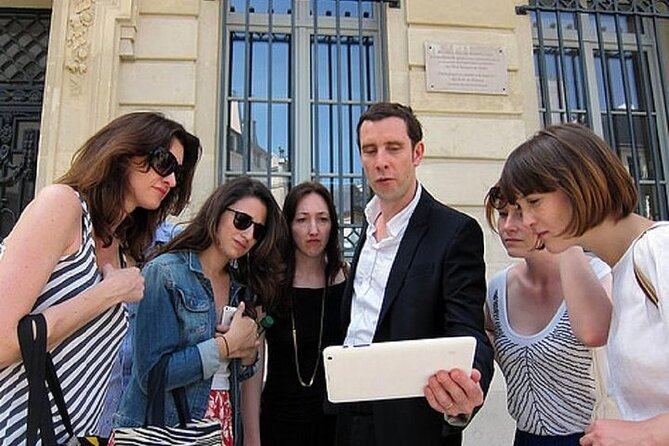
At Hôtel Drouot, the discussion turns to auctions and the sale of simple household objects as well as art. The guide explains the large-scale theft of Jewish property and the role of a German art dealer who worked for the Reich.
This stop gives the tour some of its hardest material. Looting was not limited to famous paintings. Homes were emptied, belongings entered the market, and objects changed hands through institutions that could appear respectable on the surface. The setting helps you think about how theft can be organized through ordinary commercial systems.
The subject is serious, and the 10-minute stop cannot cover every part of Nazi art plunder or postwar restitution. Still, it adds a needed economic dimension. The Occupation was not only about soldiers in uniform. It also involved money, property, records, buyers, sellers, and officials.
The 9th arrondissement town hall and the French response
At the Mairie of the 9th arrondissement, the tour examines the Resistance with reference to a local employee. It also covers denunciation and passive resistance in France during World War II.
This is an important corrective to a simple hero story. Resistance existed, but so did cooperation, fear, silence, opportunism, and the act of reporting neighbors. Passive resistance also mattered, though it is harder to dramatize than sabotage or armed action.
The town hall setting makes the discussion feel close to civic life. You are looking at a working public institution while considering how local government and ordinary employees operated under occupation. The stop lasts about 10 minutes and helps widen the story beyond famous resistance figures.
If you want a detailed account of individual networks, this walk may not go far enough. Its strength is the range of the subjects and the way they are attached to specific places.



Maison Dorée and the financial machinery of occupation
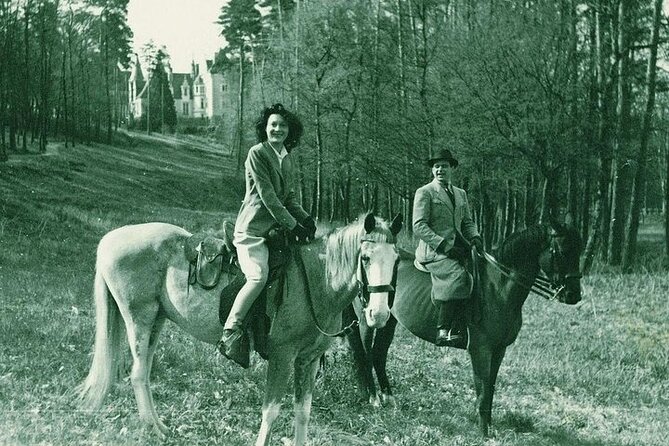
The BNP Paribas building at Maison Dorée is the stop for banks, the armistice convention, and the economic and political situation that followed. The guide explains how financial institutions fit into life under German control.
This section should appeal to you if you want more than battlefield history. Occupation depended on administration and resources. Banks, businesses, contracts, and official arrangements helped shape what people could buy, where money moved, and how power worked.
The connection to the armistice is useful because it links the military defeat of France to the practical rules that followed. The stop takes around 10 minutes. Expect an overview rather than a specialist banking lecture, but the subject adds substance to the walk.
Cinema, propaganda, and Place de l’Opéra
At Pathé Opéra Premier, the guide points out a cinema requisitioned for German soldiers. Nearby is a building associated with a major Nazi propaganda exhibition titled The Jews and France, which promoted antisemitism.
The pairing is stark. One location shows the German military presence inside Parisian entertainment. The other shows propaganda designed to shape public attitudes and justify persecution. Together, they show that occupation operated through leisure, public messaging, and force.
The following stop at BRED Banque Populaire, in the Place de l’Opéra area, adds more local detail. The square was highly symbolic during the Occupation. The guide discusses the Kommandantur, the Café de la Paix, and the Opéra, each tied to anecdotes from the period.
This part of the route should be especially effective for first-time visitors who might otherwise see Place de l’Opéra only as a grand urban landmark. You get a sharper sense of how German authority occupied prominent central spaces. The two stops together take about 20 minutes.
Place Vendôme, Rue de la Paix, and the Ritz
Place Vendôme receives about 15 minutes, making it one of the longer stops. The guide begins with the jewelry shops on Rue de la Paix, then moves to the law ministry, German military occupation, and an early resistance network located nearby.
The area is a strong setting for discussing privilege and power. Luxury businesses continued to operate while the city lived under military rule, and the law ministry represented the official structures through which authority was exercised. The tour does not treat resistance as a story separate from collaboration and economic life. It places all of them in the same central district.
The Ritz Hotel brings in celebrities, spies, military figures, and collaborators. Because the hotel is famous, it can attract attention even from people who are not primarily interested in WWII history. The useful point is not simply who stayed there, but how a luxury hotel became part of the social and political machinery of occupation.
You should expect anecdotes here, along with a discussion of the people connected to these buildings. If you prefer quiet monuments and long historical lectures, the active commercial setting may feel distracting. If you like linking famous addresses to complex events, this is one of the route’s strongest sections.
Rue de Castiglione and the last days before liberation
On Rue de Castiglione, the guide explains how palace hotels served as German army headquarters. The stop also looks at the key figures connected with those buildings and the fighting of the Liberation.
This section brings the story toward its turning point. The grand hotels are not treated only as glamorous landmarks. They become command centers, places of planning, and locations tied to the final struggle for control of the city.
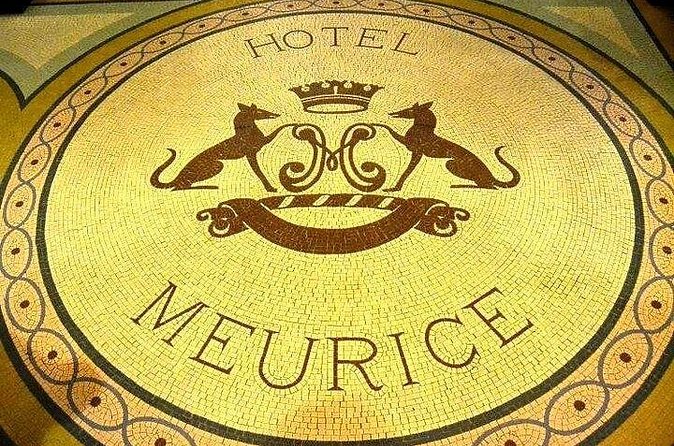
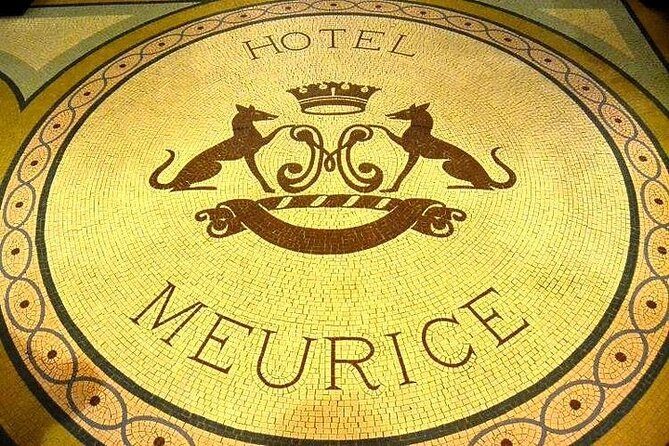
The discussion behind the Hôtel Meurice concerns the fighting that ended there. The stop lasts around 10 minutes. Its value comes from seeing how the closing phase of the Occupation played out around buildings that still define central Paris.
As with the rest of the walk, the exact depth will depend on the guide. One customer found the guide pleasant but wanted more specialist command of the subject. That is worth keeping in mind when paying a premium price for a history-focused outing.
Place de la Concorde and the marks of liberation
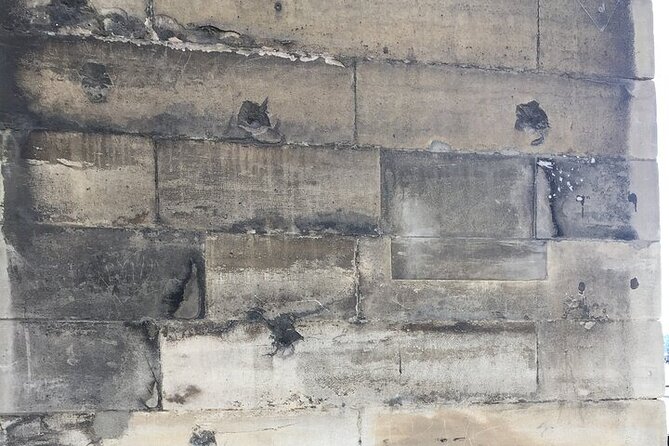
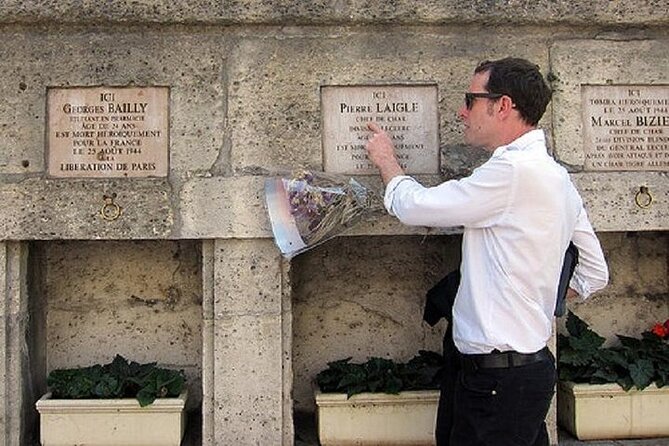
The walk ends at Place de la Concorde after about 15 minutes of discussion. The square retains memorial plaques dedicated to soldiers, resistance fighters, and civilians who took part in the battle. From the terrace, the guide uses photographs of the square and surrounding sites to explain the period and the role of several famous people.
This is a satisfying endpoint because it shifts attention from occupation to liberation. You can connect the plaques to the physical space and see how a major public square became part of the fighting. The photographs should help you compare the wartime scene with the Paris in front of you.
The final subject is the museum building behind the square, which the Germans used to store art stolen from Jewish families and send it to Germany. That detail brings the earlier discussion at Hôtel Drouot back into view. Property theft was not an isolated story at one auction house. It formed part of a much larger system.
Ending beside Concorde Métro station is practical. You can continue elsewhere in Paris without retracing your route. It also makes this tour easy to pair with another central-city activity after lunch.
What $83.40 buys you
At $83.40 per person, this is not a budget walking tour. You are paying for an English-language specialist route, a small group of no more than 15 people, and more than two hours of connected commentary across 11 stops.
The value is strongest if you already know Paris’s major sights and want a new way to read them. You will not pay separate admission at the stops, since they are viewed from the street. The cost is therefore tied to the guide’s research, storytelling, and ability to make connections between buildings.
The price is harder to justify if you want an inexpensive introduction to WWII or a museum-style presentation with extensive documents. One piece of feedback described the guide as pleasant but too dependent on a set script, and felt the content did not match the cost. That is a fair risk to consider.
The overall rating is 4.7 from six reviews, with repeated praise for the amount learned, the friendly guide, and the ability to feel the intensity of wartime Paris while passing beautiful buildings. The sample is small, so I would treat that rating as encouraging rather than conclusive.
Who should book this walk
I would choose this tour if you have a strong interest in WWII, French history, resistance movements, Nazi propaganda, stolen art, or the moral questions of daily life under occupation. It also suits you if you prefer history attached to real addresses rather than presented only in a classroom or museum.
The walk can work well for someone who has visited Paris before. The route gives familiar places a new meaning, especially the Opéra district, Place Vendôme, the Ritz, Rue de Castiglione, and Concorde.
You should think twice if you need step-by-step battlefield detail, a long stop at each site, or a guaranteed academic-level specialist. The tour covers a wide range in 2 hours 15 minutes, so the guide must keep moving. Some topics receive only five to 10 minutes.
The small group is a real benefit. With up to 15 people, you should have a better chance of hearing the explanation in city traffic and asking a question than on a large coach excursion. Service animals are allowed, the route is near public transportation, and most people can participate.
Free cancellation is available up to 24 hours before the 10:30 a.m. start time for a full refund. The tour requires a minimum number of participants, so a cancellation by the operator can lead to another date or a full refund.
Final verdict: a strong choice for serious Paris history
Book this walk if you want to understand how occupation touched culture, business, government, luxury, propaganda, resistance, and art theft in the center of Paris. Its best feature is the route itself. You keep moving through places that still look grand while hearing about the fear, compromise, and conflict that took place inside them.
I would not book it simply because you want to see monuments. The tour is topic-driven, and some stories are grim. But if the idea of looking at the Ritz, Hôtel Drouot, Place de l’Opéra, and Concorde through the lens of 1940 to 1944 appeals to you, the price can make sense. Go in expecting a tightly paced overview whose impact depends heavily on the guide, and you will know exactly what you are buying.
FAQ
Where does the tour begin?
It begins at Bouillon Chartier Grands Boulevards, at 38 Boulevard des Italiens, 75009 Paris.
Where does the tour end?
The walk ends at Place de la Concorde, beside the Concorde Métro station.
What time does the tour start?
The start time is 10:30 a.m.
How long does the experience last?
The tour lasts approximately 2 hours 15 minutes.
What language is the tour offered in?
The experience is offered in English.
How large is the group?
The tour has a maximum of 15 participants.
Can I cancel for a full refund?
Yes. You can cancel at least 24 hours before the local start time for a full refund. Changes or cancellations made less than 24 hours before the start time are not accepted for a refund.