REVIEW · PARIS
Paris Bike Tour: Eiffel Tower, Place de la Concorde & More
Book on GetYourGuide →Operated by Fat Tire Tours - Paris · Bookable on GetYourGuide
Paris on two wheels turns a long list of landmarks into a flowing day. This 210-minute ride mixes classic sights with enough street-level context to help you understand where everything sits. I like that the tour keeps the pace easy and the commentary human, not a stack of facts.
Two things I especially love are the close-up stops and the way the bike route makes photo-taking feel practical. You get a real Eiffel Tower moment rather than just passing it in a car window.
The one trade-off to plan for is street time in a city that never stops moving. Some stretches can feel busier than you’d expect, and photo breaks can be short, so bring patience if you want that perfect shot.
Key takeaways
- Cruiser-style bikes make a big difference for first-timers and families
- Left Bank to the Louvre area gives you a smart orientation of central Paris
- Eiffel Tower stop is built for viewing and photos, not just a drive-by
- Les Invalides and Napoleon’s tomb area adds meaning beyond the monument photos
- Place de la Concorde anchors the day with one of Paris’s most historical squares
- Helmet + guide are included, and safety briefings focus on how to ride together
In This Review
- Finding the Route: the Fat Tire Tours setup in the 15th
- Your Bike and Your Safety: how the group stays together
- From the Left Bank to the Louvre area: orientation you can feel
- Eiffel Tower stop: photos with breathing room
- Dome church and Les Invalides: Napoleon’s story in context
- Place de la Concorde: a big square with big meaning
- How long is 210 minutes, really? Pacing for real bodies
- What’s included for $44: the value math
- The weather factor: rain doesn’t stop Paris, but it does change comfort
- Who should book this bike tour?
- Should you book: my practical take
- FAQ
- What is the meeting point for the Paris Bike Tour?
- How long is the tour?
- What does the price include?
- Is lunch included?
- What should I bring?
- Is the guide provided in English?
- Are there options for children?
- Can I cancel for a refund?
Finding the Route: the Fat Tire Tours setup in the 15th
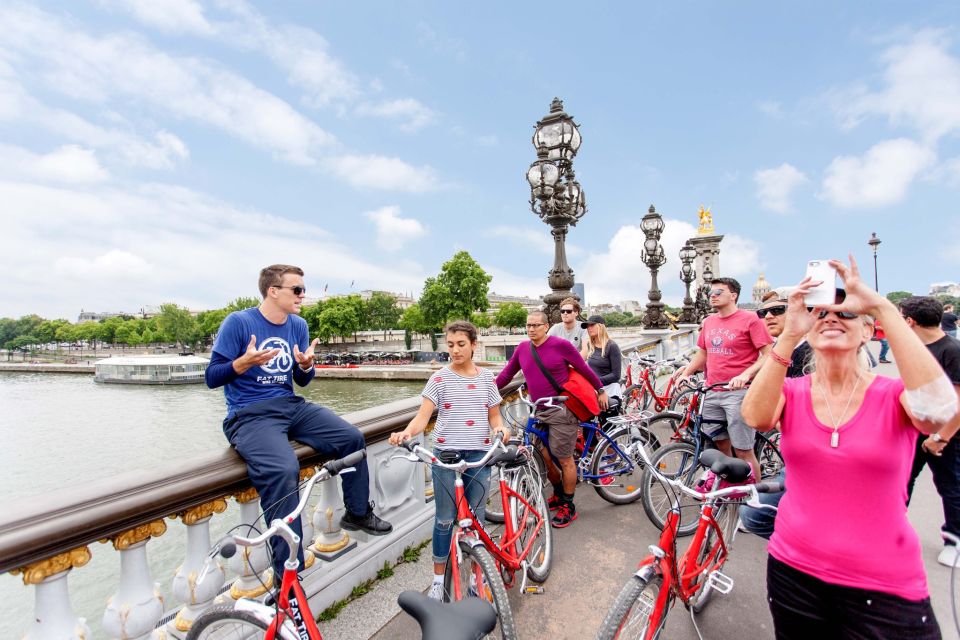
Most bike tours fall apart at the start if meeting is confusing. This one is pretty straightforward: meet at the Fat Tire Tours office at 24 rue Edgar Faure, 75015, with a big Fat Tire Tours sign and bikes out front. If you’re using public transit, the closest Metro stop is Dupleix, which is a handy anchor for timing.
What I like here is that you’re not hunting for an unmarked storefront while everyone else is already rolling. Check in is quick, and you’ll get your bike assignment and basic ride briefing so you can focus on the ride.
Also, bring comfortable shoes. You’ll want them for quick stops, getting on and off, and the little bits of walking that happen even on a bike tour. It’s not a marathon—more like hopping between “okay, now look at this” moments.
Your Bike and Your Safety: how the group stays together
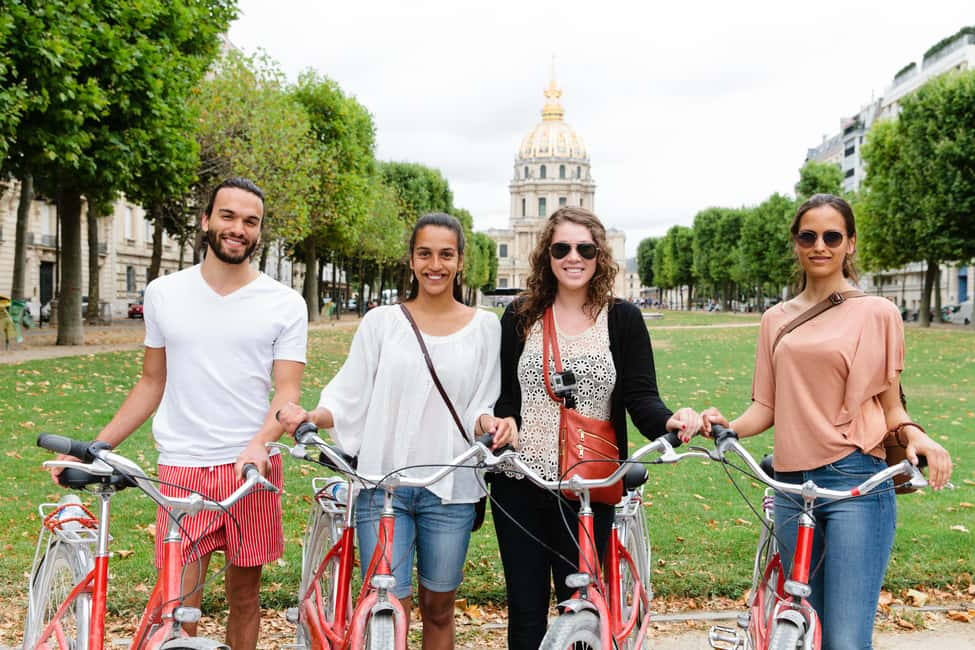
This tour includes your bicycle and a helmet, which I think is a strong baseline for comfort and safety. The bikes are set up for easy riding, and you’ll get a chance to adjust your fit. One practical detail that pops up in guide comments is that brake use matters—follow the guide’s instructions and keep your habits consistent in a group.
The tour runs with a live English guide, and that guide’s job is not just storytelling. It’s traffic handling, pacing, and keeping the group in a predictable rhythm. You’ll also get guidance on hand signals before you head into busier intersections, so everyone knows what’s happening when a lane or direction changes.
Group size is usually kept to something manageable. In many cases it’s around 20 people, which is big enough to feel social but small enough to move as a unit. Still, Paris streets are Paris—so keep your attention up, and don’t treat this like a casual cruise where you can drift your line.
You can also read our reviews of more cycling tours in Paris
From the Left Bank to the Louvre area: orientation you can feel
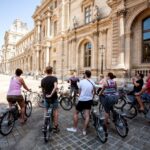
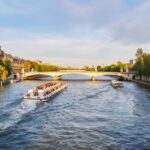
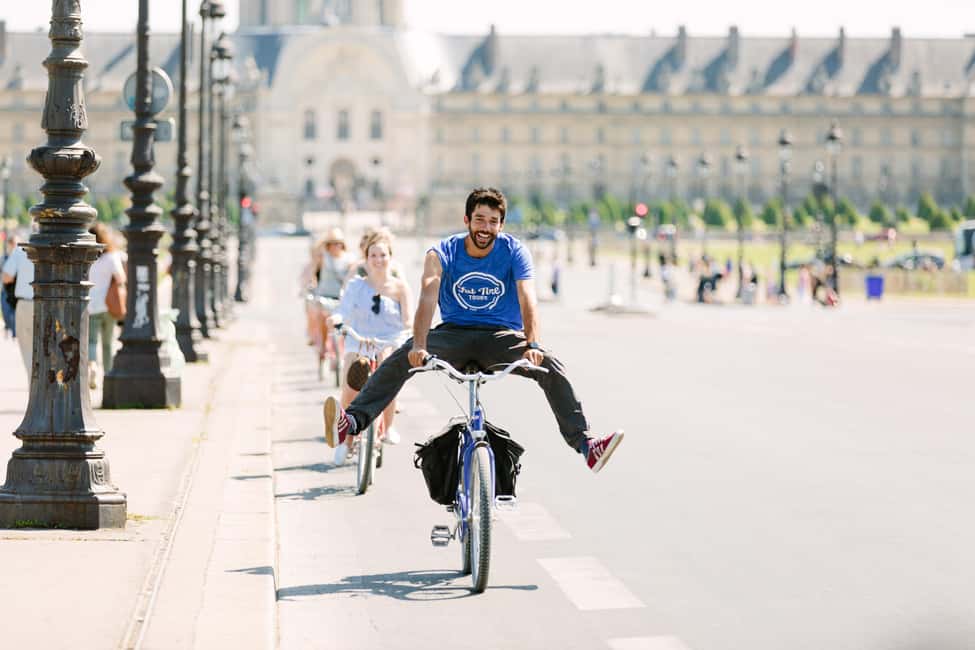
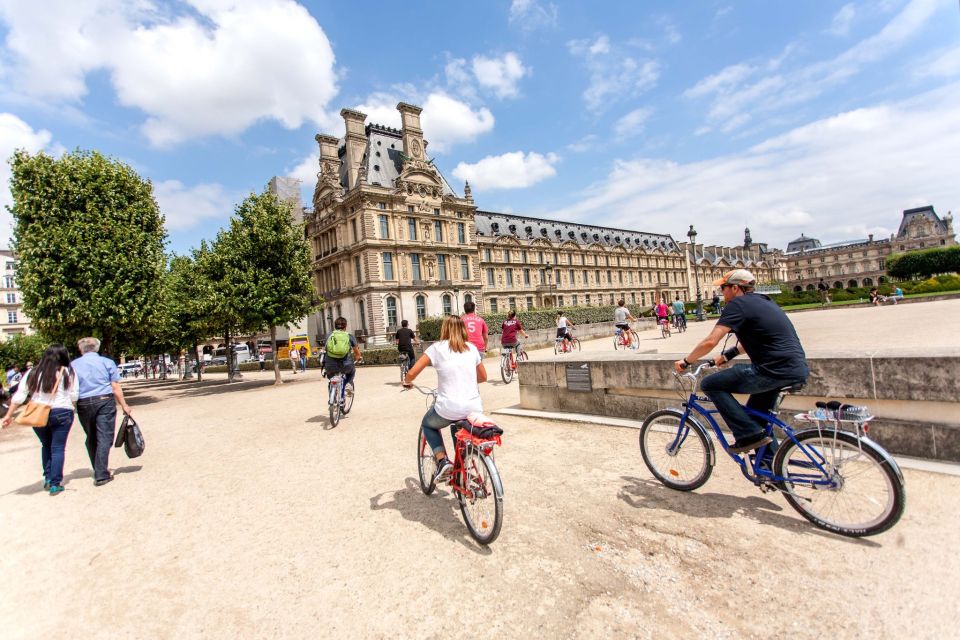
A good first day in Paris is about orientation. This tour helps with that in a very tactile way because you cross from the left bank toward the Louvre while riding, not just staring at it from afar. You’ll see how neighborhoods change block by block: wide avenues, quieter stretches near major landmarks, and the way pedestrian traffic mixes with bikes.
For me, this is where the bike format really pays off. Walking makes you stop and start constantly. Cycling keeps momentum, so the city starts to look like a system instead of scattered points on a map.
Why it matters:
- You’ll get a “where is what” sense of central Paris.
- It helps you plan later. After you see the Louvre area from the street, you’ll have a better idea of what’s worth a return visit and what you can skip or schedule differently.
One small caution: you may spend time around busy roads and intersections. It’s not out of control, but it’s not a car-free trail either. If you’re nervous about traffic, treat the guide as your metronome—ride where you’re told, and stay smooth and predictable.
Eiffel Tower stop: photos with breathing room
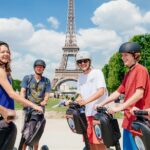
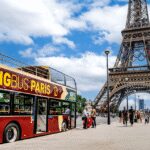
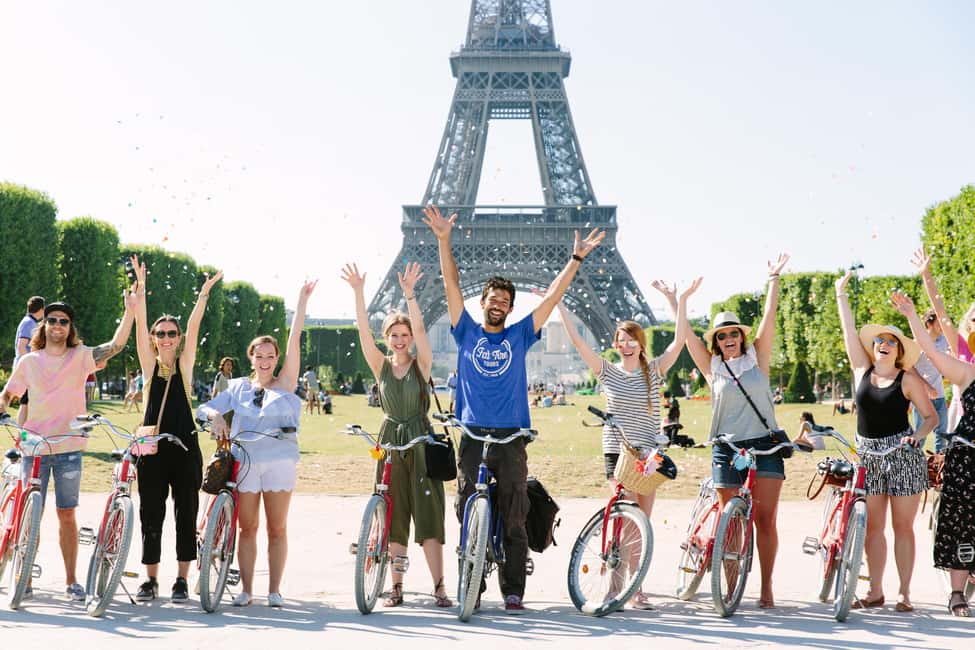
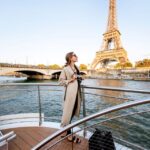
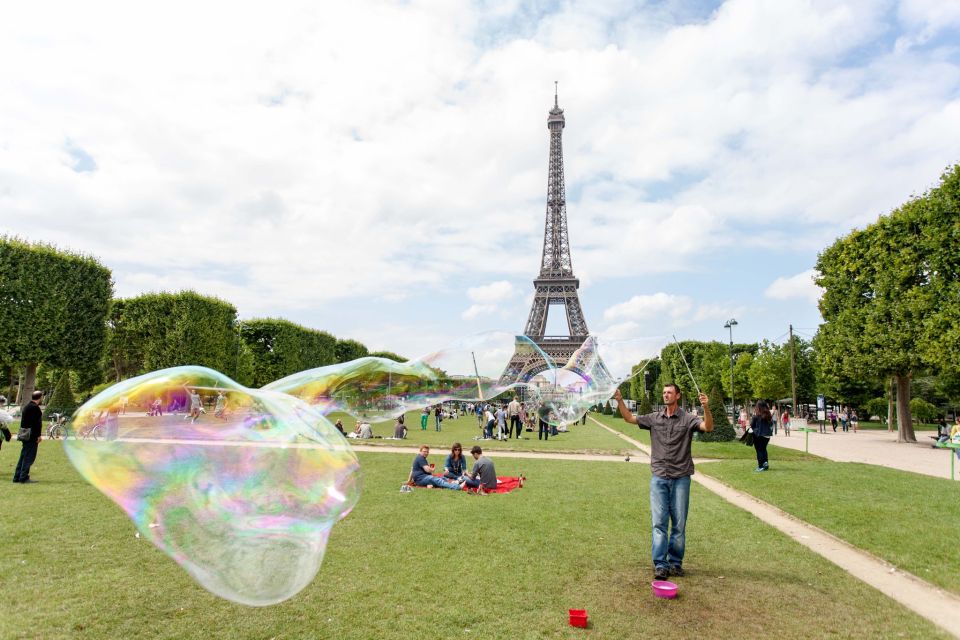
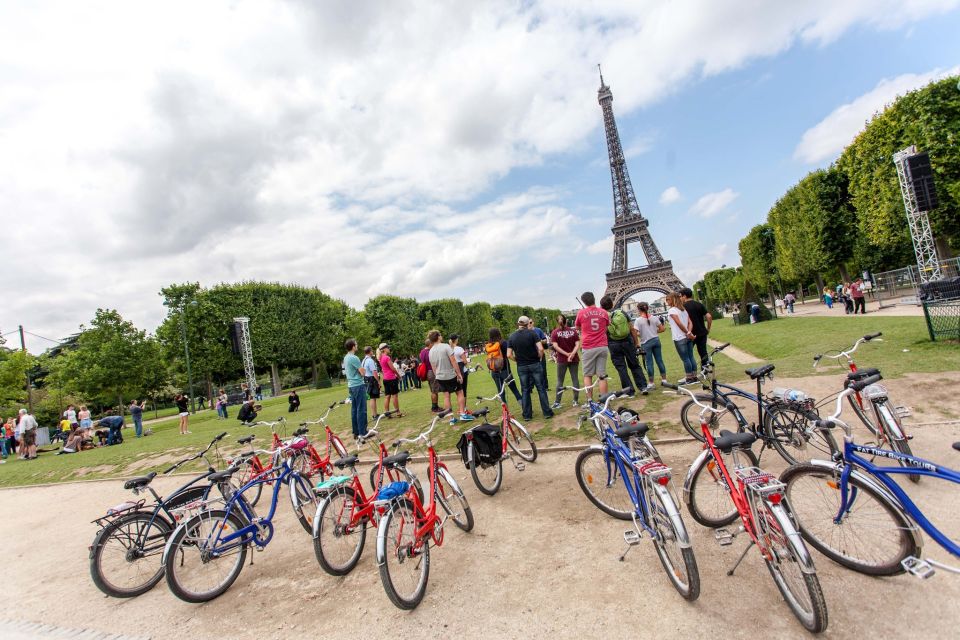
The Eiffel Tower is the headline, and the tour earns it with a picturesque stop rather than a quick skim past. You get the chance to slow down, look up, and frame the tower from angles that are hard to capture when you’re just moving through by foot.
The value here isn’t only the tower itself. It’s the contrast: earlier in the ride you’re learning the streets and the flow of central Paris, and then the route plants you at one of the city’s most recognizable points. That pause helps the rest of your trip click into place.
You’ll also get good photo timing. Paris photos are often lost by crowding or bad positioning; a planned bike stop gives you a better chance to get that classic shot and still regroup without losing the day.
Tip: bring a strap or secure way to carry your phone/camera. When you’re stopped in a crowd zone, you’ll be glad you didn’t improvise with a wobbly bag.
Dome church and Les Invalides: Napoleon’s story in context
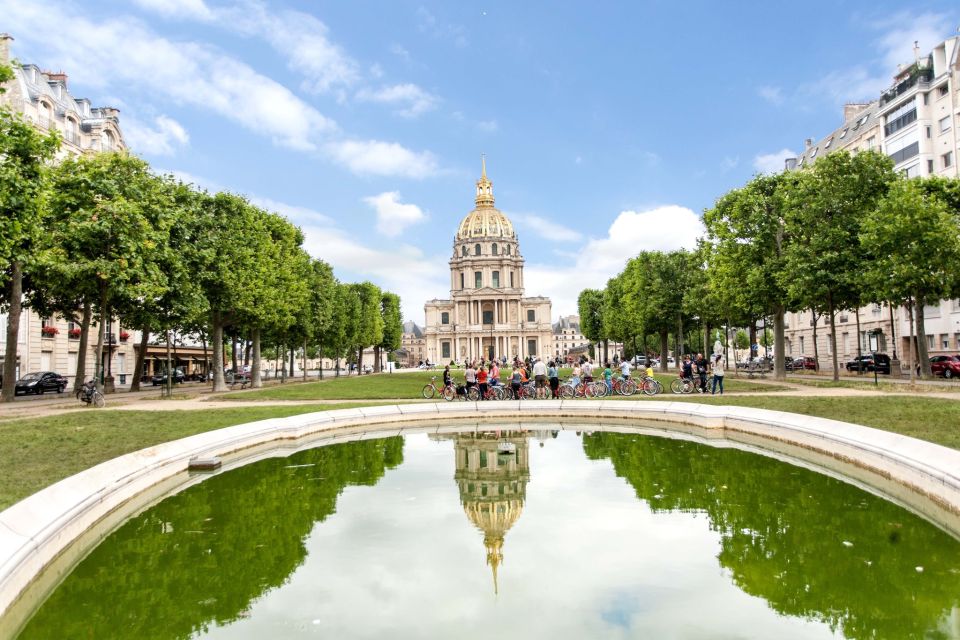
This is one of the most meaningful parts of the day. You’ll see the Dome church where Napoleon is buried and also stop with access to the Invalides museum area.
Even if you only know Napoleon as a name from textbooks, seeing the site changes how the story lands. The architecture and scale make it feel less like a chapter and more like a lived centerpiece of French history. And the fact that this stop is built into a bike route helps you connect it to the rest of your Paris orientation—this isn’t isolated sightseeing. It’s part of a larger map of power, memory, and the city’s layout.
What to expect on the ground:
- You’ll have a structured stop to take in what you’re seeing.
- You’ll likely get historical context that explains why the site matters before you head into or around museum areas.
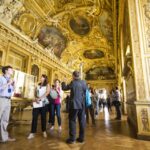
A drawback for some people is time. Museum stops on a bike tour are usually designed for viewing and quick context, not a deep, hour-by-hour self-guided immersion. If you want to spend a lot of time reading exhibits, think of this as your preview stop. Use it to decide what you’ll revisit later.
Place de la Concorde: a big square with big meaning
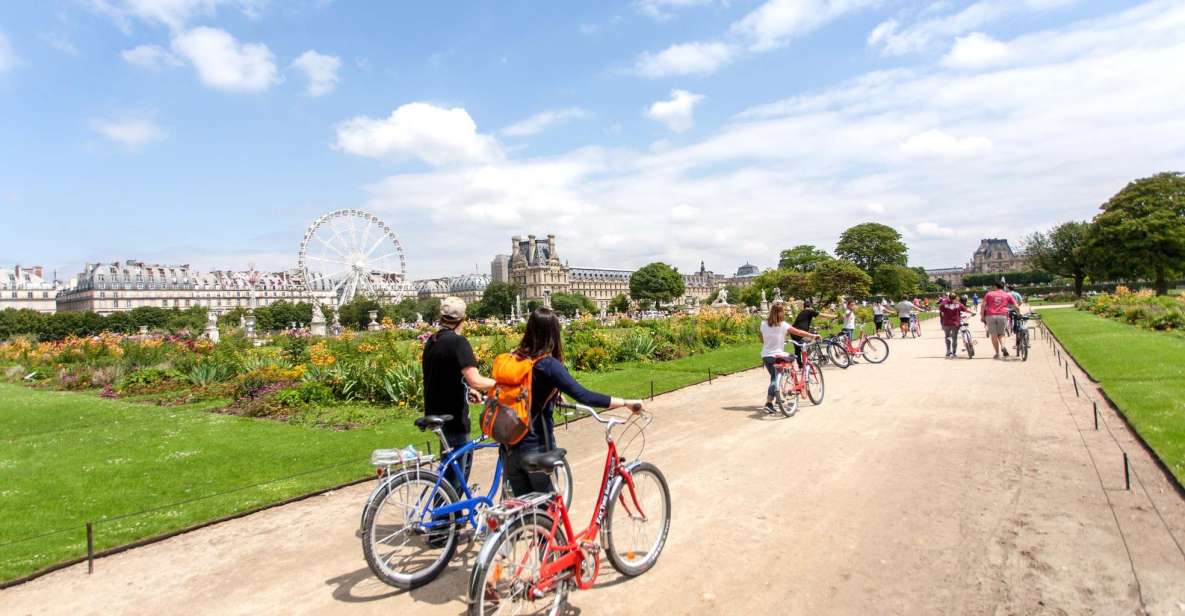
The tour’s stop at historical Place de la Concorde gives you a different kind of Paris landmark experience. This is less about one building dominating the scene and more about space and sightlines—the kind of place that helps you understand how wide Paris can feel.
It’s a great location for getting your bearings because it sits at the intersection of movement: different avenues, different flows of pedestrians, and a lot of visual structure. On a bike tour, that means you can actually register the scale and layout without needing to memorize a map.
Photo-wise, it’s also a solid payoff: you can capture broad city views and landmark relationships rather than only close-up icons.





How long is 210 minutes, really? Pacing for real bodies
210 minutes sounds tight until you break it down. This is typically long enough to feel like you did a “proper tour,” but not so long that you’re exhausted at the end. The pace is designed for mixed experience levels, including families.
Reviews and typical operations point to a mostly flat, rideable feel through many key areas. That matters because it keeps the tour accessible. If you’re bringing kids, or you’re not sure how you’ll handle long days on your feet, this format can be a smart way to get sightseeing done without burning out.
Kids’ bike options are available, including:
- 20-inch or 24-inch bikes for children who can ride on their own
- Tag-along tandems for children under 70 lbs / 32 kg
- Trailers with a two-child capacity at a combined maximum weight of 88 lbs / 40 kg
- Baby seats with a maximum weight limit of 48 lbs / 22 kg
That’s useful because it shows the tour is thinking about different child needs, not just assuming everyone can bike independently.
If you’re traveling with a stroller and expecting it to work like a normal route, don’t count on that. This is a cycling tour, and your best bet is to plan around the listed child equipment.
What’s included for $44: the value math
At about $44 per person, this tour is a good value when you add up what’s included: bicycle, helmet, and an English-speaking guide. In Paris, paying for bikes and safe instruction separately would add up fast, and guided time in central neighborhoods saves you both confusion and wasted sightseeing hours.
The guide adds the most value in two ways:
- They manage the ride so you don’t constantly second-guess traffic and routing.
- They explain what you’re seeing in a way that helps you choose where to spend time later.
Lunch is not included, so plan on using the time for snacks or a meal on your own schedule. Some people are happier with that flexibility; others prefer a fully packaged day. Either way, know that your best use of time is to treat this tour as the orientation and highlight sampler, then pick your next stop.
The weather factor: rain doesn’t stop Paris, but it does change comfort
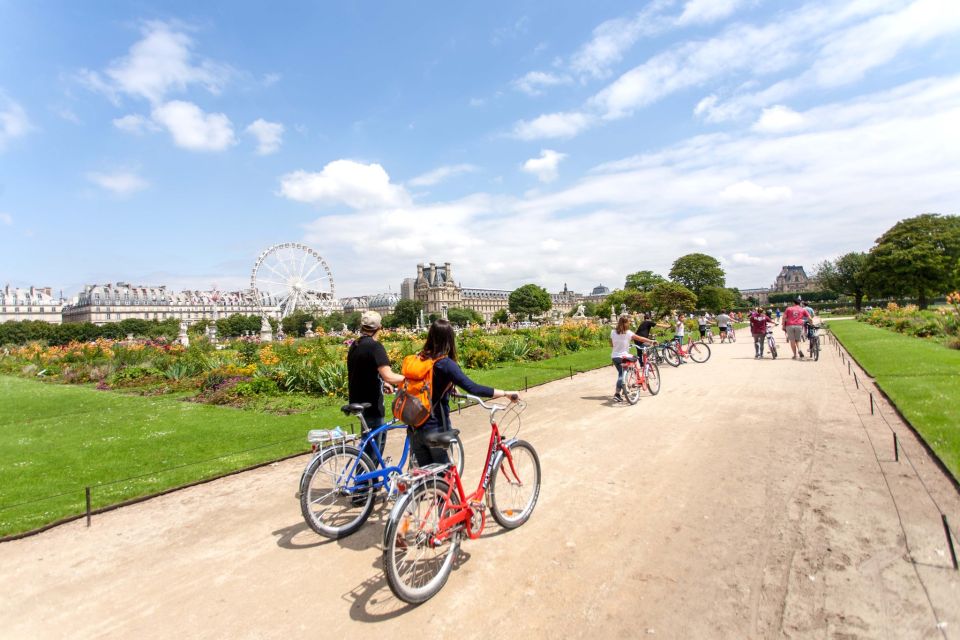
Paris weather can be moody, and you might find yourself riding in cold damp conditions at certain times of year. A few things help: dress for the temperature, protect your hands, and be mentally ready for slower comfort when it’s wet.
What you shouldn’t do is cancel yourself out of the experience. Even in tough weather, the tour format still delivers the core value—moving between major landmarks with a guide and not getting stuck in weather delays like you might with walking-only sightseeing.
One reason the bike tour works in imperfect conditions: you’re not trapped indoors, and you’re not stuck choosing between “stay in museums all day” or “freeze outside.” The schedule is built around short, planned stops.
Who should book this bike tour?
I think this tour fits best if you:
- Want a strong first-day orientation in central Paris
- Prefer bikes over long walks but still want meaningful landmark time
- Travel with kids (especially because the tour offers multiple child-bike setups)
- Like history that’s tied to what you can actually see, rather than a lecture that floats above the street
It may be less ideal if you:
- Hate sharing roads, even when safety briefings are good and the route is managed
- Need long museum reading time during the main itinerary
- Want a slow, unhurried photo session at every stop
The biggest deciding factor for me is the ride format. If you enjoy getting a “city layout” feel while moving, this tour is one of the most efficient ways to do it.
Should you book: my practical take
Book it if you want a day that feels like Paris, not a checklist. Two wheels means you cover more ground with less fatigue, and the combination of Eiffel Tower, Louvre area, Napoleon’s tomb at Les Invalides, and Place de la Concorde hits the kinds of sights that make your later planning easier.
Skip it only if you’re extremely uncomfortable with traffic conditions or you’re aiming for deep museum immersion. In that case, you might pair separate museum tickets with a shorter walking plan.
If this is on your list and you’re in Paris for at least a few days, I’d say it’s a strong early choice: it helps you understand the city quickly, then spend the rest of your trip doing the things that feel most you.
FAQ
What is the meeting point for the Paris Bike Tour?
Meet directly at the Fat Tire Tours office at 24 rue Edgar Faure, 75015. There is a large Fat Tire Tours sign and bikes outside. The closest Metro station is Dupleix.
How long is the tour?
The tour lasts 210 minutes (about 3.5 hours).
What does the price include?
The tour includes a bicycle, a guide, and a helmet.
Is lunch included?
No. Lunch is not included.
What should I bring?
Wear comfortable shoes. (The tour notes comfortable shoes as the main item to bring.)
Is the guide provided in English?
Yes, the tour has a live guide in English.
Are there options for children?
Yes. Children’s equipment is available, including 20-inch or 24-inch bikes for children who can ride on their own, tag-along tandems for children under 70 lbs / 32 kg, trailers for up to two children with combined weight limits, and baby seats with a maximum weight limit.
Can I cancel for a refund?
Yes. The tour offers free cancellation up to 24 hours in advance for a full refund.