REVIEW · PARIS
Paris and the Art of Music, 1.30 hour Walking Tour
Book on GetYourGuide →Operated by Not a Tourist Destination · Bookable on GetYourGuide
Paris has always been a city where music spills into the street. This walk follows that sound from the medieval church of Saint-Germain-des-Prés to the cafés, cabarets, gardens, and small squares tied to Mozart, Stravinsky, Edith Piaf, Maurice Chevalier, George Gershwin, and Cole Porter. The most rewarding part is the way famous names connect to ordinary Paris streets.
I like the small group of no more than eight, which gives the guide room to adjust the talk to your interests. I also like the route’s variety: you get churches and organs, but also cafés, cabaret corners, and the park Piaf loved. The main drawback is that this is a listening and storytelling walk, not a concert or museum tour, and the advertised title says 1.30 hour while the detailed schedule describes two hours. Confirm the start time and duration when booking.
In This Review
- Key points at a glance
- What this Paris music walk is really about
- Meeting at Relais Odeon Café
- Saint-Germain-des-Prés and the medieval soundscape
- Luxembourg Gardens and Renaissance court music
- Carrefour de Buci and the cabaret years
- Cour du Commerce Saint-André and the oldest café
- Saint-Sulpice and its enormous Baroque organ
- Furstenberg Square and the Edith Piaf connection
- How the small group changes the experience
- Timing, comfort, and practical limits
- Is $99 a fair price?
- Who should book this walk?
- Should you book Paris and the Art of Music?
- FAQ
- How long does the music walking tour last?
- Where does the tour meet?
- Where does the tour finish?
- What languages are available?
- How large is the group?
- Is hotel pick-up included?
- What should I bring?
- Can I bring luggage or a large bag?
- Can I cancel for a full refund?
Key points at a glance
- Music across many centuries: Follow a route from a 6th-century Benedictine abbey to 20th-century singers and composers.
- A genuinely small group: With a limit of eight people, you can ask for more detail about the musicians or styles that interest you.
- Saint-Germain’s café culture: See Cour du Commerce Saint-André and Paris’s oldest café, linked to street musicians during the French Revolution.
- A major organ inside Saint-Sulpice: Learn about religious music while viewing one of the world’s very largest organs.
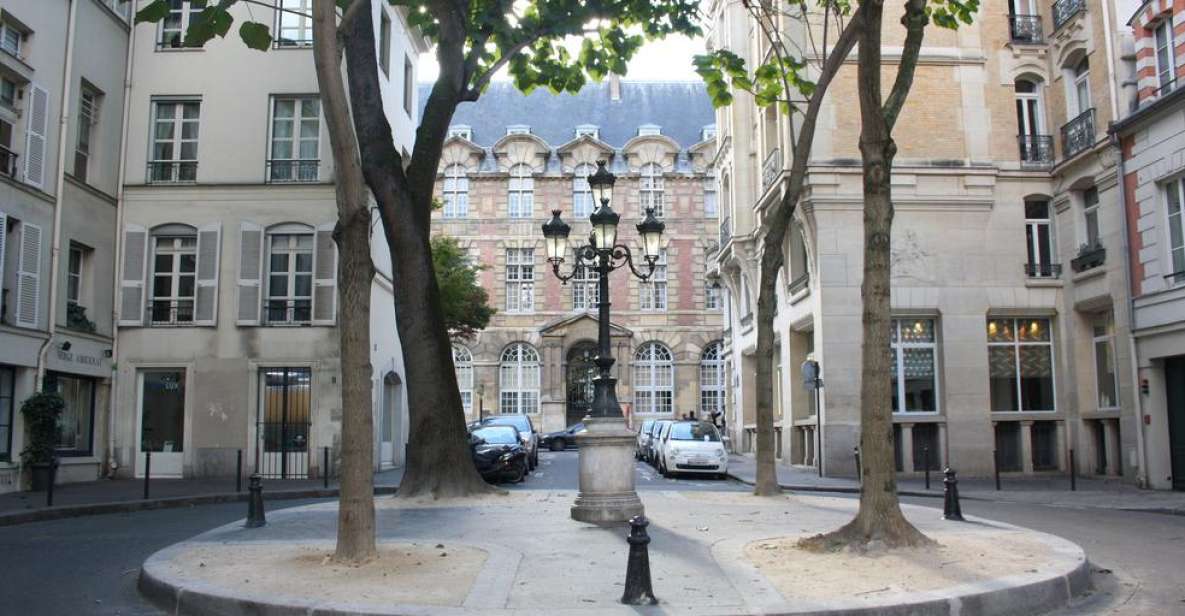
- A gentle finish: The walk ends at Furstenberg Square, associated with Edith Piaf and Maurice Chevalier.
- Bring proper shoes: This is a two-hour city walk, and large bags and luggage are not allowed.
What this Paris music walk is really about
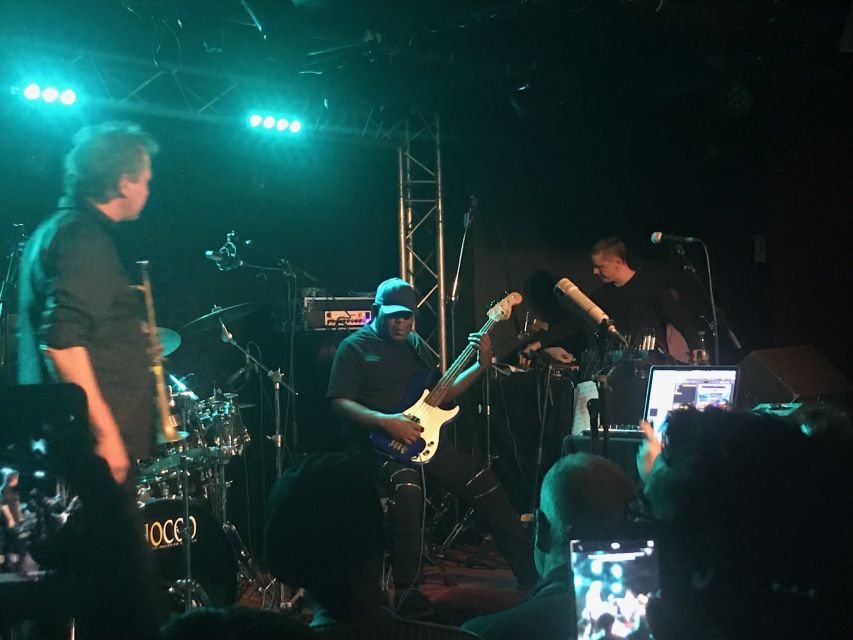
This is not a tour of Paris concert halls. It is a walking lesson in how music has occupied the city’s streets, churches, cafés, gardens, and fashionable quarters.
You move through Saint-Germain-des-Prés, one of the best areas in Paris for a stroll, while the guide supplies the musical connections. The route brings together classical composers, medieval performers, revolutionary-era street musicians, cabaret culture, and popular singers of the 20th century. That broad range is the tour’s strength. You are not boxed into one style or one period.
The experience costs $99 per person. That is a serious price for a two-hour walk, so the value depends on your interest in music and the quality of the guide’s personal storytelling. For someone who only wants to see major monuments, this is not the best use of your Paris budget. For someone who likes context, local streets, and links between art and daily life, the small group and custom discussion can make the price worthwhile.
The tour is offered in English or Spanish. A five-star experience from September 2024 specifically praised the guide’s willingness to shape the information around personal interests. Another very positive outing had only three participants, which allowed the guide to share a great deal and take the group through a lovely quarter at an easy, personal pace. The group limit does not guarantee a private tour, but it gives you a better chance of real conversation than a large city walk.
You can also read our reviews of more walking tours in Paris


Meeting at Relais Odeon Café

The walk begins at Relais Odeon Café, 132 Boulevard Saint-Germain, in the 6th arrondissement. The nearest named Metro stop is Odéon on line 4.
This is a sensible starting point for a tour about Parisian cafés and performers. You begin in a part of town where sitting, talking, writing, performing, and watching the street have long been part of the daily rhythm. Arrive ready to walk rather than expecting a seated introduction or a drink included in the price.
The meeting point is central, but you should still leave enough time to find the café and guide. The supplied details do not promise hotel pick-up, so you are responsible for reaching the start. Since the route ends elsewhere, do not bring luggage or a large bag. A small day bag is the practical choice, provided it meets the operator’s restrictions.
Saint-Germain-des-Prés and the medieval soundscape
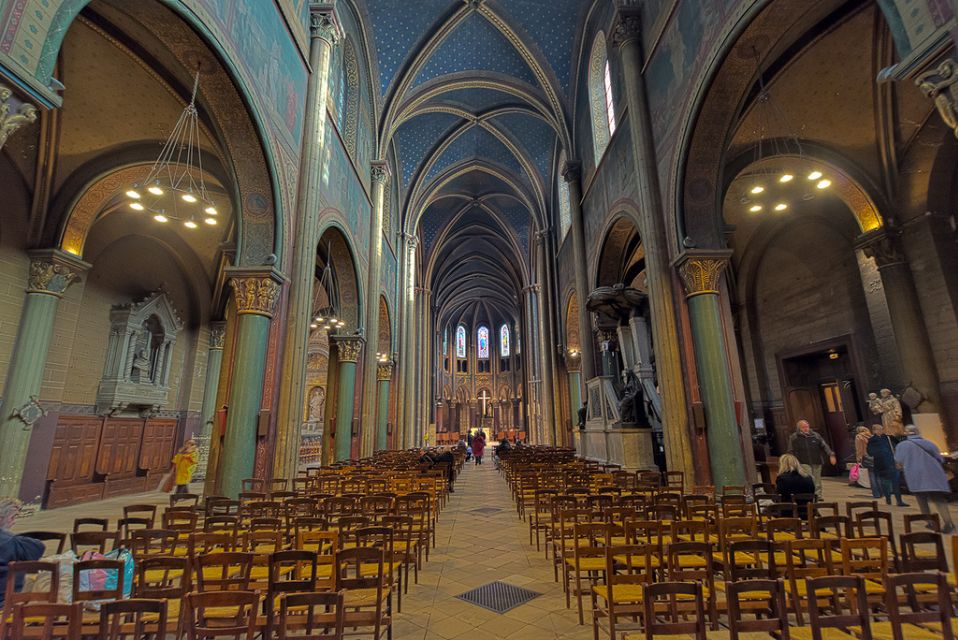
One of the first major stops is the Benedictine Abbey of Saint-Germain-des-Prés, founded in the 6th century. It is presented as Paris’s oldest church and as a place where troubadours performed during the Middle Ages.
That detail helps set the tone. You are not simply looking at an old church and hearing a date. You are being asked to picture music as part of public and religious life long before modern stages, recording studios, or ticketed concerts. The church gives the tour a strong opening because it links architecture to performance.
The abbey is especially useful for visitors who want more than a list of composers. A music-centered guide can explain how religious settings shaped what people heard, where performers appeared, and why churches mattered so much to musical life. You will also see how a familiar Paris monument can take on a new role when viewed through sound rather than art or politics.
The drawback is that the experience depends on the guide’s explanation. The tour does not include a stated performance, and the route should not be treated as a concert visit. If you need live music, you will want to pair this walk with an organ recital or evening concert booked separately.
Luxembourg Gardens and Renaissance court music
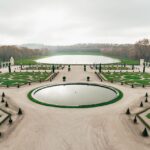
The route continues to the Luxembourg Gardens and Palace, associated with Marie de Medici and court music during the Renaissance.
The gardens provide a welcome change from narrow streets. After the dense city setting around Saint-Germain, open paths and formal grounds give the guide room to explain how royal taste shaped music and ceremony. The palace connection also adds a useful contrast to the earlier abbey. Religious music and court music served different settings, audiences, and purposes, and the walk places those worlds on the same route.
I like this part because it gives you a pause from storefronts and façades. It also shows why a walking tour can be more revealing than a list of indoor attractions. You experience the setting where court life unfolded, then continue through the neighborhood where later artists and performers found their own public stage.
Do not expect a long garden visit. The activity lasts about two hours and includes several stops, so the gardens function as one part of a larger route. If you want time to sit, sketch, or explore the grounds at leisure, plan a separate visit before or after the tour.
Carrefour de Buci and the cabaret years
Carrefour de Buci is described as a colorful crossroads known for cabarets between World War I and World War II. This stop shifts the story from royal and religious music to the nightlife that helped shape modern Paris.
Cabarets matter because they brought music closer to ordinary city life. They were places where singers, comics, musicians, and audiences met in a more informal setting than a palace or church. The crossroads gives the guide a chance to talk about the performers who made Paris famous for evening entertainment, including Maurice Chevalier and Edith Piaf.
This is also where the tour’s mix of names becomes useful. You may hear about French stars alongside international figures who lived, studied, or performed in Paris. The route includes Stravinsky, Mozart, George Gershwin, and Cole Porter, so the focus is not limited to one national tradition.
The stop is more about place and interpretation than about entering a cabaret. No cabaret admission is included. You will see the streets connected to that period and learn why the area mattered, but the actual interiors, shows, and evening atmosphere are outside the tour.





Cour du Commerce Saint-André and the oldest café
Cour du Commerce Saint-André is one of the prettiest sections of the walk. This 18th-century arcade-like street has a picture-perfect feel, with a scale that makes it easy to imagine musicians and café regulars meeting close to the street.
It is also home to Paris’s oldest café, which served as a meeting point for street musicians during the French Revolution. That is one of the tour’s most memorable details because it ties political upheaval to music in a very direct way. Music was not only an art form for courts and churches. It was also a way for people to gather, communicate, and claim public space.
This stop should appeal even if your interest in music is casual. The street itself is attractive, and the café connection gives it a story you might miss while sightseeing on your own. You get a place worth seeing plus a reason to remember it.
The tour does not say that a café visit or meal is included. Think of this as a viewing and storytelling stop. If you want to sit down for coffee, return later with time to spare rather than assuming the schedule allows for a full café break.
Saint-Sulpice and its enormous Baroque organ
Saint-Sulpice Church brings the tour back to religious music, this time in a huge 17th-century Baroque setting. The church is noted for an organ with 7,000 pipes and 100 stops.
The organ is one of the route’s strongest sights. It is described as one of only three 100-stop organs in the world, making it an important stop for anyone interested in organ music, church acoustics, or the scale of historic instruments. Even if you cannot identify a Baroque composer, the size of the organ gives the discussion a physical focus.
Saint-Sulpice is also familiar to many people from its supporting role in The Da Vinci Code. That film connection may draw some visitors in, but the music story is the better reason to pay attention here. The church links architecture, worship, performance, and popular culture in one stop.
As with the other churches, admission to a separate concert is not part of the activity. The guide explains the musical importance of the site, but the supplied information does not promise organ music during the visit. Check the day’s religious services and local rules if you hope to linger inside after the tour.
Furstenberg Square and the Edith Piaf connection
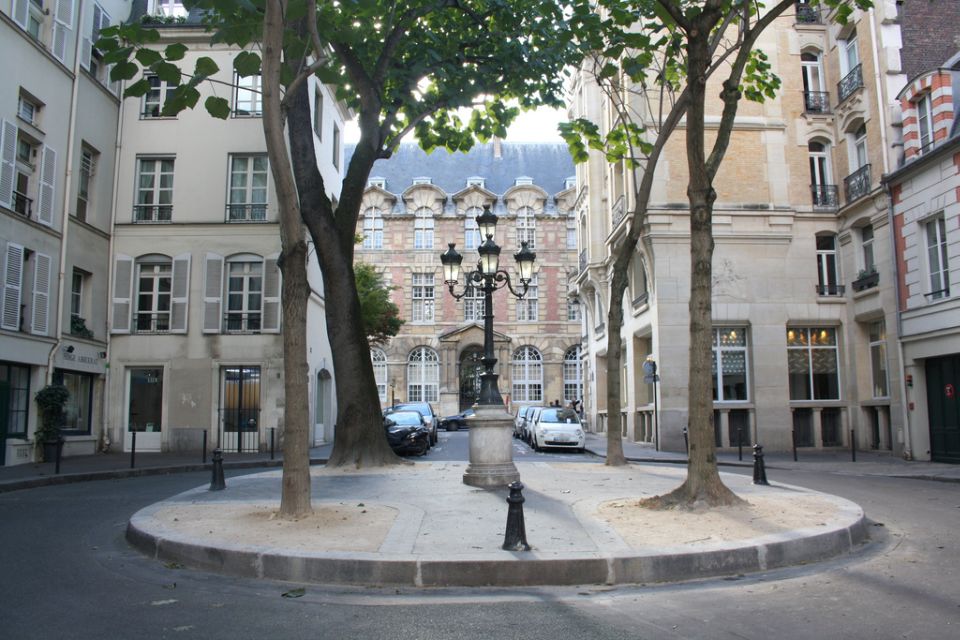
The walk finishes at Furstenberg Square, one of Paris’s smallest and most romantic squares. It was a favorite of Edith Piaf and Maurice Chevalier.
Ending here is a smart choice. After the larger church and busier crossroads, the small square offers a quiet final image. It lets the tour finish on the human scale of a neighborhood rather than with one more grand monument.
The Piaf connection gives the ending emotional weight. Her place in Parisian music is tied to the city’s streets, voices, cafés, and working neighborhoods, so a small square feels more fitting than a formal concert venue. Maurice Chevalier adds another layer, linking two major French entertainers to the same corner.
Because this is the endpoint, think ahead about what you want to do next. Hotel transport is not included, and the tour does not return you to the café where you began. The activity ends in the 6th arrondissement, so you can continue exploring on foot or make your own way elsewhere.
How the small group changes the experience
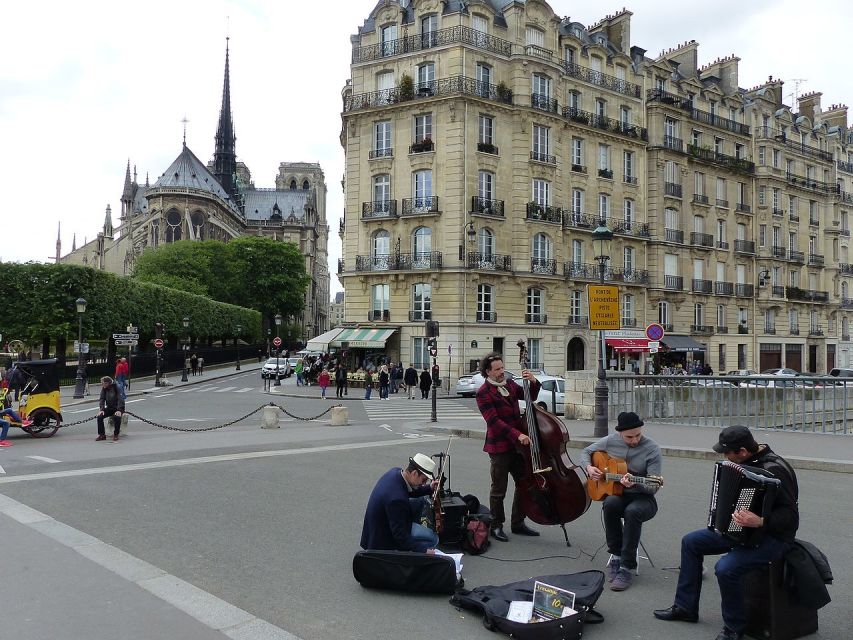
The maximum group size is eight people. That limit matters on a walking tour built around questions and interpretation.
In a large group, a guide may need to deliver a fixed speech while everyone strains to hear on a busy street. Here, you have a better chance to ask about a favorite composer, a particular musical era, or the link between French singers and visiting American artists. One recent outing had just three participants, and the guide was able to share extensive information in a personal way.
The experience is not guaranteed to be private. Group numbers can vary, and the available data does not provide the guide’s name. Still, the format is a clear advantage for anyone who prefers discussion over a rehearsed lecture.
The guide speaks English or Spanish. Choose the language in which you can comfortably follow names, dates, and musical terms. That will make a real difference, since much of the value comes from spoken context rather than objects with labels.
Timing, comfort, and practical limits
The detailed activity information describes a two-hour walking tour. The product title refers to 1.30 hour, so you should check the exact booking information before you commit to another appointment immediately afterward.
Wear comfortable shoes. The route crosses streets, courtyards, garden paths, and church interiors, and there is no reason to bring formal footwear for this outing. Paris sidewalks can be tiring even when the route is not physically demanding.
Large bags and luggage are not allowed. That rule is important if you are arriving with suitcases or heading straight to a train station. Store your main luggage first and carry only what you need for the walk.
Cancellation is free up to 24 hours in advance, with a full refund. A cancellation made less than 24 hours before departure is not refunded. You can reserve now and pay later, which is useful if your Paris schedule is still changing.
Is $99 a fair price?
At $99 per person, this is priced above a basic neighborhood walk. You are paying for a small group, an English- or Spanish-speaking local guide, and a specialized subject rather than a general introduction to Paris.
I would call it fair value for a music enthusiast, a repeat Paris visitor, or anyone who enjoys cultural connections more than checking off major sights. The route covers several distinct places, and the limited group can make the discussion feel tailored. The September 2024 outing showed exactly why that matters: the guide adapted the content to the participant’s interests, and the time passed quickly because the group saw a lot.
For a first-time visitor with only one day in Paris, I would spend $99 on a tour that includes a major landmark or a more essential orientation. This walk is narrower by design. It works best after you have seen the standard sights or when music is one of the main reasons you came to Paris.
Who should book this walk?
Book it if you like:
- Classical music, cabaret, popular song, or the social side of performance
- Small groups and the chance to ask questions
- Saint-Germain-des-Prés, Luxembourg Gardens, and quiet historic streets
- Stories that connect famous artists to ordinary places
- A guide-led experience rather than a self-guided route
Think twice if you want a live concert, extensive time inside churches, or a tour focused on major Paris monuments. This is also not ideal if you need hotel pick-up, are carrying luggage, or dislike walking for two hours.
Should you book Paris and the Art of Music?
I would book this tour if music gives you a special reason to visit Paris. The route offers a pleasing mix of abbey, gardens, cabaret crossroads, café arcade, Baroque church, and romantic square. Its best feature is not any single sight. It is the way the guide turns those places into a connected story about how Paris has listened, performed, and gathered over the centuries.
The strongest reason to choose it is the small group. Ask about the composer or singer you care about, and the guide may be able to shape the conversation around that interest. The main caution is price and scope: $99 is a lot for a two-hour walk, and there is no included concert or meal.
For the right audience, that tradeoff makes sense. Bring comfortable shoes, leave your luggage behind, confirm the two-hour timing, and arrive at Relais Odeon Café ready to hear Paris from a different angle.
FAQ
How long does the music walking tour last?
The detailed activity information gives the duration as two hours. The title refers to 1.30 hour, so check the confirmed timing when booking.
Where does the tour meet?
The meeting point is Relais Odeon Café at 132 Boulevard Saint-Germain, 75006 Paris. The nearest named Metro station is Odéon on line 4.
Where does the tour finish?
The walk finishes at Furstenberg Square.
What languages are available?
The live guide is available in English or Spanish.
How large is the group?
The activity is limited to eight participants.
Is hotel pick-up included?
No. Hotel pick-up and drop-off are not included.
What should I bring?
Bring comfortable shoes for the two-hour city walk.
Can I bring luggage or a large bag?
No. Luggage and large bags are not allowed.
Can I cancel for a full refund?
Yes. You can cancel up to 24 hours in advance for a full refund. Cancellations made less than 24 hours before the tour are not refunded.