REVIEW · PARIS
Paris: 2-Hour Aligre Market Walking Food Tour & Tasting
Book on GetYourGuide →Operated by Original Food Tours · Bookable on GetYourGuide
Paris has a market you taste with your feet. This 2-hour Aligre Market walking food tour (about 3 hours in practice) throws you into the lively 12th arrondissement at Aligre Square, near Opéra Bastille, with small-group time built for real conversations—not just photo stops. You’ll sample fresh market specialties while your guide explains how this place works and why locals shop here.
I love the mix of flavors you can actually build a lunch around: cheese, cured meats, and even chocolate, plus wine to tie it together. I also like that the guide style leans local and human—guides like Nick (described as a private chef) and Rebecca (praised as professional and enthusiastic) focus on French food culture, not food trivia.
One thing to consider: if you have allergies, you’ll need to confirm them in advance. And because it’s a walking tasting tour, plan on being on your feet for a good chunk of time, with multiple stops that often involve tasting while standing or strolling.
In This Review
- Key Highlights You’ll Care About
- Why Aligre Market Beats the Usual Paris Food Stops
- Getting There: 159 Rue du Faubourg Saint Antoine, Metro Ledru Rollin
- How the 3-Hour Flow Fits Food, Walking, and Questions
- Inside Aligre Square: Where the Tastings Actually Happen
- The Shopkeeper Part: Why You’ll Remember the Conversations
- The Wine Moment and the Old Wine Barrel Setup
- Seasonal Treats: Hot Chocolate and Hot Wine in Winter, Aperitif in Summer
- What You’ll Learn About French Food Culture (Without Feeling Like a Classroom)
- Price and Value: Is $129 Worth It?
- Who Should Book This Tour (And Who Might Skip It)
- Practical Tips to Get the Most From Your Tastings
- Should You Book the Aligre Market Food Tour?
- FAQ
- Where is the meeting point for this Aligre Market tour?
- How long is the tour?
- How many tastings should I expect?
- Is the tour a small group?
- What languages is the guide available in?
- Does the tour include wine?
- Is there a seasonal drink option?
- What happens at the end of the tour?
- Do I need to confirm allergies in advance?
Key Highlights You’ll Care About

- Aligre Square location: a genuine market area near Opéra Bastille, right in the 12th arrondissement
- 6 to 8 tastings: multiple bites so you leave with a full sense of the local food scene
- Shopkeeper conversations: you’re meant to chat, not just look
- Wine + food pairing: cheese or charcuterie moments, plus a final glass and platter
- Seasonal drinking options: hot chocolate or hot wine in winter; aperitif in summer
- Small group (max 10): more chance to ask questions and keep the pace comfortable
Why Aligre Market Beats the Usual Paris Food Stops
If your Paris plan is heavy on the same postcard neighborhoods, Aligre Market is a smart change of pace. This tour puts you in a place where locals do their morning runs and shop talks keep moving. It’s not staged. It’s street-level commerce—food first, gossip second, and everything else after.
I like that the focus stays on what you can taste and understand. You’re not chasing sauces for the sake of sauces. Instead, you’ll learn how French market shopping turns into meals: choose the cheese, add the cured meats, finish with something sweet, then settle in with a drink.
The setting matters too. Aligre Market sits in the 12th arrondissement and takes place around Aligre Square, and that’s close enough to your bigger sightseeing plans that you won’t feel stranded. It’s also far enough from the tourist hotspots that the market feels like it has its own rhythm.
You can also read our reviews of more walking tours in Paris

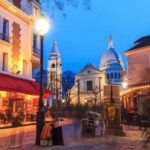

Getting There: 159 Rue du Faubourg Saint Antoine, Metro Ledru Rollin

The meeting point is simple and transit-friendly: 159 rue du Faubourg Saint Antoine, Paris 75012. Use métro Ledru Rollin or Faidherbe-Chaligny depending on where you’re coming from, and give yourself a few extra minutes to orient before the group gathers.
Practical tip: wear comfortable walking shoes. You’ll move through market streets and the surrounding area, and the tour is built around stopping often. If your feet get angry easily, solve that problem early.
Also, come hungry in a controlled way. The tour is designed around 6-8 tasting stops, so you’ll be sampling multiple items rather than getting one big meal. If you arrive starving, you’ll overeat too fast at the first couple of places. If you arrive overly full, you might end up treating tastings like chores. Aim for comfortably hungry.
How the 3-Hour Flow Fits Food, Walking, and Questions

The tour is described as a 2-hour walking food tour, but the scheduled duration is 3 hours. That difference usually comes from the time it takes to stroll between spots, talk with shopkeepers, and actually taste enough to notice quality.
The structure is straightforward:
- You start in the market area around Aligre Square.
- You visit multiple food-focused stalls and nearby delicatessen shops.
- You end with more food and a drink, including a complimentary glass of wine and a sharing platter.
What makes this format work is the balance. You’re not stuck at one stop waiting for the next course. But you also don’t feel rushed. The small-group size (up to 10 people) helps the guide manage pacing, and it keeps questions from getting lost.
Inside Aligre Square: Where the Tastings Actually Happen
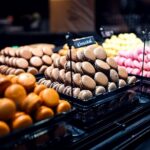
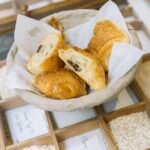
This is a market tour, so the “what” matters as much as the “where.” You’ll taste fresh local specialties from market stalls and from food shops around the area. The tour is built around real ingredients you can picture later at a French bistro or from a charcutier at home.
From the experience description and the strongest guide feedback, you can expect tastings that typically include:
- Cheese (often paired with cured meats)
- Cured meats (charcuterie-style, in small tasting portions)
- Chocolate or chocolate-forward bites
- Soft drinks as part of the tasting flow
- Wine added at the right moments
The big value here is contrast. Markets teach you through comparison: one stall’s cheese texture feels different from another’s, and cured meat styles can taste noticeably distinct even when they look similar. When you try several over a few hours, you start building a real sense of what French “daily food” tastes like.
A note on pacing: because you’re doing 6-8 stops, you’ll want to take your time with each bite. One of the easiest ways to get value out of a tasting tour is to slow down for the last bite at each stop, not just the first. That’s where details show up—salt level, fat balance, how the flavor lingers.
The Shopkeeper Part: Why You’ll Remember the Conversations
Some tours throw you in front of displays and call it cultural. This one aims for the opposite: you’re encouraged to chat with local shopkeepers. That’s the difference between collecting tastes and understanding tastes.
This matters for two reasons. First, shopkeepers usually explain what makes their product different—how they choose it, how they store it, and how locals eat it. Second, you pick up quick “how-to” instincts. You start thinking like a buyer, not like a spectator.
The guide role is key. Feedback highlights guides who bring a chef’s eye and a teacher’s patience. Nick, described as a private chef, is noted for sharing lots of food culture context. Rebecca is praised for being professional and enthusiastic. When that energy lands, you end up with answers to the questions you didn’t know you had.
You can expect more than a sales pitch. Think of these stops as mini lessons in French everyday eating: how a cheese selection pairs with what comes next, and why cured meat isn’t just a sandwich ingredient here—it’s a serious choice.
You can also read our reviews of more food & drink experiences in Paris



The Wine Moment and the Old Wine Barrel Setup

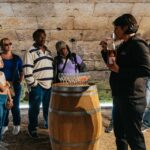
Wine isn’t an afterthought on this tour. You’ll drink with food, and you’ll do it in a setting that feels like part of the neighborhood’s food tradition.
One described highlight is the chance to enjoy wine with cheese or delicatessens on an old wine barrel. That detail sounds small, but it changes the vibe. It turns the tasting from something you rush through into something you actually pause for.
Here’s the practical payoff: you learn how wine and food are matched in real life. The goal isn’t wine jargon. It’s balance—how the drink works with salty, fatty, or sweet flavors. If you don’t drink much wine, ask for the soft drink options and still take part in the food pairing lessons. Even if you’re skipping alcohol, you’ll come away with a better sense of why certain combinations are made.
Seasonal Treats: Hot Chocolate and Hot Wine in Winter, Aperitif in Summer
Paris changes its drink habits with the season, and this tour leans into that. During winter, you might be offered a sip of hot chocolate or hot wine. In summer, the plan shifts toward an aperitif style tasting.
That seasonal element is more than comfort. It adds variety to the “drink” part of the experience. One day you’re warming up with something sweet and rich. Another day you’re getting a light, pre-meal sip that fits the market pace.
If you’re visiting in colder months, I’d treat the hot drink portions as part of your clothing plan. Keep an eye on how long you’ll be outside on the street, and don’t wear shoes you regret after an hour. In warm weather, you’ll still want water, especially when tasting multiple items back-to-back.
What You’ll Learn About French Food Culture (Without Feeling Like a Classroom)
The best food tours don’t just list ingredients. They explain the logic behind them. This tour’s guide approach focuses on French food culture in a practical way: how markets work, how shopkeepers think, and how everyday items become an experience.
The context you get is useful because it helps you make choices after the tour. When you later walk into a cheese shop or a charcuterie counter, you’ll have a mental map:
- what to look for first,
- what pairing ideas make sense,
- and what “good” can mean beyond price.
It also helps you shop with confidence. Markets can feel intimidating if you don’t know the basic rhythms. A guide who can translate that rhythm into plain language turns the whole thing into something you can repeat on your own.
Price and Value: Is $129 Worth It?

Let’s talk money like adults. The price is $129 per person, and the tour includes 6-8 tasting stops plus soft drinks and tastings. It also ends with a complimentary glass of wine and a sharing platter.
So what are you really paying for?
- Guide time with local shopkeeper conversations
- Multiple guided tastings (not just one or two samples)
- The ability to learn how to choose and pair food in a real market context
A standard casual food walk can cost less, but you often end up with fewer tastings and less explanation. On the other hand, some high-end private food experiences cost way more and still leave you with “tastes” but not much insight. This one is positioned as the middle path: substantial sampling, local access, and a small group cap that keeps it from turning into a production.
Who this value is best for: couples, solo travelers, and small groups who want to eat well without spending hours researching where to go. If you love market food and you enjoy asking questions, the cost starts to feel fair fast.
Who Should Book This Tour (And Who Might Skip It)
This tour fits you best if:
- You want a food-centered Paris experience in a real neighborhood market
- You like tasting multiple items rather than ordering one set menu
- You enjoy conversations and don’t mind walking between stops
- You drink wine occasionally and like the idea of food pairing
You might think twice if:
- You’re extremely sensitive to alcohol aromas or prefer to avoid wine entirely (the tour may still include wine moments, though soft drinks are part of the plan)
- You have allergies and haven’t confirmed details in advance
- You’d rather do Paris food at your own pace with a list you build yourself
Practical Tips to Get the Most From Your Tastings
A few things can make a big difference on a tour like this.
First: pace yourself. With 6-8 tasting stops, you’ll likely eat in small bites across the morning/afternoon. Take a second between stops to reset your palate so the next taste actually registers.
Second: ask questions at the right moment. Shopkeepers can be busy and the market moves quickly. If there’s something you want to know—how to store cheese, how to pick a cured meat, when to eat chocolate—ask soon after a tasting, when the product is fresh in your mind.
Third: plan your next meal. This isn’t a “quick snack tour.” The final glass and sharing platter can easily feel like a mini dinner. If you schedule a full meal right after, you’ll likely regret it.
Fourth: allergies need advance confirmation. The tour data explicitly says allergies need to be confirmed. Don’t guess. Make sure your guide has the details before you arrive.
Should You Book the Aligre Market Food Tour?
Yes, if you want an authentic-feeling Paris food experience that doesn’t require market research skills. The combination of 6-8 tasting stops, wine with food, and the chance to chat with shopkeepers is exactly how you start understanding French everyday eating. It’s also a strong choice for a first-time market visitor who wants guidance without feeling trapped in a rigid menu.
Maybe not, if your ideal Paris day is long museums and quiet cafés with no standing and no walking between stops. And if you have allergies, treat this as a “confirm first” situation, not a “maybe it’ll work out” plan.
If you land in the 12th arrondissement mindset—curious, hungry, and ready to talk to people—this tour is a very solid way to spend a few hours and leave with flavors you can recognize later.
FAQ
Where is the meeting point for this Aligre Market tour?
The meeting point is at 159 rue du Faubourg Saint Antoine, Paris 75012. The nearest metro options listed are Ledru Rollin and Faidherbe Chailign y.
How long is the tour?
The activity is listed with a duration of 3 hours. It’s described as a 2-hour walking food tour, so expect time for tasting and walking included in the total.
How many tastings should I expect?
You should expect 6-8 tasting stops, with soft drinks and tastings included.
Is the tour a small group?
Yes. The group is limited to 10 participants.
What languages is the guide available in?
The live tour guide is available in English and French.
Does the tour include wine?
It includes wine as part of the tasting experience, and it ends with a complimentary glass of wine.
Is there a seasonal drink option?
Yes. In winter, the tour can include hot chocolate or hot wine. In summer, it includes an aperitif.
What happens at the end of the tour?
The tour ends with a complimentary glass of wine and a sharing platter of local food.
Do I need to confirm allergies in advance?
Yes. Any allergies need to be confirmed, so you should make that clear before the tour.