REVIEW · PARIS
Orangerie Museum Entry Tickets and Private Guided Tour
Book on GetYourGuide →Operated by TourUpinEurope · Bookable on GetYourGuide
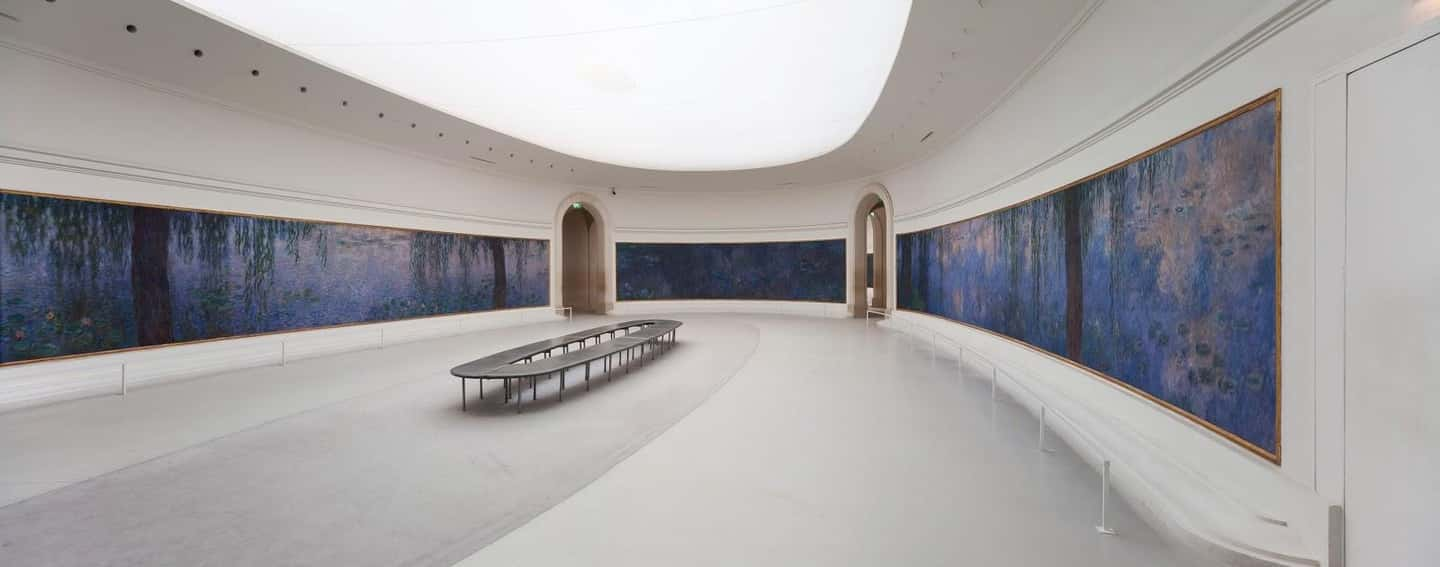
The Orangerie Museum is a small, calm place with one huge artistic payoff: Monet’s Water Lilies arranged across broad, curved walls. A private guide can help you see these paintings as more than pretty scenes, explaining how Monet shaped the room and why the series changed the way people experience art.
I like the private format, since you can ask questions without keeping pace with a large group. I also like the range of the collection, which moves from Monet to Cézanne, Renoir, Picasso, and other major artists in one short visit. The main caution is the uneven depth of the guiding. David has been praised for turning the tour into a serious art lesson, but one booking found the discussion of artists beyond Monet too brief.
In This Review
- Key points to know before you book
- Why Monet’s Water Lilies make this museum visit special
- Starting at the Orangerie entrance in the Tuileries Garden
- From Impressionism to Picasso in one museum
- What three hours gives you
- The value of a $224 private museum tour
- Who will get the most from this experience
- Practical advice for a smooth museum visit
- Should you book the Orangerie private tour?
- FAQ
- Where does the tour meet?
- How do I identify the guide?
- How long does the tour last?
- What is included in the price?
- Is this a private tour?
- Which languages are available?
- Is the tour wheelchair accessible?
- Can I take photographs inside?
- Can I cancel for a refund?
Key points to know before you book
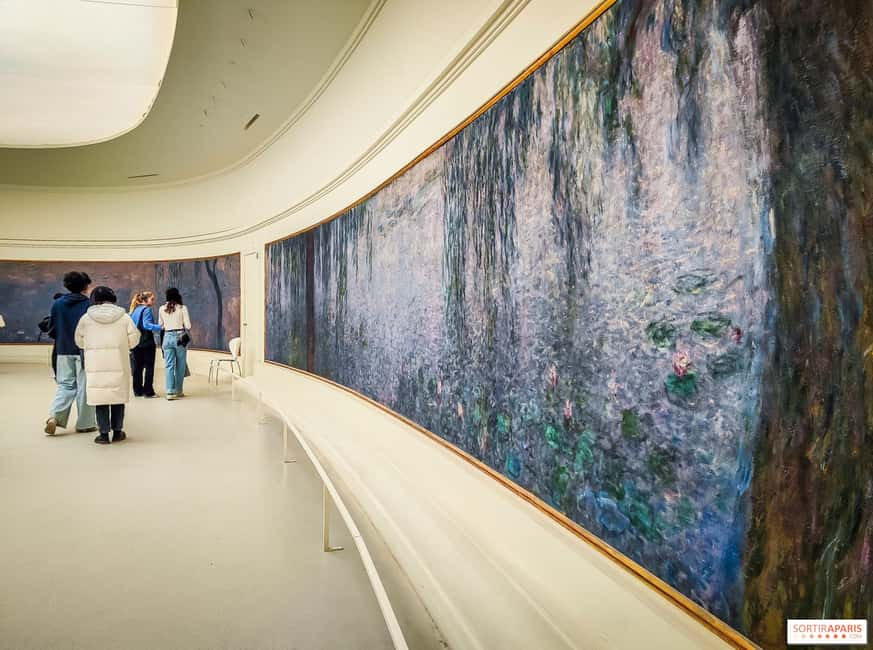
- Monet’s Water Lilies are the heart of the visit: You see the paintings in the Orangerie’s specially designed oval rooms.
- The three-hour length allows more than a quick look: The tour covers Monet and the museum’s wider collection.
- A private guide changes the pace: You can ask questions and focus on the artists that interest you most.
- David is a guide to request if available: His art knowledge, courtesy, and teaching style received especially strong praise.
- The museum is inside the Tuileries Garden: Meet outside, on the right side of the entrance, and look for a small Llama mascot.
- The price is high but includes the ticket and private guiding: At $224 per person, value depends on how much you want personal art commentary.
Why Monet’s Water Lilies make this museum visit special
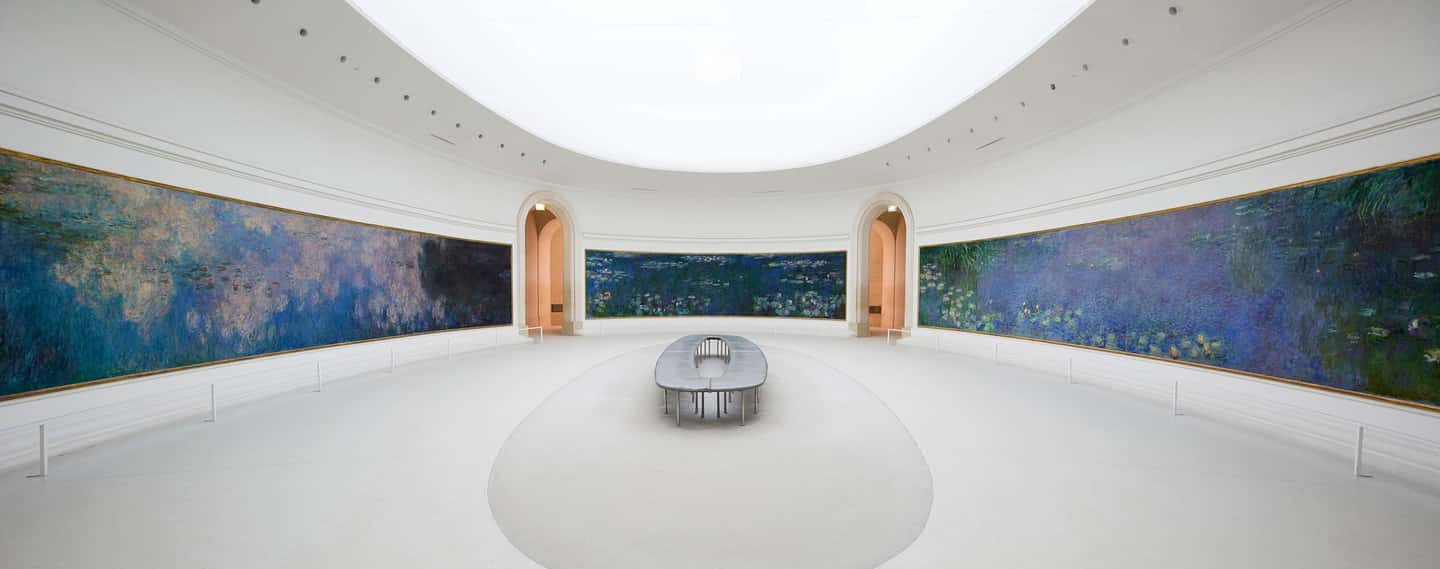
The Orangerie’s main attraction is Monet’s Water Lilies, a group of large paintings made to surround you. Their size matters. You are not simply looking at one framed picture and moving on. The room gives the paintings space to work together, so the experience feels slower and more focused than a standard gallery stop.
Your guide begins by explaining Monet’s vision and the impact of the series. That context is useful because the paintings can look simple at first glance. Water, reflections, plants, light, and open space may fill the canvas, but the scale and arrangement ask you to think about how a painting can shape an entire room.
I would give this part plenty of attention. Do not treat the oval rooms as a quick photo stop. Look across the full length of the paintings, then notice how your impression changes when you stand closer. Flash photography is not allowed, so plan to experience the works without relying on your camera.
The museum is especially good for people who want to understand Impressionism through direct experience. You can listen to the guide’s explanation, then spend a quiet moment looking on your own. That balance is one of the best reasons to choose a private tour instead of a rushed museum visit.
A few more Paris tours and experiences worth a look



Starting at the Orangerie entrance in the Tuileries Garden
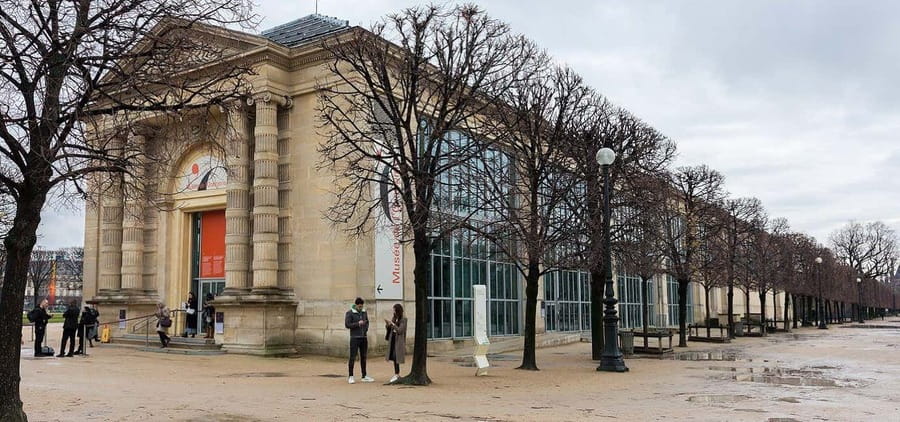
The meeting point is outside the Orangerie Museum, on the right side of the entrance. The museum is inside the Tuileries Garden, so allow enough time to reach the garden and find the correct side of the doorway.
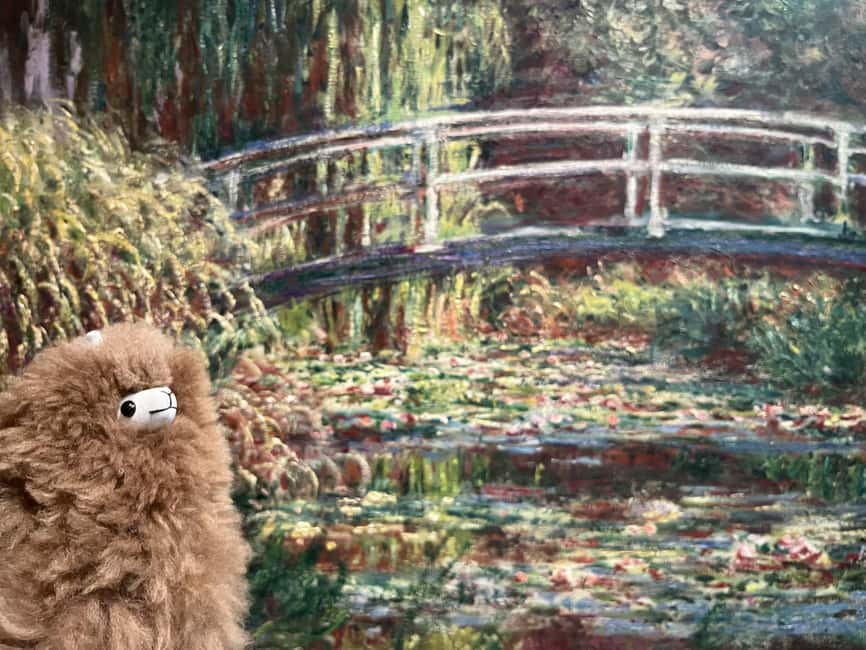
Look for the guide with a small Llama mascot marked Tour Up in Europe. This detail should make the meeting point easier to spot, but it is still wise to arrive with a little time to spare. Your guide’s contact details are sent by email on the morning of the tour, and you can call or text if something urgent comes up.
The visit starts with an introduction to the museum’s place in the art world. That opening matters because the Orangerie is not being presented as just another Paris museum. The guide sets up the connection between Monet’s work and the later art in the collection, giving you a thread to follow as the tour moves through the galleries.
Since this is a private group, the introduction can be more useful than a standard scripted speech. You can ask for basic background if you are new to art, or request more detail if you already know Monet and want to compare him with the other painters.
From Impressionism to Picasso in one museum
After Monet, the tour turns to the wider collection. You can expect to see works by Cézanne, Picasso, Renoir, and other masters. The value here is not only the number of famous names. It is the chance to follow the changes in art from the late 19th century into the early 20th century in a compact setting.
Renoir gives the tour another point of comparison with Impressionism. Cézanne helps show how artists began to rethink form and structure. Picasso brings the discussion into a different phase of modern art. The guide’s job is to connect these works without making the visit feel like a string of unrelated names.
This is where the guide’s skill matters most. Monet’s rooms provide an obvious focus, but the rest of the collection needs explanation to reach its full value. A strong guide can show why Cézanne, Renoir, and Picasso belong in the same visit while also pointing out how different their aims were.
If you are mainly booking for Monet, you can still enjoy the later galleries as an added benefit. If you want an art lesson that covers the development of modern art, pay close attention to how the guide moves from one painter to the next. The stated aim is to trace that evolution, not simply identify paintings.
One booking specifically praised David for his technical understanding of art, education, and kindness, saying he changed a basic museum visit into a cultural experience. If David is assigned to your tour, his name is worth noting. At the same time, guide quality can shape the result, and one person found that the explanation of Picasso and the other painters did not receive enough attention. I would make your interests clear at the start: tell the guide if you want equal time for the wider collection rather than a Monet-heavy visit.
What three hours gives you
Three hours is a useful length for this museum. It gives you time for the opening explanation, Monet’s Water Lilies, and the other galleries without forcing the whole visit into a short sprint.
The exact starting time depends on availability, so check the schedule before booking. Once inside, the private format should make it easier to adjust the pace. You may want more time with Monet, or you may prefer to move on and hear more about Picasso and Cézanne.
I like three hours for this kind of experience because art needs pauses. A short guided entry can tell you what you are seeing, but it may not leave enough room to look carefully. Here, you can listen, observe, ask, and then return to a work with a clearer idea of what to notice.
Still, three hours is not a promise that every artist will receive the same treatment. The museum’s most famous works naturally take center stage. If your priority is a broad survey of every painter, tell the guide early so the time is used in the way you want.
The value of a $224 private museum tour
At $224 per person, this is not a budget museum visit. The fee includes the museum entrance ticket and an expert guide, but the main thing you are paying for is the private format and the chance to receive personal commentary.
The price makes the most sense for someone who does not want to read wall labels alone or join a large group. It also suits people who care about art and want to ask questions as they go. A private guide can explain a work in plain language, respond to your level of interest, and adjust the route within the museum.
The value is less clear if you only want to see Monet’s Water Lilies and leave. The Orangerie is known for those rooms, but the tour lasts three hours and includes the broader collection. If you prefer a quick look, paying for a private guide may feel excessive.
For a couple, family, or small private party, the price can be easier to justify if the personal attention is important. Since the listing gives the fee per person but does not state a maximum group size, check the final booking details if group pricing is a major concern.
Free cancellation is available up to 24 hours before the tour for a full refund. You can also reserve now and pay later, which helps if your Paris schedule is still shifting.
You can also read our reviews of more guided tours in Paris





Who will get the most from this experience
I would recommend this tour to you if Monet is high on your Paris list but you also want a clear introduction to modern art. The visit gives you the museum’s signature work first, then adds Cézanne, Picasso, Renoir, and other painters.
It is also a good choice if art museums sometimes leave you unsure where to begin. The guide provides a route and a story, so you are not left trying to connect the collection on your own.
Families and mixed-interest groups may benefit from the private arrangement. One person can ask basic questions while another asks for more technical detail. The group can also signal when it needs a slower look or a clearer explanation.
Experienced art lovers should approach the booking with a specific request. Ask for time on the artists beyond Monet, especially Picasso, if that is important to you. The experience can be excellent with a strong guide, but the available feedback shows that the amount of attention given to the wider collection may vary.
The tour is wheelchair accessible, which makes it a practical option for visitors who need an accessible museum experience. Language choices include English, Italian, French, German, Spanish, Chinese, Japanese, and Korean. Confirm your preferred language when booking.
Practical advice for a smooth museum visit
Start by finding the Tuileries Garden entrance and then locating the Orangerie on the right side of the museum entrance. The small Llama mascot is the visual clue for your guide.
Keep the morning email handy. It contains the guide’s contact details, which you can use for urgent calls or texts. Since the meeting takes place outside, do not assume the guide will meet you inside the galleries.
Do not plan on flash photography. Flash is not allowed, and the paintings are best enjoyed at a quiet pace anyway. You may take photographs where permitted, but the rules listed for this activity specifically prohibit flash.
Think about your art interests before you arrive. You could say that you want to focus on Monet’s room, the relationship between Impressionism and modern art, or the work of Picasso and Cézanne. A private tour works best when you help shape it.
The tour is offered with a live guide rather than an audio device. That means you can ask questions in real time, but it also means the experience depends on communication with the guide. The strongest feedback goes to David for his art knowledge, courtesy, and ability to teach.
Should you book the Orangerie private tour?
Book it if you want more than entry to Monet’s Water Lilies. The private setting, three-hour duration, multilingual options, and wider collection make this a good pick for anyone who wants help connecting Impressionism with modern art.
I would be more cautious if your only goal is a fast look at Monet or if $224 per person stretches your budget. The tour’s value depends heavily on the guide’s attention to the full collection. If possible, request David, whose teaching and art expertise have received especially strong praise.
For most art-focused visitors, the best plan is simple: arrive ready to ask questions, protect enough time for the Water Lilies, and state clearly that you want the other painters covered as well. That approach gives you the best chance of getting the personal, balanced museum visit this price is meant to provide.
FAQ
Where does the tour meet?
Meet outside the Orangerie Museum, on the right side of the entrance. The museum is located inside the Tuileries Garden.
How do I identify the guide?
Look for someone carrying a small Llama mascot marked Tour Up in Europe.
How long does the tour last?
The tour lasts three hours. Starting times depend on availability.
What is included in the price?
The price includes an expert guide and the museum entrance ticket.
Is this a private tour?
Yes. The activity is organized as a private group experience.
Which languages are available?
Live tours are available in English, Italian, French, German, Spanish, Chinese, Japanese, and Korean.
Is the tour wheelchair accessible?
Yes, the activity is wheelchair accessible.
Can I take photographs inside?
Flash photography is not allowed.
Can I cancel for a refund?
You can cancel up to 24 hours in advance for a full refund. You can also reserve now and pay later.