REVIEW · ROUEN
Official Rouen City Pass 24h, 48h, 72h
Book on GetYourGuide →Operated by ROUEN TOURISME · Bookable on GetYourGuide
Rouen’s City Pass packs a lot into one digital ticket, from the Joan of Arc Historial and Great Clock to museum visits, guided walks, a mini train, and a confectionery stop. It gives you a useful framework for seeing Normandy’s historic capital without buying every ticket separately.
I like the choice of 24, 48, or 72 hours, which lets you match the pass to a short stop or a slower stay. I also like the mix of major sights and smaller museums, especially the impressionist walk tied to Monet and Pissarro. The main concern is the digital system: the English app can be hard to use, and some passholders have had trouble with activation and barcode scanning.
In This Review
- Key points
- How the Rouen Pass works in real life
- Rouen’s historic center, from the Great Clock to Joan of Arc
- Following Monet and Pissarro through Rouen
- Rouen’s museum collection is the pass’s biggest asset
- The mini train, audio guide, and confectionery stop
- Cruises, discounts, and extra savings
- The app and barcode problem
- What the pass costs and when it pays off
- Who should buy the Rouen City Pass?
- My practical verdict
- FAQ
- How long can I use the Rouen City Pass?
- Do I need to collect the pass at the Tourist Office?
- What major attractions are included?
- Are guided tours included?
- Which museums are included?
- Does the pass include temporary exhibitions?
- Is public transportation included?
- Does the pass include discounts?
- Can I cancel the booking?
Key points
- Three time options: Choose a 24-hour, 48-hour, or 72-hour pass, activated when you first use it.
- Strong museum coverage: The pass includes the Museum of Fine Arts, Ceramics Museum, Natural History Museum, Pierre Corneille Museum, and many more.
- Two useful guided walks: See Rouen’s essential sights or follow its impressionist connections with a guide.
- Great Clock and Joan of Arc: Two central Rouen attractions provide the clearest sense of the city’s medieval and cultural story.
- Digital access requires care: The pass arrives by email, but the app, activation steps, and barcode have caused problems for some users.
- Best value comes from planning: You need to check opening hours and visit several included places to beat the cost of individual admission.
How the Rouen Pass works in real life

The Rouen City Pass is a timed admission pass rather than a traditional guided tour. You choose 24, 48, or 72 hours, receive the pass digitally after booking, activate it, and show it at participating sights.
You do not need to collect a plastic card at the Tourist Office. The pass arrives by email, followed by another automatic message containing the City Pass and instructions for activation. That sounds simple, but I would save both messages before arriving and keep the pass easy to reach on your phone.
The Tourist Office near the Museum of Fine Arts can still be useful. One Canadian passholder found it helpful for receiving a city map and getting the pass activated for the day. That practical stop may save time, especially if the app is not behaving as expected.
The clock starts when you activate the pass, not necessarily when you book it. This matters. Do not activate it late in the evening unless you plan to use it that night. For a 24-hour pass, a morning start gives you far more useful sightseeing time.
You can also read our reviews of more city tours in Rouen

Rouen’s historic center, from the Great Clock to Joan of Arc

The included guided tour of Rouen’s must-see sights covers the main districts and monuments in the historic center. The tour is listed as lasting one or two hours, depending on the version available.
This is a sensible first activity because Rouen can feel like a maze of old streets, churches, squares, and timber-framed buildings. A guide gives you a basic map of the center before you begin visiting museums on your own.
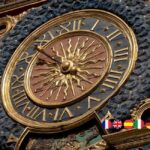
The Great Clock of Rouen is one of the pass’s most recognizable stops. Built into an arch over a busy street, it is both a city symbol and a place to understand how civic timekeeping worked. The visit gives you more than a quick photograph from below.
The Joan of Arc Historial focuses on the life, trial, and later reputation of Joan of Arc. Rouen is closely tied to her final days, so this is one of the most meaningful included attractions. The subject is presented as a historical story rather than simply a statue or plaque in a square.
Give these two sights priority if you only have one day. They are central, distinctive, and less replaceable than some of the smaller museums. If your pass is active for just 24 hours, do not spend the whole morning trying to reach a distant partner before seeing the city center.
Following Monet and Pissarro through Rouen

The impressionist-themed tour, Rouen Seen by Monet, Pissarro and Co, lasts about two hours and links the city with the artists who painted it. It includes the city and the Museum of Fine Arts.
This is a good choice for anyone who wants more than a general walking tour. Rouen’s buildings, streets, and changing light mattered to artists who returned to the same subjects from different viewpoints. The tour helps you connect the actual city with the paintings associated with it.
The Museum of Fine Arts is one of the pass’s strongest inclusions. Its permanent collection covers major periods of European art, while temporary exhibitions add a reason to return. The pass includes both permanent and temporary exhibitions where offered by the participating museums.
You should check the schedule before activating your pass. The guided walks are not described with fixed starting times in the supplied details, and availability can affect how much value you get from a short pass. If the impressionist tour is your main reason for buying, confirm that it runs during your visit.
Rouen’s museum collection is the pass’s biggest asset

The pass includes a large group of museums, and this is where a two or three-day option can make sense. You can split visits into short stops rather than trying to rush through everything in one afternoon.
Included museums and exhibition spaces are:
- Museum of Fine Arts
- Corderie Vallois Industrial Museum
- Antiques Museum
- Ceramics Museum
- Natural History Museum
- Pierre Corneille Museum
- Secq-de-Tournelles Museum
- Ironwork Museum
- Fabric of Knowledge
- Native House of Pierre Corneille
- Flaubert Pavilion at Croisset
- Flaubert and History of Medicine Museum
- MUNAE, the National Education Museum
The range is unusually broad. You get art, ceramics, industrial heritage, literature, science, medicine, education, and decorative metalwork under one pass. That makes it easier to tailor Rouen to your interests.
The Secq-de-Tournelles Museum is especially different from a standard fine arts stop because its focus is ironwork. The Ceramics Museum suits visitors interested in Rouen’s decorative arts, while the Pierre Corneille sites and Flaubert-related museums appeal to readers who want a literary angle.
Some museums may be free to enter without the pass. This is a key value issue. One British passholder felt the pass was useful but noted that several included places already offered free admission. Before buying, identify the attractions you truly plan to visit, then compare their normal prices with the current pass price.
The mini train, audio guide, and confectionery stop

The mini train offers an easy way to see Rouen without walking every street. It can be a pleasant orientation ride early in your stay, particularly if you want a broad look at the center before choosing which museums deserve your time.
The pass also includes the audio guide Rouen in the Ears. An audio guide gives you flexibility that a scheduled walk does not. You can pause, move at your own speed, and fit sightseeing around museum hours.
The confectionery inclusion needs a careful explanation. The advertised experience includes a look inside a laboratory, an apple lollipop, and a tasting tray. It is not necessarily a small pastry shop in the heart of Rouen. One German booking found that the confectionery site was a sugar factory outside Rouen, while the apple lollipop was also available at the Tourist Office.
That detail changes the appeal. If you picture a cozy central patisserie visit, adjust your expectations. Ask for clear directions before setting out, and decide if the trip fits your schedule. For a one-day pass, the city-center sights are likely to matter more.





Cruises, discounts, and extra savings

The pass offers discounts on selected experiences, including cruises and the Donjon Escape Game. It also lists special hotel deals for longer stays.
These extras are best treated as bonuses, not the main reason to purchase. The supplied details do not specify the exact discount amount, cruise schedule, or hotel terms, so check the current conditions before counting them in your budget.
A cruise could be useful after a busy day on foot, but the pass information does not confirm the route, duration, or departure point. Ask locally or check the partner details in the app. The same applies to the escape game, where availability and booking rules may vary.
Public transportation is also included as an option for moving around Rouen and its surroundings. The details do not specify the exact network or number of journeys, so do not assume unlimited use without checking the current terms. Still, transportation access can improve the value of a 48 or 72-hour pass if you plan to visit museums beyond the compact center.
The app and barcode problem

The largest practical weakness is the digital setup. The English version of the accompanying app has been described as difficult to use, with less information than the French version. If you do not read French, allow extra time to find opening hours, partner locations, and activation instructions.
There have also been reports of scanning trouble. In one case, the pass displayed a barcode rather than the expected QR code, and the Great Clock initially refused entry. Another booking had difficulty activating the pass through the Rouen app, and the Tourist Office staff did not immediately recognize the pass.
I would prepare before your first visit:
- Download or open the pass as soon as you receive it.
- Read the activation instructions before reaching the first attraction.
- Save the confirmation email and pass details offline.
- Take a screenshot of the active pass and barcode.
- Keep the Tourist Office near the Museum of Fine Arts in mind as a practical help point.
- Check every partner’s opening hours yourself.
These steps do not guarantee a smooth scan, but they reduce the chance of losing sightseeing time to phone problems. If an attraction cannot read the pass, show the booking confirmation as well and ask the Tourist Office for help.
What the pass costs and when it pays off

The stated price is $41 per person. A 2025 booking reported paying €55 per person for a 48-hour pass, so check the current price, currency, and selected duration at checkout rather than relying on an old figure.
The pass can pay off if you use the guided tour, Great Clock, Joan of Arc Historial, Museum of Fine Arts, mini train, and several other museums during its active period. The calculation becomes less convincing if you mainly visit museums that are already free.
A 24-hour pass suits an organized day focused on the historic center. Start with the must-see guided tour, visit the Great Clock and Joan of Arc Historial, then add the Museum of Fine Arts and either the mini train or an audio-guided walk.
A 48-hour pass gives you breathing room. You can spread out the central sights, take the impressionist tour, and visit several specialist museums without treating every room like a timed exam.
A 72-hour pass is for a slower cultural stay. It makes more sense if you plan to use museums outside the center, take advantage of transportation, and investigate discounts or partner experiences. It is less attractive if your Rouen visit is mostly about walking old streets and seeing the cathedral area from outside.
Who should buy the Rouen City Pass?

I would recommend the pass to an organized visitor who wants several paid sights, likes museums, and will use at least one guided walk. It is also useful if you prefer one digital pass over repeated ticket purchases.
Families and independent visitors may appreciate the mini train and audio guide. Art lovers have a clear reason to consider it because of the Museum of Fine Arts and impressionist tour. Anyone interested in French literature, education, medicine, ceramics, or industrial history can build a full two or three-day program from the specialist museums.
I would be cautious if you dislike apps, speak little French, or want a completely carefree ticket. The English app has shortcomings, and the barcode confusion is a real practical issue. I would also hesitate for a quick stop if you will only use one or two museums.
The pass is wheelchair accessible, but the supplied information does not describe access conditions at every individual site. If you need detailed access information, check with Rouen Tourisme before activating the pass.
My practical verdict

Buy the 24-hour pass when you have a packed day and a clear plan for the Great Clock, Joan of Arc Historial, a guided walk, and the Museum of Fine Arts.
Choose 48 or 72 hours only when you have identified enough included attractions to justify the price. Check which museums are free, confirm guided-tour times, and do not count vague discounts as guaranteed savings.
Rouen itself is worth your time, and the pass can make its cultural side easier to explore. Just treat the app as a tool that may need backup, not as a perfect guide. Save the pass, plan around opening hours, and keep the Tourist Office near the Fine Arts Museum in your plans.
FAQ
How long can I use the Rouen City Pass?
You can choose a 24-hour, 48-hour, or 72-hour pass. The validity period begins when you activate it.
Do I need to collect the pass at the Tourist Office?
No. The pass is digital and arrives by email after booking. The Tourist Office can still help with activation and provide a city map.
What major attractions are included?
The pass includes the Joan of Arc Historial, the Great Clock of Rouen, guided tours, the Museum of Fine Arts, the mini train, and the Rouen in the Ears audio guide.
Are guided tours included?
Yes. The pass includes a guided tour of Rouen’s main historic districts and monuments, lasting one or two hours, plus the Rouen Seen by Monet, Pissarro and Co impressionist tour, which lasts about two hours.
Which museums are included?
Included museums and sites include the Museum of Fine Arts, Corderie Vallois Industrial Museum, Antiques Museum, Ceramics Museum, Natural History Museum, Pierre Corneille Museum, Secq-de-Tournelles Museum, Ironwork Museum, Fabric of Knowledge, the Native House of Pierre Corneille, the Flaubert Pavilion at Croisset, the Flaubert and History of Medicine Museum, and MUNAE.
Does the pass include temporary exhibitions?
Yes. The pass includes permanent and temporary exhibitions at participating museums.
Is public transportation included?
The pass offers access to public transportation for getting around Rouen and its surroundings. The supplied details do not specify the exact transport terms, so check the current conditions before relying on it.
Does the pass include discounts?
Yes. Discounts are available for selected experiences such as the Donjon Escape Game and cruises, along with special hotel deals for extended stays.
Can I cancel the booking?
You can cancel up to 24 hours in advance for a full refund. A reserve-now, pay-later option is also available.