REVIEW · PARIS
Notre Dame Mystery and Latin Quarter Walking Tour
Book on Viator →Operated by SIGMA CITY TOUR · Bookable on Viator
One of Paris old mysteries is right here on foot. This Notre-Dame and Latin Quarter walking tour strings together Gothic architecture, medieval landmarks, and story-rich streets, all in about two hours. What I like most is the Q-and-A style with your guide at Notre-Dame and the way the walk keeps moving through places that feel like Paris still has notebooks in the margins. A key consideration: rules and closures can affect what you see inside (and how much your guide can talk) and whether you’ll get the full look at every fountain stop.
If your schedule can handle a focused morning walk, you’ll finish in the Jardin du Luxembourg with photo angles and a clear mental map of this part of the city. Guides can vary, but the best versions of this tour land because the guide is animated and answers real questions; Sophia is named as a standout in multiple experiences, and the tone is consistent—ask, and you’ll get thoughtful answers.
In This Review
- Key Highlights You’ll Actually Feel on This Walk
- From Île de la Cité to Luxembourg Gardens: The “Small Group” Advantage
- Notre-Dame at the Center: Gothic Design, 2019 Fire, and What to Ask
- Important reality check: inside access and speaking rules
- Questions you’ll be glad you asked
- Shakespeare and Company: A Quick Literary Pause That Still Matters
- Rue de la Huchette: Old Street, Alchemists, and Street-Level Paris
- Fontaine Saint-Michel: A Famous Story, Possible Renovation Limits
- Musée de Cluny: Medieval Museum Time in a Real Abbey Setting
- La Sorbonne and the Pantheon: Education, Ambition, and Louis XV
- La Sorbonne
- The Pantheon
- Jardin du Luxembourg Finale: Medici Palace and a Calm End to the Walk
- Price and Value: Is $71.20 Actually Fair?
- Who This Tour Suits Best (and Who Might Want a Different Plan)
- Should You Book This Notre-Dame Mystery and Latin Quarter Walk?
- FAQ
- How long is the Notre-Dame and Latin Quarter walking tour?
- What’s the meeting point and where do we end?
- What time does the tour start?
- What does it cost?
- Is the tour offered in English, and do I get a mobile ticket?
- Is entry to Notre-Dame included?
- Is Musée de Cluny included in the price?
- Will the Fontaine Saint-Michel be open during the tour?
- What’s the cancellation policy?
Key Highlights You’ll Actually Feel on This Walk
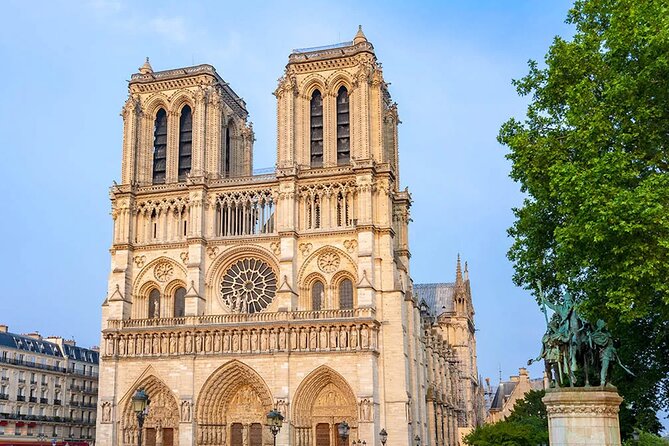
- Notre-Dame Q-and-A focus on medieval building choices and the April 2019 fire stories
- Small group size (max 6), which makes questions easier than in big-bus crowds
- Latin Quarter stop rhythm that moves from literature and alleyways to major monuments
- Notre-Dame + Gothic architecture explained outdoors, since cathedral speaking rules can limit in-room commentary
- Garden finale at Jardin du Luxembourg with Medici palace and Medici fountain details
- Value built around timing: free cathedral entry plus guided interpretation of what you’re looking at
From Île de la Cité to Luxembourg Gardens: The “Small Group” Advantage
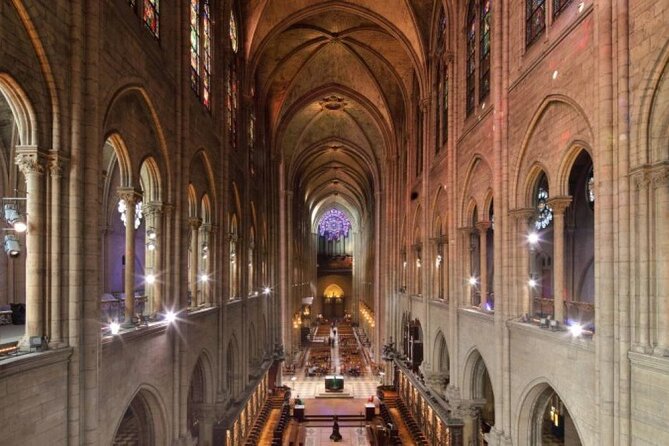
The tour starts at the Statue de Charlemagne et ses leudes on Île de la Cité and ends at the Luxembourg Garden. That route matters. You’re walking through the core of the city’s oldest neighborhood, then drifting into one of the prettiest “slow down” zones in Paris. It’s a clean way to get bearings fast without trying to plan every turn yourself.
You’ll be in English, and the mobile ticket format makes it easier to show up without hunting for paper. The max group size of 6 travelers is the biggest quality lever here. With fewer people, your guide can pause for questions instead of pushing through like a clock-punching museum line.
One more practical note: this experience is tied to good weather. If skies are gray and rainy, it can be canceled or rescheduled, which is fair—this is a walking tour with stops meant to be seen at street level.
You can also read our reviews of more walking tours in Paris



Notre-Dame at the Center: Gothic Design, 2019 Fire, and What to Ask
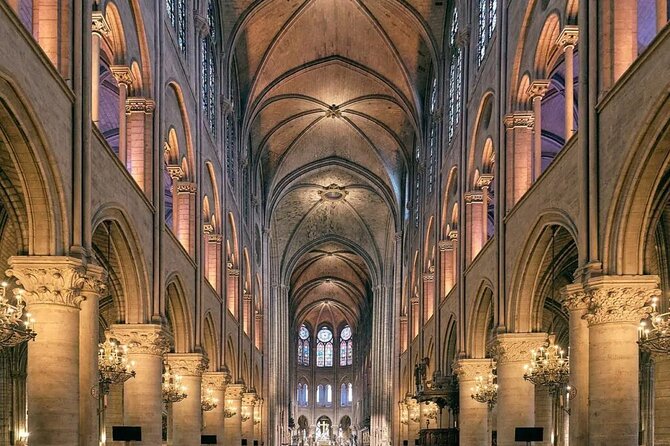
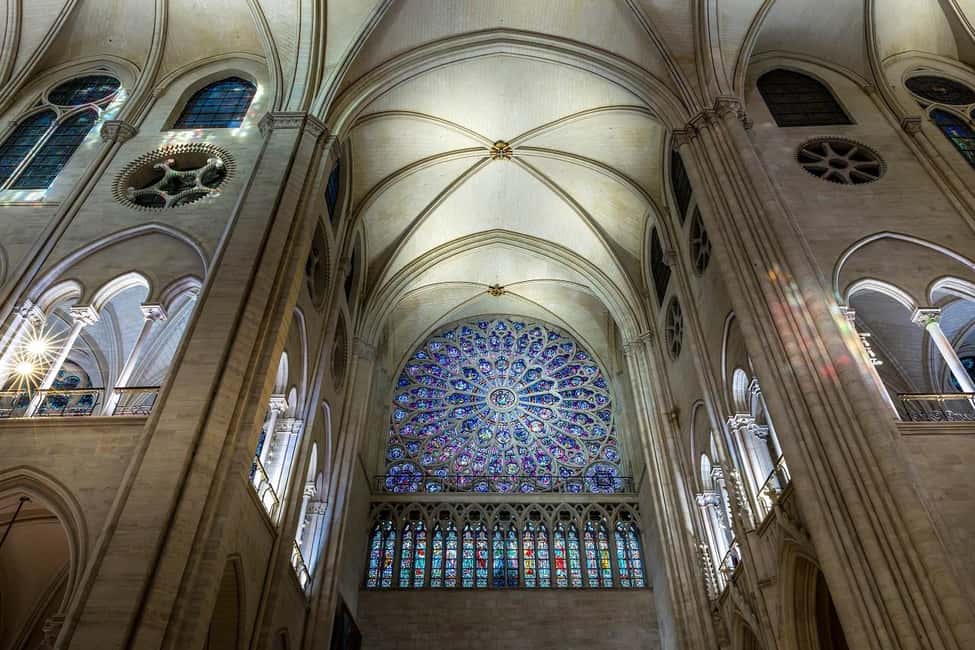
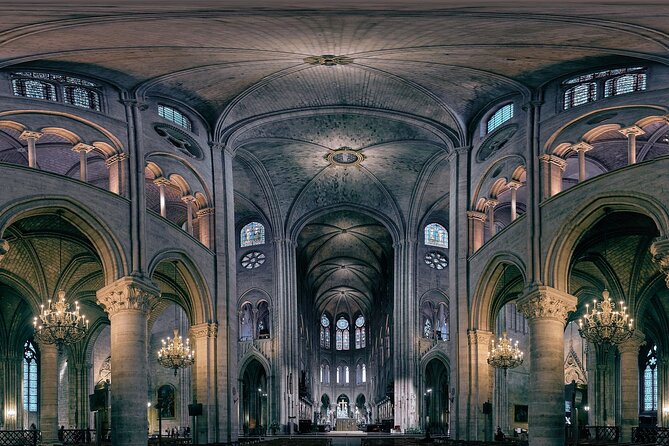
Notre-Dame is the reason many people book this in the first place, and the tour uses that attention well. You’ll spend about an hour at Cathedrale Notre-Dame de Paris, and the guide frames it as more than a famous façade. Expect conversation about how the cathedral’s Gothic design choices shaped what it looks like today—plus the mysteries people associate with it.
You’ll also hear about what happened during the big fire in April 2019. Even if you already read the basics, the point of a guide is to connect those events to the building’s materials and medieval structure, so you understand why certain sections feel different and what the rebuilding efforts were trying to do.
Important reality check: inside access and speaking rules
The tour includes entrance in the cathedral, and Notre-Dame entry is free and open to all. But the way guided tours work there has constraints. Current rules can mean your guide may not be able to speak inside, since silence is expected in the cathedral. So plan on the richest explanations being outside—then, if you want, you can return later to stand quietly and look at the details yourself.
If you’re the kind of traveler who wants to be told what to look at every minute, this matters. The best strategy is to treat the outdoor portion as your guided lesson, then use your own time inside (if you have it) to read surfaces slowly.
Questions you’ll be glad you asked
This is where the guide’s Q-and-A approach becomes useful. I’d come ready with a few simple questions:
- What makes this Gothic style work differently than earlier styles?
- Which features are easiest to misread if you don’t know what you’re seeing?
- What changed after 2019, and how does that show up visually?
Shakespeare and Company: A Quick Literary Pause That Still Matters
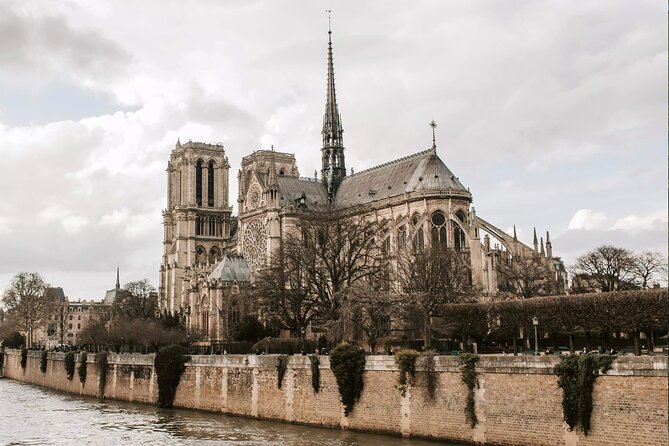
Not every stop needs to be long to be meaningful. After Notre-Dame, you’ll make a short stop by Shakespeare and Company, one of Paris’s most famous independent bookstores.
It’s brief—around 5 minutes—but the guide typically gives you the historical role of the shop/library concept in the story of modern Paris. The practical takeaway for you: you’re not paying for a long stop where you wander alone. You’re getting the context so that when you walk around the shelves or the doorway area later, you’ll notice details instead of just taking a quick photo.
Also, since it’s a library/bookshop, there’s no promise of a guided “tour inside” the way there might be at a museum. Think of it as a stop for orientation and storytelling, not an indoor exhibit.






Rue de la Huchette: Old Street, Alchemists, and Street-Level Paris
Next comes Rue de la Huchette, described as the oldest street in Paris. The time here is short, about 5 minutes, but it’s designed to make you look at something you’d otherwise walk past without noticing.
The guide ties the street to mysterious stories—specifically famous alchemists said to have lived there. Even if you treat the legends as legends, the value is in what it teaches you: how this neighborhood gathered mystique around learning, science, and secrecy.
For photos, Rue de la Huchette is one of those “yes, it’s worth stopping” lanes. It gives you the narrow, medieval-feeling Paris vibe without needing to schedule a separate day just for old streets.
Fontaine Saint-Michel: A Famous Story, Possible Renovation Limits
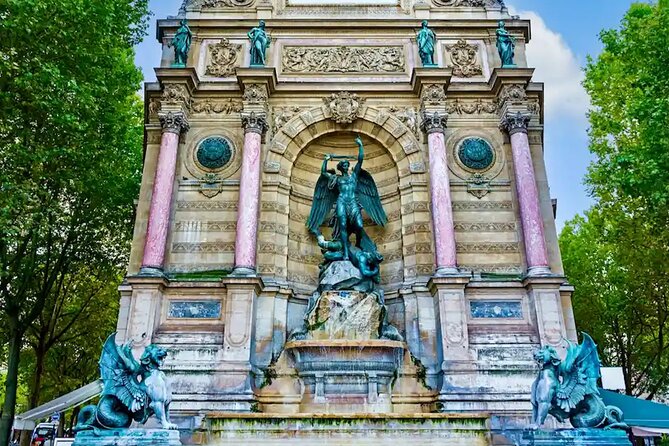
You’ll also stop near Fontaine Saint-Michel and hear why it has a reputation for mystery. The guide connects the story to Napoleon III—including his biggest fear—and how it influenced the fountain’s construction.
One thing to know before you set your expectations: the fountain has been reported as closed since February 2025 for renovation, with reopening expected in January next year. So in real life, your “visit” may be more about passing by, hearing the story, and getting what photo angles you can from the area rather than a full, comfortable viewing.
If you love iconic street fountains, do two things:
- Don’t bank on long time here inside or right up close.
- Keep your questions aimed at story and symbolism, not just scenery—because that’s what doesn’t get canceled.
Musée de Cluny: Medieval Museum Time in a Real Abbey Setting
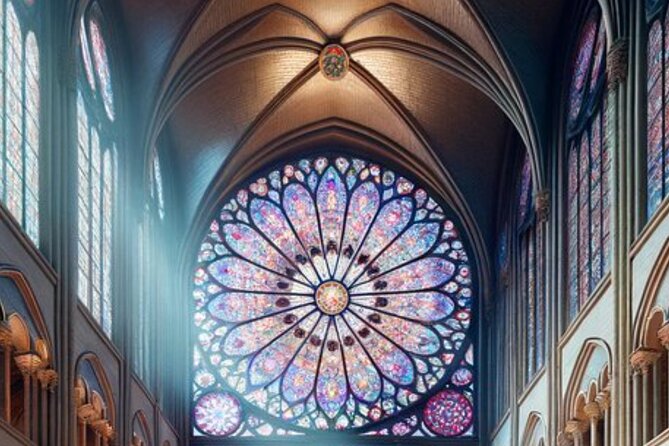
Then you hit Musee de Cluny, a medieval museum housed in a beautiful abbey. The stop is short (about 5 minutes), and admission isn’t included, so this is more about orientation than a full museum visit.
Still, that brief moment can be worthwhile if you’ve been walking since Notre-Dame. Cluny is one of the clearest “medieval layering” experiences in the area. Even if you don’t go inside, you’ll know what to look for and why the building itself matters.
If you want to actually step into the museum galleries, plan to pay separately and allow more time than this tour gives you.
La Sorbonne and the Pantheon: Education, Ambition, and Louis XV
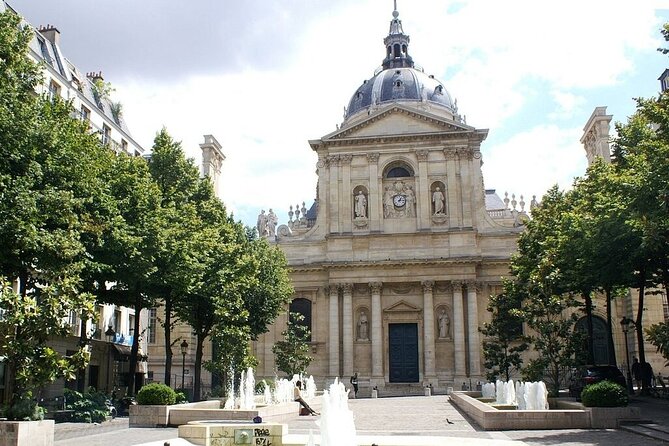
After the medieval layer, the tour shifts to big institutions and monumental ambition.
La Sorbonne
You’ll stop near La Sorbonne, described as the world’s fourth-oldest university. Expect a quick rundown of its origins and history plus the architectural appeal of the campus area. It’s about 10 minutes, and the best value is understanding how this university identity shaped the Latin Quarter’s reputation for study and ideas.
The Pantheon
Then comes Pantheon, another major Latin Quarter landmark, with another set of secrets and symbolism. The guide includes the real reason why King Louis XV vowed he would have it built.
This is one of those stops where a guide matters because monuments like this can feel like “another big building” unless someone explains what’s behind the design choices and the political story. The time window here is also around 10 minutes, so don’t expect a full deep museum walk—expect a focused introduction that makes you look smarter in your next stop-by-stop wander.
Jardin du Luxembourg Finale: Medici Palace and a Calm End to the Walk
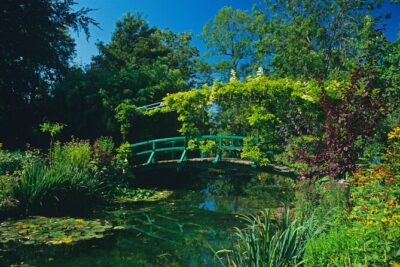
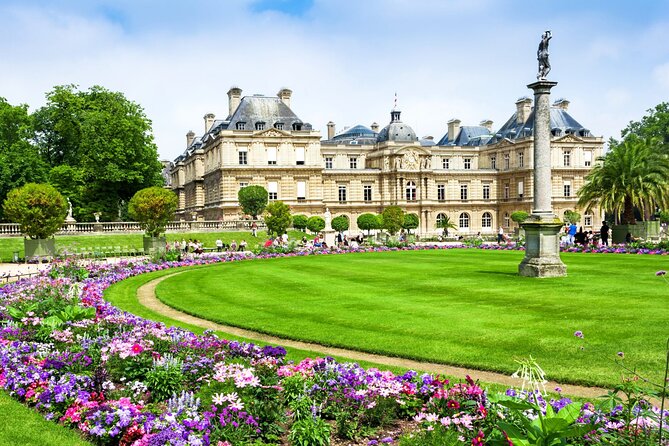
Your tour ends in the Jardin du Luxembourg, with about 20 minutes in the garden. This is a great way to end a Notre-Dame-focused morning: you trade stone drama for greenery, paths, and open space.
The guide points out the Medici palace and the Medici fountain, and you’ll get time to slow down, take photos, and get a breather before heading off on your own. Since you’re finishing here, it’s easy to connect to other Paris plans—dinner walks, museum visits nearby, or just grabbing coffee and people-watching.
Practical tip: gardens in Paris can be popular. If you want the best fountain shots, position early rather than trying to “arrive and shoot” five minutes later when crowds settle in.
Price and Value: Is $71.20 Actually Fair?
At $71.20 per person for about 2 hours 10 minutes, you’re paying for guided interpretation more than for paid attractions. That’s where the value either clicks or doesn’t.
Here’s the math in plain terms:
- Notre-Dame entry is free, and the tour includes entrance.
- What you’re buying is the guide’s time, pacing, and story stitching across multiple major landmarks.
- Group size stays small (max 6), which is a real quality difference.
If you like learning while walking—especially when it turns into questions and “tell me what I’m looking at” moments—this price makes sense. If you’d rather do a simple photo walk with a map, you might feel the cost more than you feel the benefit.
My final take on value: you’ll get your money’s worth if you actively participate. Ask questions at Notre-Dame, and treat each stop as a mini lesson, not just a checklist.
Who This Tour Suits Best (and Who Might Want a Different Plan)
This works especially well for you if:
- You want a guided story path through the Latin Quarter without managing logistics.
- You’re curious about Gothic architecture, medieval influences, and how legends attach to real streets.
- You enjoy finishing in a garden and not in another crowded monument line.
It may feel less ideal if:
- You need a guaranteed, uninterrupted time inside Notre-Dame with full guided narration.
- You’re traveling with a tight schedule and can’t handle that fountain viewing may be limited by renovation closures.
- You dislike structured stops and prefer wandering freely.
If your schedule includes major church services, timing can change the mood. One caution from experience reports: during Sunday morning mass, the cathedral atmosphere can be very quiet, so expect restrictions around noise and how the guide can talk.
Should You Book This Notre-Dame Mystery and Latin Quarter Walk?
Book it if you want the Latin Quarter to feel like more than postcard landmarks. The strongest version of this tour gives you stories that make the buildings and streets easier to read—especially at Notre-Dame—and a relaxed end in the Jardin du Luxembourg.
Skip it (or pair it with self-guided time) if you’re mainly chasing indoor access and long museum-style viewing windows. This is a walking tour with short stops, and some portions may be affected by rules or closures.
If you do book: show up on time, wear comfy shoes, and come ready with one or two questions you actually care about. That’s when a guide like Sophia (named as a stand-out in multiple experiences) can really turn a walk into understanding.
FAQ
How long is the Notre-Dame and Latin Quarter walking tour?
It runs for about 2 hours and 10 minutes.
What’s the meeting point and where do we end?
The tour starts at Statue de Charlemagne et ses leudes, 75004 Île de la Cité, France. It ends at Jardin du Luxembourg, 75006 Paris, France.
What time does the tour start?
The start time listed is 9:00 am.
What does it cost?
The price is $71.20 per person.
Is the tour offered in English, and do I get a mobile ticket?
Yes. It’s offered in English, and you’ll receive a mobile ticket.
Is entry to Notre-Dame included?
Yes. Entrance to the Cathedral is free and open to all, and the tour includes entrance to Notre-Dame.
Is Musée de Cluny included in the price?
Admission to Musée de Cluny is not included.
Will the Fontaine Saint-Michel be open during the tour?
Fontaine Saint-Michel has been reported as closed for renovation since February 2025, with reopening expected in January next year, so you may only be able to view it from the surrounding area.
What’s the cancellation policy?
You can cancel for a full refund up to 24 hours before the experience starts. Changes within 24 hours aren’t accepted, and cancellations due to weather may offer a different date or a full refund.