REVIEW · PARIS
Market Visit and Cooking Class with a Parisian Chef
Book on GetYourGuide →Operated by Meeting the French · Bookable on GetYourGuide
A French market walk can teach you more than any cookbook. I love the hands-on flow: you shop for real ingredients first, then cook what you picked into a full 3-course meal. I also like the small-group pace (max 8) because you get real coaching, not vague tips. One possible drawback: you’re on a set morning schedule, so you’ll want to plan your other sightseeing around the 09:15–13:45 window.
Here’s the good part: this isn’t just watching someone cook. You’ll learn how to choose quality produce, turn it into an entrée, a main course, and dessert, and then taste what you made. The teaching is in English and French, and the chef keeps the recipes approachable for all skill levels.
At $261 per person for about 4.5 hours, the value comes from what’s included: ingredients, utensils, an apron, a tasting, and a recipe copy sent by email. If you prefer to browse at your own pace, this might feel structured—because the whole point is learning how to shop and cook efficiently.
In This Review
- Key points to know before you go
- Market shopping in Ile-de-France: how a chef thinks
- The cooking lesson: turning your basket into a 3-course meal
- A small-group class that stays friendly, not frantic
- What you’ll actually cook: entrée, main, and dessert
- Entrée: flavor building without overcomplication
- Main course: technique plus coordination
- Dessert: a finish you can repeat
- Recipes by email: why that changes the value
- Price and value in perspective: is $261 worth it?
- When to go, what the schedule means for your day
- Who this market + cooking class is best for
- Should you book this Paris market cooking class?
- FAQ
- What time does the cooking class run?
- How long is the experience?
- How many people are in the group?
- What languages are the chef/instructor using?
- What’s included in the price?
- Will I receive the recipes after the class?
- Can I cancel or change plans?
Key points to know before you go
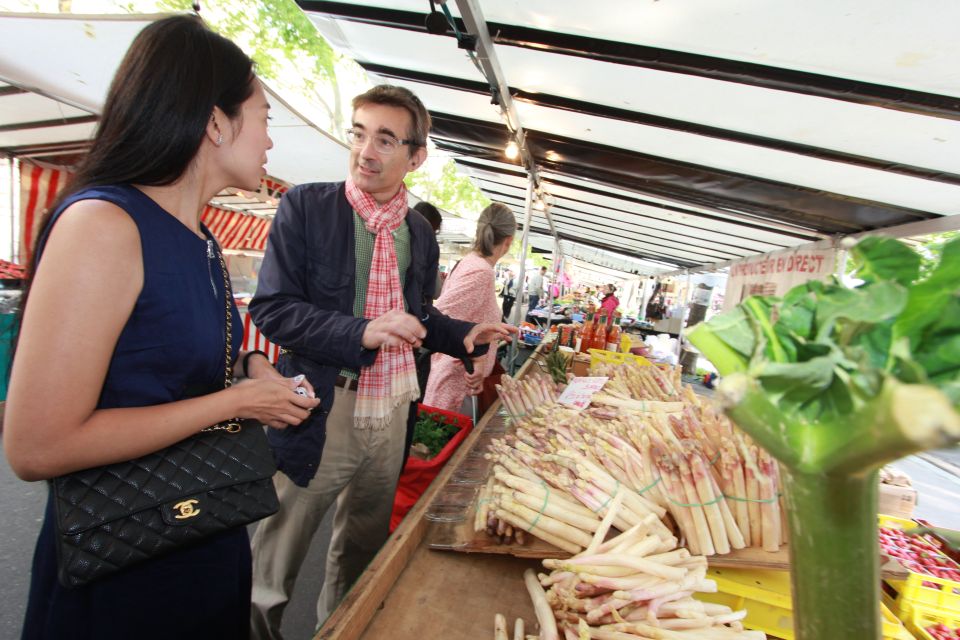
- Market shopping with a working plan: You learn how to find fresh, local produce and use it intentionally.
- A true 3-course cooking arc: Entrée, main, and dessert are built from the ingredients you bought.
- Small group coaching (up to 8): You can ask questions and get help while you cook.
- Taste while you cook: You get to eat what you make during the class, not only at the end.
- Chef-led, repeatable recipes: The focus is on simple techniques you can remake at home.
- Recipes sent by email: You’ll leave with a clear way to recreate the meal later.
Market shopping in Ile-de-France: how a chef thinks
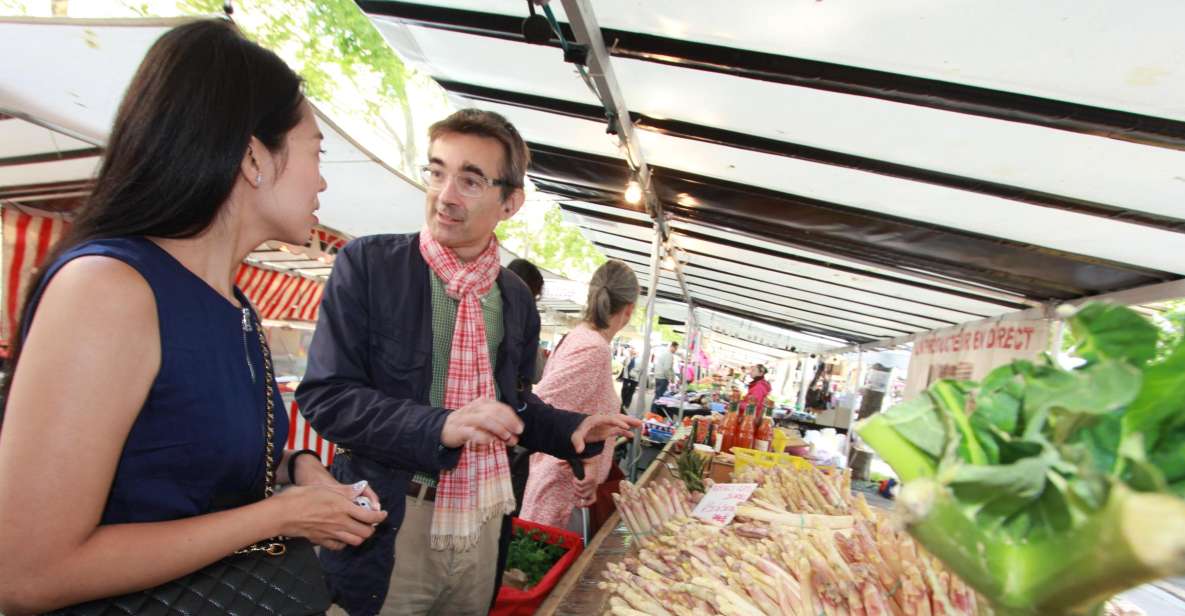
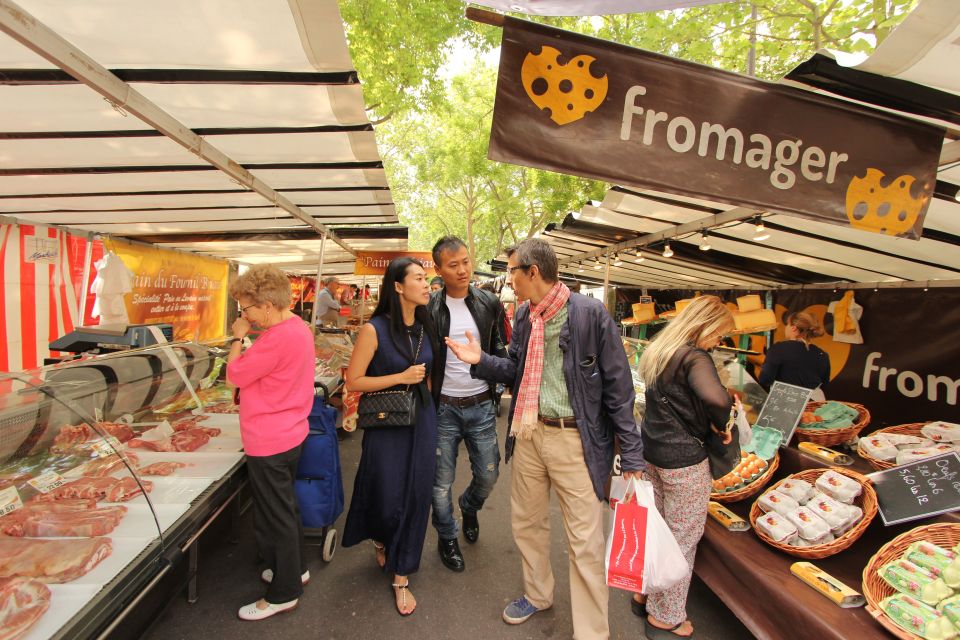
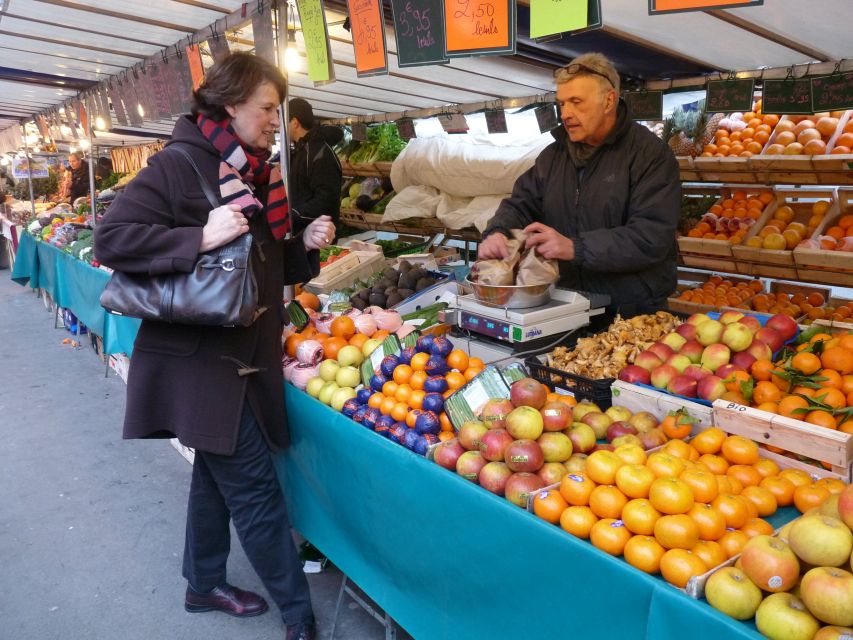
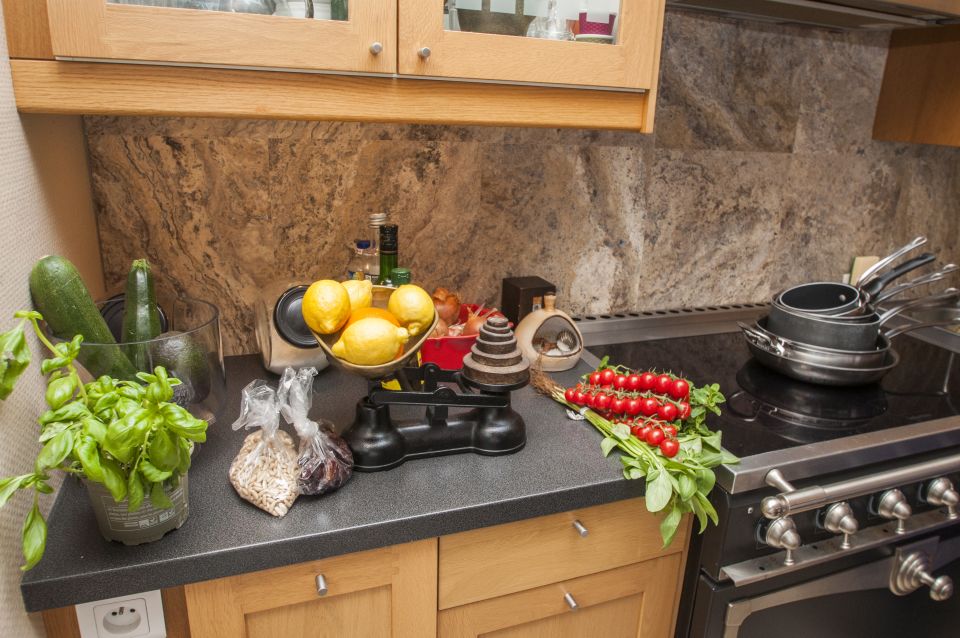
The morning starts with a visit to a typical French market, led by a Parisian chef. This is where the whole experience becomes practical, because you’re not just admiring stalls—you’re learning what to look for and how to shop with purpose.
What I like about this setup is that it trains your instincts. You’ll see vendors and ingredients you’d normally skip past, then get guidance on how to select quality. One chef you might meet is Dominique, and other sessions have included hosts like Marthe and Frederic/Fred—each bringing their own style, but always the same core idea: buy well, then cook simply.
A quick reality check: markets can be crowded or fast-moving. If you’re the type who enjoys slow wandering, you may need to switch your mindset. Instead of “browse first,” think “choose with a method,” and you’ll get much more out of the walk.
Also, because you’re shopping for specific recipes, you’ll pay attention to things like ripeness, freshness, and how ingredients behave in cooking. That’s the kind of knowledge that sticks long after your vacation.
You can also read our reviews of more shopping tours in Paris


The cooking lesson: turning your basket into a 3-course meal
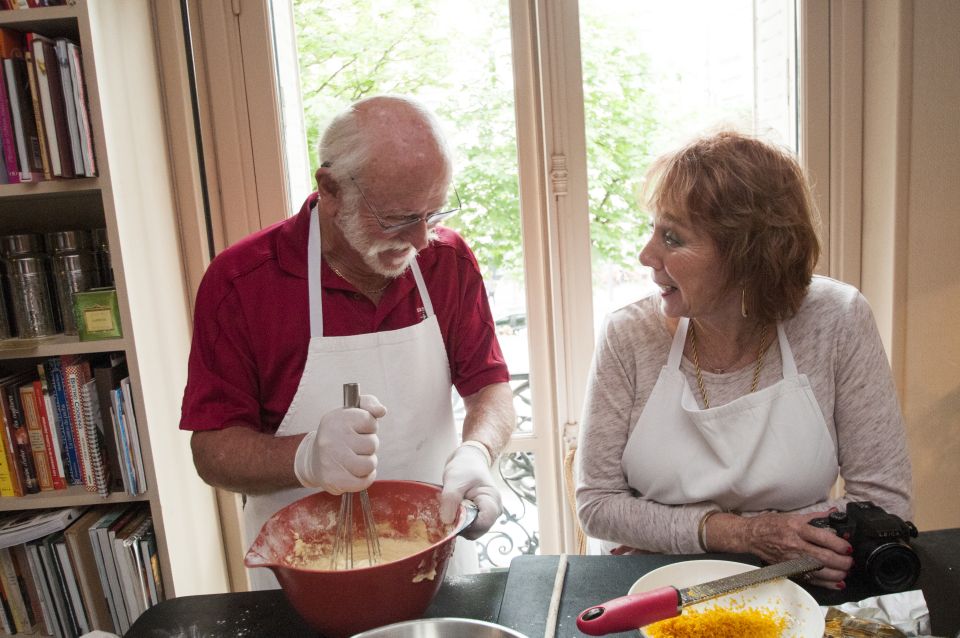
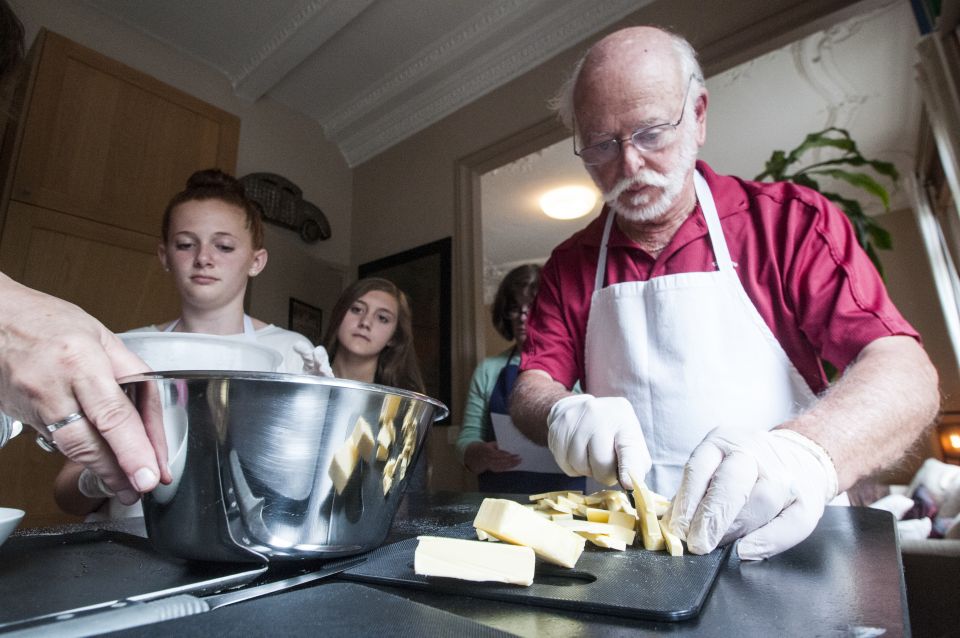
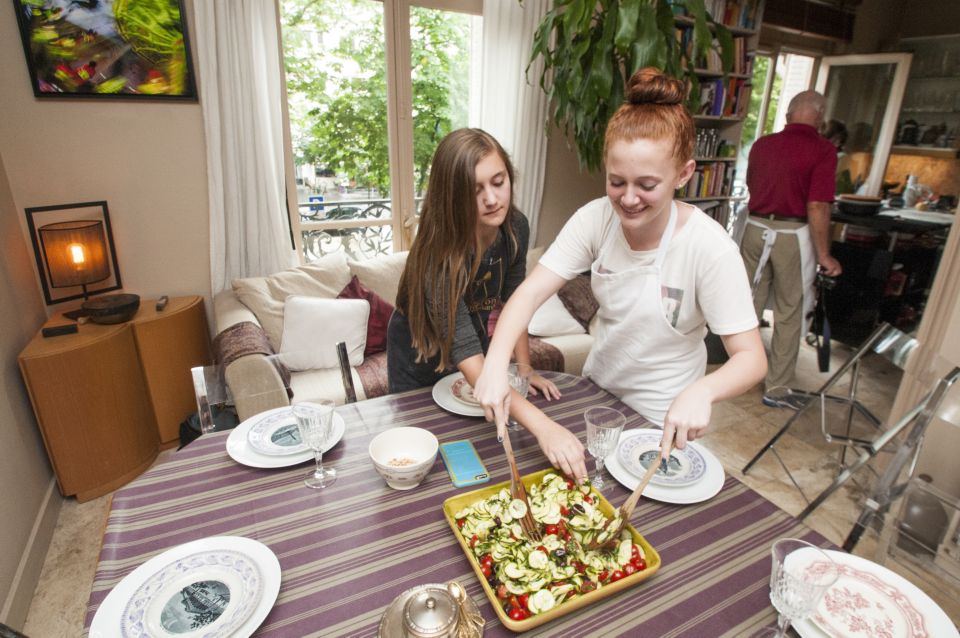
After the market, you move to the cooking part—where ingredients become a menu: an entrée, a main course, and dessert. The class is designed so you’re actively cooking through the course, not just standing nearby while the chef works.
The format is built for beginners and experienced cooks alike. The goal is success, so the chef uses simple recipes and techniques that are realistic for home kitchens. You’ll also have time to taste, which helps you understand how flavors should shift as you cook—salt, acidity, and timing matter, and tasting makes those lessons obvious.
From past menus, examples have included dishes like a goat cheese preparation in phyllo, a salad with homemade dressing, seared duck breast topped with shallots and served with glazed carrots, and finishes like a glazed orange cake. You won’t necessarily get the exact same menu every time, but you can expect the style: classic French comfort, taught in a way you can reproduce.
Two things make this part of the experience especially useful:
1) You learn how the same ingredient can show up in different ways across a meal.
2) You build a “starter-to-finish” understanding of timing—what needs prep first, what can go while something else cooks.
A small-group class that stays friendly, not frantic
This is a small group experience, limited to 8 participants. That size is key. In bigger classes, you’re often a spectator; here, you can actually participate and get hands-on help.
The atmosphere tends to be warm and welcoming. In real terms, that means your questions don’t get brushed off, and you’re not rushed off the station the moment you try something. Some chefs (like Dominique in certain sessions, and Fred/Frederic in others) are described as inclusive with the group, including involving everyone so the final plates feel like a shared effort.
Also, you’ll be cooking in a kitchen set up for a class, not a cramped corner. Utensils and an apron are provided, which lowers the stress. You can show up and focus on learning.
One practical tip for you: wear or bring comfortable clothes you don’t mind getting a little flour or sauce on. Nothing is worse than being halfway through and worrying about your outfit.
What you’ll actually cook: entrée, main, and dessert
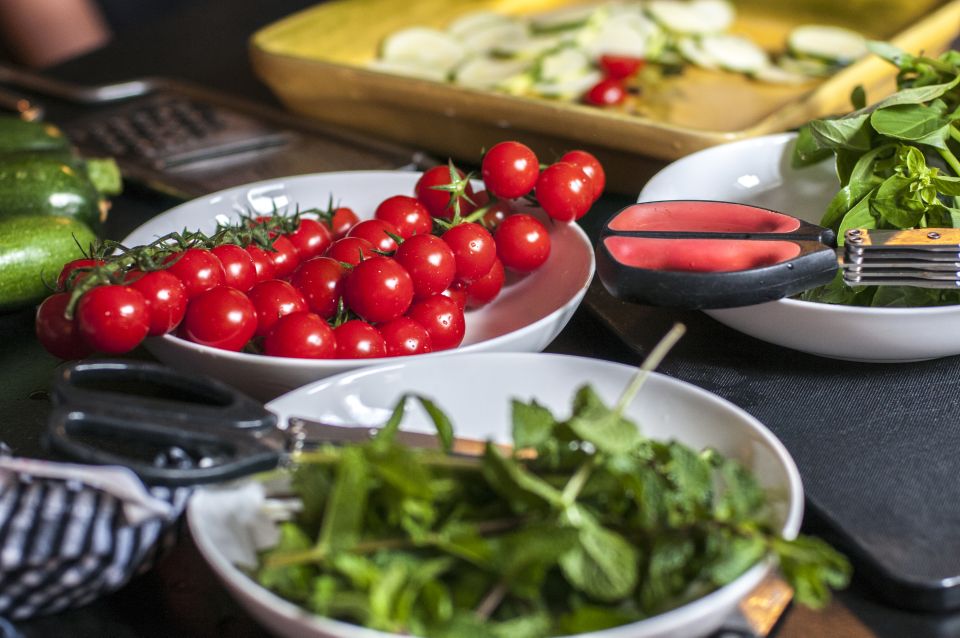
The menu structure is straightforward: entrée, main, dessert. But what matters is how it teaches you to think like a cook.
Entrée: flavor building without overcomplication
An entrée in a French meal is often about balance—something creamy, crisp, tangy, or herby to get the meal going. You’ll likely work with ingredients that respond well to classic techniques (think roasting, searing, or quick assembly with a sauce/dressing component).
A few more Paris tours and experiences worth a look



Main course: technique plus coordination
The main course is where timing and technique show up. In example menus, seared duck breast shows how a protein can be the star while sides (like glazed carrots) finish the plate. Even if your exact protein differs, the lesson is similar: you’ll manage heat, cook to the right stage, and build a sauce or topping that makes it feel finished.
Dessert: a finish you can repeat
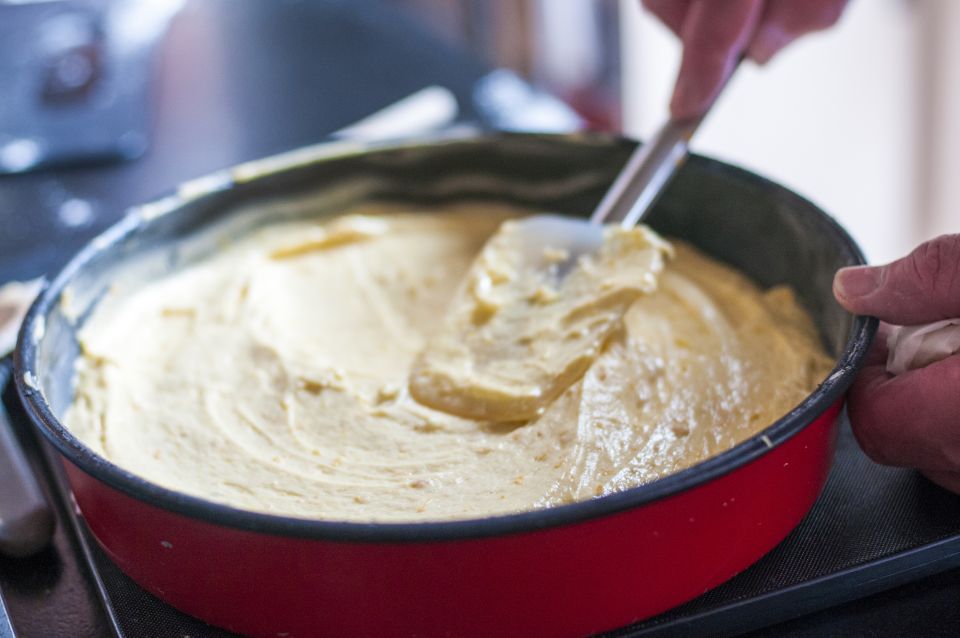
Dessert is where many classes lose people. Here, it’s handled as a teachable step. Past sessions have included desserts like a glazed orange cake—simple enough to learn, but polished enough to feel special.
That’s the advantage of the course design. You leave with more than recipes—you leave with an understanding of how a French meal “moves” from first bite to the last.
Recipes by email: why that changes the value
A lot of cooking classes give you a meal and a memory. This one also sends you all the recipes of the dishes you prepared by email. That means you’re not stuck relying on your memory of measurements and steps.
For you, this makes the class a repeatable skill-building session. After your trip, you can choose one dish to make first—maybe the dessert or the main—and use the recipes as a guide. If something tastes off at home, you can adjust, because you’ll see the structure of what you learned rather than guessing.
It also helps you practice what the chef emphasized: recipes designed to be remade at home. When the recipes come with clear steps and quantities, the “I should try this again” thought actually turns into a real dinner.
Price and value in perspective: is $261 worth it?
Let’s talk money in a grounded way. At $261 per person for roughly 270 minutes, you’re paying for four main things:
- guided market learning
- instruction while you cook a full meal (entrée, main, dessert)
- tasting during the experience
- all ingredients, utensils, an apron, plus recipes delivered by email
If you compare that to buying all ingredients yourself and taking cooking lessons for just one dish, the pricing can make sense. You’re effectively getting a whole French meal’s worth of guided instruction, not a quick demonstration.
The value also depends on how you like to travel. If you want hands-on experiences, this fits perfectly. If you primarily want casual wandering or you’d rather eat your way through town on your own schedule, you might feel the structure is too tight for the time.
For most people who enjoy food, cooking, and learning practical skills, it’s a strong buy—especially because the chef’s teaching focuses on simple, repeatable techniques.
When to go, what the schedule means for your day
This class runs in the morning between 09:15 and 13:45, Tuesday to Saturday. The total duration is 270 minutes, so plan for a full half-day commitment.
That’s actually helpful. If you go early in your trip, you’ll be better equipped for the rest of your stay. You’ll start recognizing ingredients and shopping cues in other markets and shops, and you’ll know what to look for when you cook at home later.
If your itinerary is tight, the fixed morning window is the trade-off. You’ll want to pick the day that gives you the most freedom afterward—because you’ll finish the meal full, and you’ll likely want a quieter next block of sightseeing.
Who this market + cooking class is best for
This experience is a great fit if:
- you want to learn how to choose fresh produce, not just eat it
- you like hands-on cooking with coaching
- you’d enjoy making a complete French meal at home later
- you prefer small groups where you can actually participate
It can also work well for families, since some sessions have included an 8-year-old who had fun cooking along and felt supported. The chef’s approach is described as attentive and geared to include everyone, which matters in mixed-experience groups.
If you dislike group activities or you only want to eat without cooking, you might prefer a meal-focused option. This one is about learning through doing.
Should you book this Paris market cooking class?
I’d book it if you want a structured, high-value morning where you learn real shopping skills and walk away with a complete 3-course plan you can repeat. The small group size, the hands-on cooking, and the fact you receive the recipes by email make it more than a one-day activity.
I wouldn’t book it if you’re only in Paris for a short time and you’d rather spend that half-day wandering freely with no schedule. Also, if you’re worried about cooking, don’t be—this class is built for all levels, and the recipes are meant to be simple enough to succeed.
If you’re the type who likes to understand where your food comes from—and then turn it into dinner—this is one of the best “you’ll actually use this later” experiences you can choose.
FAQ
What time does the cooking class run?
The class is offered in the morning from 09:15 to 13:45, Tuesday to Saturday.
How long is the experience?
It lasts about 270 minutes.
How many people are in the group?
The class is a small group limited to 8 participants.
What languages are the chef/instructor using?
The instructor provides instruction in English and French.
What’s included in the price?
The experience includes a 2-hour cooking class and food tasting, with all ingredients, utensils, and an apron provided.
Will I receive the recipes after the class?
Yes. A copy of the recipes for the prepared meals is sent by email.
Can I cancel or change plans?
You can cancel up to 24 hours in advance for a full refund, and you can reserve now and pay later.