REVIEW · LYON
Lyon: Musée des Confluences Entrance Ticket
Book on GetYourGuide →Operated by Distributor: GetYourGuide Tours & Tickets GmbH · Bookable on GetYourGuide
One museum turns science into wonder. The Musée des Confluences at the Rhône–Saône confluence wows you with its crystal-like architecture and unforgettable specimen displays, including a 155-million-year-old mammoth plus Egyptian mummies.
Inside, you’ll find permanent galleries that connect human origins, life on Earth, and cultures across time. One thing to plan for: a single day can feel tight if you stop to read everything—there’s a lot, and the fast-track helps mainly with getting in faster, not speeding up every gallery.
In This Review
- Why This Museum Feels Different Than Other Museums in Lyon
- The Rhône–Saône Confluence and That Crystal-Cloud Building Outside
- Ticket Value: What Your Fast-Track Entrance Really Covers
- How the Musée des Confluences Is Organized: Origins, Species, Societies, Eternity
- The Museum’s Collections: 5 Centuries and Millions of Objects
- Your Must-See Objects: Mammoth Skeleton, Egyptian Mummies, and Fossils
- Temporary Exhibits: The Real Reason to Come Back
- Language on Site: English Support, Plus a Few Limits
- Plan Your One-Day Visit: Timing, Lockers, and Heat-Proof Comfort
- Parking and Getting There: Simple Reality Checks
- Who This Ticket Is Best For
- The Value Pitch in Plain Terms
- Should You Book the Musée des Confluences Entrance Ticket?
- FAQ
- Is the Musée des Confluences ticket valid for one day?
- What does fast-track entry include?
- What exhibitions are included with the ticket?
- Where is the museum, and where do I scan my voucher?
- Are lockers included?
- Are large bags allowed inside?
- Are there age limits?
- Do kids and students get discounts or free entry?
- Is the museum wheelchair accessible?
Why This Museum Feels Different Than Other Museums in Lyon
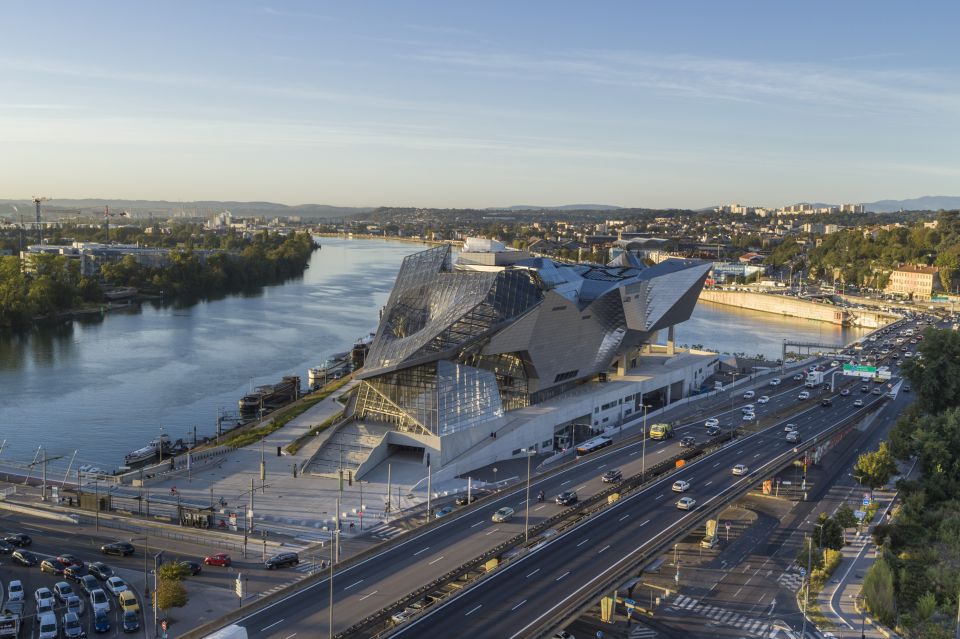
The Musée des Confluences is Lyon’s answer to the question: what if a museum felt like a living puzzle? It’s not arranged like a straight line from past to present. Instead, it mixes science, culture, and history so the connections happen while you walk.
Two things drive the experience fast. First, the building itself is a showpiece, often described as a crystal-like volume with a cloud-like presence. Second, the collection jumps across eras with serious “wow” objects—like that ancient mammoth skeleton—and then slows down to show how people made sense of the world.
Your main consideration is time. Even if you have a ticket for one day, you’ll want to move with intention. If you arrive late or try to see everything, the museum can outgrow your schedule.
The Rhône–Saône Confluence and That Crystal-Cloud Building Outside
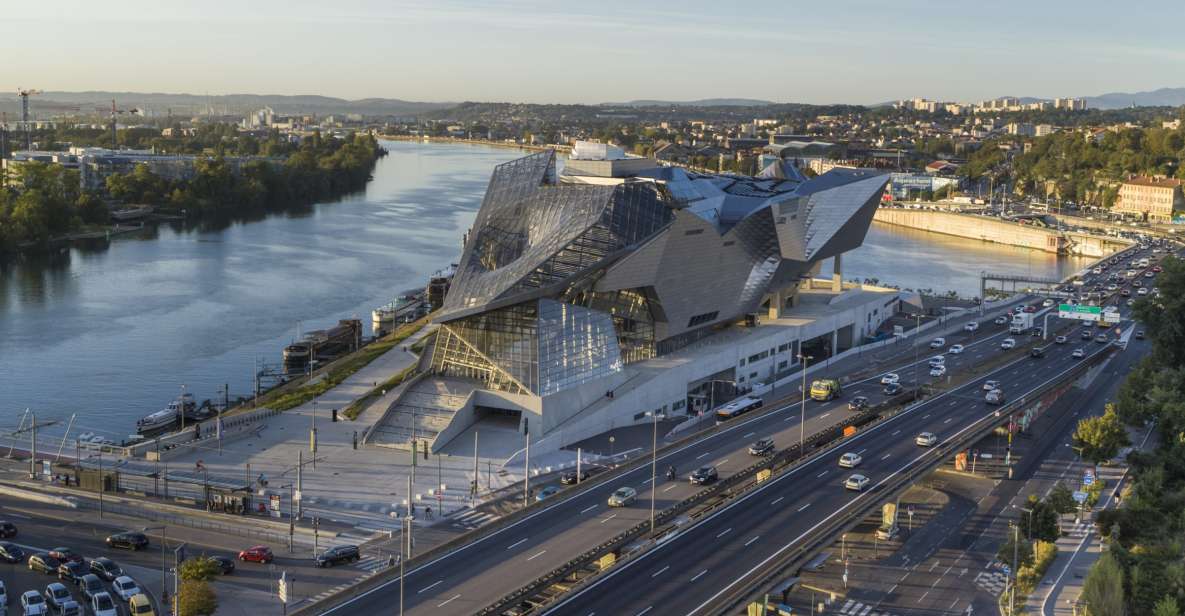
Getting to the museum is part of the charm. It sits at 86 quai Perrache, right near the meeting point of the Rhône and Saône rivers, so you get water views and a sense of place before you even reach the doors.
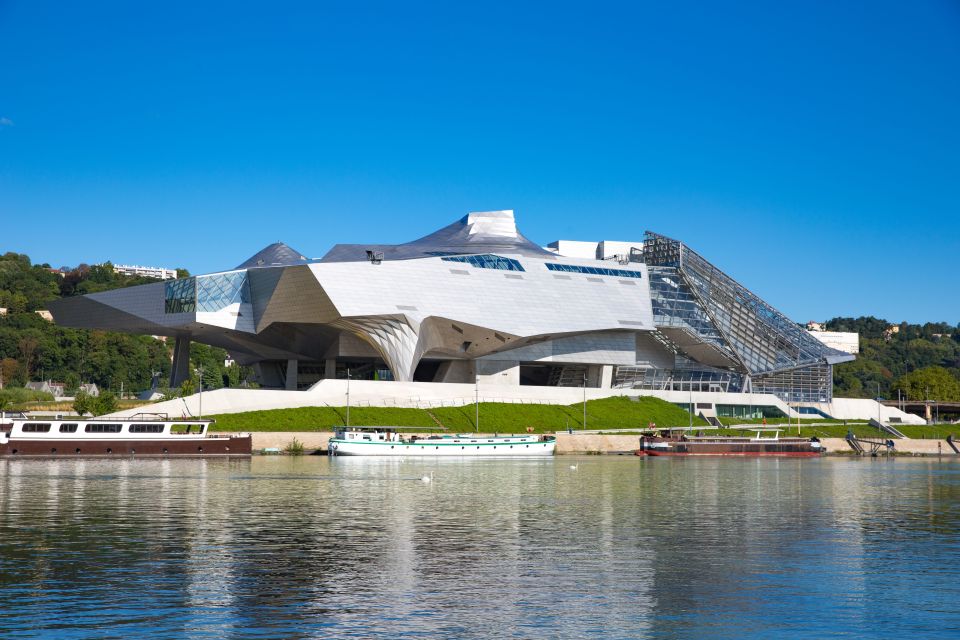
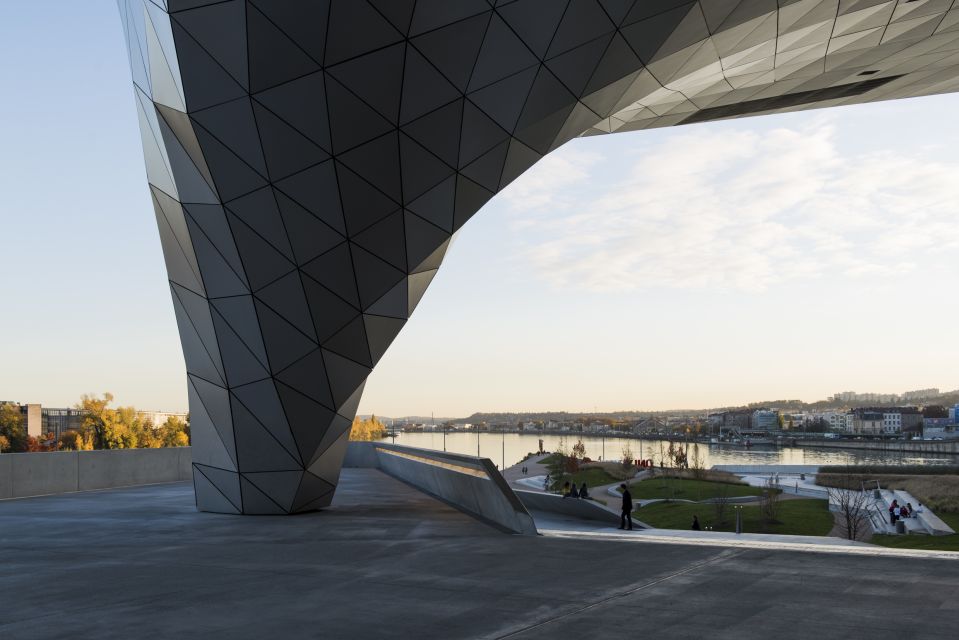
The architecture is modern but not cold. The building’s form has a “crystal” logic—hard angles and reflective surfaces—and it also feels softer through its cloud-like shapes and open, airy feeling at the interior edges. This matters because it sets expectations: you’re not just visiting rooms. You’re stepping into a space designed to make you look up and notice how the museum sits in the city.
It also helps in hot weather. The big spaces inside keep you out of the sun, and that’s a real advantage when Lyon is cooking in summer.
A few more Lyon tours and experiences worth a look



Ticket Value: What Your Fast-Track Entrance Really Covers
At $16 per person for a one-day visit, this is priced like a serious museum day, not a quick stop. What you’re paying for is access to both permanent and temporary exhibitions, plus fast-track entry that includes an express security check.
Here’s the practical nuance: this is not the same as skipping lines inside the galleries. You get helped at the entrance process, but you should still expect to spend time walking from exhibit to exhibit and pausing where something grabs you.
A few extra value points:
- Free lockers are included, which makes it easier to travel light.
- You’ll be able to plan around temporary exhibitions, since they change annually.
Also note the limits. You can’t bring luggage or large bags, and unaccompanied minors aren’t allowed. If you’re bringing kids, it’s smart to have plans for ID and supervision. Under-13 visitors must be with an adult.
If you qualify for free entry—like under 18 with ID, students under 26, and certain disability or social-benefit categories—you’ll get a better deal than the standard price. The rule is clear: bring the right ID.
How the Musée des Confluences Is Organized: Origins, Species, Societies, Eternity
The museum covers over 3,000 m² of permanent exhibition space, so organization is everything. The galleries are grouped into four major themes: Origins, Species, Societies, and Eternity.
Think of these as four ways to read the same question: what are we, how did we get here, and how do we keep meaning going over time?
- Origins helps frame big beginnings—human origins and early life questions.
- Species shifts into biodiversity and the diversity of life across Earth’s history.
- Societies is where culture and civilizations come in, linking objects and people rather than just showing “stuff.”
- Eternity leans toward what lasts—how we preserve knowledge, belief, and memory.
This structure is genuinely useful for a one-day ticket. You can pick your strongest theme first, then let the rest support it. And because the museum avoids a simple “chronological only” style, you’ll often notice cross-references: the same idea showing up in science and in culture.
The Museum’s Collections: 5 Centuries and Millions of Objects
One reason this museum has staying power is the scale of its inherited collections. It spans five centuries and includes 3.5 million artifacts and specimens, drawn from museums in Lyon such as the natural history museum and the Musée Guimet.
What that means for you on the ground is simple: you’re not just seeing one curated corner. You’re walking through a system built from decades of collecting and classification, then presented with a modern museum mindset.
There’s also a part of the museum that connects to patrons and donors: the Galerie Émile-Guimet. It highlights contributions over the years, which gives the collections a human layer—people funding work, returning with findings, and helping museums grow.
The museum also points outward through field missions. If you like seeing science as an ongoing process rather than a finished product, you’ll appreciate mentions of work like entomological campaigns in Morocco and projects collecting Amazonian artifacts.
Your Must-See Objects: Mammoth Skeleton, Egyptian Mummies, and Fossils
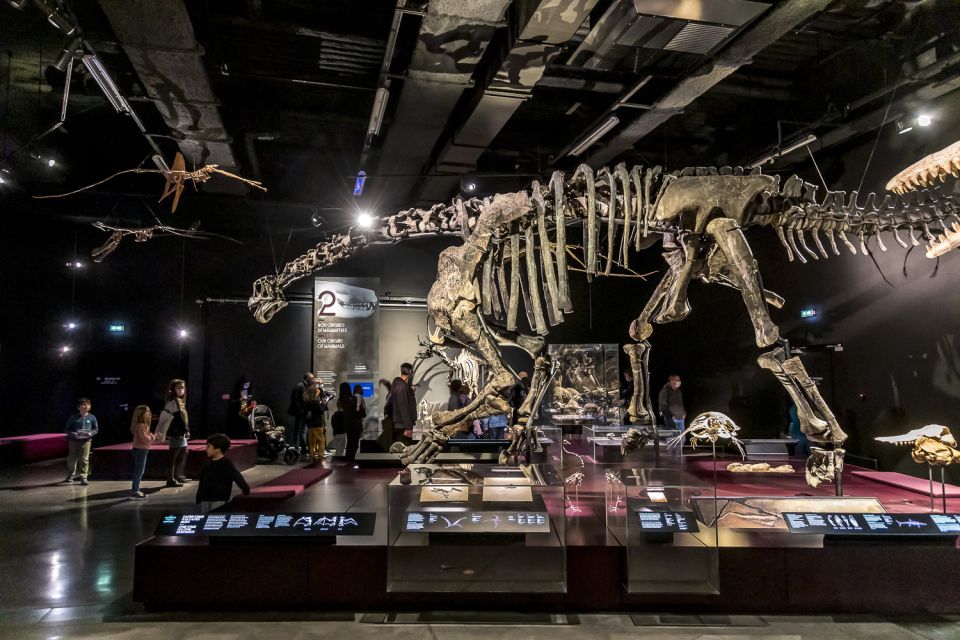
The headline objects hit hard, even if you’re not a “fossil person.”
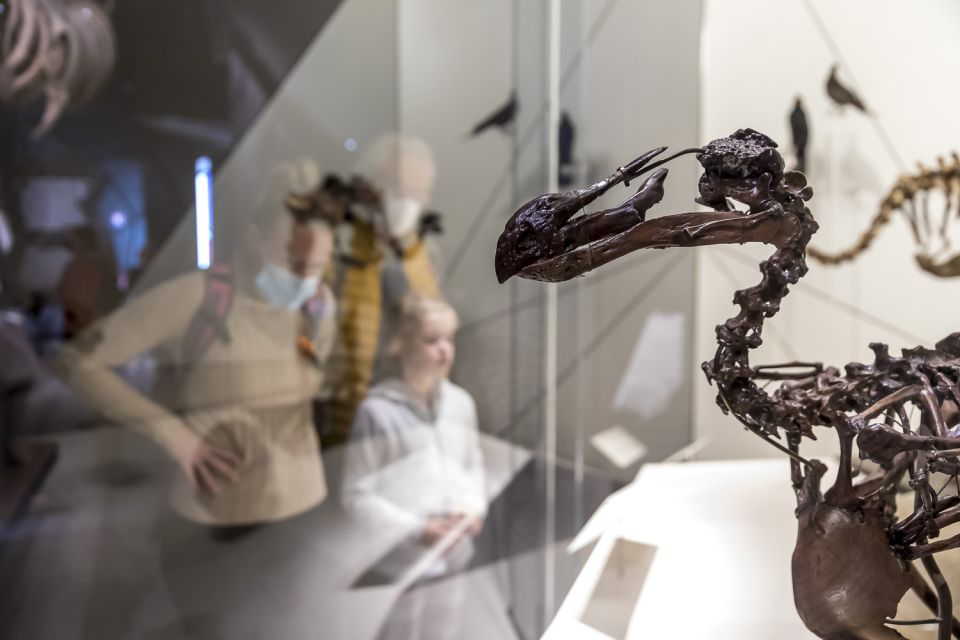
The star is a 155-million-year-old mammoth skeleton display. Whether you focus on the anatomy, the age, or the sheer scale, it anchors the museum’s promise: science isn’t abstract here.
Egyptian mummies are another major highlight. These displays often land differently than natural history because they carry both biological and cultural meaning. They remind you that the past isn’t only about animals and rocks—it’s also about how people treated bodies, belief, and ritual.
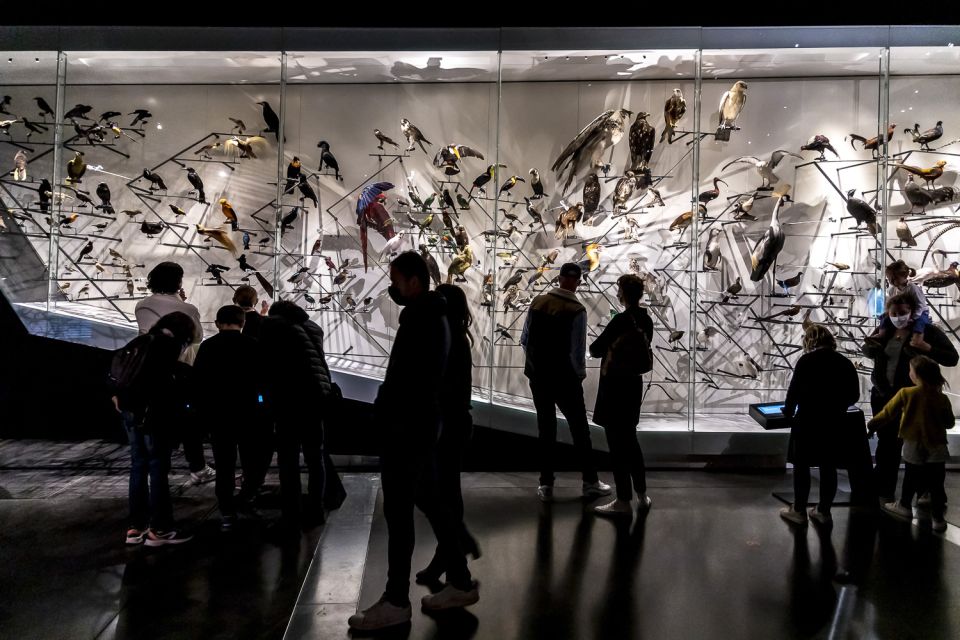
You’ll also see fossils and other specimens. The key point is how the museum makes them feel related to big themes—life, change over time, and the story of human knowledge.






Temporary Exhibits: The Real Reason to Come Back
Your ticket includes temporary exhibitions, which change annually, so the museum isn’t a one-and-done experience. That’s a big part of the value for locals and repeat travelers.
One temporary exhibit that scored big was L’ Amour, which people singled out as amazing. Another set of interests that showed up in past visits included a Marc Riboud exhibit and a display connected to rivers around the world.
You can treat these as examples of the museum’s range. Some temporary shows lean more cultural and artistic; others stay closer to science and the natural world. Either way, the rotating element keeps the museum from feeling like a fixed lecture.
Practical advice: before you start, glance at what’s on temporarily. Choose one temporary highlight as your “must,” then let the permanent galleries fill in the rest.
Language on Site: English Support, Plus a Few Limits
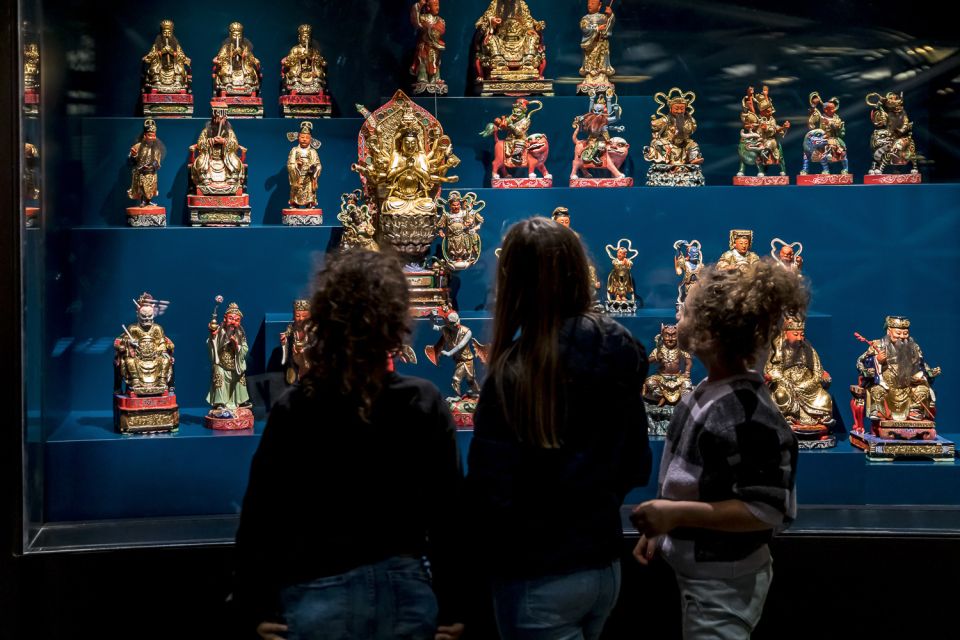
The museum has French and English information, and that makes a big difference when you’re trying to actually understand what you’re looking at.
In reviews, I also saw praise for the museum feeling readable in English. Some parts have translations, and some interactive content is easy to follow.
Still, not everything may have full English support. A few videos or elements may not show English in every case, which can slow you down if you rely on subtitles or audio for context.
This isn’t a dealbreaker. It’s just a reason to pick your “time investment zones.” If you want maximum understanding, spend more time where there’s clear bilingual text, and use the rest for visual storytelling and big-object impact.
Plan Your One-Day Visit: Timing, Lockers, and Heat-Proof Comfort
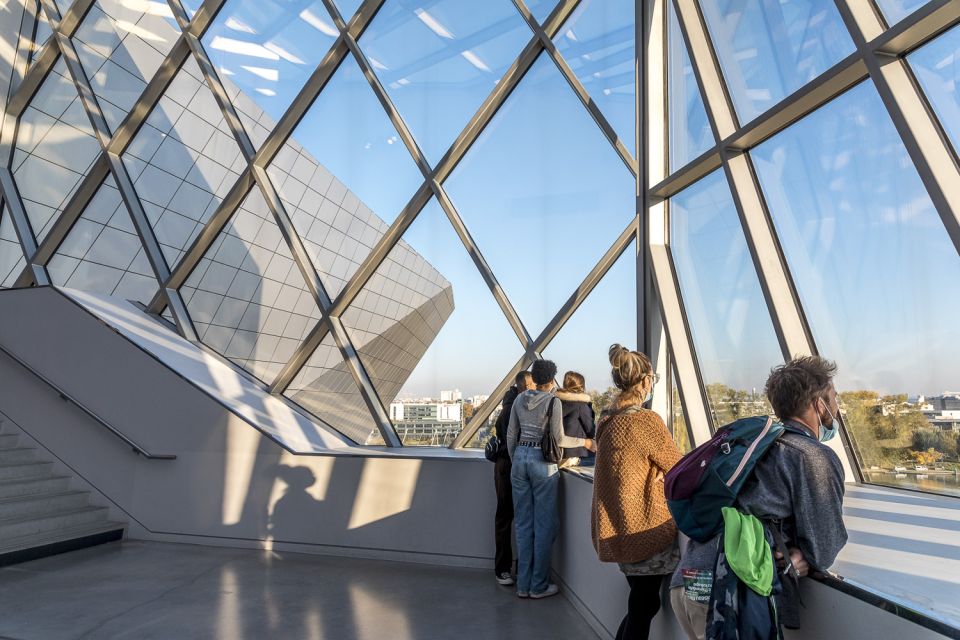
For a one-day ticket, you’re aiming for “enough time to connect ideas,” not “see every label.” Reviews consistently push the same advice: leave yourself plenty of time.
So I’d build your plan around pacing:
- Start with your top theme: Origins, Species, Societies, or Eternity.
- Add one temporary exhibit goal.
- Then spend slower time on the headline objects that hook you early—like the mammoth and mummies—so you don’t end up rushing through the best parts.
The museum is a good heat escape, too. People described enjoying it in summer, and that matches real-world strategy: you’re indoors in air-conditioned or well-managed spaces, surrounded by modern design that keeps your attention.
Lockers help with comfort. Since large bags and luggage aren’t allowed, having free lockers makes it easier to bring small essentials without dragging a bag through exhibits.
If you want a break, you might even find time to grab a simple meal on-site. One family visit highlighted eating lunch on a roof terrace, which is exactly the sort of downtime that keeps a long museum day from turning into a slog.
Parking and Getting There: Simple Reality Checks
The museum is easy to find by address—86 quai Perrache—but parking can be confusing if you’re not local. One review noted a lack of clear parking indications nearby, and that can be frustrating if you arrive by car without prior knowledge.
If you’re driving, plan for a little extra time to hunt for parking. If you’re using transit, you’ll likely feel calmer because the location is tied to the rivers and the Perrache area.
Either way, give yourself a buffer so you’re not arriving stressed. The museum is best when you can settle in and read.
Who This Ticket Is Best For
This is a strong match if you like museums that connect topics instead of isolating them.
You’ll likely enjoy it if:
- You want science plus culture in one place.
- You like big objects that feel educational without feeling dry.
- You appreciate modern design and architecture as part of the experience.
It also works well for families. One visit described it as a fun day for grandparents and teens, with the group seeing nearly all of the exhibits. The key is pacing and choosing what matters most when you have different attention spans.
If you’re the type who wants to linger over every label and every interactive, you’ll benefit from extra time. If you’re the type who scans and moves, you’ll still get plenty of highlights, but you’ll miss some of the deeper connections.
The Value Pitch in Plain Terms
Let’s talk money. At $16, you’re paying for:
- Access to both permanent and temporary exhibitions
- Fast-track entrance with express security
- Free lockers
You’re not paying for direct guaranteed time savings inside each gallery, so you should still plan for a real museum walk.
For me, that price works because the museum combines several high-cost experiences: major architecture, large permanent galleries, and rotating temporary exhibits. Even if you only catch one temporary show plus the core highlights, you’re getting a full day of museum thinking, not a short viewing.
Should You Book the Musée des Confluences Entrance Ticket?
Yes—book it if you want a modern museum day in Lyon that blends science, culture, and history in one coherent space. The building alone is worth the trip, and the big collection highlights (mammoth skeleton, Egyptian mummies, fossils) make it feel like you got your money’s worth fast.
Hold off or reconsider if you’re the kind of visitor who needs lots of time to absorb text and you’re tight on schedule. A one-day ticket is great, but this museum rewards pacing. If you can’t slow down, you may end up rushing past the best parts.
Either way, come with a plan for one theme and one temporary exhibit, and you’ll leave with a head full of connections.
FAQ
Is the Musée des Confluences ticket valid for one day?
Yes. The entrance ticket is valid for 1 day, and you should check available starting times before you go.
What does fast-track entry include?
Your ticket includes fast-track entry for the entrance, plus access through an express security check. It helps you get in faster, but it is not the same as skipping lines inside the exhibitions.
What exhibitions are included with the ticket?
The ticket includes access to both permanent exhibitions and temporary exhibitions. Temporary exhibitions change annually.
Where is the museum, and where do I scan my voucher?
The museum is at 86 quai Perrache in Lyon. Scan your voucher at the museum gate.
Are lockers included?
Yes. Free lockers are included.
Are large bags allowed inside?
No. Luggage or large bags aren’t allowed.
Are there age limits?
Unaccompanied minors aren’t allowed. Also, guests under 13 must be accompanied by an adult.
Do kids and students get discounts or free entry?
Yes. Guests under 18 and students under 26 can enter free with ID, along with certain other categories listed (including apprentices, civic service volunteers, and disabled visitors). One accompanying person is included for disabled visitors.
Is the museum wheelchair accessible?
Yes, the museum is wheelchair accessible.