REVIEW · LYON
Lyon: Aquarium Entrance Ticket
Book on GetYourGuide →Operated by Aquarium de Lyon · Bookable on GetYourGuide
Six habitats, one ticket. The Lyon Aquarium packs a worldwide mix into a smooth one-day visit with 310 species and the Ocean 360 projection room.
I like that the setup feels built for wandering at your own pace, but still organized enough that you don’t lose time. You’re also getting more than tanks—there are screens, short films, and curated zones that connect fish to real ecosystems.
What I like most is the range: Europe’s temperate freshwater, tropical species, reef life, and shark-and-octopus style stops all in one flow. I also love the Ocean 360 experience, because it turns the ocean’s depth into something you can literally watch with wall-and-floor projections instead of only staring at glass.
One thing to consider: it can get crowded, and the main language info is French. If you want an English-speaking guide, you can arrange that at reception for 4 euros—plan for that if language is a big deal for you.
In This Review
- Key points to know before you go
- Lyon Aquarium in One Day: What the $23 Ticket Really Gives You
- The Six World-Sized Exhibits: From La Confluence to Ocean 360
- La Confluence: Temperate freshwater with a European focus
- La Balade Tropicale: Tropical species from three continents
- The World’s Reefs: Moray eels and clownfish energy
- Marine curiosities: Rare fish, “dangerous” species, and friendly sharks
- Marine Lights: Three ecosystems designed around light
- Ocean 360: A projected room for the ocean’s depths
- Video Screens and Short Films: Learning Without a Textbook
- Snack Bar Timing and the Exit Shop: Small Choices That Matter
- Price and Value: Does $23 Make Sense?
- Crowds, Language, and How to Plan Your Route
- Who Should Book This Lyon Aquarium Ticket
- Should You Book the Lyon Aquarium Entrance Ticket?
- FAQ
- What can I see with the Lyon Aquarium entrance ticket?
- How long is the aquarium visit?
- Is there an Ocean 360 show?
- Are guides available in English?
- What is included besides the aquarium exhibits?
- What should I bring with me?
- Can I cancel and get a full refund?
Key points to know before you go
- Six themed exhibitions that cover temperate freshwater, tropical zones, reefs, and special lighting ecosystems
- Ocean 360 with wall-and-floor projections designed to show the ocean’s depths
- 310 species across many real-world habitats, not just a few repeat tanks
- 30 video screens explaining feedings, reproduction, geography, and more
- Short films and documentaries shown throughout the day
- Snack bar + souvenir shop so you can recharge and leave with something fun
Lyon Aquarium in One Day: What the $23 Ticket Really Gives You
For about a day, this Aquarium de Lyon entrance ticket is a whole mini-journey through the water. You’re paying for variety: six exhibitions, 310 species, plus a bunch of learning tools that keep the visit from turning into a long stare at fish tanks.
At first glance, the price looks like a “ticket to see fish.” But once you’re inside, you’ll see you’re actually paying for a built experience—30 video screens and cinema-style short films during the day. That matters, because it helps you connect what you’re seeing (like reefs or sharks) to why those animals live where they do.
The visit is valid for one day, so you’re free to move at your pace without feeling locked into a strict timed tour format. Still, start times do exist, so if you’re the type who likes calm mornings, check what’s available and choose earlier entry.
A few more Lyon tours and experiences worth a look


The Six World-Sized Exhibits: From La Confluence to Ocean 360
The best way to enjoy the aquarium is to treat it like a route with six “chapters.” Here’s what each one is doing for you—and where you can slow down.
La Confluence: Temperate freshwater with a European focus
La Confluence is your entry point into temperate freshwater from across Europe. If you’re used to thinking of aquariums as tropical-only, this zone changes your perspective fast. You get to see how different freshwater habitats support different adaptations than warm-water species.
Practical tip: spend a little extra time here, because it sets the “baseline” for how the rest of the route feels. After temperate freshwater, the tropical zones start to look even more dramatic.
La Balade Tropicale: Tropical species from three continents
La Balade Tropicale brings in tropical fish from America, Asia, and Africa. This is where the color and shapes usually catch your eye, but the real value is the geographic mix—your brain starts grouping animals by habitat rather than by where you saw them first.
If you’re visiting with kids, this is often the easiest zone to keep their attention. Even without reading everything, you can ask simple questions like what’s similar, what’s different, and which fish seems to prefer open water versus calmer spots.
The World’s Reefs: Moray eels and clownfish energy
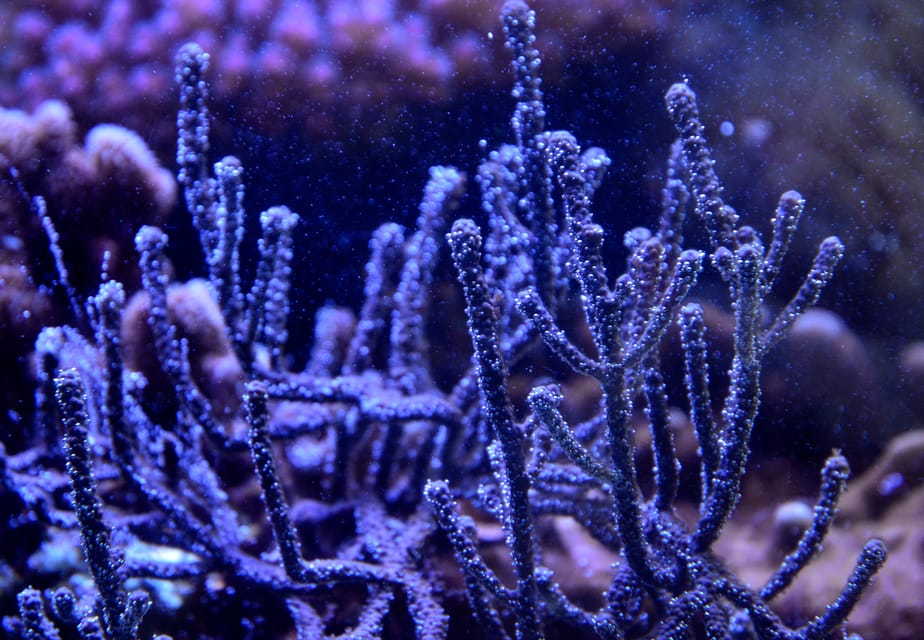
In The World’s Reefs, you’re looking at reef-style life, including moray eels and clownfish. This is also a good section to pay attention to behavior, not just color. Reef environments are built around hiding places, movement, and survival strategies—so watch how fish use space.
Small consideration: reef zones can feel busy visually, especially if the aquarium is crowded. If you want the calm version, step back and scan the whole tank first, then come closer for details.





Marine curiosities: Rare fish, “dangerous” species, and friendly sharks
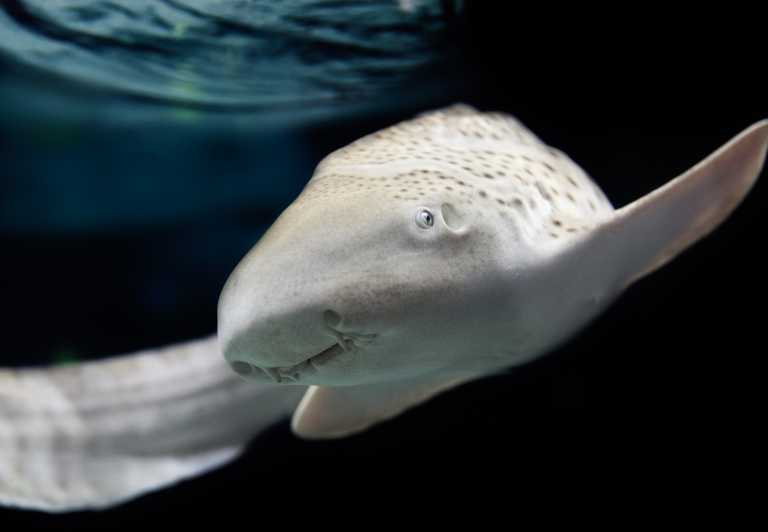
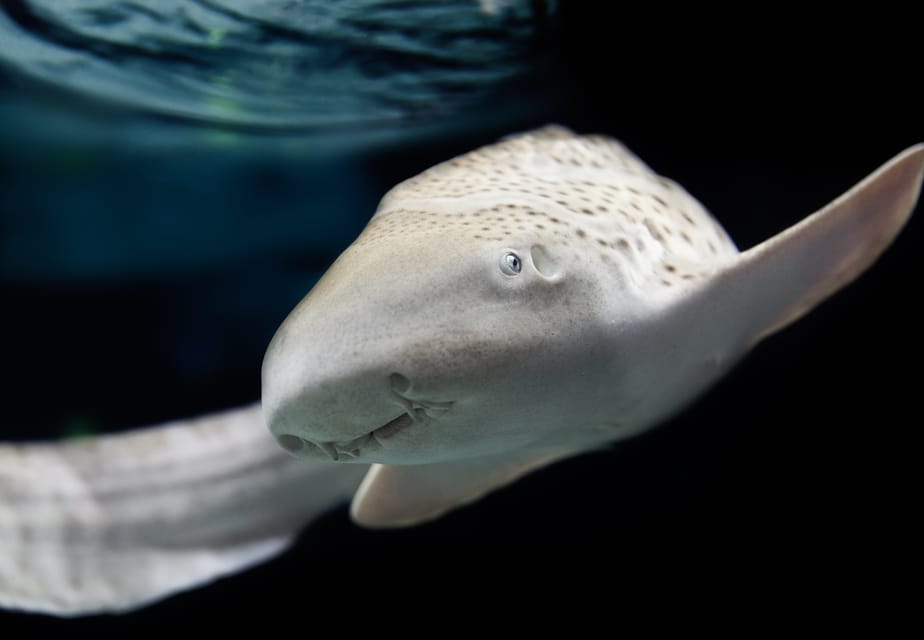
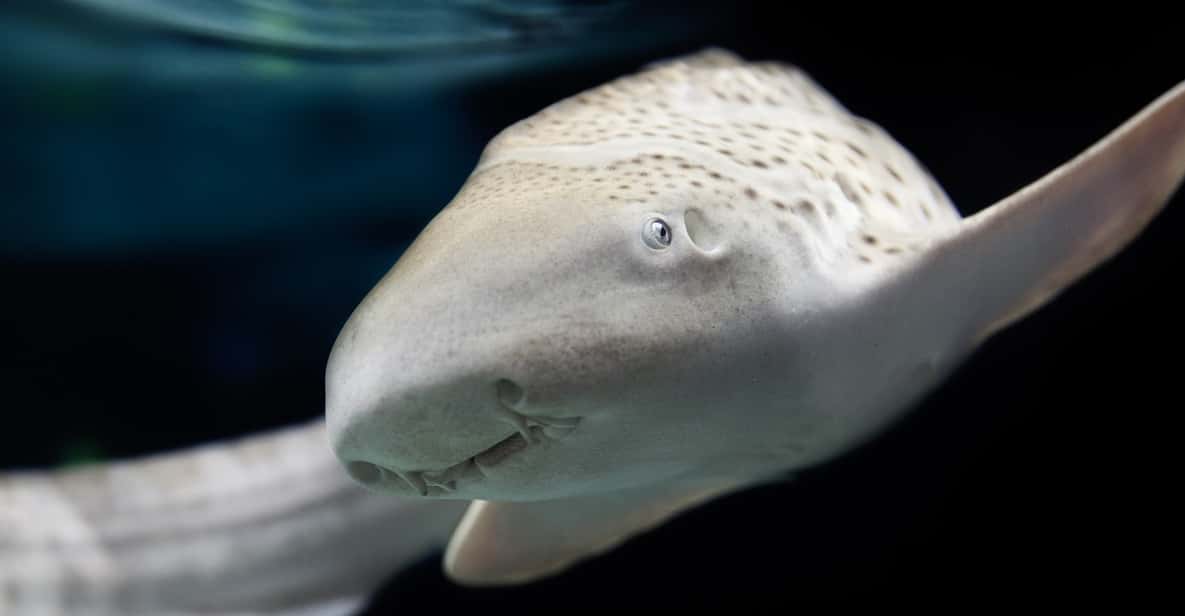
Marine curiosities is where the aquarium leans into the wild stories. You’ll see dangerous and rare fish, plus sharks described as friendly, including the Port Jackson shark. The zone also includes an octopus, which is one of those animals that can quietly steal the whole show.
This stop is great if you like learning that goes beyond “look at the teeth.” The aquarium’s approach here is to frame species in a way that helps you understand reputation versus reality.
Marine Lights: Three ecosystems designed around light
Marine Lights is a change of pace. Instead of focusing only on what’s in the tank, it focuses on light and how ecosystems shift with it. The exhibit is described as three ecosystems designed around light in the oceans, which is a helpful concept if you’ve ever wondered why some marine animals thrive in certain zones.
Practical tip: if you’re taking photos, be patient. Light-focused displays can look great on camera but also tempt you to rush. Let your eyes adjust first.
Ocean 360: A projected room for the ocean’s depths
Ocean 360 is the big finale. It’s a room where you explore the ocean’s depths through wall-and-floor projections rather than a traditional single-tank viewing experience. Since it’s described as brand new, it’s likely the moment that feels most “wow” without requiring you to squint at glass.
If you want the best impact, try to arrive when you have a clear view and not when the room is packed. Once it starts, you’ll get more from it if you’re not thinking about what comes next.
Video Screens and Short Films: Learning Without a Textbook
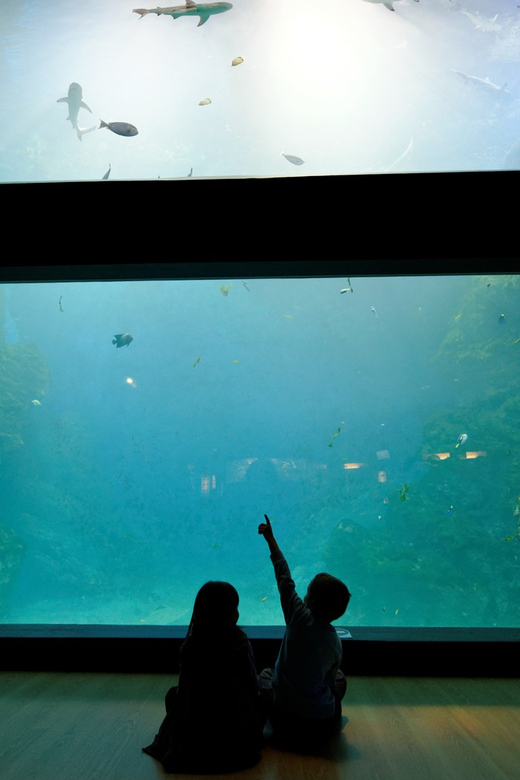
The aquarium supports three learning modes: screens in the exhibits, a cinema program, and optional guidance at reception.
You’ll find 30 video screens across the site, with explanations tied to what you’re seeing—feedings, reproduction, geography, and more. That’s the value of this ticket: you don’t have to be an expert to connect the dots.
Then there are short films and documentaries shown throughout the day. This is perfect when you want a break from walking and still keep the theme going. It also gives your feet a breather, which matters because aquariums have a way of making time feel slower than expected.
If you’re someone who learns best with someone talking, there are guides available in French and English at reception for 4 euros. Plan to ask there rather than assuming the whole day is guided in English.
Snack Bar Timing and the Exit Shop: Small Choices That Matter
A good aquarium visit needs a pause. The ticket experience includes a gourmet break at the snack bar, so you’re not stuck doing the “tourist snack scramble” when hunger hits.
Because short films run throughout the day, I suggest you treat the schedule like a loose rhythm: watch one section, take in a screening, eat, then continue with the next exhibit chapter. Even without exact showtimes in the data, the idea is simple—you’ll enjoy the day more if you don’t stack everything back-to-back.
At the exit, there’s also a souvenir shop. That’s practical for families and for anyone who wants a small reminder of the animals they just learned about. Just don’t overbuy early; save room in your bag.
Price and Value: Does $23 Make Sense?
At $23 per person for a one-day ticket, the value comes from the mix of activities. You’re not just paying for access to tanks—you’re paying for:
- Six themed exhibits with 310 species
- 30 video screens with explanatory content
- Short films and documentaries
- A snack bar break included in the experience flow
If you compare this to a “basic aquarium + minimal signage” kind of day, this one has more built-in context. That means you leave feeling like you actually learned something, not just walked past fish.
The one caution on value is expectation management. If your goal is a quiet, slow museum experience with lots of space, crowds can make that harder. If your goal is an organized, educational aquarium day, this is a strong deal for the time you have.
Crowds, Language, and How to Plan Your Route
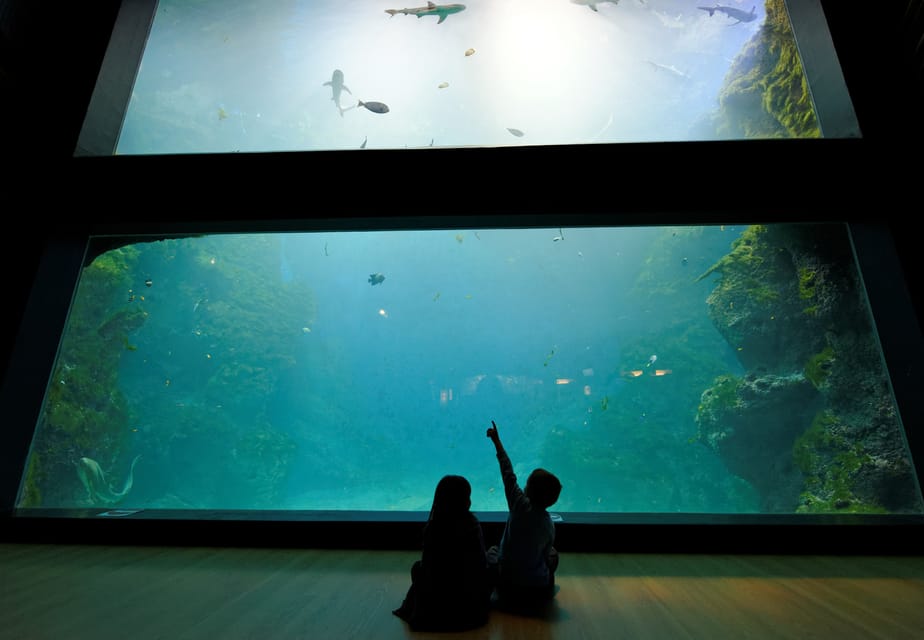
Crowds are a real variable. One of the best pieces of advice I can give is to plan for people—especially around the big showpiece moments like Ocean 360 and areas with lots of viewing points.
To keep the day enjoyable:
- Start with the sections that interest you most, so if you hit a busy stretch later, you still got your priorities.
- Take breaks during film screenings if there’s a wait in the main galleries.
- Don’t feel pressured to rush. The ticket is valid for one day, and the route is naturally forgiving.
Language is another practical point. The experience data says language is French, but guides in French and English are available at reception for 4 euros. If you rely on English and don’t want to read signage, budget that extra 4 euros for the guide.
Also, note the simple “bring what you need” rule: bring cash. This is one of those small details that can save your day if a card isn’t the default at entry or reception.
Who Should Book This Lyon Aquarium Ticket
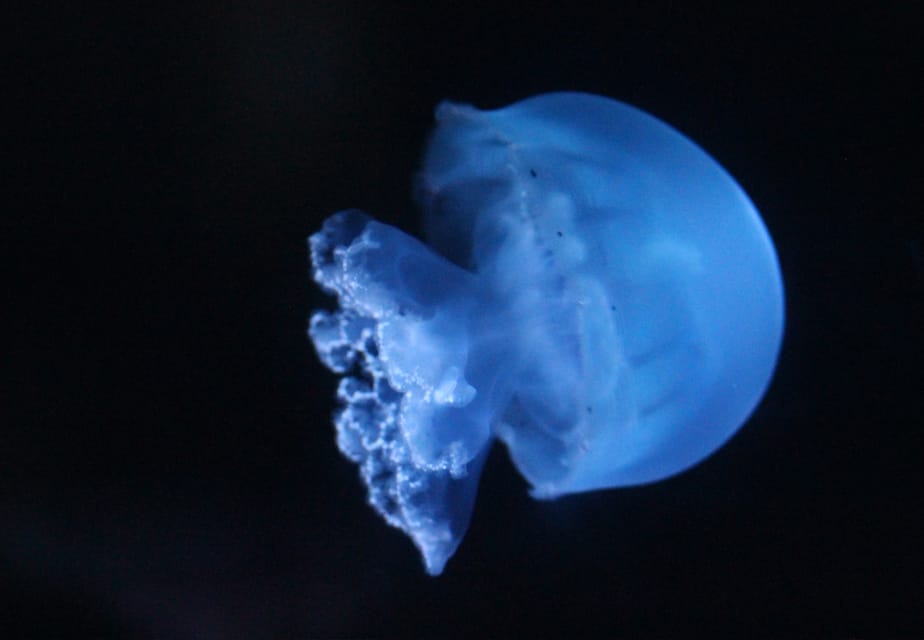
This ticket is a good fit if you want:
- A one-day plan that covers multiple marine ecosystems
- A learning-friendly aquarium with screens and short films
- A mix of standout species like Port Jackson sharks and octopus sightings
- Wheelchair-friendly access, since it’s listed as wheelchair accessible
It may be less satisfying if you’re expecting a fully guided experience included in the ticket price in English, or if you need a very quiet visit. In those cases, plan for the English guide option at reception and choose a calmer start time.
Should You Book the Lyon Aquarium Entrance Ticket?
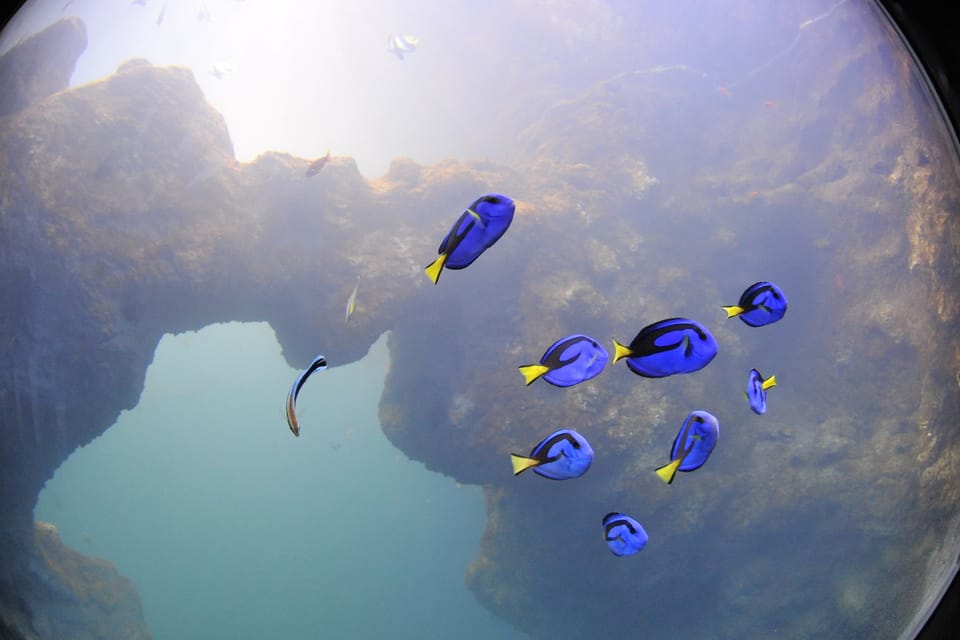
Yes, I think you should book it if you want a structured, educational aquarium day without complicated logistics. The standout reasons are the six exhibition format, the Ocean 360 projection room, and the extra learning layers from 30 video screens plus daily short films.
Before you go, do two things:
1) bring cash, because that’s explicitly listed as needed, and
2) decide how important English support is to you, then grab the guide at reception if you want it.
If you want a straightforward one-day experience that feels worth the price and gives you real context for what you’re seeing, this Lyon Aquarium ticket is an easy yes.
FAQ
What can I see with the Lyon Aquarium entrance ticket?
You can see 6 exhibitions around the world, including La Confluence, La Balade Tropicale, The World’s Reefs, Marine curiosities, Marine Lights, and Ocean 360. The experience includes 310 species, plus 30 video screens and short films shown throughout the day.
How long is the aquarium visit?
The ticket is valid for one day, so you should plan around a single day at the Aquarium de Lyon. Starting times depend on availability.
Is there an Ocean 360 show?
Yes. Ocean 360 is described as a brand new room with wall and floor projections that let you explore the ocean’s depths.
Are guides available in English?
Guides in French and English are available at reception for 4 euros.
What is included besides the aquarium exhibits?
Besides the exhibits, the experience includes short films and documentaries shown throughout the day, a snack bar gourmet break, 30 video screens, and a cinema area as part of the program.
What should I bring with me?
You should bring cash.
Can I cancel and get a full refund?
Yes. Free cancellation is available up to 24 hours in advance for a full refund.