REVIEW · LYON
Discover Lyon while playing! Escape game – The alchemist
Book on Viator →Operated by Coddy · Bookable on Viator
Lyon turns into a two-hour mystery walk in L’Alchimiste, an urban escape game about an alchemist investigating a villager accused of witchcraft. I like that the story sends you through the city instead of keeping you in one room, and that the puzzles draw your eyes toward monuments and real local facts. It gives a family or group of friends a reason to look closely at places you might otherwise pass.
I also like the flexible format. You can begin at any time from midnight to 11:30 p.m., and everyone in your group can take part by sharing the game on their own phones. The main drawback is that you must provide the smartphone and its battery, so a low charge or poor planning could spoil the fun.
In This Review
- Key points at a glance
- Starting at Place Gailleton in Lyon
- Taking the role of an alchemist
- Solving puzzles with the city as your clue book
- What the two-hour route feels like
- Why the private group format matters
- The price and what you receive for it
- Choosing the best time to play
- How it compares with a conventional Lyon tour
- Who should book L’Alchimiste?
- My verdict: a smart, low-cost way to see Lyon differently
- FAQ
- Where does L’Alchimiste begin?
- Where does the activity end?
- How long does the escape game take?
- When can I play the game?
- How many people can join one group?
- Is a smartphone included?
Key points at a glance
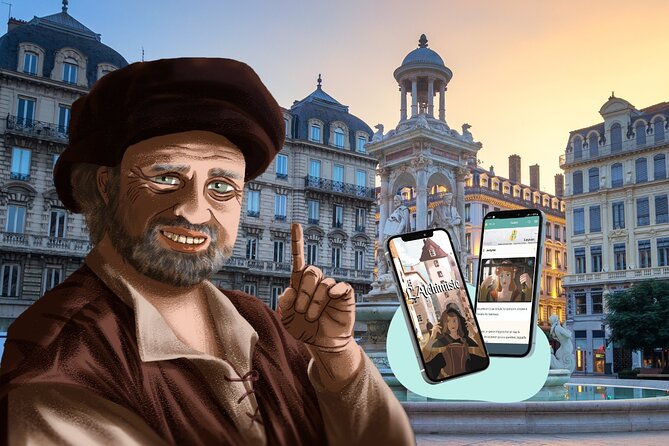
- A witchcraft mystery in central Lyon: Play an alchemist investigating the accusation against Josyne.
- A walking game, not a standard guided tour: Solve puzzles while using streets, monuments, and nearby details as clues.
- Flexible two-hour access: Start at any time within the stated 12:00 a.m. to 11:30 p.m. availability.
- Private play for up to six people: Your group works together without being combined with strangers.
- Useful value for small groups: The listed price is $23.12 per group, not per person.
- A shared-phone format: Multiple people can access the game, while 24/7 online support is included.
Starting at Place Gailleton in Lyon
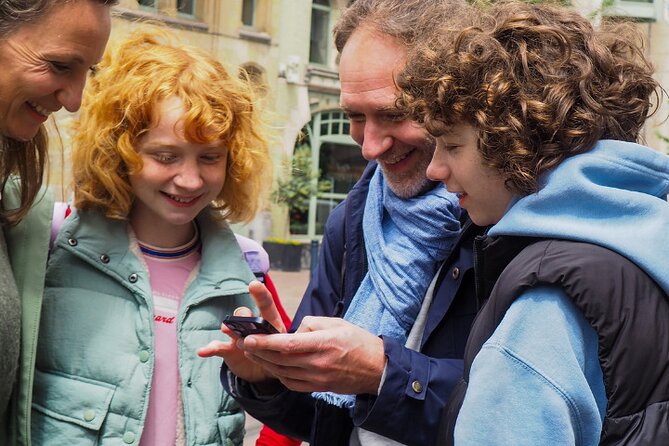
Your adventure begins at Place Gailleton, written in the booking details as Pl. Gailleton, 69002 Lyon. This is a practical starting point for a city game because you are not being asked to meet at a distant attraction or wait for a guide to gather a large crowd.
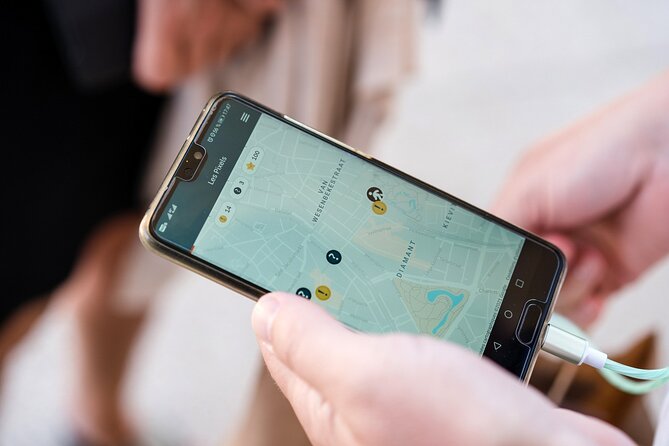
From here, the game directs you through Lyon by mobile application. The exact route and puzzle sequence are part of the game itself, so you should arrive ready to walk and pay attention. You are not simply following a guide who points out sights. You are using the city as part of the puzzle.
That difference matters. A normal sightseeing walk asks you to listen. L’Alchimiste asks you to notice. Architectural details, monuments, street features, and pieces of local context may become useful as you work through the story. If your group enjoys solving problems together, this can make Lyon feel more active and personal.
You should have the game ready on a charged smartphone before you start. The phone is not included, and neither is its battery. Bring your own device and plan for the full two-hour session. Since the game runs through an app, the quality of your experience depends partly on keeping the screen usable and the group organized.
You can also read our reviews of more tours and experiences in Lyon.



Taking the role of an alchemist

The central story gives your walk a clear purpose. You play an alchemist investigating the strange accusation of witchcraft made against a villager named Josyne. Several witnesses provide puzzles, and your job is to sort out why the accusation was made.
That setup is more interesting than a simple list of city facts. You are not moving from sight to sight just to collect information. You are trying to build a case. Each puzzle should help you decide what happened and how you feel about Josyne’s situation.
The final choice matters to the tone of the game. You must decide whether to defend Josyne or support the accusation. This creates a small moral question alongside the physical puzzles. It also gives your group something to discuss as you go, particularly if different people reach different conclusions.
The story involves witchcraft, but the experience is presented as a playful investigation rather than a serious historical tribunal. You should expect a fictional adventure that uses Lyon as its setting. At the same time, the activity includes information about monuments and real facts, so the city itself remains part of the learning.
Solving puzzles with the city as your clue book
The strongest feature of L’Alchimiste is the way it combines a game with a city walk. The puzzles are not meant to be solved in isolation. You are encouraged to examine your surroundings, which can change how you see familiar public spaces.
This works especially well for people who get restless on conventional tours. Instead of listening for two hours, you are making choices, comparing ideas, and searching for clues. Children and teenagers may stay more involved because the walk has a goal. Adults can enjoy the same experience if they like word problems, observation tasks, and light role-playing.
The game also suits groups with mixed interests. One person may enjoy the historical details, another may focus on the story, and someone else may spot the physical clue that moves the team forward. Since the game can be shared across the phones of the people in your group, participation does not have to rest on one person holding the device.
Still, this format asks for teamwork. A group that walks at different speeds or lets one person control every answer may get less from it. I suggest agreeing before you begin that everyone gets time to read the clues, inspect the surroundings, and suggest a solution.
You should also allow for ordinary city distractions. Lyon is a real city, not a closed game room. Street noise, pedestrians, traffic, weather, and a busy phone screen can interrupt your concentration. The flexible timing helps, since you can choose a quieter period rather than joining a fixed departure.
What the two-hour route feels like
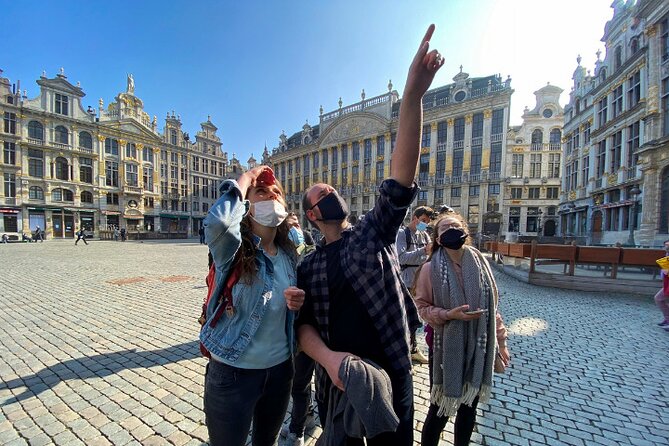
The activity is listed at approximately two hours. That gives you enough time for a proper city walk and a full story, but it is still short enough to fit around a museum visit, meal, or other Lyon plans.
At the beginning, you will use the application to understand the mission and start the investigation. The first stage is likely to be about learning how the game works, finding your rhythm, and recognizing what sort of details may matter. Take your time here. Rushing the opening can make later puzzles harder than they need to be.
The middle of the experience is where the urban format earns its keep. You move around Lyon with your group, meeting the story’s witnesses through the game and solving their puzzles. The route gives you a reason to inspect monuments and connect city details with the fictional case.
The final stage brings the evidence together. You work out the truth behind the accusation and choose your position on Josyne’s fate. At the end, you receive a summary of your adventure with photos. That gives the activity a clear finish and leaves your group with a record of the outing rather than a puzzle that simply disappears when the app closes.
The exact stops are not specified in the available details, so you should not book this expecting a published list of landmarks or a fixed guided route. The appeal is the combination of the unfolding story and the places revealed as you play.
Why the private group format matters
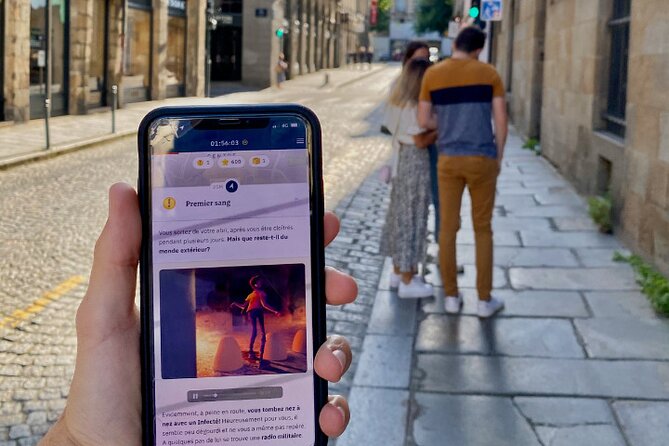
This is a private activity, so only your group participates. Up to six people can play together, which is a useful size for a family, a couple of friends, or a small group on a weekend in Lyon.
Private play removes one common problem with group activities: being paired with strangers who have a different pace or different idea of fun. You can stop briefly, discuss the evidence, and make your own decision about the accusation. For families, this also makes it easier to adjust the pace to the youngest member.
The group limit is worth noting. Six is large enough for lively discussion, but bigger parties would need to split up or book more than one game. If you are playing with six, keep the phone visible and make sure everyone can hear the person reading the instructions.
The game is not guided in person. The mobile application leads the activity, while online support is available 24 hours a day, seven days a week. This is convenient and gives you help if you run into a technical or gameplay problem, but it does mean you should expect a self-directed experience rather than conversation with a local guide.



The price and what you receive for it
The listed price is $23.12 per group of up to six. For a full group, that is excellent value, working out to less than $4 per person before any currency changes or booking charges. Even with only two people, the price can compare well with many paid city activities because it covers the whole group rather than charging separately for each participant.
The value comes from combining entertainment and sightseeing. You are paying for a two-hour activity, a city walk, the app-led mystery, 24/7 online support, and a summary with photos at the end. Food and drinks are not included, but that is easy to handle because you can plan a café stop before or after the game.
The price also includes a long validity period. Your game remains valid for up to three years, according to the supplied details. That can help if your Lyon plans change, though you should still check the booking terms for how rescheduling works.
The main extra cost is practical rather than financial: your phone and its battery. Bring a charged smartphone, and if you have one, a portable charger is a sensible precaution. The experience is inexpensive, but it is not fully hands-off. You supply the device that makes the game work.
Choosing the best time to play

You can access the activity for two hours at any time between midnight and 11:30 p.m. The wide time range is one of its best features. You are not tied to a morning meeting or an afternoon departure, which makes the game easy to fit into a flexible Lyon schedule.
A daytime start should make it easier to examine buildings and street details. If your group includes children or anyone who prefers a normal sightseeing rhythm, daytime is the obvious choice.
An evening session may appeal if you want to see Lyon after the day’s main sightseeing is done. Yet you should think about visibility and comfort. The activity is based on noticing your surroundings, so a very late start may be less practical than the schedule suggests. The details provided do not promise special lighting, a night route, or a different version after dark.
The listed operating dates run from February 3, 2021, through June 18, 2026, with availability shown every day. Since dates and operating details can change, confirm the current option when you book. The generous window is useful, but you still need to choose a time when your group can give the game its full attention.
How it compares with a conventional Lyon tour

A conventional tour gives you a guide, a set route, and spoken explanations. L’Alchimiste gives you a fictional case, app-based instructions, and puzzles that require your input. Neither format is automatically better. They serve different moods.
Choose this game if you want an activity with a clear story and some friendly competition. It is especially good for a family or group of friends who have already seen a few Lyon sights and want a different way to move through the city.
Choose a guided walk instead if your main aim is detailed historical explanation, personal recommendations, or questions answered in real time by a local person. The available information does not name an in-person guide, and the experience is designed around the app.
The strongest middle ground is to use this as one part of your Lyon visit. It can introduce you to streets and monuments in an active way, while a museum or traditional tour can provide the fuller historical background afterward. The game is not a replacement for every kind of sightseeing, but it can make a good change of pace.
Who should book L’Alchimiste?
I would recommend it most strongly to:
- Families who want sightseeing with a game built into it
- Friends who enjoy puzzles and shared decision-making
- Couples looking for an activity that is more active than a standard walk
- Visitors with a flexible schedule who do not want a fixed departure time
- Small groups who want a private experience at a group price
You should think twice if nobody in your party wants to use a smartphone, if you prefer a formal guided tour, or if your group dislikes walking and problem-solving. The activity requires attention, teamwork, and a charged device.
Service animals are allowed, the activity is near public transportation, and most people can participate. The supplied information does not provide a detailed route profile, exact distance, or specific accessibility notes, so contact the provider before booking if your group has mobility requirements.
My verdict: a smart, low-cost way to see Lyon differently
L’Alchimiste makes a strong case for game-based sightseeing. Its best ideas are simple: give your group a mystery, put the clues in the city, and let everyone help solve the case. The story about Josyne, the choice between defense and accusation, and the use of monuments and real facts give the walk more purpose than a generic phone scavenger hunt.
The $23.12 group price is particularly attractive for six people. Add the private format, flexible start time, long validity, and end-of-game photo summary, and you get a practical activity for a modest cost.
Book it if you want to explore Lyon through puzzles and can keep your group engaged with the app. Skip it if you need an in-person expert or a detailed, traditional history tour. For most small groups seeking a playful two-hour outing, this is an easy activity to fit into a Lyon itinerary.
FAQ
Where does L’Alchimiste begin?
The game begins at Place Gailleton, listed as Pl. Gailleton, 69002 Lyon, France.
Where does the activity end?
The activity ends back at the meeting point.
How long does the escape game take?
The experience lasts approximately two hours.
When can I play the game?
You can access it for two hours at any time between midnight and 11:30 p.m., with availability shown Monday through Sunday.
How many people can join one group?
Up to six people can participate in one private group.
Is a smartphone included?
No. You must provide the smartphone and its battery. The game can be shared across the phones of people in your group, and 24/7 online support is included.