REVIEW · PARIS
Louvre & Mona Lisa Morning Tour with Reserved Access
Book on GetYourGuide →Operated by City Wonders Ltd. · Bookable on GetYourGuide
One of the few ways to get the Louvre right is early, guided, and focused. This reserved-access morning tour helps you hit the Louvre’s biggest works like the Mona Lisa, plus key sculpture and Renaissance highlights, without wasting hours stuck in lines. Two things I like a lot: the guided flow through the museum’s top rooms and the included headset so you can actually hear the story. The main drawback to consider is that, like any 3-hour plan in the Louvre, you won’t see everything—so the route depends heavily on the guide’s pacing and group management.
For logistics, you should know the meeting point is not at the Louvre Pyramid entrance, and the tour still requires security screening like everyone else. It’s also a fair amount of walking, and it’s not set up for wheelchair users.
In This Review
- Key Highlights That Make This Tour Worth Considering
- Reserved Morning Entry: The Louvre Crowd Strategy That Actually Works
- Meeting by the Arc de Triomphe du Carrousel: Where You Need to Stand
- What 3 Hours Really Covers: A Smart, Tight Priority List
- Mona Lisa and the Da Vinci Story: How the Tour Makes the Headline Worth Seeing
- Classical Sculpture Stops: Venus de Milo and Winged Victory
- Renaissance and Beyond: Caravaggio, Michelangelo, and Canova
- Royal Palace Rooms: Apollo Gallery and Napoleon Apartments
- Headsets, Pacing, and Group Splits: The Real-World Experience Factor
- Price and Value vs DIY: Is $80 a Good Deal?
- Who Should Book This Tour, and Who Might Regret It?
- Quick Practical Rules: Bags, Size Limits, and Museum Entry Reality
- Should You Book This Reserved-Access Morning Tour?
- FAQ
- How long is the Louvre tour?
- Does this tour include reserved access or just a ticket?
- What’s included in the price?
- Where do I meet the group?
- Is it true you skip the ticket line?
- Are strollers or large bags allowed?
- Is this tour wheelchair accessible?
- Is it refundable if I cancel?
Key Highlights That Make This Tour Worth Considering
- Reserved morning access to shorten your wait and get you into the museum fast
- Headsets included so you can hear the guide even when rooms get crowded
- Mona Lisa focus paired with other top draws so you don’t bounce randomly between wings
- Classical sculpture stops like Venus de Milo and Winged Victory of Samothrace
- Renaissance connections tied to artists such as Da Vinci, Michelangelo, and Caravaggio
- A 3-hour time-box that forces smart priorities instead of Louvre overwhelm
Reserved Morning Entry: The Louvre Crowd Strategy That Actually Works
The Louvre is one of those places where your success depends less on wishful thinking and more on timing and navigation. This tour’s big promise is reserved morning access, which helps you start the day with momentum instead of drifting through the maze while everyone else arrives.
You’re not just buying entry. You’re buying time. And in the Louvre, time is the real currency—especially if you want the famous rooms without spending your morning watching other people’s photo sessions from the far edges.
A few more Paris tours and experiences worth a look



Meeting by the Arc de Triomphe du Carrousel: Where You Need to Stand

Here’s a small detail that matters: the meeting point is beside the Arc de Triomphe du Carrousel, and it is not at the Louvre entrance. Stand with your back to the Louvre Pyramid, then look across the road toward the arch with the horse-drawn chariot on top. The coordinators are along the wall railing on the left side of the arch.
Show up early. Not because you need to, but because it’s easy to misread the location if you’re juggling maps, phone signal, and pre-museum nerves. A 10-minute mistake here can quietly steal from your tour hours.
What 3 Hours Really Covers: A Smart, Tight Priority List
A 3-hour Louvre tour is short by design. That can be great—if the route hits the right rooms and the guide keeps you moving. It can also feel frustrating if you expect to leisurely roam or if the group pacing runs off track.
This format is built around an efficient highlight sweep: you’ll move through major collections and key artworks rather than chasing every department corner. Think of it as a guided “greatest hits + useful context” session. If you’re the type who wants to linger in one painting’s details, you’ll likely want a longer second visit later.
Mona Lisa and the Da Vinci Story: How the Tour Makes the Headline Worth Seeing
The Mona Lisa is famous for a reason, but it can also be a bit of an experience trap. You arrive expecting a moment. What you actually get is a crowd. So the value here is not the painting itself—it’s how the guide helps you understand what you’re seeing and why it matters.
The tour experience includes a dedicated stop for Da Vinci’s Mona Lisa, with your guide steering you toward the moments worth noticing. The guide also frames it alongside the surrounding world of Renaissance art, so you don’t treat the painting as a random celebrity.
One practical tip: plan to spend time at the painting even if the line of sight is imperfect. The tour format is designed to get you to the right places, but you still have to work with the museum’s real-life crowd conditions.
Classical Sculpture Stops: Venus de Milo and Winged Victory
If the Louvre had a soundtrack, the classical galleries would be the loudest instruments. This tour takes you to major sculpture anchors such as Venus de Milo and Winged Victory of Samothrace.
What I like about pairing these works is contrast. Venus de Milo is about presence and form, while Winged Victory pushes energy, movement, and drama. Seeing them as part of a guided sequence helps you look longer and more deliberately, instead of doing the usual quick scan and moving on.
Also, sculpture photos never tell the full story. In person, you’ll notice scale, posture, and the way the surfaces have been preserved over time. A good guide helps you interpret those details instead of leaving you to guess.





Renaissance and Beyond: Caravaggio, Michelangelo, and Canova
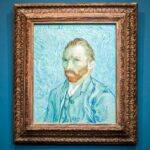
This tour doesn’t just stop at the biggest name. It also connects you to other heavy hitters, including Renaissance masterpieces and major sculpture. You can expect stops that reference artists like Caravaggio and Michelangelo, plus works such as Michelangelo’s Dying Slave and Canova’s Psyche Revived.
Here’s why that matters: the Louvre is not just a gallery of standalone famous pieces. It’s a museum where artworks talk to each other across rooms—style, subject, and technique all echo. A guide can make those connections feel natural, not forced.
In particular, the museum’s Renaissance sections can get confusing fast because everything looks important. A well-run route helps you separate what’s historically meaningful from what’s just visually impressive.
Royal Palace Rooms: Apollo Gallery and Napoleon Apartments
One of the best surprises in the Louvre is realizing it wasn’t built as a museum first. Parts of the visit include the feel of the building itself—former royal space, not just a container for art.
You’ll get time in areas linked to that story, including the Apollo Gallery and the Napoleon Apartments. This shift in atmosphere matters. It changes how you experience everything else, because suddenly you’re not only looking at art—you’re moving through the setting that gave power and prestige to the collections.
If you’ve ever wondered why the Louvre feels a bit like a mini-city, these rooms are a big reason. They make the museum’s layout feel purposeful instead of random.
Headsets, Pacing, and Group Splits: The Real-World Experience Factor
This tour includes an English-speaking expert guide and headsets, so you can always hear instructions. That’s a big deal in the Louvre. Rooms are noisy, crowds swirl, and your attention constantly gets hijacked by other sounds and conversations.
Still, the biggest variable is the guide’s pacing and leadership style. In the feedback I’ve read, certain guides—like Lily and Summer—came up with a pattern: clear, simple explanations and a friendly, energetic approach. That kind of guide makes the 3 hours feel like a smart plan.
Other feedback points to what can go wrong: when English isn’t clear or when the guide’s movement is inconsistent, the tour loses momentum and you end up playing catch-up. Also, for parties of 7 or more, you may be split into different groups at the meeting point, so you’ll want to confirm you’re staying with your allocated group.
Price and Value vs DIY: Is $80 a Good Deal?
At about $80 per person, this tour sits in the “convenience costs money” zone. The important part is what’s included. Your ticket and reservation fee are covered in the price, and you also get a guide in English plus headsets.
The Louvre entrance ticket is listed as 22€ and there’s a reservation fee (70€ per group) included. That means you’re paying partly for access management and partly for the guided experience.
DIY can work if you’re organized and okay with trial-and-error. But DIY can also fall apart when you misjudge the lines or you spend time figuring out what to prioritize. For many people, that’s exactly what they don’t want in Paris: decision fatigue.
So here’s my take: this is good value if you want a guided route with reduced waiting, and you’ll follow the plan rather than wander off in search of your own agenda.
Who Should Book This Tour, and Who Might Regret It?
This tour is a solid fit if you want a high-impact overview: Mona Lisa, major classical sculpture, key Renaissance works, and a dose of the palace setting—done in 3 hours with help from a guide.
It may not be the best fit if:
- You expect wheelchair accessibility (this tour is not suitable for wheelchair users)
- You travel with baby strollers or large bags (strollers and large items are not allowed)
- You want an unhurried, deep-study museum day rather than a curated hits tour
- You strongly prefer native-level English storytelling and want maximum clarity the entire time
Also, keep in mind the museum has security screening for everyone. Reserved access helps, but it doesn’t erase the reality of passing through security.
Quick Practical Rules: Bags, Size Limits, and Museum Entry Reality
The museum has a strict size rule. Any item exceeding 55 x 35 x 20 cm is not permitted. If you’re traveling with a big daypack, bulky tote, or multiple bags, you’ll want to downsize before you arrive. The tour also doesn’t allow baby strollers.
If you’re the type who packs layers, chargers, and souvenirs all at once, you’ll be happier traveling light. Your morning will move faster if you aren’t thinking about bag size while standing in security.
Should You Book This Reserved-Access Morning Tour?
If you want a first-time Louvre experience that feels efficient, I’d lean toward booking—especially because reserved access plus headsets turns a chaotic museum morning into something you can manage.
However, I’d only book if you’re realistic about the format: 3 hours is not long, and your experience will depend on the guide’s clarity and how tightly the group stays together. If you’re sensitive to language barriers or you hate being rushed, consider whether you’d rather buy your own skip-the-line entry and build a route you can customize.
If you do book, do two things: arrive at the correct meeting spot by the Arc du Carrousel area, and keep your expectations aligned with a highlight-focused morning rather than a full Louvre day.
FAQ
How long is the Louvre tour?
It lasts 3 hours.
Does this tour include reserved access or just a ticket?
It includes reserved access to the Louvre Museum, plus the entrance ticket and reservation fee.
What’s included in the price?
Included items are reserved access, an English-speaking expert guide, headsets, and the entrance ticket and reservation fee.
Where do I meet the group?
You meet beside the Arc de Triomphe du Carrousel, not at the Louvre Pyramid entrance. Stand with your back to the Louvre Pyramid and look across the road; coordinators stand on the left of the arch near the wall railing.
Is it true you skip the ticket line?
Yes. The tour includes skip the ticket line access, though you still must pass Louvre security.
Are strollers or large bags allowed?
No baby strollers are allowed. Items exceeding 55 x 35 x 20 cm are not permitted in the museum.
Is this tour wheelchair accessible?
No. It’s listed as not suitable for wheelchair users.
Is it refundable if I cancel?
Yes, you can cancel up to 24 hours in advance for a full refund.