REVIEW · PARIS
Le Grand Tour Half Day Private Walking Tour All the Main Sites
Book on Viator →Operated by Black Cat Tours · Bookable on Viator
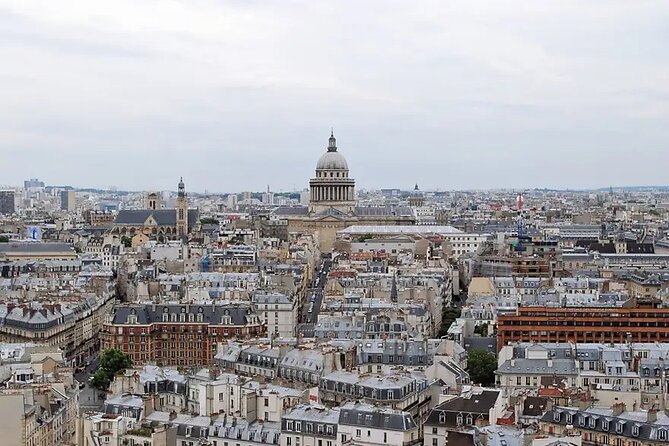
Montmartre is the star here. In two hours, you move from Sacré-Cœur and Place du Tertre to old cabarets, artists’ studios, a vineyard, Dalida’s former home, and streets featured in Amélie and Emily in Paris. The rest of the day sweeps across Paris, from the Tuileries and Louvre to the Eiffel Tower, Latin Quarter, and Notre-Dame.
I like the private format, especially for a group of up to eight. You can ask questions, adjust the pace, and focus on the parts of Paris that matter most to you. I also like the broad route: this is a useful first look at the city, not just a tour of one neighborhood.
The main drawback is the ambitious schedule. You see many major sights from the outside, but you do not go up the Eiffel Tower, enter the Louvre, or access Notre-Dame. Public transportation is also extra, and the long walking day calls for a moderate level of fitness.
In This Review
- Key points before you book
- Why this Paris tour works best as an orientation day
- Montmartre from Sacré-Cœur to the artists’ square
- Dalida, Maison Rose, and Montmartre’s artistic past
- The Moulin Rouge and the limits of exterior sightseeing
- Tuileries, the Louvre, and Paris on a grand scale
- Arc de Triomphe, Champs-Élysées, and the Eiffel Tower
- Latin Quarter streets and the final stop at Notre-Dame
- What the private guide adds
- Walking, metro costs, and physical demands
- Who should book this private Paris tour
- Should you book Le Grand Tour?
- FAQ
- How long does the tour last?
- How many people can join the private tour?
- Is the tour offered in English?
- Where does the tour begin?
- Where does the tour end?
- Is public transportation included?
- Are entrance tickets included?
- Do you go inside the Louvre?
- Do you go up the Eiffel Tower?
- Can you enter Notre-Dame Cathedral?
- Can you choose a morning or afternoon start?
- What happens if the weather is poor?
- What is the cancellation policy?
Key points before you book
- Montmartre gets the proper treatment: Two hours cover Sacré-Cœur, Place du Tertre, the last vineyard, old cabarets, artists’ homes, and film locations.
- A private group keeps the day flexible: The experience is limited to eight people, so you can ask for more detail or request a different emphasis.
- The route covers nearly every first-time Paris landmark: You see the Louvre, Arc de Triomphe, Champs-Élysées, Eiffel Tower, Latin Quarter, and Notre-Dame.
- Most major sights are exterior visits: The Louvre, Moulin Rouge, Eiffel Tower, and Notre-Dame are viewed from outside, with no attraction tickets included.
- You should budget for the metro: The tour includes walking, but public transportation is needed, and a Mobilis ticket costs €8.40.
- Guide Ewan is worth noting: His English and French fluency, easy manner, and willingness to adapt were praised in the available feedback.
Why this Paris tour works best as an orientation day
This is less a museum tour and more a fast, personal introduction to Paris. Over roughly five and a half hours, you cross several very different parts of the city, moving from the hilltop streets of Montmartre to the grand avenues around the Louvre and the intimate lanes of the Latin Quarter.
I see the value in that format. Paris can feel scattered on a first visit. The Eiffel Tower is far from Montmartre, the Louvre is not next door to Notre-Dame, and the Champs-Élysées has a very different mood from the old streets around the Seine. A guide helps connect these places and gives you a basic sense of how the city fits together.
The tour is offered in the morning or afternoon. That choice matters. A morning start gives you the rest of the day for a museum visit or a slower meal. An afternoon start may suit you if you want a gentle beginning to your trip, but you should remember that the tour is long and includes substantial walking.
The price is $397.86 per group, with up to eight people. For one person or a couple, that is a serious expense. For a full private group, the cost works out much better per person, especially if you value personal attention and do not want to join a large group.
You can also read our reviews of more walking tours in Paris



Montmartre from Sacré-Cœur to the artists’ square
The day begins at Anvers in the 18th arrondissement, a practical starting point for Montmartre. The neighborhood receives about two hours, which is more time than most quick photo stops allow.
The first major stop is the Basilique du Sacré-Cœur de Montmartre. You visit the famous white-domed church, though the provided details do not promise interior access. The 15-minute stop is enough for an introduction and a look around, but not for a long visit inside the basilica.
From there, you reach Place du Tertre. This small square is known for its artists and market atmosphere. It is one of the most recognizable corners of Montmartre, but it can also feel busy and commercial. A private guide is useful here because you can spend your time on the square itself or move on when the crowds and portrait sellers become too much.
The route then points out the Vigne du Clos Montmartre, the last vineyard in Montmartre. This is one of the more unusual stops. It reminds you that the hill was once less built up and more rural than the postcard version suggests.
You also see Au Lapin Agile, one of the neighborhood’s old cabarets. The tour views it from the outside only, so you will not see a performance. Still, the stop gives you a useful idea for an evening activity, especially if you want something more local in character than a standard cabaret show.
Dalida, Maison Rose, and Montmartre’s artistic past
Montmartre’s appeal comes from its layers. The route brings you to Place Dalida, where you see the bust of the famous singer, and then to La Maison de Dalida, her former home. These stops connect the neighborhood with one of its best-known twentieth-century figures.
La Petite Maison Rose is another quick but photogenic stop. The house was once associated with artist Maurice Utrillo and has also appeared in Emily in Paris. It is easy to treat it as a simple photo backdrop, but your guide can help place it within Montmartre’s long connection to painters and performers.
Le Passe-Muraille offers a different kind of local detail. This statue comes from Marcel Aymé’s celebrated story about a man who can walk through walls. It is a small stop, listed at five minutes, but it adds some literary character to the walk.
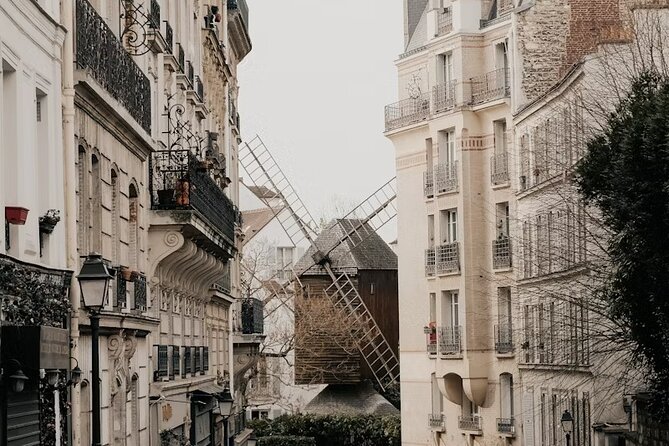
At Le Moulin de la Galette, you see Montmartre’s last remaining windmill. It was once linked with the famous Bal au Moulin de la Galette and now operates as a restaurant. The building is viewed from outside, so you should not expect a meal or an extended restaurant visit.
Bateau-Lavoir is one of the strongest art-related stops. The former studio was associated with Picasso, Modigliani, and Apollinaire. Again, the tour does not take you inside, but the address helps explain why Montmartre became such a magnet for artists.
The stop at Café des Deux Moulins will appeal to film fans. It was a filming location for Amélie. I would treat it as a fun cultural reference rather than a major sightseeing stop. The value is in seeing how ordinary Paris cafés become part of the city’s screen identity.
The Moulin Rouge and the limits of exterior sightseeing
The Montmartre section ends near the Moulin Rouge. You stop outside the famous cabaret for about ten minutes. There is no show or interior access included, and admission is not part of the price.
That limitation is important. This tour gives you context and a citywide overview, but it does not replace a ticketed evening at the Moulin Rouge. If the cabaret is high on your Paris wish list, plan that separately and check show availability on your own.
The same pattern applies to several other landmarks. You see the building, hear its story, and move on. That keeps the day moving, but you need to book separate tickets if you want time inside.
Tuileries, the Louvre, and Paris on a grand scale
After Montmartre, the route shifts to central Paris. At the Tuileries Garden, you stroll for about 20 minutes through the formal gardens beside the Louvre. This is a welcome change after the hill streets of Montmartre, and it gives you a clear view of Paris as a city of grand axes, sculpture, and planned public space.
The Louvre is viewed from outside. The 15-minute stop focuses on the museum’s building and its place in Paris, not on the Mona Lisa, galleries, or special exhibitions. Do not book this tour expecting a Louvre visit. Instead, use it to learn how to return later for a proper museum day.
The tour later finishes near the Louvre as well, adding another ten-minute exterior stop. That may feel repetitive, but it can help if your group wants to end close to the museum or continue exploring the area independently.
You can also read our reviews of more private tours in Paris





Arc de Triomphe, Champs-Élysées, and the Eiffel Tower
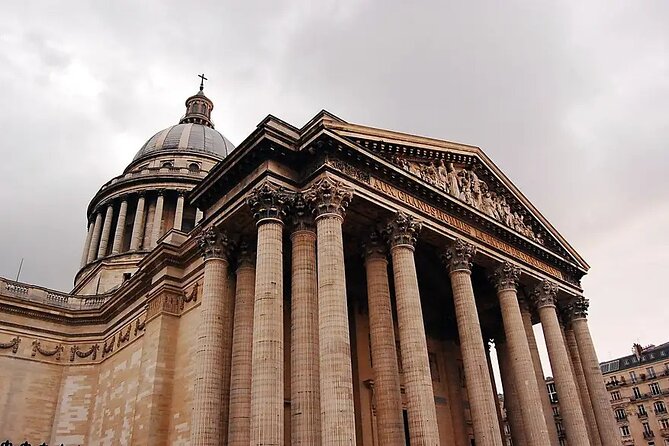
The Arc de Triomphe receives a ten-minute stop. You see the monument and get an introduction to one of Paris’s best-known crossroads. The tour does not include a climb to the rooftop or interior entry.
Next comes the Champs-Élysées, the famous shopping avenue stretching toward the Arc. The stop is not given a fixed duration, which suggests that the guide may adjust the pace depending on your interests and the route. I would not expect a detailed shopping excursion. Think of it as a chance to understand the avenue’s place in the city.
The Eiffel Tower is viewed from the Trocadéro before you walk across the river. This is one of the best ways to appreciate the monument’s full shape from a distance, and the walk gives you more than a quick roadside photograph.
You do not go up the tower. No admission ticket is included. That is perfectly sensible for an orientation tour, but it means you should arrange a separate Eiffel Tower visit if you want the elevators, stairs, or upper-level views.
Latin Quarter streets and the final stop at Notre-Dame
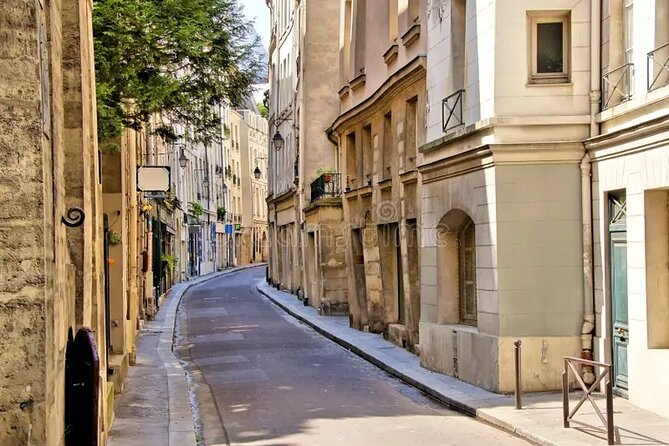
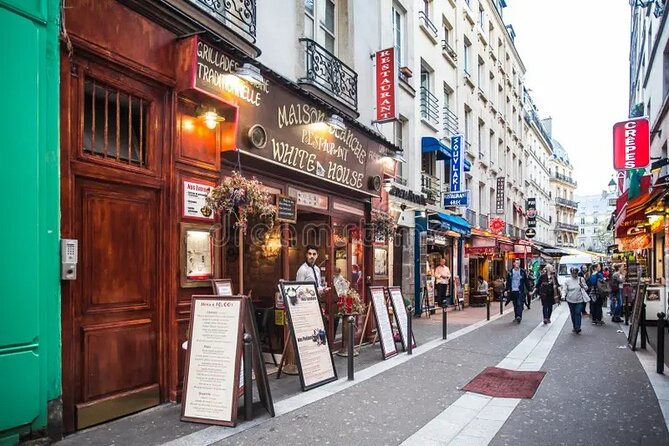
The Latin Quarter gets about 40 minutes, making it one of the longer central Paris sections. You stroll through this historic neighborhood rather than rushing from one monument to the next. This is a good counterweight to the grand avenues and famous façades earlier in the day.
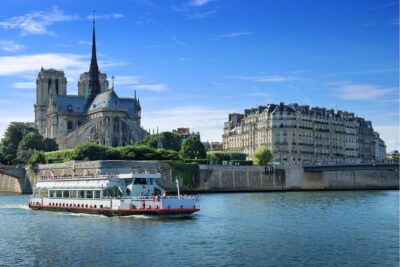
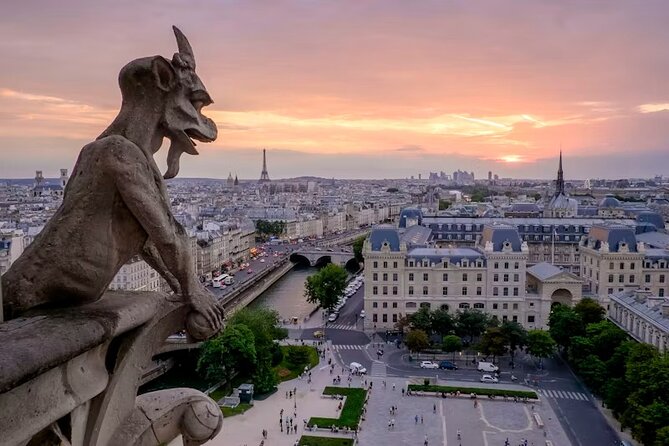
The tour then reaches Notre-Dame Cathedral on the Île de la Cité. You spend about 15 minutes learning about the cathedral and finish outside it. Interior access is not included.
The end point is useful. From Notre-Dame, you are well placed to continue along the Seine, find a meal, or make your own way back. The day closes with one of Paris’s most important landmarks, but you should be clear about the format: this is an exterior visit, not a cathedral entry.
What the private guide adds
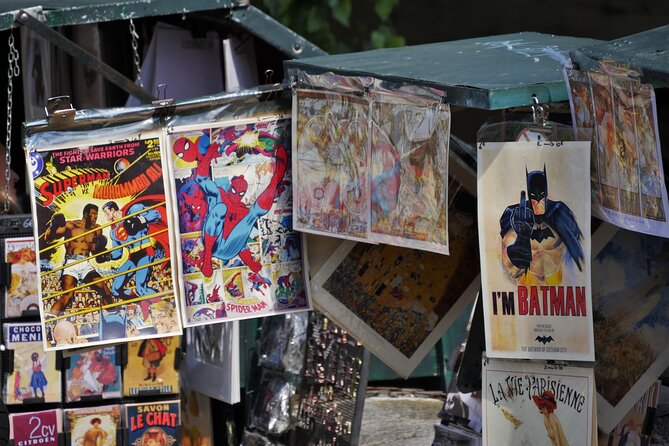
A private guide changes the feel of this route. In a large group, a day with this many stops could become a march from one photo point to another. With a maximum of eight people, you have a better chance to ask why a place matters, pause for a question, or spend less time on a stop that does not interest you.
Guide Ewan is specifically associated with the experience. The available feedback describes him as easygoing, fluent in English and French, and willing to adapt the route. One guest arranged an eight-hour day rather than the standard five and a half hours, while another asked to see less tourist-focused parts of Paris and received a more tailored experience.
Those details are useful, but you should not assume every booking automatically becomes an eight-hour tour or a custom neighborhood tour. Ask about changes when you book. The advertised experience is approximately five hours and 30 minutes, and the listed route focuses heavily on major sights.
Walking, metro costs, and physical demands
The tour is described as a walking experience, but it also uses public transportation. A Mobilis ticket costs €8.40 and is not included. You should have that money ready and expect the guide to direct you to the metro as the day moves between distant areas.
The route starts in Montmartre and ends at Notre-Dame, so it is not a loop. That is helpful if you want to continue sightseeing in central Paris afterward, but it is less convenient if you need to return to your hotel in the north of the city.
A moderate level of fitness is required. Montmartre includes uphill streets and stairs, while the full route adds several hours on foot. Wear comfortable shoes, bring water, and plan a snack because food is not included. The tour does not list a dedicated meal stop.
Service animals are allowed, and the meeting point is near public transportation. Confirmation arrives at booking. The experience depends on good weather, and if poor weather cancels the tour, you are offered another date or a full refund.
Who should book this private Paris tour
I would recommend it most strongly to first-time visitors who want a fast sense of Paris before choosing where to spend the rest of their trip. It also suits families or friend groups that can divide the group price among several people.
This is a good match if you value:
- A private English-language guide
- A broad route across several Paris neighborhoods
- Flexible conversation rather than a fixed lecture
- Exterior views of famous landmarks
- A strong focus on Montmartre and its artists, performers, and film connections
I would be more cautious if your main goal is museum time or interior access. You do not enter the Louvre, go inside Notre-Dame, visit the Moulin Rouge show, or ascend the Eiffel Tower. Buying this tour will not replace tickets for those experiences.
The available three ratings are all 5 out of 5, with special praise for value, flexibility, and Ewan’s personal approach. That is a small sample, so I would treat it as encouraging rather than definitive. Still, the pattern is clear: the tour’s strength is the guide-led overview, not included admissions.
Should you book Le Grand Tour?
Book this tour if you want one private day to connect the dots of Paris, especially if Montmartre is a priority. The combination of artists’ landmarks, cabarets, film sites, major monuments, and neighborhood walking gives you a useful first orientation.
Skip it if you want a slow day, extensive museum visits, or access inside every famous building. At $397.86, the value improves sharply when shared by a full group of eight, and the private format gives you something a standard group tour cannot: a guide who can respond to your interests.
You can cancel for a full refund up to 24 hours before the start time. Cancellations or changes inside 24 hours are not refunded or accepted.
FAQ
How long does the tour last?
The tour lasts approximately five hours and 30 minutes.
How many people can join the private tour?
The group can include up to eight travelers.
Is the tour offered in English?
Yes. The tour is offered in English.
Where does the tour begin?
The meeting point is Anvers, 75018 Paris, France.
Where does the tour end?
The tour ends in front of Notre-Dame Cathedral on the Île de la Cité.
Is public transportation included?
No. Public transportation is not included. A Mobilis ticket costs €8.40.
Are entrance tickets included?
No. Admission tickets to attractions are not included.
Do you go inside the Louvre?
No. The Louvre is viewed from the exterior only.
Do you go up the Eiffel Tower?
No. The Eiffel Tower is viewed from the Trocadéro and from across the river, but the tour does not go up the tower.
Can you enter Notre-Dame Cathedral?
No. Access inside Notre-Dame is not included.
Can you choose a morning or afternoon start?
Yes. You can choose between a morning and an afternoon tour.
What happens if the weather is poor?
If poor weather causes cancellation, you are offered a different date or a full refund.
What is the cancellation policy?
You can cancel at least 24 hours before the start time for a full refund. Cancellations within 24 hours are not refunded.