REVIEW · MONTEPULCIANO
Italian Wine Tasting with Professional Sommelier in Montepulciano
Book on Viator →Operated by Enoteca PerBacco · Bookable on Viator
Montepulciano’s best wine lesson may happen away from the vineyards. At Osteria del Borgo, a professional sommelier leads you from a terrace aperitif into a bottle-lined cellar, comparing Vino Nobile, Brunello, Chianti Classico, and Super Tuscan wines rather than simply pouring glasses and naming grapes. I like the clear regional focus, and I like that the tasting also explains soil, weather, appellation rules, and winemaking choices.
I also like the warm, personal teaching style associated with Francesco, Erica, and Tassos. Their stories make the wines easier to understand, while the cheese, meats, bread, snacks, water, and premium olive oil give you something useful to taste alongside them. The main consideration is that this is a restaurant-based tasting, not a visit with the people who actually produce the wines, so you will not walk through a working vineyard or winery.
In This Review
- Key points to know before you book
- Starting at 4 p.m. on Osteria del Borgo’s terrace
- Moving downstairs to the bottle-lined cellar
- Comparing Montepulciano’s major wines
- Expect a changing lineup, not a fixed seven-bottle script
- Francesco, Erica, and Tassos bring different strengths
- Snacks, olive oil, and the practical value of tasting with food
- What the $83.27 price really buys you
- Who will get the most from this tasting
- Booking, timing, and small practical details
- Should you book the Perbacco tasting?
- FAQ
- Where does the wine tasting begin and end?
- What time does the experience start?
- How long does the wine tasting last?
- How many wines are included?
- Is food included?
- Is the tasting offered in English?
- What is the cancellation policy?
Key points to know before you book
- Seven or more Italian wines: The experience is described as seven wines, while some sessions have included eight or nine, with selections built around Tuscany and other Italian regions.
- A real lesson, not just a pour: You learn how grapes, soil, climate, labeling rules, and production methods affect the wine in your glass.
- Three possible hosts: Francesco, Erica, or Tassos may lead the session, and each brings a different style, from lively storytelling to focused wine instruction.
- Terrace to cellar setting: The afternoon begins with an aperitif at Osteria del Borgo before moving downstairs to a private cellar room.
- Food is part of the value: Water, bread, cheese, cured meats, and other snacks help you compare wine with food instead of tasting on an empty stomach.
- A good fit for curious beginners and serious students: You can ask basic questions, take notes, or use the session to prepare for formal sommelier study.
Starting at 4 p.m. on Osteria del Borgo’s terrace
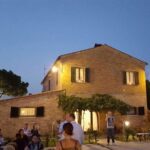
The meeting point is Osteria del Borgo at Via Ricci 5 in Montepulciano’s historic center. The tasting begins at 4 p.m., a useful time for a late-afternoon break after walking the steep streets. You start with an aperitif on the restaurant’s terrace, where the setting gives the experience a sense of place before the formal teaching begins.
The terrace is not just a waiting area. It provides the first view and the first taste of the evening, then sets up the move into the cellar room below. If you are planning dinner at Osteria del Borgo, this timing works well. Several people have stayed on for a meal after the tasting, and the restaurant can turn the wine lesson into a longer food-and-wine evening.
The exact terrace view is not described in detail, so I would not book this solely for a postcard panorama. The setting is part of the appeal, but the real purpose is the guided comparison of Italian wines.
You can also read our reviews of more food & drink experiences in Montepulciano


Moving downstairs to the bottle-lined cellar
After the opening drink, the tasting continues in a cellar room below the restaurant. The room is described as a private bar area lined with bottles, which gives you a more suitable atmosphere for the main lesson than a busy dining room.
This change in setting also helps the session feel like a class. You settle around the wines, snacks, and glasses, then work through the lineup at a measured pace. The advertised duration is about 1 hour and 45 minutes, though some sessions have lasted more than two hours. That extra time can be welcome if you enjoy questions and discussion, but you should not plan a tight appointment immediately afterward.
The group can include up to 25 people. That is a reasonable maximum for a hosted tasting, though the experience can feel very different with ten people or fewer. Smaller sessions have made it easier to ask questions and receive personal recommendations. A full group may be less intimate, but the format is still built around direct explanation rather than a self-guided flight.
Comparing Montepulciano’s major wines
The heart of the tasting is the comparison of important Tuscan styles. You may taste Vino Nobile di Montepulciano, Brunello di Montalcino, Chianti Classico, and Super Tuscan wines, along with examples from other Italian regions.
This is useful because the names can confuse even experienced drinkers. Vino Nobile comes from the Montepulciano area, while Brunello is tied to Montalcino. Both are strongly linked with Sangiovese, yet rules, local conditions, aging requirements, and winemaking choices can lead to very different results.
Chianti Classico offers another point of comparison. Super Tuscans help explain how some producers moved beyond traditional appellation rules, sometimes using grapes or blends that did not fit the older requirements. One session included discussion of how official standards can protect identity but also limit experimentation. That is the kind of detail you can use later when reading a wine label or choosing a bottle in a shop.
The teaching is not limited to a list of tasting notes. You learn about vineyards, climate, microclimates, soil, production methods, bottling, and the people behind smaller estates. One particularly detailed session moved through six Sangiovese variations, showing how the same broad grape family can express itself differently from one place to another.
Climate change has also entered the conversation. The subject matters in Tuscany, where shifts in heat and weather can affect ripening, acidity, harvest timing, and alcohol levels. You will not get a full academic course in viticulture, but you should leave with a clearer sense of why wines from nearby areas do not all taste alike.
Expect a changing lineup, not a fixed seven-bottle script
The official format calls for seven Italian wines. In practice, the number has varied, with sessions featuring seven, eight, or nine bottles. The selection may include a white blend, several Sangiovese-based reds, Amarone, Vinsanto, sparkling wine, or other Italian examples.
That variety is one of the strongest parts of the experience. A tasting of only local red wines would teach you about Montepulciano, but a wider Italian flight gives you a frame of reference. A refreshing white can show why higher acidity works well after a day of walking hills. A sweet Vinsanto with biscotti can demonstrate how dessert wine changes the pace and finish of a tasting.
Because the exact bottles are not specified in advance, you should treat the lineup as a guided selection rather than a guaranteed menu. Wine availability changes, and the sommelier may shape the flight around the group. If you have a particular bottle or producer in mind, ask at the start rather than assuming it will appear.
Francesco, Erica, and Tassos bring different strengths
Francesco is closely associated with the Perbacco Wine Club and is described as a skilled host with a good sense of humor and strong English. His style combines regional knowledge with personal stories, making the material easier to follow if you are new to wine.
Erica is praised for being clear, articulate, and engaging. She is also known for offering useful recommendations, which helps if you want to buy a bottle for dinner or send wine home. Her approach appears suited to people who want a structured lesson without a stiff classroom mood.
Tassos has led several of the longer, more detailed sessions. His presentations cover geography, terroir, appellation standards, weather, grapes, and production methods, with plenty of humor. If you are studying wine formally, the organized comparisons and opportunity to take notes may be especially useful. One person preparing for a Level 2 sommelier test found the session suitable for study.
The host is not guaranteed, so do not book expecting one named person unless the operator confirms it. That said, the recurring strength is the human element. The sommelier does not simply recite facts. The explanations connect wine to local culture, producers, and everyday food.
You can also read our reviews of more wine tours in Montepulciano


Snacks, olive oil, and the practical value of tasting with food
Water and snacks are included, which matters more than it may sound. A lineup of seven to nine wines can become tiring without food and water, especially when you have already spent the day walking Montepulciano’s hills.
The food may include local meats, cheeses, bread, and other small bites. Some sessions have also included biscotti with Vinsanto. The premium extra virgin olive oil gives you another useful comparison, particularly if you care about Italian food beyond wine.
These are not described as a full meal, so arrive expecting substantial tasting snacks rather than dinner. If you want a complete meal, book separately at Osteria del Borgo after the class. Several people have paired the experience with dinner, using the sommelier’s advice to choose both food and wine.
What the $83.27 price really buys you
At $83.27 per person, this is not the cheapest way to drink wine in Tuscany. It is also not merely a flight of small pours. The price includes a hosted lesson lasting about 1 hour and 45 minutes, seven or more wines, snacks, water, and extra virgin olive oil.
The value depends on how you use the session. If you want only a glass of Vino Nobile and a view, a wine bar will cost less. If you want to understand the difference between Tuscan appellations, compare several Italian regions, ask questions, and get buying advice, the cost is easier to justify.
The experience can also save you time. Instead of arranging several winery visits or trying to decode bottles on your own, you get a compact overview in one central location. That is particularly useful for a short stay in Montepulciano.
The Perbacco Wine Club is mentioned during the experience, and the tasting may lead to an invitation to join or order wine for shipment. The sales pitch has been described as good-natured and low pressure, but you should still decide in advance how interested you are in buying wine. The class should be valuable even if you leave without placing an order.
Who will get the most from this tasting
I would choose this for anyone who enjoys wine but wants more than a scenic sip. Beginners can ask simple questions without needing prior knowledge, while serious wine students can take notes and focus on grape, soil, climate, and labeling details.
It is also a good choice for couples and small groups. The class gives you a shared activity before dinner, and the discussion helps prevent the usual problem of ordering an unfamiliar bottle and hoping for the best.
Families can participate, since most people can take part and service animals are allowed. Still, this is an alcohol-focused lesson in a cellar setting, so it may not hold the interest of young children. The maximum group size is 25, and the experience is offered in English.
I would choose a winery visit instead if you want to see vines, barrels, production rooms, or meet the people who make a specific wine. One important limitation is that the sommelier presents wines from different producers rather than hosting you at the producers’ own estates.
Booking, timing, and small practical details
The activity begins and ends at Osteria del Borgo, so there is no separate transport segment to organize. The meeting point is near public transportation, and a mobile ticket is accepted. Confirmation arrives when you book, which is helpful if you are arranging a busy Tuscany itinerary.
The experience is often booked well ahead, with an average lead time of 44 days. That does not guarantee a sellout on your dates, but it is a good reason to reserve early if your Montepulciano visit is fixed.
Free cancellation is available up to 24 hours before the 4 p.m. start time for a full refund. Changes or cancellations made inside that window are not accepted and are not refunded. Use the local time in Montepulciano when calculating the deadline.
Should you book the Perbacco tasting?
Book it if you want a focused introduction to Tuscan wine, especially if you appreciate stories, side-by-side comparisons, and a host who can explain why neighboring regions produce different results. The combination of terrace aperitif, cellar setting, local snacks, and a broad Italian lineup gives you more context than a basic wine flight.
Skip it if your main goal is a working winery visit or a fixed list of famous labels. The number and style of wines can vary, and the session takes place at a restaurant rather than at the vineyards.
For most wine-curious visitors spending time in Montepulciano, I think the value is strong. You leave with a better vocabulary, a clearer sense of Tuscan wine regions, and practical help choosing bottles for dinner or home. Add the restaurant meal if you want to turn a useful afternoon class into a full Montepulciano evening.
FAQ
Where does the wine tasting begin and end?
It begins and ends at Osteria del Borgo, Via Ricci 5, 53045 Montepulciano SI, Italy.
What time does the experience start?
The tasting starts at 4 p.m. local time.
How long does the wine tasting last?
The listed duration is approximately 1 hour and 45 minutes. Some sessions have lasted more than two hours.
How many wines are included?
The experience is described as including seven Italian wines. Some sessions have included eight or nine wines, so the exact number can vary.
Is food included?
Yes. Complimentary water and snacks are included. The food may include items such as local cheese, cured meats, bread, and biscotti, though a full dinner is not part of the stated tasting.
Is the tasting offered in English?
Yes. The experience is offered in English.
What is the cancellation policy?
You can cancel at least 24 hours before the start time for a full refund. Cancellations or changes made less than 24 hours before the experience are not accepted and are not refunded.