REVIEW · MONTEPULCIANO
Cesarine: Small group Pasta and Tiramisu class in Montepulciano
Book on Viator →Operated by Cesarine: Cooking Class · Bookable on Viator
Montepulciano is a fine place to eat Tuscan food, but this class lets you make it in a real local home. You will roll pasta, shape pici or ravioli, prepare tiramisu, and then sit down to eat what you made with wine and snacks. Barbara, Lucrezia, Pietropaolo, and other Cesarine hosts have led especially warm, personal classes.
I like the hands-on format, since you are not simply watching a chef work. I also like the relaxed meal afterward, with bruschette, prosecco, pasta, dessert, and conversation at a family table. The main caution is practical: finding the private home can be hard, so you should confirm the final directions and call the host while en route.
In This Review
- Key Points
- Cooking Tuscan Food in a Montepulciano Home
- What You Make During the Three-Hour Class
- From Bruschette and Prosecco to the Main Meal
- Why the Private-Home Setting Matters
- The Value of $216.48 Per Person
- Getting to the Correct Montepulciano Address
- Who Will Enjoy This Class Most
- What to Know Before You Book
- Should You Book the Montepulciano Pasta Class?
- FAQ
- How long does the Montepulciano pasta and tiramisu class last?
- What food will I make?
- Is the class taught in English?
- Where does the class meet?
- How many people can join the class?
- Can I cancel for a full refund?
Key Points
- Cook three classic recipes: Make fresh pasta, a traditional Tuscan pasta dish, and tiramisu.
- Learn in a private home: The class takes place in a real Montepulciano household rather than a formal cooking school.
- Expect personal instruction: The group is described as small, with a maximum of 12 participants in the class highlights, though the additional information lists up to 15.
- Eat what you prepare: Your meal can include pici, ravioli, seasonal pasta, Tuscan sauce, bruschette, and dessert.
- Wine and conversation are part of the evening: Prosecco, local Tuscan wine, snacks, coffee, and sometimes extras such as limoncello may accompany the meal.
- Plan carefully for arrival: The meeting point is given as Montepulciano, but the exact private-home address may only appear in booking information.
Cooking Tuscan Food in a Montepulciano Home
The best feature here is the setting. You are welcomed into a private home by a Cesarina, the local host who teaches the class and shares family cooking methods. That changes the tone from a standard lesson to a shared meal with someone who knows the food as part of daily life.
You can expect a welcome with prosecco and small nibbles, followed by a typical Tuscan starter such as bruschette. The kitchen becomes your classroom. You work with simple ingredients, fresh dough, and traditional techniques rather than relying on complicated equipment or restaurant-style tricks.
The hosts named in the available feedback include Barbara, Lucrezia, Alberto, Pietropaolo, and Chef Andrea. Your host will depend on the date and assignment. The style may vary from one home to another, but the basic plan remains the same: cook, learn, eat, and talk.
The class is offered in English. That matters in a cooking lesson, where small details make a difference. You need to understand how a dough feels, how thin to roll it, and when a sauce is ready. Several hosts are described as patient and clear, and the instruction is designed for people who may have little kitchen experience.
A few more Montepulciano tours and experiences worth a look


What You Make During the Three-Hour Class
The experience lasts about three hours. That is long enough for real cooking and a full meal, but short enough to fit into a day of sightseeing in southern Tuscany.
The exact recipes can vary with the host and season. The sample menu includes:
- Traditional Tuscan bruschette
- Pici with a classic Tuscan sauce
- Ravioli or another handmade seasonal pasta
- Tiramisu or a traditional Tuscan dessert
- Prosecco, local wine, coffee, and snacks
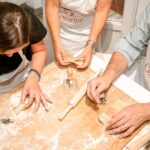
Pici is a particularly good choice for Montepulciano. This thick, hand-rolled Tuscan pasta is rustic and forgiving. You do not need the precision required for delicate filled pasta, and the process gives you a clear feel for how flour and water become something you can cook and eat.
You may also make ravioli or another fresh pasta shape. This adds a different skill: rolling dough thin, portioning filling, sealing the pasta, and handling it without tearing. Some classes include several shapes. One host taught guests pici, gnocchi, and tiramisu, while another class included several pastas and two kinds of pesto.
Tiramisu provides a useful change of pace. After working with flour and dough, you shift to a dessert built through careful layering and timing. The recipe is familiar, but the host can show you the family method and practical touches that rarely appear in a basic recipe card.
The class is not only about producing a meal. You learn how to repeat it at home. Hosts have shared recipes and offered small technique tips, including advice that participants later used in their own kitchens. That is a strong point for anyone who wants a souvenir with more life than a photograph.
From Bruschette and Prosecco to the Main Meal
The opening snack helps set an easy pace. Traditional bruschette and prosecco give you something to enjoy while the host explains the kitchen and begins the lesson. This is also a natural time to ask about ingredients, Tuscan food, and the recipes ahead.
Then the work begins. You should expect to take part rather than stand back. You may mix dough, knead it, roll it, shape it, prepare sauces, and assemble dessert. The host guides the process step by step, so you do not need advanced cooking skills.
That makes this a good choice for couples and families with different levels of confidence in the kitchen. One person can take the lead while the host brings the less experienced cook into the process. The strongest classes described in the available material made a point of including everyone.
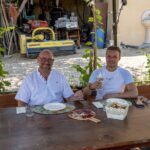
After the cooking, you sit at a prepared table and eat the food you made. In some cases, the meal is more generous than the sample menu suggests. A host named Andrea served a five-course meal that included the handmade dishes and additional food. You should not count on a fixed five-course menu, but the format clearly aims to turn the lesson into a proper shared meal.
Wine is part of the experience, not an afterthought. Local Tuscan wine pairs naturally with pasta and bruschette, and the relaxed meal gives you time to ask about the area. Some hosts also serve coffee or limoncello. These extras vary, so treat them as possible additions rather than guaranteed inclusions.
Why the Private-Home Setting Matters
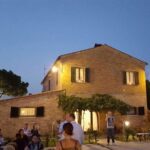
A formal cooking studio can be efficient, but a private home gives you a different kind of contact with Montepulciano. You see how the host organizes a kitchen, prepares a table, and treats food as part of social life.
The home setting also creates room for conversation. You might discuss Tuscan wine, local ingredients, family recipes, food traditions, or places you have visited in the region. One host even showed a guest how to poach eggs after the guest asked, although that technique was not part of the planned class.
That flexibility is one of the experience’s better qualities. The lesson has a basic structure, but it does not seem locked into a script. If you have a food question or want to understand a technique, you can ask while the dough rests or the pasta cooks.
There is also a pleasant sense of hospitality. Hosts such as Barbara are described as welcoming, organized, and generous with their time. Lucrezia and Alberto are noted for their enthusiasm and interest in local food sources and reducing waste. These details make the class feel personal rather than mass-produced.
Still, a home is not a purpose-built school. Counter space, seating, and kitchen layout will vary. The group size is meant to stay small, which helps, but the published details give two different maximums: 12 participants in the highlights and 15 in the general activity information. If a small group is essential for you, confirm the expected size before booking.
The Value of $216.48 Per Person
At $216.48 per person, this is not a bargain cooking lesson. You are paying for more than a recipe demonstration, though. The price covers roughly three hours of instruction, the private-home setting, ingredients, the meal you prepare, wine and snacks, and the host’s time.
The value is strongest if you want an evening that combines food with local contact. A short class followed by a restaurant meal would not provide the same chance to work beside a local cook, ask questions, and learn techniques for use at home.
It is less compelling if you only want a quick pasta lesson or if you are mainly searching for the cheapest meal in Montepulciano. You can find less expensive ways to eat well in Tuscany. This experience earns its price through participation and hospitality.
For a couple, the cost can make sense as a special evening. For a family of five, the total becomes substantial, so you should be sure everyone wants to cook and engage. The excellent overall rating and 98 percent recommendation suggest strong satisfaction, but the two serious arrival problems show that good food does not compensate for a missed class.


Getting to the Correct Montepulciano Address
This is the point where you need to be careful. The stated start point is 53045 Montepulciano, Province of Siena, Italy, and the activity ends back at the meeting point. The class takes place in a private home, so the broad town location is not the same as a clearly marked public attraction.
Some people have arrived late because the directions were misleading. Others could not find the home at all, even after following a GPS pin and trying to reach the host or booking company. One complaint described being sent toward a roundabout, with a closed restaurant and a house under construction nearby.
That is a serious weakness, especially in a hill town where roads and addresses can be confusing. The exact address may be withheld before booking for privacy reasons, while the booking voucher provides the more specific instructions afterward. Read the voucher carefully instead of relying only on the map pin.
I would save the host’s phone number before leaving your hotel or lodging. If you are driving, call while you are actually on the way, not after you have already missed the start time. Allow extra time to reach Montepulciano and get your bearings. The class is near public transportation, but the supplied information does not identify a specific bus stop or route, so you should confirm that part locally.
This is the single most important planning tip for the experience: treat arrival as part of the preparation. A little extra care can prevent the one problem that has caused the most frustration.
Who Will Enjoy This Class Most
I would recommend this class to you if you enjoy food as a way to understand a place. It suits people who want to make something with their hands, eat a generous meal, and spend time in a local home.
It is especially well suited to:
- Couples looking for a memorable Tuscan evening
- Families who want an activity beyond sightseeing
- Beginner cooks who appreciate step-by-step guidance
- Experienced home cooks who want regional techniques
- People interested in recipes they can repeat after returning home
- Anyone who values conversation and a small social setting
You do not need to be an expert cook. The hosts guide each stage, and the recipes are based on straightforward ingredients and familiar methods. At the same time, experienced cooks can still learn useful details about dough, pasta shapes, sauces, and dessert.
This may not suit you if you dislike group activities, do not want to cook during a vacation, or prefer a polished restaurant setting. It is also not ideal if you need a precise, guaranteed menu, since pasta shapes and dessert specialties can change with the host and season.
What to Know Before You Book
The class is often reserved about 70 days ahead. That does not prove every date sells out, but it is a useful warning for anyone planning a Tuscany itinerary around a particular evening. Book early if your schedule is tight.
Confirmation is provided at booking. Check all confirmation material for the final meeting details, host contact, time, and instructions. Since the experience is held in a private home, do not assume the general Montepulciano address is sufficient for navigation.
The experience has a free-cancellation policy up to 24 hours before the start time. If you cancel less than 24 hours ahead, you will not receive a refund, and changes inside that period are not accepted. The local start time controls the cut-off.
A minimum number of participants is required. If the provider cancels because that minimum is not met, you will be offered another date or experience, or a full refund.
The sanitary information says homes provide paper towels and hand sanitizer. It also asks people to maintain one meter of distance, or wear masks and gloves when that is not possible. These instructions may reflect the operating rules in place when the information was published, so check your booking details for current requirements.
Should You Book the Montepulciano Pasta Class?
I would book this if you want a warm, food-centered experience and are willing to handle the practical work of reaching a private home. The strongest reasons are clear: you cook fresh pasta instead of just watching, you learn a dessert you can make again, and you share the finished meal with a local host.
I would not book it casually if you have a packed schedule or cannot tolerate uncertain directions. Contact the host before setting out, keep the phone number ready, and allow extra time. Also confirm the expected group size if the difference between 12 and 15 participants matters to you.
For most visitors who enjoy cooking, the price is justified by the personal setting, meal, wine, and chance to carry Tuscan recipes home. Montepulciano gives you beautiful streets and views, but this class gives you a seat at a local table. That is the reason to choose it.
FAQ
How long does the Montepulciano pasta and tiramisu class last?
The class lasts approximately three hours. It includes hands-on cooking, instruction, and a meal featuring the food you prepare.
What food will I make?
The menu can include fresh pici, ravioli, another seasonal handmade pasta, and tiramisu or a traditional Tuscan dessert. A typical Tuscan appetizer such as bruschette is also included in the sample menu.
Is the class taught in English?
Yes. The experience is offered in English.
Where does the class meet?
The activity starts in Montepulciano at 53045 Montepulciano, Province of Siena, Italy, and ends back at the meeting point. Since it takes place in a private home, check the booking voucher for the specific address and directions.
How many people can join the class?
The highlights describe a maximum of 12 participants, while the additional information lists a maximum of 15 travelers. Confirm the expected group size when booking if this is important to you.
Can I cancel for a full refund?
Yes. You can cancel at least 24 hours before the local start time for a full refund. Cancellations or changes made less than 24 hours before the start time are not refunded or accepted.