REVIEW · MONTEPULCIANO
Tuscan Cooking Class – Traditional 5 course menù
Book on Viator →Operated by Tuscan Cooking Classes by Le Caggiole · Bookable on Viator
The heart of this experience is not simply eating Tuscan food. You help make a full five-course meal, learning seven separate preparations from Giacomo, a chef and trained sommelier, then sit down at a large table to taste the results. The setting is Farmhouse Le Caggiole, with dessert served on the terrace overlooking the Tuscan countryside.
I like the small group of no more than eight, which gives the lesson a personal feel. I also like the food-and-wine pairing: four local wines are matched to the savory courses, turning lunch into a practical lesson in how wine changes the taste of food.
The main consideration is Giacomo’s serious teaching style. He expects punctuality, careful handwashing, and focused participation. This is a structured cooking class, not a casual demonstration where you can sit back and watch.
In This Review
- Key points to know before booking
- A full Tuscan menu at Farmhouse Le Caggiole
- Bruschette and the Tuscan welcome
- Gnocchi and pappardelle from scratch
- Chianina beef and vegetables
- Tiramisu on the terrace
- Four wines and a practical lesson in pairing
- What the teaching style is really like
- The price and what you receive
- Practical details that affect your day
- Who should book this Montepulciano cooking class?
- Should you book it?
- FAQ
- Where does the cooking class take place?
- How long does the experience last?
- What time does it start?
- Does the activity provide transportation?
- What food will I prepare?
- How many courses will I eat?
- Is wine included?
- Is the class taught in English?
- How large is the group?
- What should I wear and bring?
- Can dietary needs be accommodated?
- Can I record the cooking lesson?
- What is the cancellation policy?
Key points to know before booking
- Seven preparations in one class: You work through pasta, sauces, meat, vegetables, bruschette, and tiramisu.
- Chef and sommelier in one: Giacomo teaches both cooking technique and sensible food-and-wine pairings.
- Five courses at the end: You eat what the group has prepared, with generous tastings of four selected local wines.
- A family-run setting: Giacomo, Cristiana, and their family create a welcoming farmhouse atmosphere.
- Active participation required: You will stand during preparation, follow hygiene rules, and wear comfortable shoes.
- Price reflects a full half-day: At $320.48 per person, this suits people who want a serious culinary lesson rather than a quick pasta workshop.
A full Tuscan menu at Farmhouse Le Caggiole
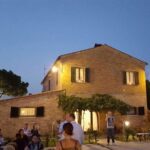
This class takes place at Farmhouse Le Caggiole, at Traversa di Montepulciano, 12, outside Montepulciano. The activity lasts about five hours and ends where it begins. The scheduled start time is 3:00 pm, so punctuality matters from the start.
You are not just shown a finished plate. The class moves through a complete menu, with seven different preparations leading to five courses. That makes the experience useful for home cooks who want to repeat the dishes later, not only remember a pleasant meal in Tuscany.
Giacomo leads the instruction, while Cristiana and, at times, Maria help create the family atmosphere. Past class members have singled out the warm welcome, the quality of the food, and the practical tips that go beyond a single recipe. One particularly useful feature is the advice on choosing ingredients before you begin cooking. You learn what to look for at the market, then how to treat those ingredients once you get home.
The class is conducted in English. Aprons, kitchen tools, and all ingredients are supplied. You can also request a pencil and notepad for taking notes.
You can also read our reviews of more cooking classes in Montepulciano


Bruschette and the Tuscan welcome
The first course is traditional bruschette, served as a typical Tuscan appetizer. This is a simple dish, but it gives Giacomo a chance to show the class how a few basic ingredients depend on proper handling and balance.
That lesson is central to the whole class. Tuscan cooking often relies on restraint rather than a long list of ingredients. You learn to pay attention to the quality of the bread, the treatment of vegetables, the seasoning, and the point at which a dish is ready.
The appetizer also gives the group an early taste of the social side of the experience. The class combines hands-on work with cooking demonstrations, food tasting, and conversation around the table. If you enjoy meeting other people through food, the shared format works well.
Still, do not expect a relaxed cooking show where you remain seated. You are expected to take part, and the preparation period requires you to stay on your feet.
Gnocchi and pappardelle from scratch
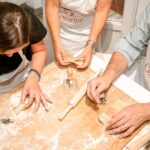
The pasta courses are likely to be the most useful part for many home cooks. The menu includes gnocchi with a traditional sauce and pappardelle with a family sauce. You get two different lessons in texture, shaping, and sauce pairing.
Gnocchi rewards a light touch. Too much handling can make it heavy, so the technique matters as much as the ingredient list. Pappardelle brings a different skill set, including working with the dough and cutting broad ribbons. One experienced home cook found the knife work and pasta techniques especially valuable, while a first-time pasta maker left feeling able to prepare both pasta and sauces at home.
That range is important. You do not need to arrive as an accomplished cook, but you do need to pay attention. Giacomo is demanding because he wants you to reproduce the dishes later. His approach may feel strict if you are hoping for a purely playful afternoon, but it gives the class a clear purpose.
You also learn practical kitchen habits, such as proper whisking and ingredient preparation. These small details transfer well to other recipes. The lesson is not limited to memorizing one family sauce.
Chianina beef and vegetables
The main savory course features Chianina beef with vegetables. Chianina is a traditional Tuscan cattle breed, and its inclusion gives the menu a strong local identity. This is not a generic Italian cooking class with the same dishes you might find anywhere in the country.
The meat course also adds a useful contrast to the pasta. You move from dough and sauce to selecting, preparing, and cooking a substantial main ingredient. The vegetables keep the menu connected to the farmhouse and local produce theme.
Giacomo emphasizes organic, farm-to-table ingredients and explains how to choose good products before cooking. That advice has real value for anyone who wants to make Italian food at home. You are learning the judgment behind the dish, not just the steps.
The class does not promise that every menu can be altered at the last minute. Food allergies and intolerances must be reported before booking, so the team can decide if a dish can be changed. After booking, menu changes cannot be taken into account.
Tiramisu on the terrace
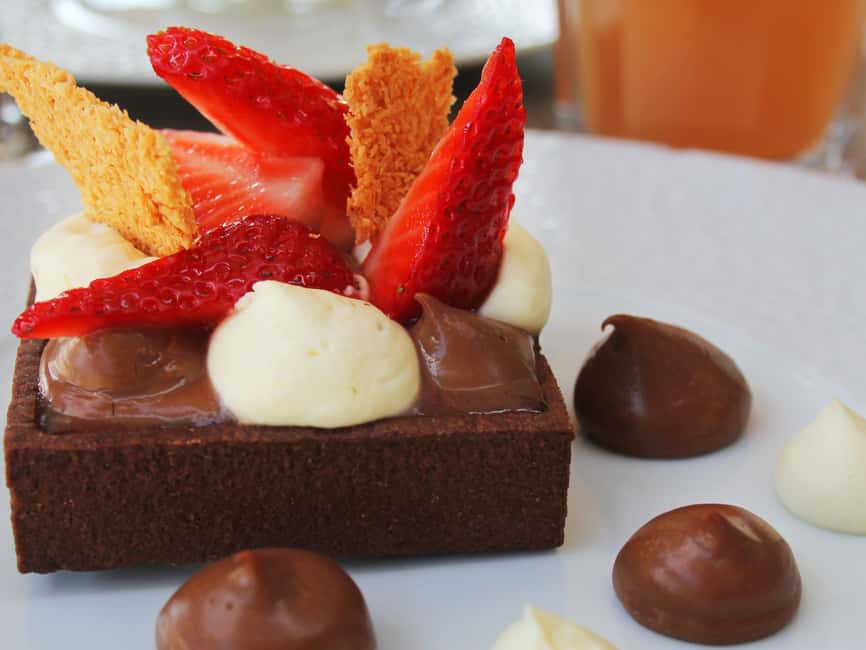
Dessert is tiramisu made from the family recipe. Unlike the other courses, it is not paired with wine. Instead, you finish the meal in a more relaxed setting on the terrace, with views across the Tuscan countryside.
That change of pace helps the five-hour experience end gently. After standing and working through several preparations, you can sit down and enjoy dessert without another technical lesson competing for your attention.
The terrace is also one of the clearest rewards of the location. The farmhouse setting gives the meal a sense of place that a city cooking school cannot easily match. Keep in mind, though, that the views and setting are part of the experience, not a separate sightseeing stop. The only listed stop is Farmhouse Le Caggiole.
A few more Montepulciano tours and experiences worth a look

Four wines and a practical lesson in pairing
Giacomo is also a graded sommelier, so wine is woven into the class rather than added as an afterthought. Four selected local wines accompany the savory dishes, with each pairing chosen for a particular course.
You taste locally produced red and white wines and learn the basics of matching food and wine. This is useful if you often feel unsure about choosing wine for a meal. The focus is not simply on drinking local bottles. It is on noticing how the wine works with the dish.
The wine component adds value to the price because it gives the class two linked subjects: cooking and Tuscan wine. You get to taste the pairings alongside food you helped prepare, which makes the lesson easier to remember.
Alcohol is included, so plan accordingly. The activity does not offer a separate transfer service, and the meeting point is outside Montepulciano at the farmhouse. You need to arrange your own way there and back.
What the teaching style is really like
The strongest praise for this class centers on Giacomo’s technical instruction. People with decades of home cooking experience have still picked up new knife skills, pasta methods, sauce techniques, and ingredient advice. At the same time, beginners have found the class approachable enough to leave with confidence.
That combination is a good sign, but the teaching style is not soft or vague. Giacomo is direct about timing and hygiene. He expects everyone to wash their hands when asked and to stay engaged during preparation. He also makes clear that arriving late affects the whole small group, since the class follows a set schedule.
I would treat the class as a serious workshop with a friendly family setting, rather than a carefree entertainment activity. You can have fun, meet your classmates, and share plenty of food, but you should be ready to follow instructions.
This approach will suit you if you want to learn techniques you can use at home. If you mainly want photographs, a leisurely wine lunch, or a demonstration with little participation, another type of Tuscan food experience may be a better fit.
The price and what you receive
The cost is $320.48 per person. That is a considerable amount for a cooking class, but it includes about five hours of instruction, seven preparations, the complete five-course meal, four wine pairings, ingredients, kitchen tools, and aprons.
The value depends on what you want from the afternoon. If you count it as lunch alone, the price is high. If you count it as a cooking lesson, wine tasting, guided meal, and social experience in a farmhouse setting, it becomes easier to justify.
The most valuable part is the instruction you can carry home. You are not only eating gnocchi, pappardelle, Chianina beef, and tiramisu. You are learning how to select ingredients, handle pasta, prepare sauces, and think about pairings.
The small group helps support that value. With a maximum of eight people, the format is more personal than a large group demonstration. The tradeoff is that the class depends on everyone arriving on time and taking part. A late or disengaged person affects the rhythm for everyone else.
Practical details that affect your day
Wear comfortable clothing and shoes because you remain standing during the preparation. For hygiene reasons, you cannot wear rings, large bracelets, or artificial nails while cooking.
Tell the provider about allergies or food intolerances before completing your booking. The kitchen will assess whether a dish can be changed, but requests made after booking cannot be accepted.
The provider does not offer a transfer or shuttle service. The meeting point is Traversa di Montepulciano, 12, 53045 Montepulciano SI, Italy, and the class returns to that same point.
You receive confirmation when you book. Solo participants should contact the provider before booking so they can be placed into an already scheduled small group when possible. After confirmation, you are asked to send a WhatsApp text with your name, booking date, and email address.
Do not plan on filming the preparation. Video and other recordings are not allowed during the cooking portion. If you want notes, request a pencil and notepad.
The cancellation rule is straightforward: cancel at least 24 hours before the local start time for a full refund. Changes or cancellations inside that window are not accepted or refunded. If the minimum number of people is not reached and the activity is canceled, you are offered another date or experience, or a full refund.
Who should book this Montepulciano cooking class?
I would choose this class if you want to understand Tuscan food rather than simply sample it. It is especially well suited to home cooks, pasta beginners, serious food lovers, and anyone interested in learning how local ingredients and wine work together.
You do not need years of kitchen experience. The class has worked for beginners, and the menu gives you a clear path through several techniques. You do need patience, attention, and a willingness to accept correction.
Couples, solo food enthusiasts, and small groups of friends should all find something useful here. Solo participants should make contact before booking so the provider can fit them into a scheduled small group.
I would hesitate if you dislike structured instruction, cannot stand for several hours, or want a menu adjusted after booking. The no-recording rule may also disappoint anyone hoping to document every step on video.
Should you book it?
Book this experience if you want a substantial Tuscan food lesson with a finished meal, local wine, and a strong sense of family hospitality. The five-course menu is unusually complete, and the teaching can give you skills that remain useful after your trip.
The price is not a bargain, but the package includes much more than lunch. You receive a half-day of instruction, food, wine, equipment, and a small-group setting at a farmhouse near Montepulciano.
Go in prepared to work. Arrive on time, wear practical clothes, report dietary needs before booking, and expect Giacomo to take cooking seriously. If that sounds appealing, this is a worthwhile choice for your time in Tuscany.
FAQ
Where does the cooking class take place?
The class takes place at Farmhouse Le Caggiole, at Traversa di Montepulciano, 12, 53045 Montepulciano SI, Italy.
How long does the experience last?
The cooking class lasts approximately five hours.
What time does it start?
The scheduled start time is 3:00 pm.
Does the activity provide transportation?
No. Transfer and shuttle service are not offered. You must arrange your own transportation to and from the meeting point.
What food will I prepare?
The menu includes traditional bruschette, gnocchi with a traditional sauce, pappardelle with a family sauce, Chianina beef with vegetables, and tiramisu. The full menu involves seven different preparations.
How many courses will I eat?
You will sit down to enjoy a five-course traditional menu prepared during the class.
Is wine included?
Yes. The experience includes tasting four selected local wines with food pairings. The dessert is not paired with wine.
Is the class taught in English?
Yes. The class is offered in English.
How large is the group?
The activity allows a maximum of eight participants.
What should I wear and bring?
Wear comfortable clothes and shoes because you remain standing during preparation. Rings, large bracelets, and artificial nails are not allowed for hygiene reasons. A pencil and notepad can be requested if you want to take notes, and aprons and kitchen tools are provided.
Can dietary needs be accommodated?
You must report food allergies or intolerances before completing the booking. The provider will assess whether a dish can be changed. After booking, menu change requests cannot be considered.
Can I record the cooking lesson?
No. Video and other recordings are not allowed during the preparations.
What is the cancellation policy?
You can cancel at least 24 hours before the experience start time for a full refund. Cancellations or changes made less than 24 hours in advance are not accepted or refunded.