REVIEW · MONTEPULCIANO
Cesarine: Fresh Pasta Class at Local’s Home in Montepulciano
Book on Viator →Bookable on Viator
The best part of this Montepulciano experience is that you cook in a local home, not a restaurant kitchen built for tourists. You make pasta from scratch, learn about Tuscan customs through food, and then sit down to eat what you prepared with regional wine. Adriana is praised for her careful setup and warm welcome, while Morena hosts at a farm house with vineyards, chickens, and a garden.
I like the hands-on cooking and the meal that follows, since your work becomes the centerpiece of lunch or dinner. I also like the small scale, with no more than 10 people, and the chance for a special celebration such as the birthday dinner Morena arranged with candles and a song. The main point to consider is the $207.21 price, which is high for a three-hour class, and the exact host and setting may vary.
In This Review
- Key points at a glance
- Making pasta in a Montepulciano home
- The farm house setting with Morena
- What the three-hour schedule is really worth
- Local wine and the meal you helped prepare
- Adriana, Morena, and the value of a personal host
- Who will enjoy this class most
- Booking, meeting point, and cancellation
- My call: book it for the food and the setting
- FAQ
- Where does the pasta class take place?
- How long does the experience last?
- What will I do during the class?
- Is the class private or shared?
- Is food included?
- Which hosts may lead the experience?
- Where does the activity end?
- Can I cancel for a full refund?
Key points at a glance
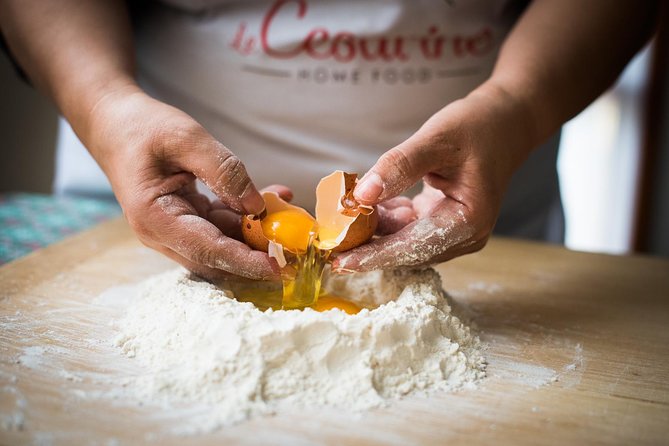
- Fresh pasta in a local home: You prepare Tuscan pasta from the beginning rather than simply watching a demonstration.
- Hosts with different strengths: Adriana is especially organized and welcoming, while Morena’s farm house adds vineyards, garden produce, chickens, and sunset views.
- A meal with local wine: The class ends with a hearty meal made from the pasta and a selection of regional wines.
- Small group size: The activity has a maximum of 10 participants, allowing for more direct help than a large cooking school.
- Three hours in Montepulciano: This is a half-day food experience that fits well around sightseeing in town.
- Flexible cancellation: You can receive a full refund if you cancel at least 24 hours before the start time.
Making pasta in a Montepulciano home
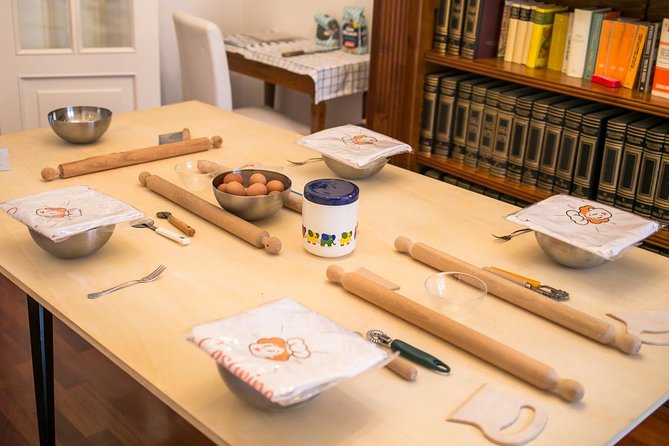
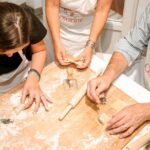
This is a cooking class first and a sightseeing activity second. You go to a local home in Montepulciano, take a place at the cooking station, and learn the basic secrets behind Tuscan pasta. The important distinction is that you are not just watching someone shape dough. You take part in the work.
The class is described as both private and shared, so I would read that as a small, hosted cooking session rather than a fully exclusive appointment for one family. The maximum is 10 people. That is still a manageable number for a practical class, though the amount of one-on-one help can depend on how many people attend.
Expect the lesson to focus on Tuscan pasta dishes and local cooking customs. The supplied details do not name the exact pasta shape or menu, so do not book this expecting a specific recipe unless the operator confirms it ahead of time. The value is in learning the process and eating a proper meal afterward.
Adriana’s class sounds especially well prepared. She has cooking stations and ingredients ready to go, which matters more than it may sound. A cooking class can lose its rhythm when people wait for tools or supplies. Good preparation lets you spend your time mixing, shaping, and learning instead of standing around.
Her warm welcome also matters. Cooking in a private home can feel awkward for the first few minutes, especially if you are not used to working in someone else’s kitchen. A host who makes you feel at ease turns the class into a social meal rather than a technical lesson.
A few more Montepulciano tours and experiences worth a look


The farm house setting with Morena
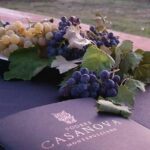
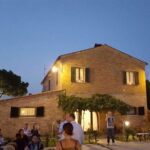
Another version of the experience is hosted by Morena, with an assistant, at a farm house. This setting adds more than a pretty backdrop. You may see vineyards, chickens, and a garden where fresh vegetables are picked to take home. Those details connect the food on your plate to the place around you.
A sunset directly over the vineyard is another special feature of this setting. The timing is not given, so you should not assume every departure includes sunset. If that view matters to you, ask about the start time when booking. Still, the farm house gives the class a stronger country feel than a standard indoor cooking school.
Morena’s hosting also works well for celebrations. She helped mark a birthday with candles and a song. That is a useful clue for couples, families, or friends planning a special meal in Tuscany. You should arrange any celebration details in advance rather than assume they are included, but the host has shown a willingness to make the occasion personal.
The countryside setting may be less convenient than a class in central Montepulciano. The meeting point is listed as Montepulciano, but no separate transfer service or detailed farm transportation is specified. If you are staying in town and do not have a car, confirm the exact meeting instructions before paying. The activity ends back at the meeting point.
What the three-hour schedule is really worth
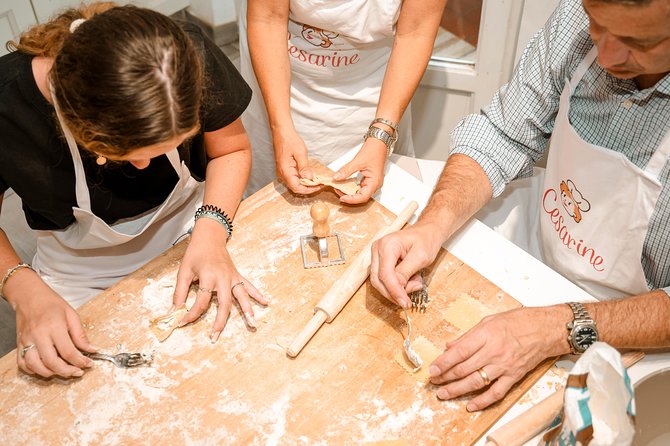
Three hours gives you enough time for a real lesson and a full meal without taking an entire day from your Tuscan plans. That makes this a sensible choice after a morning exploring Montepulciano or before an evening walk through the old town.
The first part is the cooking. You learn about Tuscan pasta while working with the ingredients. The information supplied does not provide a minute-by-minute schedule, so the exact pace will depend on the host, the menu, and the group. You should expect a relaxed half-day rather than a fast demonstration.
The second part is eating. Your pasta becomes part of a hearty meal, served with local wines. This is important when judging the price. You are paying for instruction, ingredients, a host’s time, access to a home, and a meal with wine, not only for a recipe lesson.
At $207.21 per person, the class costs more than a basic pasta workshop. The price makes more sense if you value the home setting, personal attention, wine, and the chance to spend time with a local host. It is less compelling if your only goal is to learn a simple pasta technique as cheaply as possible.
I would compare it with the cost of a good meal and a separate cooking class in the Montepulciano area. If you would otherwise pay for both, this combined format can offer fair value. If you are traveling on a tight food budget, the price deserves careful thought.
Local wine and the meal you helped prepare
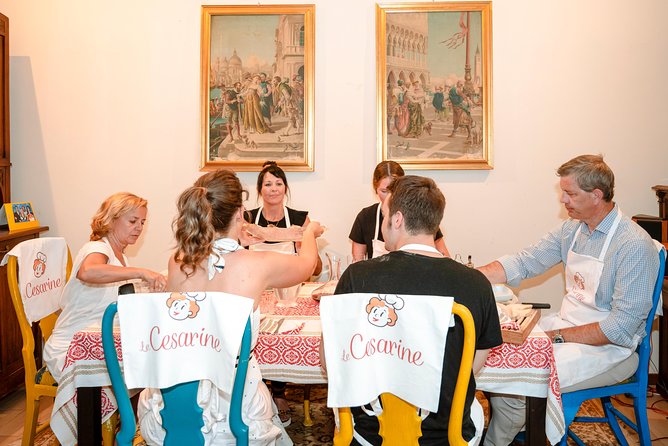
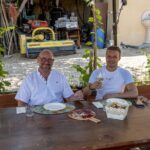
The meal is not an afterthought. It is the payoff for the work at the table. You eat the pasta you made and pair it with a selection of local wines, giving you a more complete taste of Tuscan food than a class that ends with a small sample.
The wine also changes the mood. This is not only a lesson in dough and pasta shapes. It is a chance to sit, talk, and understand how food fits into daily life in Tuscany. The meal makes the class useful for people who want a cultural experience but do not want a formal lecture.
Keep in mind that the supplied information does not identify the wines, number of courses, or dietary options. If you have allergies, avoid certain ingredients, or do not drink alcohol, ask before booking. The listing confirms service animals are allowed, but it does not provide a full accessibility or dietary breakdown.
If you do not drink, the cooking and meal remain the main attractions, but the wine selection is part of the stated offering. Ask whether nonalcoholic alternatives are available if that is important to you.
Adriana, Morena, and the value of a personal host
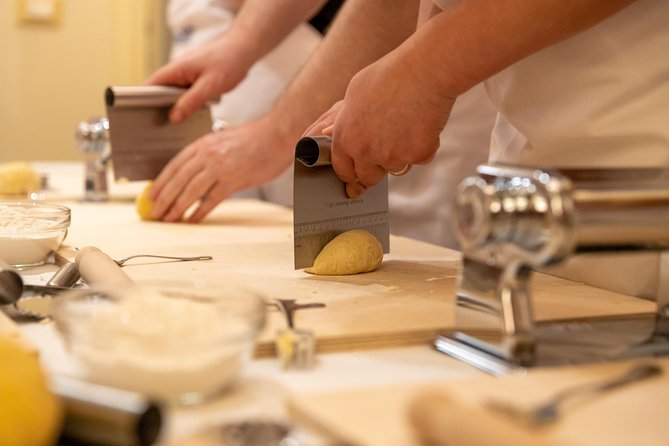
The named hosts give this activity more character than an anonymous cooking school. Adriana is described as a devoted cook who made participants feel welcome and kept the cooking stations and ingredients well organized. That combination is exactly what I want in a class: warmth without chaos.
Morena offers a different kind of appeal. Her farm house, garden, vineyard, and animals make the visit feel tied to the surrounding countryside. Her assistant also helps with the class, which may be useful in a group of up to 10 people.
Because more than one host is involved in the experience, you should not assume you will meet both women. The host, home, and setting can affect the feel of the class. Adriana’s home may suit you if you care most about a smooth cooking lesson. Morena’s farm house may suit you if the setting and a special occasion matter just as much as the pasta.
This variety is a strength, but it also means you should confirm the details you care about. Ask who will host your date, whether the class is at a town home or farm house, and how the meeting point works.


Who will enjoy this class most
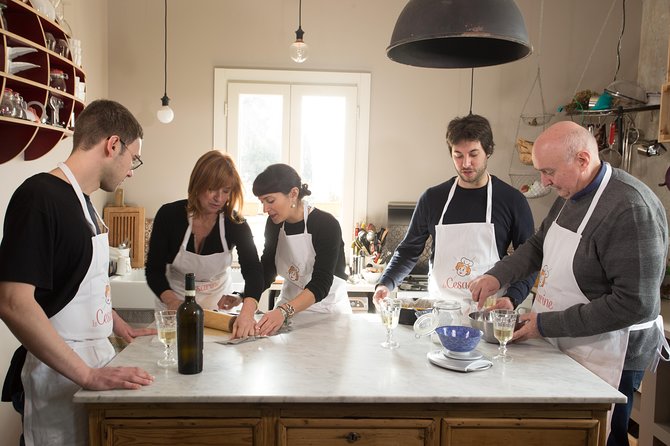
This is a strong choice for food-focused visitors who want to do more than order Tuscan specialties in a restaurant. It also suits couples, families, and friends who enjoy shared activities and want a meal with a personal story behind it.
The class may be especially good for:
- First-time visitors to Tuscany: You get cooking, wine, and local customs in one compact experience.
- Couples celebrating an occasion: Morena’s birthday arrangement shows that special requests may be possible.
- Families and small groups: A maximum of 10 people keeps the class more manageable than a large school.
- Pasta lovers: You spend real time making the food rather than simply tasting it.
- Visitors with a free half-day: Three hours leaves room for other Montepulciano plans.
It may be less suitable if you dislike group activities, want a fully private lesson for only your party, or need a confirmed menu before booking. The description uses private and shared wording, so ask for clarification if exclusivity is important.
You should also consider the practical side of cooking. You will likely be working with your hands and standing or moving around a kitchen, though the provided details do not describe the physical demands in full. If you need specific assistance, contact the operator before booking.
Booking, meeting point, and cancellation
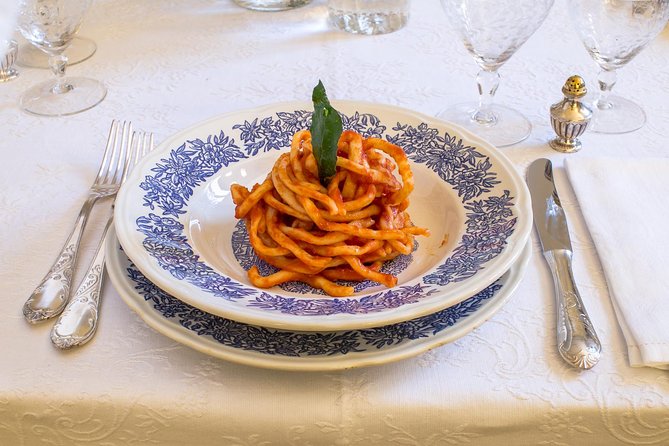
The meeting point is in Montepulciano, and the activity ends at that same meeting point. The information does not give a street address, hotel pickup, or transfer details. You receive confirmation when you book, and the ticket is mobile, so you can keep it on your phone.
The experience is often booked about eight days before the date. That is a useful planning guide, not a rule. If you want a particular host, a birthday arrangement, or a preferred time, booking earlier is sensible.
You can cancel for a full refund up to 24 hours before the start time. Cancellations or changes made within 24 hours are not refunded or accepted. The cut-off uses local Montepulciano time, so keep that in mind if you are booking from another time zone.
Service animals are allowed, and the activity is near public transportation. Those are helpful points, but they do not answer every mobility question. Ask about the home, stairs, seating, and kitchen access if those details affect your decision.
My call: book it for the food and the setting
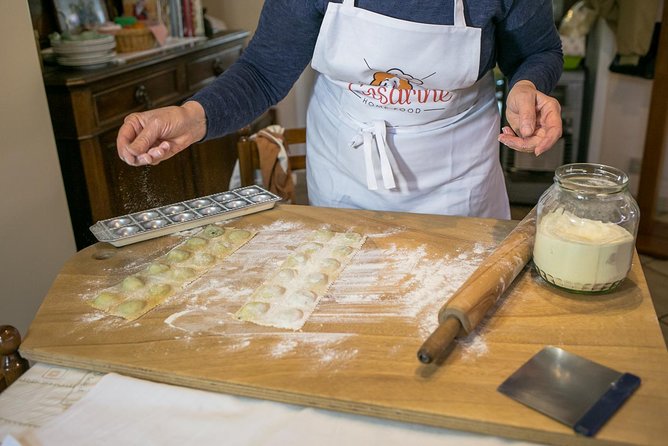
I would book this class if you want a personal Tuscan food experience and are comfortable paying for more than instruction alone. The strongest reasons are the small group, the meal with local wine, and the chance to cook in a real home. Adriana’s organization and Morena’s farm setting add two appealing versions of the same idea.
I would pause before booking if $207.21 feels high, if you need a guaranteed private group, or if you require a fixed menu and detailed accessibility information. Confirm the host, location, transportation, menu, and dietary arrangements first.
For a special occasion, the farm house and vineyard sunset could make the price easier to justify. For a casual lesson, Adriana’s well-prepared cooking setup may be the better match. Either way, this is aimed at people who want to remember Montepulciano through a meal they helped make, not just through another photograph of the town.
FAQ
Where does the pasta class take place?
The experience takes place in a local home in Montepulciano, Tuscany. One version is hosted at a farm house with vineyards, chickens, and a garden.
How long does the experience last?
The class lasts approximately three hours.
What will I do during the class?
You will make fresh pasta from scratch and learn about Tuscan pasta dishes, food, and customs.
Is the class private or shared?
The experience is described as both private and shared. It has a maximum of 10 participants, so you should confirm the exact group arrangement when booking.
Is food included?
Yes. The meal includes the pasta you prepare, a hearty meal, and a selection of local wines.
Which hosts may lead the experience?
The named hosts are Adriana and Morena. Adriana is associated with an organized home cooking setup, while Morena hosts at a farm house with an assistant.
Where does the activity end?
The activity ends back at the meeting point in Montepulciano.
Can I cancel for a full refund?
Yes. You must cancel at least 24 hours before the experience start time for a full refund. Cancellations or changes made less than 24 hours before the start are not accepted or refunded.