REVIEW · MONTEPULCIANO
Tuscan ExtraVirgin Olive Oil Tour
Book on Viator →Operated by Valdichiana Living · Bookable on Viator
The best part of this Montepulciano outing is that it takes olive oil seriously. You do not simply drizzle it over bread and move on. You learn how to judge color, fragrance, and flavor, then see how the oil reaches the bottle at a producing oil mill. The lesson may also include a video showing the machinery at work.
I like the practical tasting class, especially the chance to compare three olive oil varieties rather than sample one and call it a day. I also like the generous meal, built around Tuscan dishes and the oils you have just learned to assess, with wine included.
The main consideration is that this is not a farm visit in the usual sense. The mill machinery and production process are the focus, and the olive groves themselves may not be part of the route. If you want hands-on time among the trees, ask before booking.
In This Review
- Key points to know before booking
- Why this olive oil lesson is worth your time
- Meeting at Piazza Grande in Montepulciano
- Learning to read color, fragrance, and flavor
- Visiting the oil mill and seeing the production process
- Tasting at the mill or an olive oil shop
- A Tuscan lunch built around olive oil
- What the $149.23 price includes in practical terms
- Who will enjoy this Montepulciano activity most
- Timing, cancellation, and planning notes
- Should you book the Tuscan Extra Virgin Olive Oil Tour?
- FAQ
- Where does the tour begin?
- What time does the tour start?
- How long does the activity last?
- Where does the tour end?
- How much does the tour cost?
- How many people can join the tour?
- What will I taste during the activity?
- Can I cancel for a refund?
Key points to know before booking
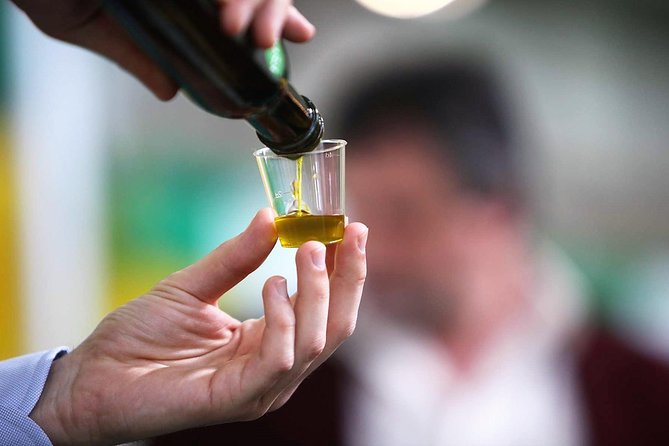
- Taste before you judge: Learn to identify oil through color, aroma, and flavor instead of relying on a fancy bottle or a high price.
- Visit a producing mill: See the machinery and the farm-to-table process, with a video available to show the press in operation.
- Expect a substantial meal: The final lunch includes typical Tuscan dishes, wine, and food chosen to show how olive oil changes a meal.
- Small group format: The maximum group size is 16, which suits a lesson better than a large coach outing.
- Plan for late October if possible: Olive production may be active then, giving you a better chance of seeing the process in action.
- Meet in central Montepulciano: The tour begins and ends at Valdichiana Living, Piazza Grande, at 11:30 a.m.
Why this olive oil lesson is worth your time
Tuscan olive oil is easy to treat as a souvenir. You see the dark bottles, the countryside labels, and the words extra virgin, then choose by instinct. This class gives you a better method.
The focus is on Terre di Siena DOP and Toscano IGP oils, two protected Tuscan designations. You learn that quality is not just a matter of color. The scent and taste matter more, and the differences become clearer when several oils are placed side by side.
I like this kind of class because it gives you a skill you can use after the trip. You can taste an oil at a restaurant, shop for a bottle with more confidence, and pair it with food instead of treating every oil as interchangeable.
The three-hour format also makes sense. It is long enough for a lesson, a visit to the mill, tastings, and lunch, but short enough to fit into a day based in Montepulciano. Since the start time is 11:30 a.m., the schedule naturally leads into lunch rather than asking you to eat early and then sit through a long afternoon program.
You can also read our reviews of more tours and experiences in Montepulciano.


Meeting at Piazza Grande in Montepulciano
You begin at Valdichiana Living, Piazza Grande, 7, in Montepulciano. This is the stated meeting point, and the activity returns there at the end.
That central start is useful if you are already sightseeing in Montepulciano. You do not need to build the day around a distant meeting location based on the information provided. Still, allow enough time to find Piazza Grande and arrive before the 11:30 a.m. start.
The booking includes a mobile ticket, so you can keep the confirmation on your phone. Confirmation is provided when you book. The group is limited to 16 people, a reasonable size for a tasting where everyone needs to hear the explanation and have room to compare samples.
No guide name is provided for this activity. You will be led by an olive oil expert, and the class is designed to move step by step through the basics rather than assume you already know how to taste professionally.
Learning to read color, fragrance, and flavor
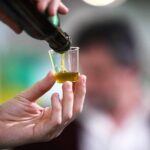
The lesson begins with the basic senses. You look at the oil, smell it, and taste it. That sounds simple, but the order matters because a strong label or an appealing bottle can influence your expectations before the first sip.
You are taught to consider the oil’s organoleptic qualities, meaning the qualities you detect through your senses. Color is part of the observation, but fragrance and flavor help you form a more useful judgment. The point is not to memorize a list of grand tasting terms. It is to notice the character of each oil and understand what makes one work better with a particular dish.
The class is intended for beginners. Most people can take part, and no special background in food or wine is required according to the booking information. The expert guides you through the process, then gives you a chance to test what you have learned.
I would pay close attention to the tasting order and to the food pairings. Those details are more useful than simply asking which oil is the best. A mild oil may suit one dish, while a stronger one may be better with hearty Tuscan food. The class helps you think in terms of balance.
Visiting the oil mill and seeing the production process
After the tasting lesson, you visit an oil mill producing extra virgin olive oil. The mill visit adds an important piece to the class. Without it, the outing would be a pleasant food tasting. With it, you get a clearer picture of the work behind the bottle.
The machinery tour has been described as interesting, and a video of the equipment in operation may be used to show how the press works. That is especially helpful if the mill is not processing olives during your visit. You can see the equipment and understand its role even when the machines are quiet.
There is one point to keep in mind. The program is about the mill, not necessarily the olive farm. If your main goal is to walk through an olive grove or watch olives being picked from the trees, this may not fully match your hopes. The most useful version of the tour is for someone who wants the production story from fruit to oil, with the machinery as the main visual feature.
Timing can make a difference. Late October is suggested as the best period to catch olive production in action. That does not guarantee that you will see every step running, but the harvest season gives the visit a better chance of feeling connected to current production.
Tasting at the mill or an olive oil shop
The class may take place at the frantoio, the Italian word for an olive press, or at a wine and olive oil shop. The exact setting can shape the mood.
At a mill, you get a stronger connection to production. At a shop, the lesson may feel more like a focused food class, with bottles and products close at hand. The stated program can include tastings at two different locations, so the outing is not always limited to one room or one sample table.
One stop called Fracoio Buraschi has been singled out as a particularly memorable part of the visit, with a tasting followed by a meal of typical Tuscan dishes. The setting and exact order may vary, so I would not assume every departure follows the same sequence. The key point is that the tour can include more than one tasting location.
You may also have time to shop at the factory store. That is useful if you find an oil you genuinely like, but do not feel pressured to buy simply because you are standing beside the production line. The lesson should help you choose based on taste and intended use.


A Tuscan lunch built around olive oil
The meal is a major part of the value. You are served a special menu designed to show off the oil, with a selection of local products and dishes. Typical Tuscan food is used to make the tasting practical rather than abstract.
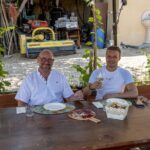
Expect a generous lunch. The meal has been described as plentiful, with wine included. Arrive hungry, since this is not a token plate of snacks between tastings. The food is intended to turn the lesson into a full midday outing.
That format works well because olive oil makes the most sense at the table. You can taste it alone, but you understand it better when it is placed with bread, vegetables, meats, or other regional dishes. The meal lets you try different combinations and see how a stronger or lighter oil changes the bite.
The lunch may be the best reason to choose this tour over a short tasting at a shop. A basic tasting can teach you the differences between oils. This outing adds a proper meal, wine, and a chance to use your new knowledge immediately.
There is a tradeoff. If you are looking for a quick educational stop, three hours with a full meal may feel too long. If you enjoy food-focused tours, the length is easier to justify because the lunch is part of the teaching rather than an unrelated add-on.
What the $149.23 price includes in practical terms
At $149.23 per person, this is not a budget tasting. The value depends on how much of the program you use.
You are paying for a guided lesson, a visit to a producing mill, olive oil tastings, and a substantial Tuscan meal with wine. The group size is capped at 16, which gives the class a more personal scale than a large organized food stop. The combination makes the price easier to defend for someone who wants both education and lunch.
It is less compelling if you only want to sample oil and leave. A shop tasting would likely be a better fit for a brief introduction, though no separate shop price is provided here. This tour earns its cost through the added mill visit, the instruction, and the food.
The tour is booked an average of 72 days in advance. That suggests you should not wait until the day before if your Montepulciano schedule is fixed. It may also reflect limited departures or seasonal interest, so early planning is sensible.
The strongest value comes when you approach the tour as a meal plus a class. Think of it as a half-day food activity, not a quick tasting with a few crackers.
Who will enjoy this Montepulciano activity most
I would recommend this outing to anyone who enjoys regional food and wants more than a postcard view of Tuscany. It suits couples, small groups, and solo visitors who like learning through tasting.
It is also a good choice for wine enthusiasts who want to add olive oil to their food vocabulary. Wine and oil are both central to Tuscan meals, and the program links them naturally through lunch and shop visits.
Families may also find the format approachable because the lesson is practical. Most people can participate, and the maximum group is 16. Still, the activity is built around tasting and a long meal, so children who do not enjoy food lessons may find the pace slow.
You should think twice if you want outdoor scenery, a working farm visit, or a harvest walk. The information promises an oil mill, not a tour of the groves. It also does not name a particular guide, so you should book for the subject and format rather than for a personality-led tour.
Timing, cancellation, and planning notes
The activity starts at 11:30 a.m. and lasts about three hours. It ends back at Valdichiana Living in Montepulciano, which makes it easier to continue sightseeing afterward.
Free cancellation is available when you cancel at least 24 hours before the local start time. Cancellations made less than 24 hours before the start are not refunded, and changes inside that window are not accepted.
The tour requires a minimum number of participants. If that minimum is not reached and the activity is canceled, you are offered another date or experience, or a full refund.
The listed maximum is 16 people. Most people can participate, but the supplied information does not give further accessibility details. If you have a specific mobility, dietary, or seating need, ask Valdichiana Living before booking rather than assuming the lunch or mill layout will suit you.
Should you book the Tuscan Extra Virgin Olive Oil Tour?
Book it if you want a food-centered half-day that combines instruction, production, tasting, and a full Tuscan meal. The lesson gives you a useful way to judge olive oil, while the mill visit shows where the product comes from. The lunch and wine make the price more reasonable for anyone who would otherwise pay separately for a good midday meal.
Try to schedule it in late October if seeing active olive production matters to you. That is the best seasonal tip available, though it is not a guarantee.
Skip it if your ideal outing is an olive grove walk or a short, inexpensive tasting. The machinery and table experience are the heart of the program. For the right audience, especially food lovers who want to understand the farm-to-plate chain, this is one of the more useful culinary activities you can add to a Montepulciano stay.
FAQ
Where does the tour begin?
The tour begins at Valdichiana Living, Piazza Grande, 7, 53045 Montepulciano, Italy.
What time does the tour start?
The scheduled start time is 11:30 a.m.
How long does the activity last?
The activity lasts approximately three hours.
Where does the tour end?
The activity ends back at the meeting point at Valdichiana Living.
How much does the tour cost?
The listed price is $149.23 per person.
How many people can join the tour?
The maximum group size is 16 people.
What will I taste during the activity?
You will taste Tuscan extra virgin olive oils, including three different varieties, and enjoy wine with a menu of typical Tuscan dishes.
Can I cancel for a refund?
Yes. You can cancel up to 24 hours before the local start time for a full refund. Cancellations made less than 24 hours before the start are not refunded.