REVIEW · MONTEPULCIANO
Vino Nobile di Montepulciano Wine Tour – Meet the producers
Book on Viator →Operated by Valdichiana Living · Bookable on Viator
Montepulciano’s best wine experience may be found beyond the town walls, where two working wineries open their cellars and vineyards to you. A driver collects you at Piazza Grande and carries you into the hills, where the people making Vino Nobile explain their grapes, methods, and family stories. I like the direct contact with producers, and I like that you can taste without worrying about driving the winding roads back to town. The main catch is important: this is transportation to two wineries, not a tour led by one guide.
I especially like the contrast between the small, homey family cellar and the more polished producer some bookings visit. That difference lets you see how the same wine region can work on two very different scales. You also receive a tasting glass and carrier to take home. Just keep your expectations clear: the driver may be a taxi driver, while winery staff handle the explanations and tastings.
In This Review
- Key points to know before you book
- Leaving Piazza Grande for Montepulciano’s wine country
- Two producers, two ways to make Vino Nobile
- Meeting Sangiovese in the vineyard
- What the tasting feels like at each stop
- Why the private format matters
- The driver and the guide question
- Who will enjoy this Montepulciano wine tour?
- Timing, booking, and practical value
- Should you book the Vino Nobile experience?
- FAQ
- Where does the Vino Nobile wine tour begin?
- Where does the tour end?
- How long does the experience last?
- Is a tour guide included?
- Which wines will I taste?
- Is the tour private?
- Can I cancel for a full refund?
Key points to know before you book
- Two wineries in about three and a half hours: You visit producers outside Montepulciano rather than staying in the town’s wine shops and cellars.
- Winery staff lead the tastings: Expect their stories, production details, and wine explanations, but do not expect a dedicated tour guide to accompany you between stops.
- Sangiovese takes center stage: You’ll look at the grapes behind Vino Nobile and taste Vino Nobile di Montepulciano and Rosso di Montepulciano DOC.
- Private group travel: Only your group participates, which can make the short visits feel more personal.
- Round-trip transport from Piazza Grande: The driver removes the need for a designated driver on rural roads.
- A useful keepsake: The souvenir wine glass and glass carrier are included, a practical touch for anyone planning to keep tasting in Tuscany.
Leaving Piazza Grande for Montepulciano’s wine country
The experience begins at Valdichiana Living, Piazza Grande 7, in the center of Montepulciano. This is a convenient starting point if you are already exploring the historic town, but plan your arrival carefully. The activity returns to the same meeting point, so you are not left at a distant cellar or vineyard.
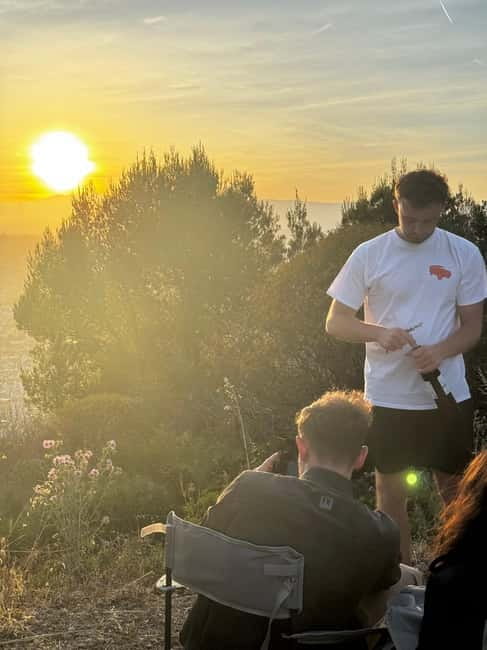
The drive is part of the appeal. Montepulciano’s wine country is made for slow roads, rolling Tuscan hills, and scattered vineyards. You get to look around instead of watching the road, and you can taste freely at both stops. That practical benefit matters more than it sounds, especially if you are sampling several wines.
The outing lasts about three hours and 30 minutes. That is long enough for two winery visits, but not so long that wine tasting takes over your entire day. You can fit it between other Montepulciano plans, though you should avoid scheduling another fixed activity immediately afterward. Winery visits can run at a relaxed pace, and the drive between properties takes time.
The tour is offered in English. Since the winery staff lead the visits, the exact style of explanation may vary from one property to the next. One host may focus on family traditions and vineyard work, while another may speak more about organic methods, cellar practice, or the business side of producing wine.
You can also read our reviews of more wine tours in Montepulciano


Two producers, two ways to make Vino Nobile
The strongest part of the outing is the contrast between the two wineries. A small family-run property can feel personal and informal, with the people behind the bottles explaining what they do in a setting that still feels close to home. A larger and more professional operation may offer a more organized presentation and a different view of how Vino Nobile reaches the market.
That contrast gives you more than two similar tastings. It shows you that Montepulciano’s wine culture is not one single experience. Some producers work on a modest scale, while others have more polished facilities and a broader production approach. If you care about how wine is made, this comparison is worth the time.
The visits include stories about the producers, their production methods, and the ideas behind each bottle. You may hear how weather affects a vintage, what makes one harvest difficult, or why a producer chooses a particular cellar practice. This is where the experience can feel more human than simply ordering a flight at a wine bar.
There is one limitation. The producer you meet at each stop can vary, and the quality of the presentation may not be identical. A small family winery might offer a warm, personal welcome, while another host may be harder to understand or less available during the visit. One booking included a 15 to 20 minute wait at the second winery while the host finished other duties, followed by interruptions during the tasting.
That does not make the format poor, but it does make it less predictable than a fully guided wine tour. You are visiting active wineries, not staged museum exhibits. The people working there may need to handle other tasks. If you prefer a tightly timed presentation with one expert guiding every moment, choose a different type of experience.
Meeting Sangiovese in the vineyard
Vino Nobile di Montepulciano depends heavily on Sangiovese, the classic red grape of central Tuscany. On this outing, you get a close look at a vineyard of Sangiovese grapes and learn to connect the growing plant with the wine in your glass.
That connection is valuable. It is easy to think of wine as something that begins in a bottle, but a vineyard visit reminds you that weather, soil, harvest timing, and cellar decisions all shape the final result. The discussions can help you notice why two wines from the same general area may taste different.
The tasting focuses on two local labels:
- Vino Nobile di Montepulciano: The region’s better-known red, made in the Montepulciano area.
- Rosso di Montepulciano DOC: A second local style that gives you a useful comparison with Vino Nobile.
The supplied tasting selection names these wines, but the exact number of pours can vary. One particularly generous visit included seven wines in total, while the formal experience centers on Vino Nobile and Rosso di Montepulciano. Do not book solely on the promise of seven tastings, but do expect enough wine to compare the producers and styles.
The best way to approach the tasting is to ask questions. You can ask what makes the wines different, how the vintage has been affected by weather, and which bottle best represents the producer. Since the staff at the wineries lead the tastings, you may get answers that are specific to that estate rather than broad regional talking points.
What the tasting feels like at each stop
At the first winery, you might find a smaller family setting with a relaxed atmosphere. This type of visit can be especially satisfying if you want to meet the people behind the wine rather than move through a large commercial cellar. The setting may be simple, but that can be part of its charm.
The second winery may feel more established and professional. That change of pace can be useful because it lets you compare not just wines, but also presentation, scale, and business style. One booking included a newer producer whose organic and biodynamic wines made a strong impression during a personal tasting.
The tastings are not limited to a quick sip and a sales pitch. The stated focus is on the producer’s story, methods, and philosophy, followed by help recognizing the character of the wines. Still, the experience depends on the staff member available at each winery. Some visits may feel intimate and generous, while others may be more functional.
Food may also be offered at a winery, but it is not clearly guaranteed as part of the stated menu. One booking included delicious food alongside the wine. Treat that as a possible bonus rather than a promised course, and eat something beforehand if you need a full meal.
A souvenir tasting glass and glass carrier are included. This is a small but welcome detail. The carrier protects the glass on the way back to your hotel, and the glass gives you a tangible reminder of the outing rather than another paper brochure.
Why the private format matters
This is a private activity, meaning only your own group participates. That gives you more control than a large shared bus tour. You can ask questions at your own pace, discuss the differences between bottles, and enjoy a quieter visit with your companions.
The private format also explains part of the price. At $192.67 per person, this is not a cheap tasting. You are paying for round-trip transport, two winery visits, producer-led tastings, and a private arrangement rather than only a glass of wine in town.
Value depends on your plans. If you have no car and want to visit rural wineries safely, the transport solves a real problem. A private ride to two producers would otherwise require arranging a driver or taxi service separately, with less certainty about the winery appointments. If you are already staying in town and only want to taste local wines, Montepulciano’s cellar bars may cost less and require less time.
The tour is also a good fit for a couple or small group that values personal space. One booking became a private outing for two, with the driver taking the pair between two family-owned wineries. That setup can feel special without the rigid pace of a large coach.


The driver and the guide question
You should understand this distinction before paying. The included transport is provided from Montepulciano to the wineries and back, but a dedicated tour guide is not included. Your driver may be a taxi driver, such as Alfonso, who can be praised for friendly and capable service, but the driver is not necessarily the person explaining the wines.
The winery staff conduct the cellar visits and tastings. At one property, Alessandro gave a personal tasting of organic and biodynamic wines. At another, the host explained the winery’s work and the challenges caused by the year’s weather.
This arrangement has a clear advantage: the producer or winery representative can speak directly about the wines made on site. The drawback is that you do not have one consistent guide connecting the two visits or translating every detail into a broader story about Montepulciano.
If you want a guide with you from the first meeting point to the final return, this is not the right product. If you are happy to let the wineries tell their own stories and simply need safe, convenient transport, the arrangement makes sense.
Who will enjoy this Montepulciano wine tour?
I would recommend it most strongly to:
- Couples and small private groups who want rural winery visits without renting a car.
- Wine drinkers who want to compare two producers rather than taste only in town.
- First-time visitors who have just a few hours available in Montepulciano.
- People interested in Sangiovese, Vino Nobile, and Rosso di Montepulciano.
- Anyone who values direct contact with producers and does not require a professional guide.
You may want to skip it if you mainly want a formal lesson about Tuscan wine, a single expert guide, or a carefully controlled schedule. You may also prefer town-based tastings if walking between cellars is more important to you than seeing vineyards and rural wineries.
The English-language format works well for most English-speaking visitors, but individual hosts may have different accents and presentation styles. If clear, detailed English instruction is your top priority, keep that variation in mind.
Timing, booking, and practical value
The experience is commonly booked well ahead, with an average lead time of about 63 days. That suggests you should reserve early if your Montepulciano dates are fixed, especially if you want a particular morning or afternoon.
Confirmation arrives when you book, and you receive a mobile ticket. Most people can participate, and the activity returns to the starting point at Piazza Grande. The price is $192.67 per person, and free cancellation is available up to 24 hours before the start time. Changes or cancellations inside that window are not accepted for a refund.
The activity requires a minimum number of participants. If that minimum is not met and the outing is canceled, you are offered another date or experience, or a full refund. That is worth knowing before you build a tight travel schedule around the booking.
Bring a phone with the ticket ready, wear something comfortable for winery visits, and leave room in your day for an unhurried tasting. Most importantly, do not plan to drive afterward. The included return transport lets you enjoy the wine without that worry.
Should you book the Vino Nobile experience?
Book it if you want two genuine winery settings, a look at Sangiovese vineyards, and transport from Montepulciano without organizing a car or private driver yourself. The family-run and larger-producer contrast can make the short outing feel varied, and the private format is a real benefit for couples and small groups.
Think twice if the word tour makes you expect a personal guide for the full three and a half hours. This is best understood as a private transport service paired with winery-led visits. The quality of the welcome can vary, and one stop may be slower or less polished than the other.
For a visitor with limited time who wants to get beyond Montepulciano’s central wine shops, I find the format worthwhile. For a serious wine student seeking a structured class, spend your money on a guided wine specialist instead. Know which experience you are booking, and this can be a pleasant, practical way to meet the people behind Vino Nobile.
FAQ
Where does the Vino Nobile wine tour begin?
It begins at Valdichiana Living, Piazza Grande 7, 53045 Montepulciano, Italy.
Where does the tour end?
The activity ends back at the meeting point in Piazza Grande.
How long does the experience last?
The tour lasts approximately three hours and 30 minutes.
Is a tour guide included?
A dedicated tour guide is not included. A driver provides transportation, while staff at the two wineries lead the visits and tastings.
Which wines will I taste?
The stated tasting includes Vino Nobile di Montepulciano and Rosso di Montepulciano DOC. The exact number of wines can vary, with one visit including seven wines.
Is the tour private?
Yes. Only your group participates in the activity.
Can I cancel for a full refund?
Yes, if you cancel at least 24 hours before the experience start time. Cancellations or changes made less than 24 hours in advance are not refunded or accepted.