REVIEW · LYON
Storytelling tour of Croix-Rousse in French
Book on GetYourGuide →Operated by Cybèle · Bookable on GetYourGuide
Croix-Rousse turns streets into a stage. In a French-only 90-minute experience, you follow an actor-guide who tells the canut uprising through characters and places, so history feels like something you can walk through.
Two things I really like: the professional actor approach (you can tell the guide is doing craft, not just reciting facts), and the way the story uses real neighborhood features like the traboules instead of generic “look over there” stops.
One consideration before you book: this route includes many stairs. It’s uphill and stair-heavy, so it’s not a great fit if stairs are an issue for you, and the tour isn’t suitable for kids under 10.
In This Review
- Key highlights you’ll feel right away
- Croix-Rousse on foot: why this storytelling format works
- Price and time value at $23 for 90 minutes
- Meeting point on the esplanade: finding the Cybèle badge
- The 90-minute route: hill slopes, traboules, and lots of steps
- The canuts revolt 1831, told through Jerome Roquet and Tony
- How the silk factory worked, explained the way it would have mattered
- Traboules: more than a photo stop
- Guides that bring it to life: actor craft you can feel
- Who should book this Croix-Rousse storytelling tour
- Practical tips so you don’t get stuck mid-story
- Should you book this tour or skip it?
- FAQ
- What language is the tour in?
- How long is the Croix-Rousse storytelling tour?
- How much does it cost?
- Where is the meeting point?
- What will I see during the tour?
- Is the guide an actor?
- Is the tour stroller-friendly or easy on stairs?
- Who is the tour not suitable for?
- What should I bring?
- Are there flexible booking options?
Key highlights you’ll feel right away
- Actor-led storytelling that follows the canut revolt of 1831 and makes the characters readable fast
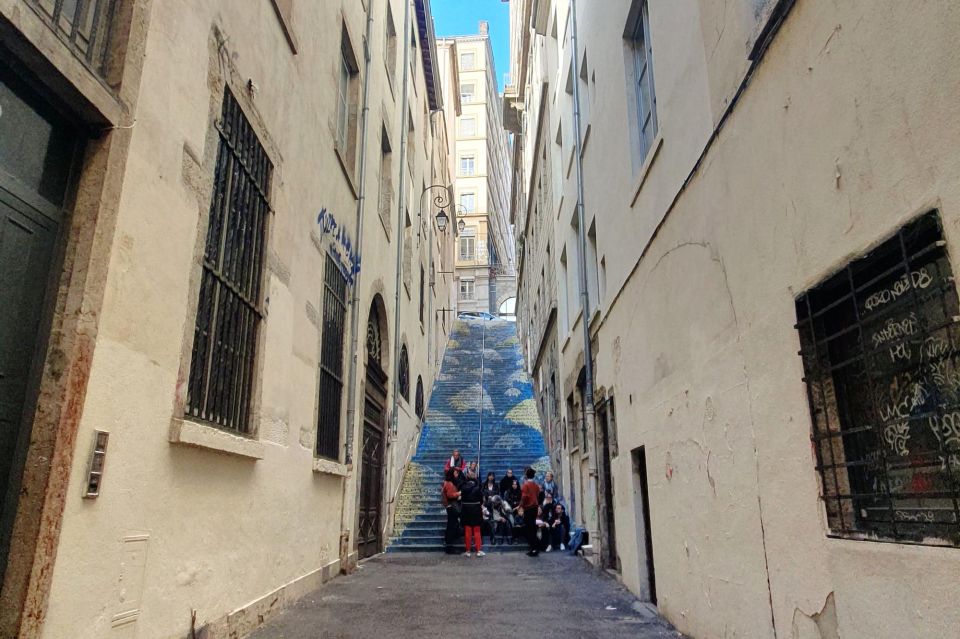
- Traboules in action, the famous passageways you only really understand by walking them
- Canut life and silk work, explained through what the characters would have faced day to day
- Clues from real history wrapped inside a fictional adventure tied to real figures
- A strong pace for 90 minutes, with just enough time on foot to keep momentum
- Multiple guides with standout performance notes, including singing mentioned in past experiences with guides like Alexandre
Croix-Rousse on foot: why this storytelling format works
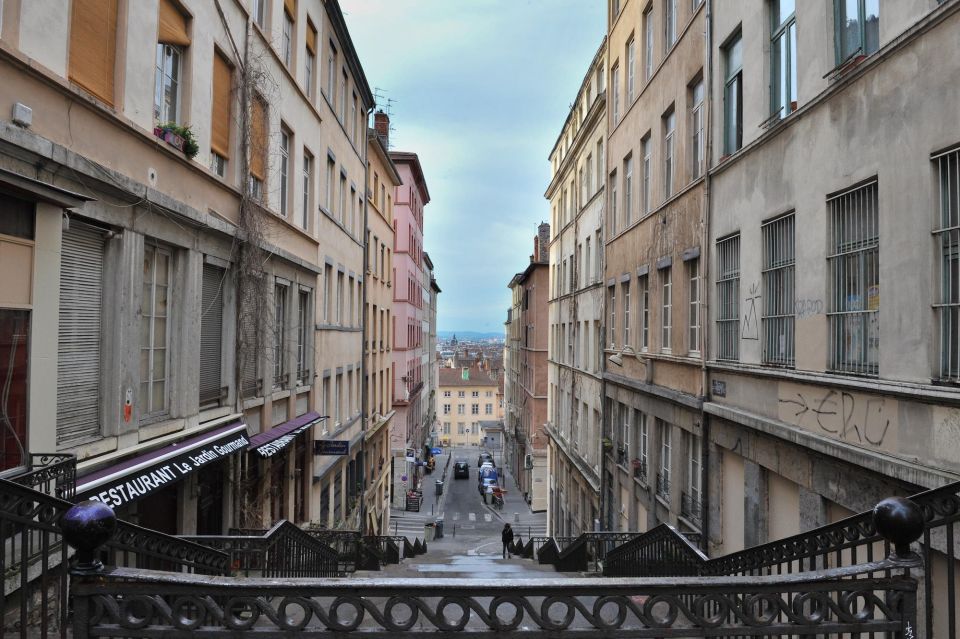
If you’ve ever walked through an old city and thought, I get the vibe, but I don’t get the why, this is the kind of tour that fixes that. On Croix-Rousse, the streets and passageways are the point. A normal guided walk can list dates and buildings; this one turns those same spaces into scenes.
The best part is the structure: you’re not just hearing about the silk industry in Lyon. You’re moving through the hill and its hidden passages while a storyteller places you in the turmoil of the canuts revolt. The guide also acts out roles, so you’re constantly orienting yourself both geographically and narratively. That double “where am I” plus “what’s happening” is what keeps it from feeling like a lecture.
And yes, it’s dramatic. Not in a cartoon way. More like street theater with clear context: what led to the revolt, how silk work actually functioned, and what daily life could feel like for the canuts.
You can also read our reviews of more tours and experiences in Lyon.



Price and time value at $23 for 90 minutes
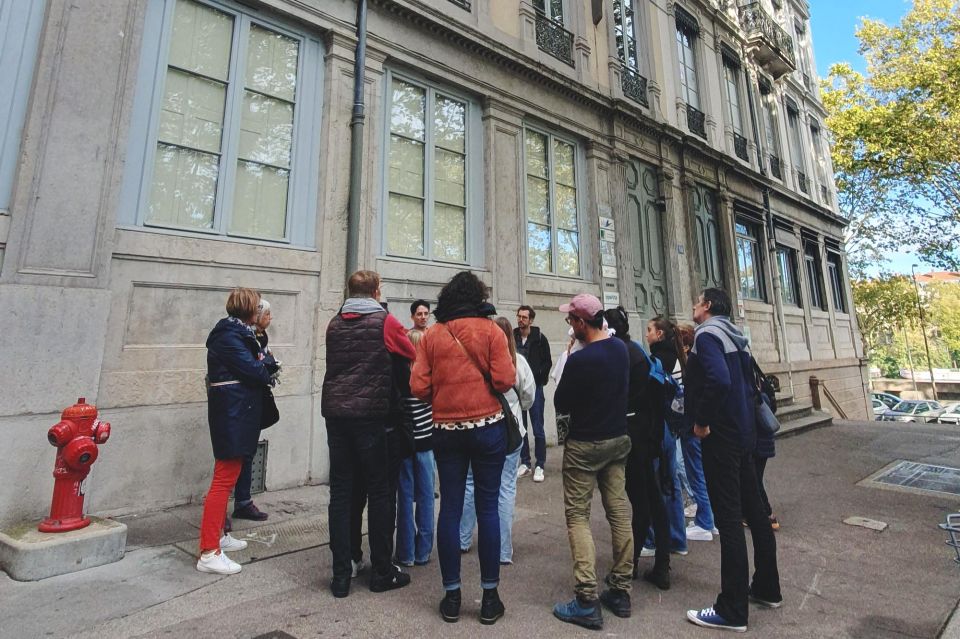
At about $23 per person for a 90-minute tour, the value depends on what you want. If you only care about a few landmark photos, you might feel the time is tight. But if you like understanding how a neighborhood worked, especially one tied to Lyon’s silk economy, this duration makes sense.
Why? Because the tour’s focus is narrow and specific: Croix-Rousse, traboules, and the 1831 revolt through the eyes of Jerome Roquet and his apprentice Tony, called the grand gognant. When a tour aims at one neighborhood story instead of covering half the city, you spend more time where it matters.
You also get practical flexibility: reserve now and pay later is offered, and free cancellation is available up to 24 hours in advance. That matters if your schedule is still shifting.
Meeting point on the esplanade: finding the Cybèle badge
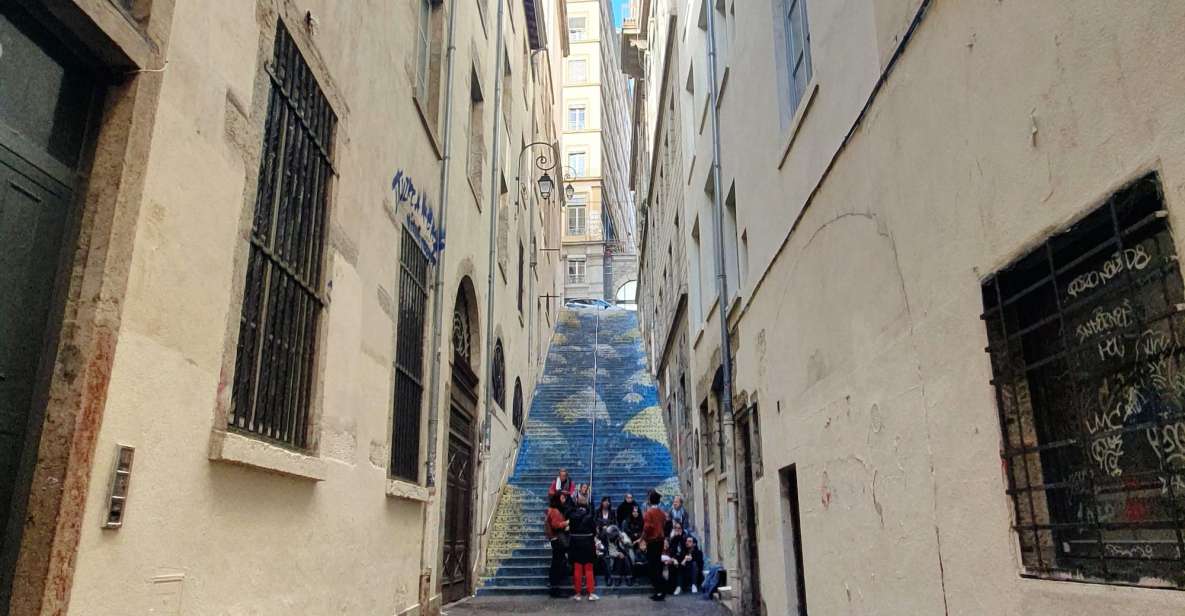
You’ll meet on the esplanade in front of 51 rue du Bon Pasteur. Your guide waits there and you should recognize them by the Cybèle badge.
This is one of those small details that saves time. Plan to arrive a few minutes early so you can confirm you’re at the right spot before the story starts. With an actor-led format, the timing matters more than you’d expect. Once the first scene begins, you don’t want to be the person sprinting up to catch up.
The 90-minute route: hill slopes, traboules, and lots of steps
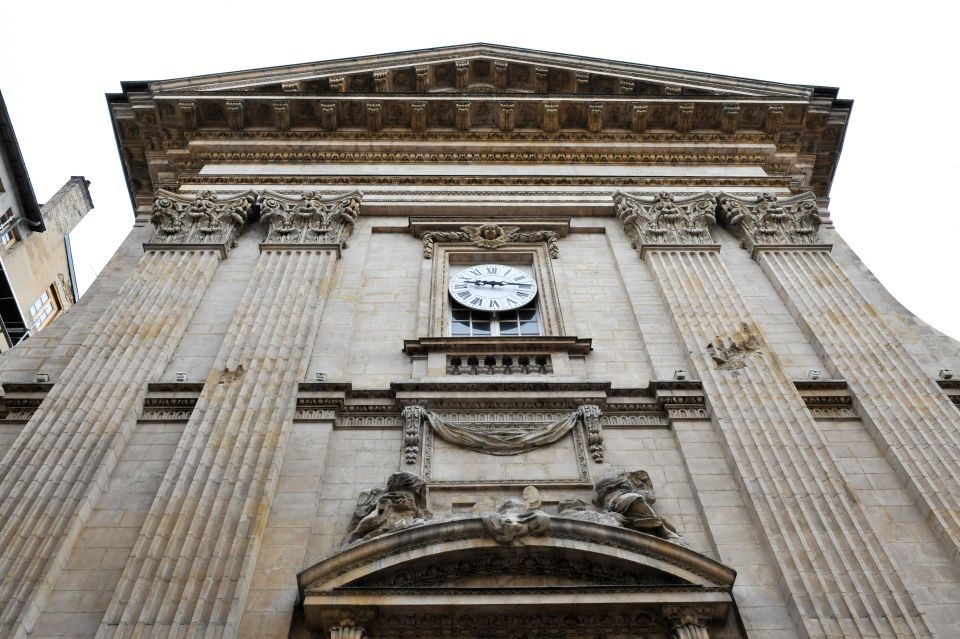
This is a walking tour up on the slopes of Croix-Rousse. You’ll see traboules, which are famous passageways that connect streets and courtyards through older building layouts. The key idea: you’ll understand why these weren’t just curiosities. They were practical routes through dense neighborhoods.
Here’s what I’d expect on the ground:
- You’ll move through the hill’s uphill/downhill rhythm, not flat city center pacing.
- You’ll be directed through the traboules network, so expect to experience them more like “passageways you navigate” than “alleys you glance at.”
- Stairs are part of the deal. The tour explicitly goes through many stairs.
That last point is the real limiter. If you’re fine with walking but not great with stairs, this will likely feel stressful. If stairs are totally off the table, skip it. If you can handle short stair segments with breaks, bring comfortable shoes and keep your pace steady.
The canuts revolt 1831, told through Jerome Roquet and Tony
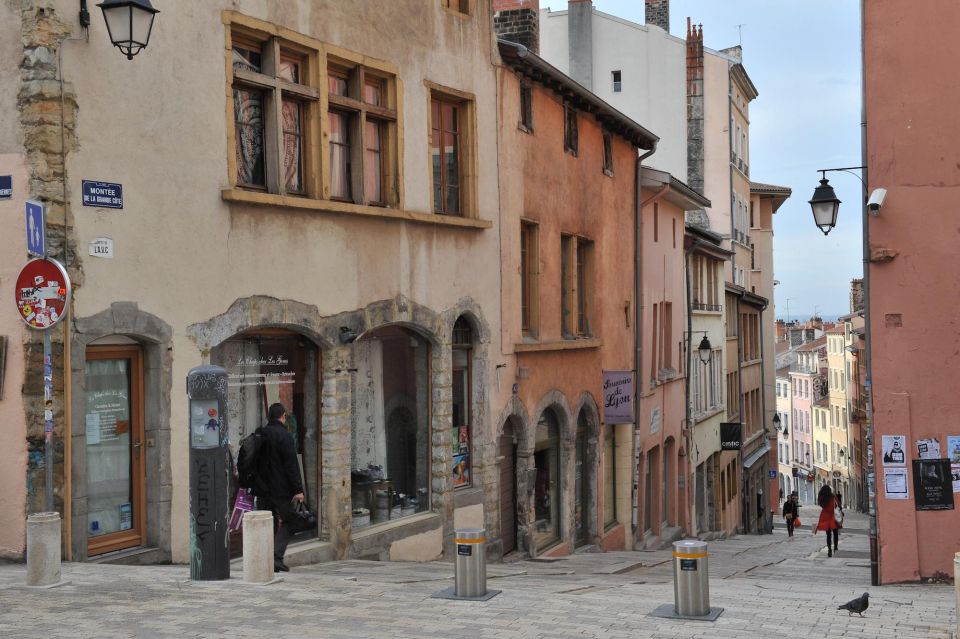
The heart of the experience is the narrated story. The guide retraces the adventure of Jerome Roquet and his apprentice Tony, the grand gognant, set during the turmoil of the barricades. The timing is anchored to the morning of the first revolt of the canuts.
Why does that framing help? Because revolts are often explained as political events. This tour makes it personal. You don’t just learn what happened; you learn what it might have felt like—conflict rising, streets changing, everyday working life colliding with unrest.
The tour also emphasizes that the fictional adventure is based on a historical context and includes real characters. That blend matters. It’s fictional storytelling, but it’s built to help you understand real origins of the revolt and the lived world behind the silk industry.
You’ll also get a sense for how barricades and neighborhood geography interact. On Croix-Rousse, the steep hill and the passageways aren’t neutral scenery. They change how people move, hide, gather, and communicate.



How the silk factory worked, explained the way it would have mattered
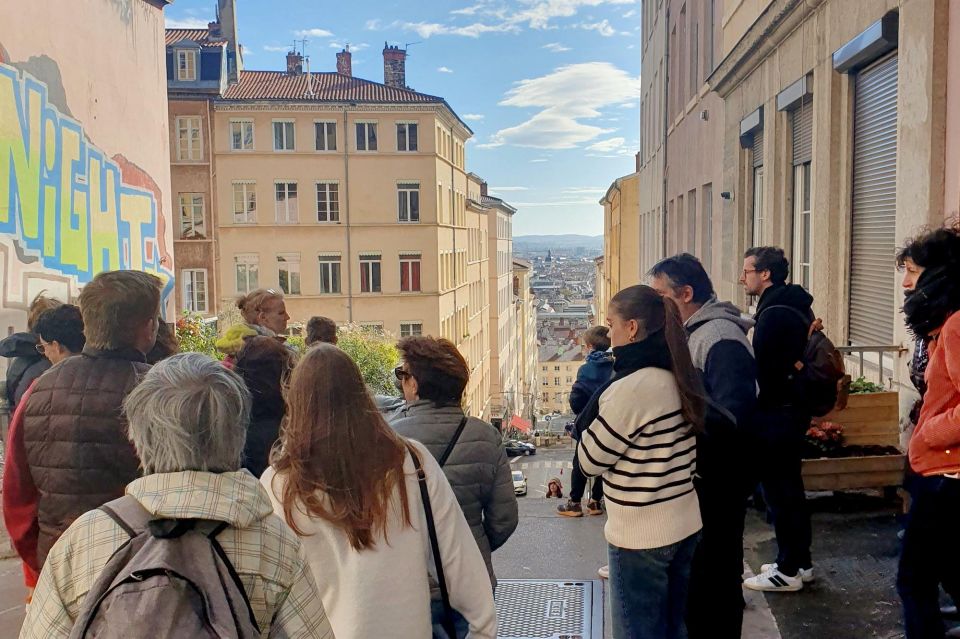
One of the standout promises is learning about the history of silk in Lyon. What makes this tour more than a themed walk is that it focuses on the functioning of the silk factory and daily life of the canuts, not just the romance of old textiles.
You’ll learn the origins of the revolt and the daily routine behind it. That’s the difference between knowing the name of an industry and understanding what kept it running. In a revolt context, the practical details are often what shape anger and urgency—who does what, how work gets organized, and where pressure builds.
If silk has been a vague topic for you before, this tour is the kind that makes the basics click. And because the explanation is tied to what you’re walking past on the Croix-Rousse slopes, it sticks better than a straight lecture.
Traboules: more than a photo stop
Let’s talk about traboules, because this tour doesn’t treat them like a checklist item. Walking through them gives you a feel for why Croix-Rousse developed the way it did.
As you move from one passage to another, you get immediate “spatial logic”:
- These are routes that cut through blocks.
- They connect street life with internal courtyards and building passages.
- They help you move through dense areas where open streets alone wouldn’t be as convenient.
A lot of people visit traboules once and forget them. Here, they’re part of the story engine. The narrator places you inside the world of the canuts, so each passage becomes a clue—how people might move through the neighborhood and how the neighborhood could be used during unrest.
Guides that bring it to life: actor craft you can feel
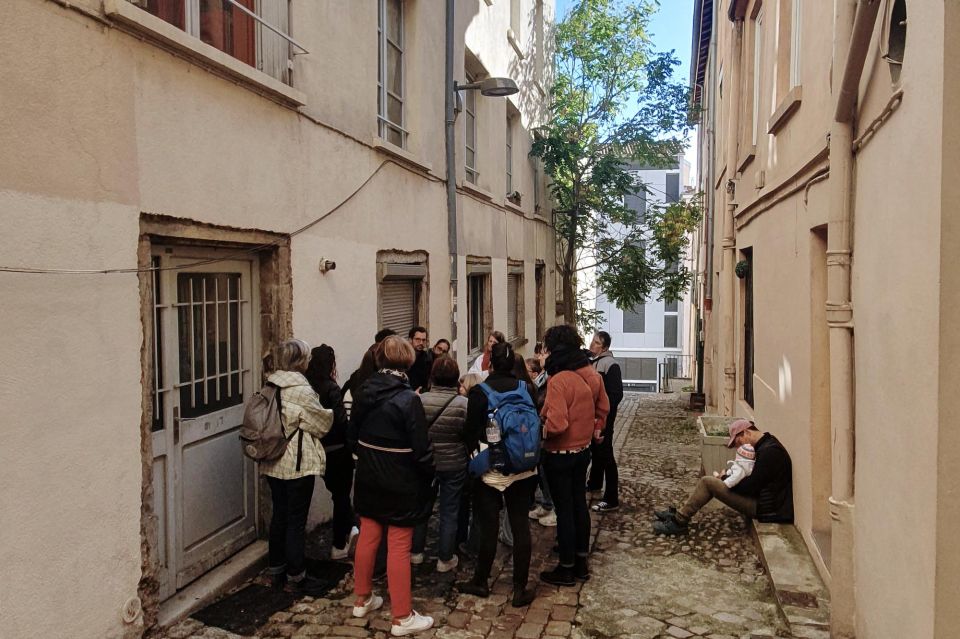
A major selling point is that your guide is a professional actor. That’s not marketing fluff. It changes the whole experience. The guide performance keeps the tour easy to follow even when the story includes political tension and working-life context.
Names you might recognize from past runs include Alexandre, Clémence, and Lucie. One experience with Alexandre highlighted a particularly captivating performance, including singing that landed emotionally. That matches the overall tone: the narration has shape, pacing, and character energy.
Also, there’s a consistent theme in feedback: guides were described as dynamic, easy to follow, and very attentive to the group. That combination is exactly what you want on an older neighborhood tour with stairs, because it helps you keep moving without losing the storyline.
Who should book this Croix-Rousse storytelling tour
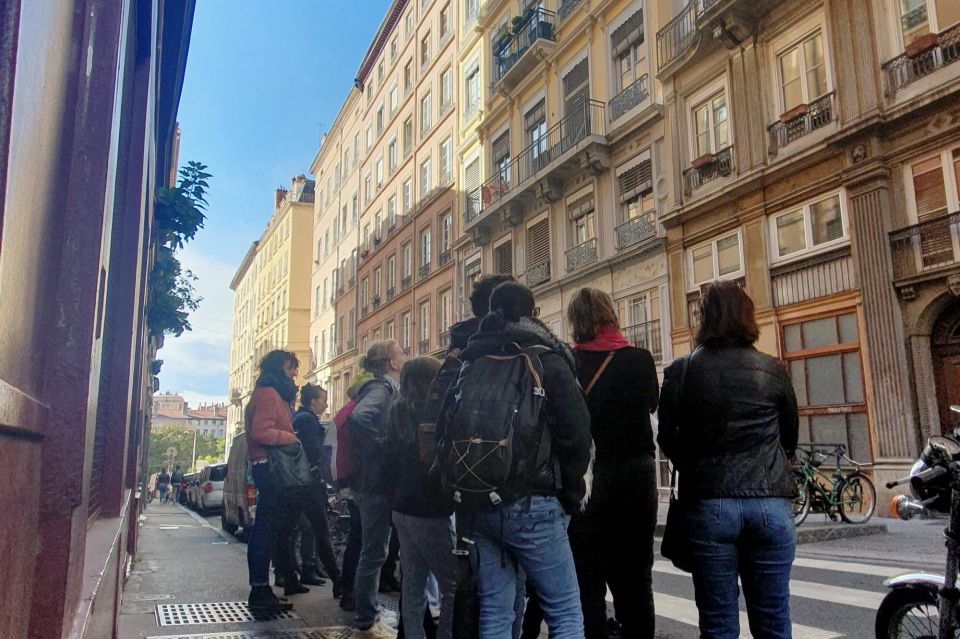
This is a good fit if you:
- Enjoy character-based storytelling that ties history to real streets and passageways
- Want a focused Croix-Rousse experience instead of a broad city “highlights” day
- Like French narration and are comfortable with a French-only tour
- Can handle walking plus frequent stairs for the full 90 minutes
It’s less ideal if you:
- Need step-free access (stairs are frequent, and mobility impairments are a mismatch for this tour)
- Are traveling with kids under 10
For families, older kids (10 and up) are generally the right age range for this type of historical drama. One note: even when people talk about families enjoying it, you should still treat the official age guidance as the baseline.
Practical tips so you don’t get stuck mid-story
Here’s how to make the experience feel smooth, not sweaty and rushed:
- Wear comfortable shoes with grip. Traboules can feel slightly cool and enclosed, and stairs add friction.
- Plan for a stair-heavy route. Pace yourself early, not at the end when your legs are already tired.
- If you’re sensitive to crowds, arrive on time so you can settle before the tour starts.
- Come ready for French storytelling. You don’t need prior silk knowledge, but you do need to be okay with French narration.
Also, keep expectations aligned with the format. This is not a museum talk where you sit and listen. It’s a moving, acted story through the Croix-Rousse slopes.
Should you book this tour or skip it?
I’d book it if you want an engaging way to understand Lyon’s silk world and the canut revolt of 1831 using the neighborhood itself as the stage. The actor-led storytelling plus the walk through traboules is the combination that makes this feel more memorable than a standard historical tour.
I’d consider skipping if stairs are a real problem for you, if French-only tours don’t work for your group, or if you prefer quieter, less performance-driven guiding. At 90 minutes, it’s a full commitment on your feet.
If you’re on the fence, think about what you want from your time in Lyon. If you’re after meaning—how people lived, worked, and reacted—this is a strong match. If you’re just chasing highlights, you might not use the full value of the story.
FAQ
What language is the tour in?
The tour is in French only.
How long is the Croix-Rousse storytelling tour?
It lasts 90 minutes.
How much does it cost?
It costs $23 per person.
Where is the meeting point?
Meet on the esplanade in front of 51 rue du Bon Pasteur. Look for the Cybèle badge.
What will I see during the tour?
You’ll walk the slopes of Croix-Rousse and discover the famous traboules, while learning about the history of silk in Lyon.
Is the guide an actor?
Yes, your guide is a professional actor and tells the story in a narrated, performed style.
Is the tour stroller-friendly or easy on stairs?
No. The tour goes through many stairs.
Who is the tour not suitable for?
It’s not suitable for children under 10 and for people with mobility impairments.
What should I bring?
Wear comfortable shoes.
Are there flexible booking options?
Yes. You can reserve now and pay later, and you can cancel up to 24 hours in advance for a full refund.