REVIEW · PARIS
Impressionist Paris: d’Orsay & Montmartre Exclusive Guided Tour
Book on Viator →Operated by Babylon Tours Paris · Bookable on Viator
Impressionism becomes real on these streets. This private afternoon links masterpieces at Musée d’Orsay to the neighborhoods that inspired them in Montmartre. Two things I really like: the skip-the-line reserved entry at Orsay (so you spend time looking instead of queuing) and the way the Montmartre walk turns famous paintings into recognizable doorways, squares, and viewpoints. One possible drawback: you’ll do a decent amount of walking on hills and cobblestones, and some Montmartre stops are only viewed from outside or require extra tickets if you want to go in.
If you care about seeing the art and understanding how the movement changed painting, this format works. Orsay is where you can trace the shift toward Impressionism, then Montmartre is where you connect those styles to real artists living and working nearby. If you dislike museum rules, note that Orsay security limits bags (only small, thin bags/handbags), and there can be occasional quiet or restricted areas inside.
In This Review
- Key Highlights Worth Your Time
- Musée d’Orsay: Where the Impressionist story makes sense
- Skip the line at 1:30 pm—and how to use those 2.5 hours
- Montmartre by private car and hilltop payoff
- The Montmartre stops that connect painters to real places
- Moulin Rouge area (outside)
- Van Gogh’s home on Rue Lepic (outside)
- Place Dalida (short stop)
- Jardin Sauvage de St-Vincent (quick nature stop)
- Le Clos Montmartre (the hidden vineyard moment)
- Le Lapin Agile (outside)
- Sacré-Cœur (inside time included)
- Place du Tertre (artistes square)
- Espace Dali and other pass-by points
- How much walking is too much?
- Value check: Is $259 worth it for a private art day?
- Who this tour fits best (and who should pick something else)
- Should you book this Impressionist Paris tour?
- FAQ
- How long is the Impressionist Paris d’Orsay and Montmartre tour?
- Is this tour private?
- What’s included in the price?
- Are there any Montmartre attractions where entry isn’t included?
- What should I know about bags at Musée d’Orsay?
- What if Musée d’Orsay is delayed or closed?
Key Highlights Worth Your Time
- Reserved entry at Musée d’Orsay saves you the long museum scramble for a smoother start
- Private guide focus means you can ask questions and set your own pace inside Orsay
- Car transfer from Orsay to Montmartre reduces time wasted on transit between districts
- Sacré-Cœur at the summit finishes the hill climb with major Paris viewpoints
- Artist-to-street connections: Monet, Renoir, Van Gogh, Cézanne, and more anchored to Montmartre locations
- Pass-by moments with optional add-ons for places like Moulin Rouge or Van Gogh’s house (extra if you want entry)
Musée d’Orsay: Where the Impressionist story makes sense
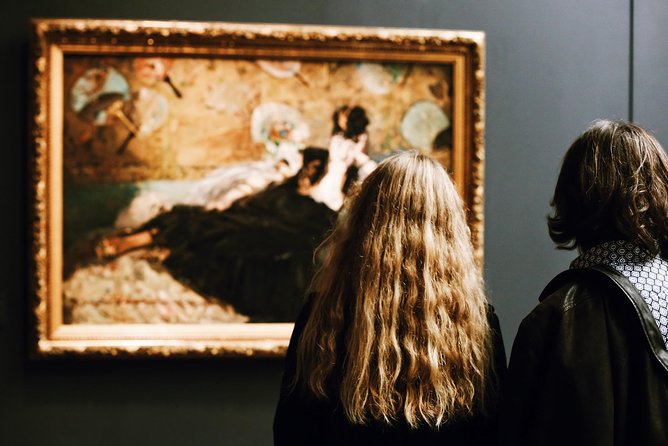
Musée d’Orsay is a funny kind of perfect. It’s not a country house or a minimalist box—this museum is inside a converted 19th-century train station, all grand beams and big, airy rooms. That industrial shell helps you feel the era. Then you walk in and the paintings explain why Impressionism didn’t happen overnight.
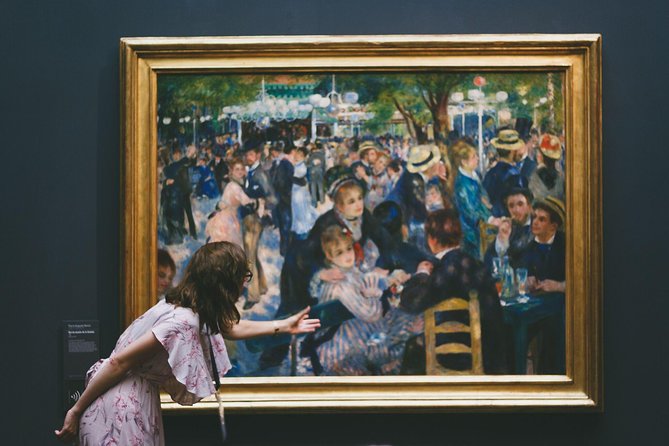
A big win here is the time you get inside. You’re not wandering aimlessly for 2.5 hours hoping someone explains what you’re looking at. You start with the artistic movements that come before Impressionism, then you move through the artists who helped push it forward. In practice, that means your eye gets trained fast: you learn what to look for in brushwork, how color behaves, and what painters were trying to capture when they turned toward everyday scenes and shifting light.
Orsay’s highlights land with satisfying clarity. You’ll see the kind of works that made people raise eyebrows in their day—Manet’s scandal buzz still lingers, and Renoir’s nightlife energy fits the spirit of why Impressionism spread. You’ll also get named artists across the “family tree” of the look: artists who preceded the movement and those who followed it. One of the nice things about Orsay is that it’s not just “Impressionism only.” The museum helps you see the transition and the aftermath, too.
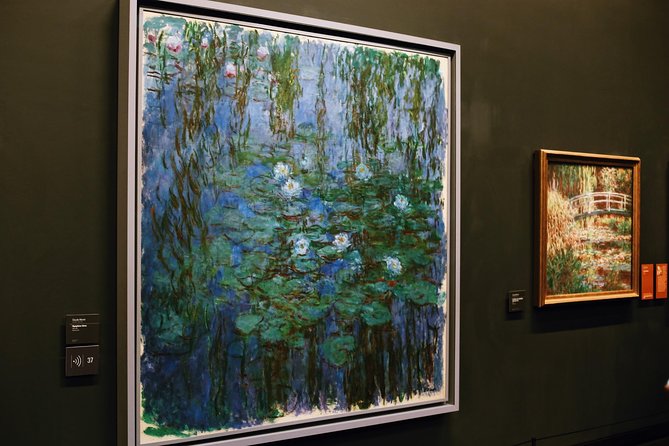
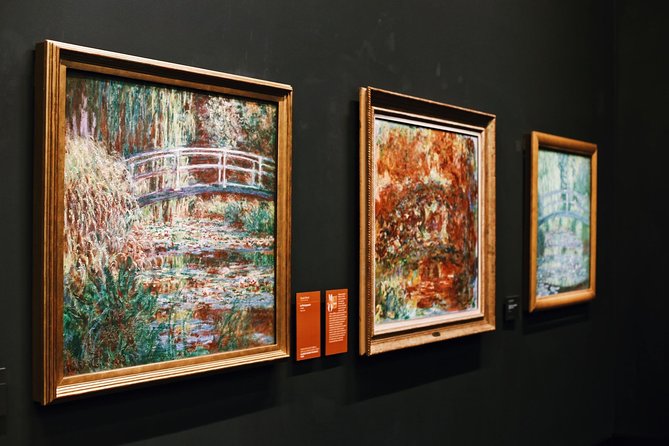
And yes, you’ll stand in front of Monet and other big names long enough to absorb them. The guide doesn’t just point; they help you notice. That’s the difference between reading about Impressionism and actually getting it.
You can also read our reviews of more guided tours in Paris



Skip the line at 1:30 pm—and how to use those 2.5 hours
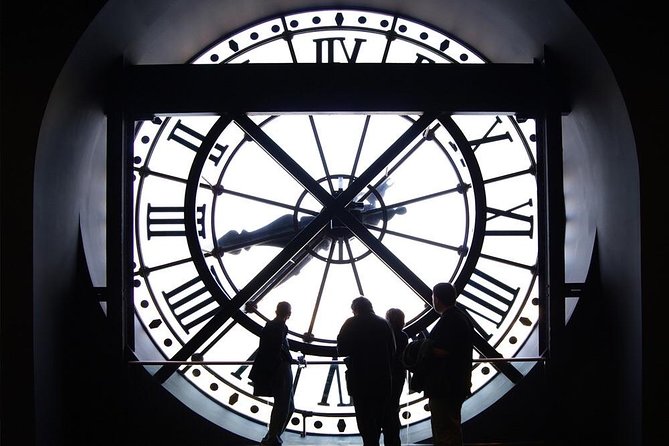
The tour starts at 1:30 pm at Musée d’Orsay. That timing matters. Late morning can feel like a crowded race; early afternoon often gives you enough momentum to get in, get oriented, and settle before the museum peaks again.
Reserved entry is the other reason this works. You bypass the most painful “line first, art later” part of Orsay, which makes the schedule feel respectful. It’s still a lot of museum time, but it stays tied to the point of your visit: seeing the Impressionist story in order and understanding why these paintings looked so different.
In a museum this big, the danger is overkill. Too many rooms, too little meaning. This tour reduces that risk with a guided route that hits both obvious masterpieces and lesser-noticed pieces. You’ll get the technical angle too—what the artists did with paint and why it looked the way it did when you saw it in person, not on a postcard.
One practical note: Orsay can have occasional closures. If the museum opening time gets delayed by more than an hour from your tour start, you’ll be offered an alternative rather than leaving you stuck. There’s no mention of refunds in that scenario, so I’d treat museum delays as a possible stress point and keep your schedule flexible.
Montmartre by private car and hilltop payoff
After Orsay, you head to Montmartre by private transport. That matters more than it sounds. Orsay to Montmartre is a geographic and mental shift, and taxiing means you lose less time to transit fatigue. You also start the walking part with your energy intact.
Montmartre’s signature is altitude and attitude. Your guide starts you near the base, with the area’s layered identity—cabaret history, artist life, and the film-geared Paris charm that people associate with the neighborhood. Then you climb.
The route is designed so you feel the neighborhood change as you go up:
- the streets and squares that painters walked past
- the windmill associations people connect with Renoir
- the iconic cabaret area around Moulin Rouge
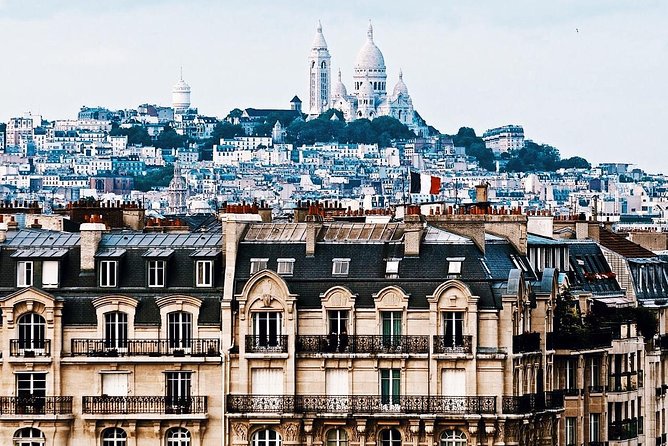
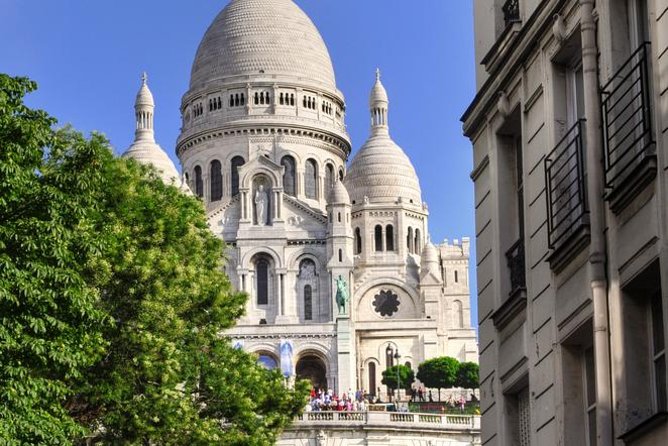
- the summit payoff at Basilique du Sacré-Cœur, where you get major views of Paris
Sacré-Cœur is also a smart place to end because it’s both a landmark and a reset. You’ve been on cobblestones and climbing for a while, and then suddenly the city opens up. Even if you don’t go deep into the interior, the viewpoint is the kind of moment you remember.
The Montmartre stops that connect painters to real places
This is where the tour feels most like “storytelling with legs.” Instead of listing artists as names, you link them to physical locations you can stand in front of.
Here are the stops and what to expect from each, with what’s most useful for you to know:
Moulin Rouge area (outside)
You head toward Moulin Rouge with quick context about how the cabaret and its atmosphere fed international artists. This is mostly an exterior orientation—think vibe, not a full-ticket show.
If you want to go inside a cabaret or sit down for entertainment, that’s not part of your included pricing, based on the tour’s notes. Still, seeing the setting from street level is enough to understand why the area shows up in art.






Van Gogh’s home on Rue Lepic (outside)
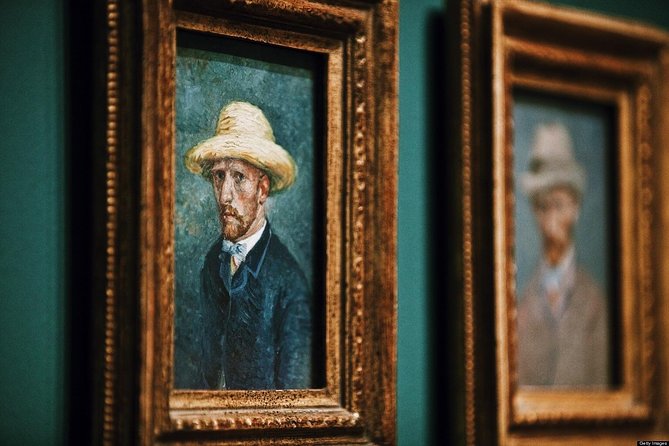
You’ll see Van Gogh’s house on Rue Lepic, specifically the home he shared with his brother from 1886. This stop is short but meaningful if Van Gogh is your entry point into modern art.
Again, the tour notes indicate admission is not included for this stop. If you want interior access, you’d need to handle that separately.
Place Dalida (short stop)
Place Dalida is a small but memorable pause. You’ll walk through this square dedicated to the French music icon Dalida, and it’s one of those Montmartre spaces that feels quieter than you expect. It’s a good breath break between the busier attractions.
Jardin Sauvage de St-Vincent (quick nature stop)
You pass Jardin Sauvage de St-Vincent, a slope of land left in a fragile state to observe ecosystem and wild plants. Even if you’re primarily there for art, this stop breaks the “everything is about buildings” feeling and gives you a different angle on Montmartre.
Le Clos Montmartre (the hidden vineyard moment)
Vigne du Clos Montmartre is exactly what it sounds like: a tucked-away vineyard in central Paris. This is a neat stop because it shows how Montmartre isn’t only art cafés and stone steps—it also has working, living spaces.
Le Lapin Agile (outside)
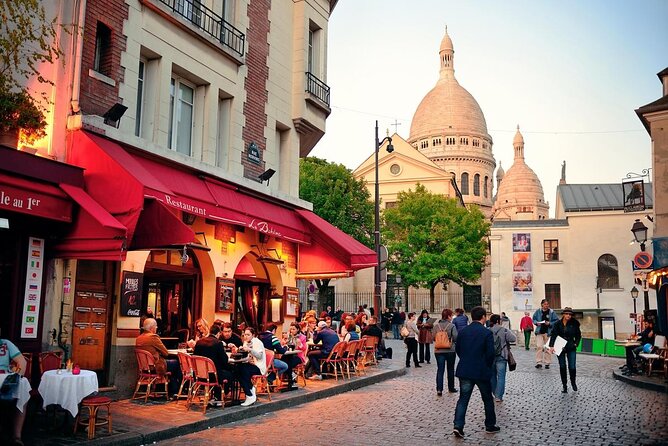
You’ll make your way to Au Lapin Agile, the cabaret tied to the Montmartre bohemian crowd until 1914. The exterior sign is a recognizable symbol, and it’s a fun “time travel” stop. Entry is not included, so treat this as a look-and-learn stop.
Sacré-Cœur (inside time included)
At Basilique du Sacré-Cœur, you’ll enter the church with time allowed to explore inside. If you want one clear reason to time your day well, it’s this: the interior includes one of the world’s largest mosaics depicting Jesus Christ.
Even if church interiors aren’t your thing, the views and the atmosphere at this height are worth it.
Place du Tertre (artistes square)
You’ll pass Place du Tertre, where artists set up and draw in a scene meant to echo the neighborhood’s modern-art roots. This is a practical “reality check” stop: you see what Montmartre sells today, and you can compare it with how it worked for the painters who came before.
Espace Dali and other pass-by points
The tour also includes pass-by moments like the Espace Dali area (Salvador Dalí works are featured there), plus stops around artist-creation sites such as Bateau-Lavoir Saint-Julien. There are also mentions of La Maison de Dalida.
Some of these are viewed from outside rather than entered. If you’re the type who loves museum tickets and wants to go in everywhere, build in extra time and budget—or pick one “must enter” add-on when you’re there.
How much walking is too much?
This tour asks for moderate physical fitness. That usually means you should be comfortable with:
- climbing the hill in Montmartre
- cobbled streets (slippery when damp)
- frequent short walks between stops
Even with a private car transfer to cover the distance from Orsay, you still end up doing plenty of steps. The good news: the route is not random. Stops are spaced as short photo and orientation moments, so you’re not trapped in long stretches with no reason to move.
For a smoother experience, I’d wear shoes you trust and carry a phone for photos and navigation. The tour notes also require a mobile phone number (with country code), which matters for confirmation and for keeping the day running smoothly.
Also plan around museum security. Orsay doesn’t allow large bags inside—only handbags or small thin bag packs through security. If you show up with a big daypack, you’ll be negotiating before you even get to the galleries.
Value check: Is $259 worth it for a private art day?
At $259.04 per person for about 5.5 hours, you’re paying for three key things:
- Reserved entry and time saved at Musée d’Orsay
- Private guide attention (your route gets tailored and paced to your group)
- Private transport from Orsay to Montmartre
In other words, this isn’t just “a guide with you.” It’s a guided plan designed to reduce your friction. Orsay is a place where the difference between “standing around” and “actually learning what you’re seeing” is huge. Skipping the worst of the line gets you into the museum faster, which gives your guide the real payoff: a coherent art story while you’re still fresh.
Montmartre is also easier with help. Yes, you can walk it on your own. But connecting the dots—why Renoir and others show up in specific places, where the creative community gathered, and how the view from Sacré-Cœur fits the neighborhood’s appeal—adds value quickly.
The main “value risk” is expectations. Some famous places on your path are not included for admission (like Moulin Rouge and Van Gogh’s house, plus other sites). That’s normal for a walking-and-orientation tour, but it can change the total cost if you decide you want entry to everything.
Who this tour fits best (and who should pick something else)
This is a strong match if you:
- love Impressionism and want the story tied together from Orsay to Montmartre
- want a private experience where the guide can pace the day
- don’t want to spend your limited time in Paris stuck in long museum lines
It may be less ideal if you:
- want a strict checklist of museums with lots of interior admissions in Montmartre (some stops are outside only)
- dislike hills or cobblestones
- hate museum rules about bags and security
Should you book this Impressionist Paris tour?
I’d book it if Impressionism is a priority and you want your afternoon to feel like a connected art lesson, not two disconnected stops. The combination of Orsay reserved entry and the Montmartre walk with a focused guide is the winning formula here.
If you’re on the fence, use this quick test: do you want a guide to tell you what to look for at Orsay and why the artists mattered to the streets you’ll walk in Montmartre? If yes, you’ll likely feel like the money bought you time, clarity, and a better day.
FAQ
How long is the Impressionist Paris d’Orsay and Montmartre tour?
It runs about 5 hours 30 minutes, with Musée d’Orsay taking about 2 hours 30 minutes and Montmartre taking about 55 minutes, plus additional short stops.
Is this tour private?
Yes. It’s described as a private tour/activity, meaning only your group participates.
What’s included in the price?
The tour includes a guided museum & walking tour, private transport from Orsay to Montmartre, all entrance fees (with reserved entry included), and guided time with your guide exclusively for you.
Are there any Montmartre attractions where entry isn’t included?
Yes. The tour notes indicate admission tickets are not included for certain stops such as Moulin Rouge, Van Gogh’s house, Au Lapin Agile, and the Dali Museum Paris area (Espace Dali).
What should I know about bags at Musée d’Orsay?
Orsay security does not allow large bags or suitcases inside the museum. Only handbags or small thin bag packs are allowed through security.
What if Musée d’Orsay is delayed or closed?
The notes say Orsay may be subject to occasional closures without warning. If the museum opening time is delayed by more than 1 hour from the tour starting time, the provider will offer an alternative, and refunds or discounts aren’t mentioned for those cases.