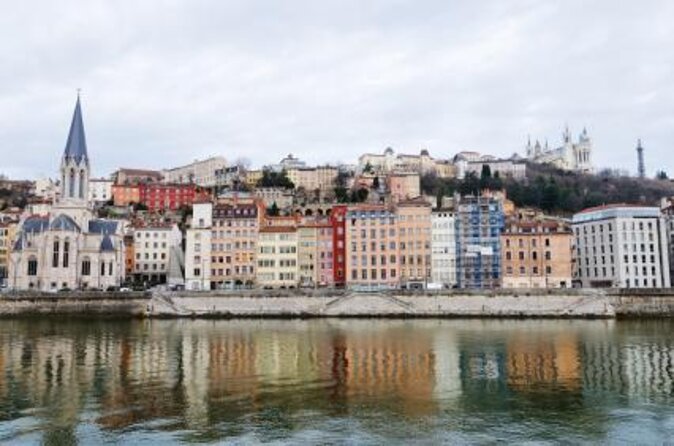
Paris changes in the late afternoon. This tour gives you the medieval Marais with smart, story-filled pacing.
I especially like how it steers you away from the busiest sights and toward quieter squares, churches, and street corners, with a guide who brings the neighborhood to life (I’ve seen names like Céline and Benoit leading this route). I also like the built-in French gouter stop, which turns a sightseeing walk into something delicious and very Paris. One thing to consider: it is mostly history and walking, not a full sit-down food experience.
In This Review
- Key highlights at a glance
- Why this 3 pm walk through the Marais is a smart way to see Paris
- Getting oriented at Centre Pompidou (even though you don’t go in)
- Le Marais: the heart of medieval Paris without the worst crowds
- Stravinsky Fountain: the fun break for photos
- Hôtel de Ville: where medieval justice meets modern Paris
- Saint-Gervais and the merveilleux: the gouter that makes it feel like Paris
- Rue des Rosiers: Jewish Paris on a pedestrian stretch
- Place des Vosges: old square, famous name, and plenty of pause time
- Place de la Bastille: finishing with Revolution-era meaning
- Guides make or break this kind of walk
- Walking distance, comfort, and who it suits best
- Price and value: why this costs about $56 and what you actually get
- How to get the most out of this tour
- Should you book this Hidden Paris: Medieval Marais walking tour?
- FAQ
- How long is the Medieval Marais walking tour?
- How far will I walk?
- What time does the tour start?
- Where do I meet the tour?
- Where does the tour end?
- What’s included in the tour price?
- Is this tour a full food tour?
- Does the tour offer vegetarian options?
- What group size should I expect?
- Can I cancel if my plans change?
Key highlights at a glance
- Best-preserved medieval Marais on an afternoon route that feels more local than touristy
- Centre Pompidou start helps you orient fast before you cut into older Paris
- Stravinsky Fountain plus photo time, right on the way to the Marais core
- Hôtel de Ville area history ties medieval Paris to the French Revolution
- Gouter stop at Saint-Gervais, featuring a sweet French meringue called a merveilleux
- Small group (max 12) keeps questions easy and the pace comfortable
Why this 3 pm walk through the Marais is a smart way to see Paris
The Marais is famous for a reason, but it can also feel like you’re constantly weaving around tour groups. This afternoon timing helps. By starting at 3:00 pm, you get a neighborhood vibe that’s already awake but not as frantic as it can be earlier in the day. The route also stays compact: you cover about 2 km (1.2 miles) over roughly 2 hours, so you get movement plus plenty of time to look at details.
You’ll start at a very modern landmark—Centre Pompidou—and then gradually shift backward through time. That contrast works. It gives you context before you step into the older streets around the best-preserved medieval parts of the Marais. Guides like Céline, Benoit, Paloma, and Linda are repeatedly praised for doing exactly this: mixing place facts with human stories so the geography makes sense fast.
You can also read our reviews of more walking tours in Paris



Getting oriented at Centre Pompidou (even though you don’t go in)
The tour begins in front of Centre Pompidou, Europe’s largest modern art museum, inside a bold contemporary building. You’re not there to hunt paintings; it’s more like an anchor point. This “start big, then go old” approach is practical. It helps you understand where you are in Paris before the walk becomes more winding.
You’ll get a quick sense of the capital’s layers—how modern Paris sits beside the older medieval fabric you’ll explore next. And since the museum admission is listed as free, you’re not penalized if you’d rather simply appreciate the architecture from the outside.
Le Marais: the heart of medieval Paris without the worst crowds
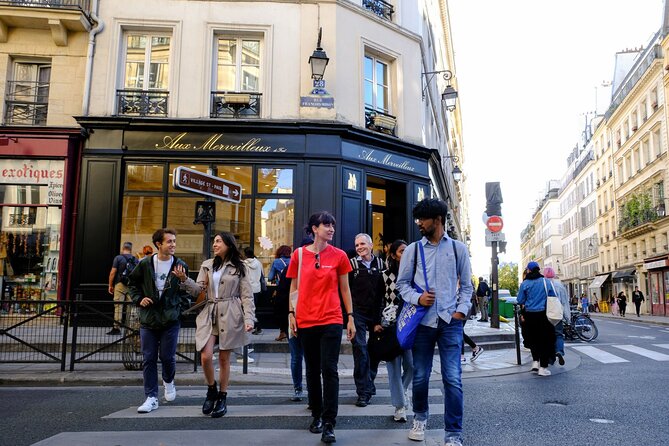
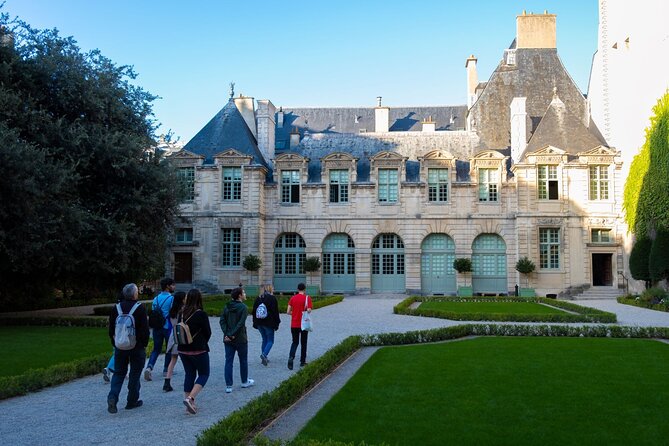
After the orientation stop, you move straight into Le Marais, described as the best-preserved medieval area in the Marais. That matters because the Marais is large, and not every street feels like the old days. This is the part you want for texture: narrow lanes, historic street layouts, and little corners that make you slow down.
This is also where the tour earns its “Hidden Paris” angle. Instead of forcing you through the most obvious photo targets, the route keeps pulling you into nearby squares and side streets. The small group format (up to 12 people) helps a lot here. It’s easier to stop at a detail, look at facades or street art, and still feel like you’re part of a real conversation rather than a marching line.
Stravinsky Fountain: the fun break for photos
You’ll hit the Stravinsky Fountain, one of the most photographed fountains in Paris. The tour gives it its due—enough time to learn what makes it memorable and enough time to take photos without feeling rushed.
Think of this as your palate cleanser between heavier historical stops. One reason people enjoy this day-and-time route is that it alternates mood. You go from medieval atmosphere to playful modern art in a minute, then back again.
Tip for you: if you care about photos, hang back for a second after the group has moved. You’ll often catch better angles without having to fight for space.
Hôtel de Ville: where medieval justice meets modern Paris
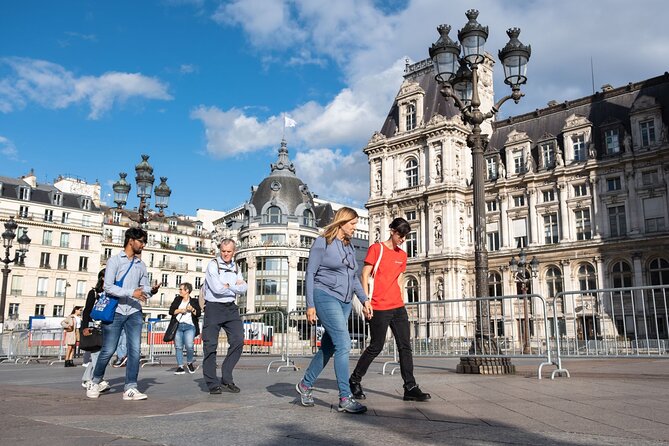
Next up is Hôtel de Ville, the Paris town hall. Yes, the building is a looker, but the stop is also about what happened around it. The area before it is tied to the darker side of medieval Paris—historical references include medieval executions and the first beheading carried out with the guillotine.
This is one of those stops where a good guide makes the difference. Names like Benoit and Paloma are often mentioned for turning architecture into storytelling. If you’re the kind of traveler who likes to understand what you’re standing on—who lived here, what authorities did here, and how the city changed—this is a strong point in the tour.
Just keep in mind the topic is heavy. The pacing is designed for an afternoon walk, but you’re still going to encounter serious historical context.






Saint-Gervais and the merveilleux: the gouter that makes it feel like Paris
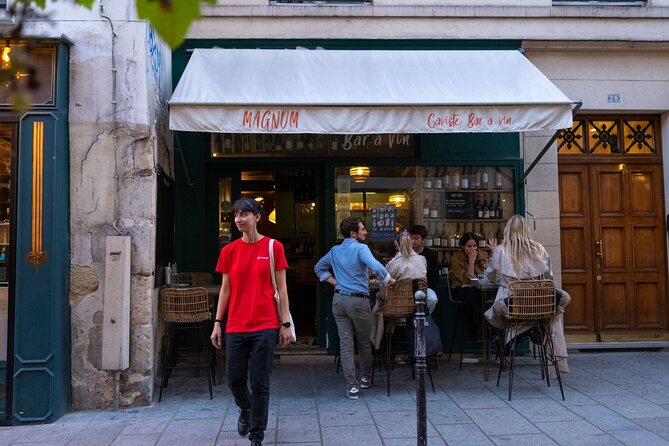
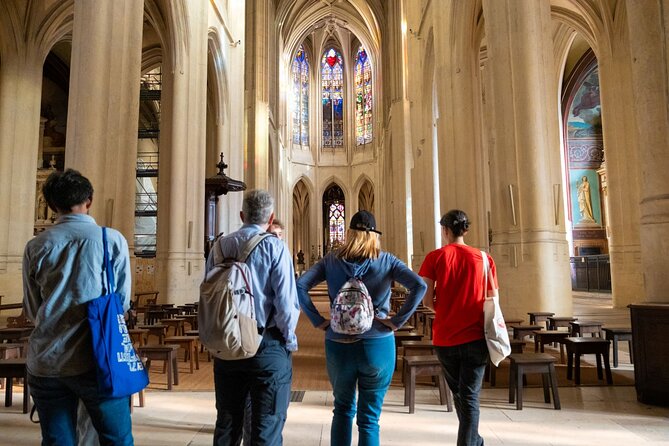
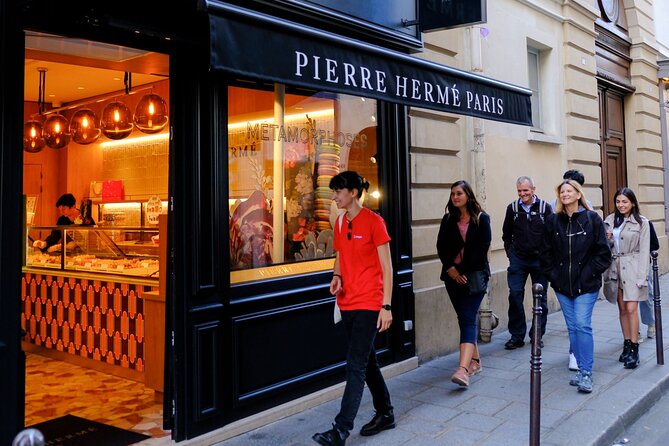
At Church of Saint-Gervais, you pass by and then get a chance to glance at the interior. Then comes the highlight that turns this from a pure history stroll into an actual Paris break: the sweet gouter.
You’ll be treated to a local pastry known as a merveilleux, which is essentially a meringue-based treat. That matters because it’s not just dessert for dessert’s sake. It’s part of how the French do late-afternoon eating—sweet, simple, and built for wandering.
A note on expectations: the tour includes taste of local pastry, and some experiences connected to these “gouter” style routes also mention wine-and-cheese tastings at a stop. But this is not billed as a full-on meal tour. If you want a multi-stop food crawl with lots of savory samples, you might prefer something more food-centered. If you want history plus one very local sweet moment, this fits well.
Rue des Rosiers: Jewish Paris on a pedestrian stretch
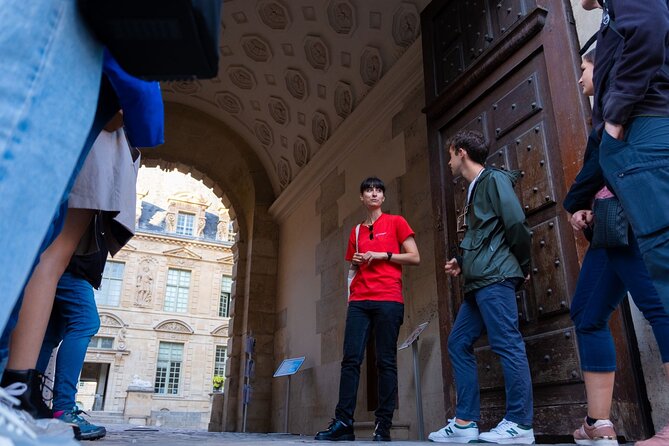
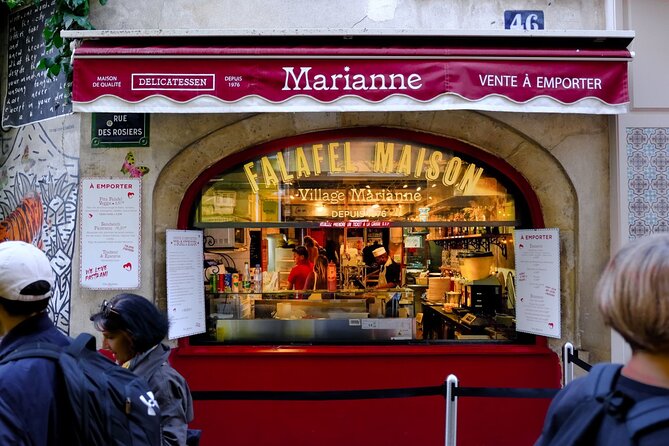
Then you head to La Rue des Rosiers, often called the heart of the Jewish community in the area. The walk through this street gives you a sensory snapshot: it’s full of food shops, including falafel stands and Jewish-influenced delis.
What you’ll take away here is more than where to eat. It’s the idea that the Marais isn’t frozen in medieval time. It has layers of communities over centuries, and the street still hums because people still live, work, and shop here.
If you have a sweet tooth, you’ll probably want to keep walking after the tour ends, because Rue des Rosiers is exactly the kind of place where you’ll spot something you didn’t know to look for.
Place des Vosges: old square, famous name, and plenty of pause time
From there, the route moves to Place des Vosges, described as Paris’ oldest and among its prettiest squares. It’s also linked with Victor Hugo, which gives the square an extra layer beyond architecture.
This stop is a good moment to slow down. Squares like this are where the tour’s “less rushed” strategy shows. You can look at the symmetry, notice details you’d miss while walking fast, and let the guide’s stories land.
Practical tip: if you want a quick sketch of the route in your head, do it here. After a square like Place des Vosges, your sense of direction and neighborhood logic gets easier.
Place de la Bastille: finishing with Revolution-era meaning
The final destination is Place de la Bastille. The location ties to the storming of the Bastille on July 14, 1789, which kicked off the French Revolution. The tour doesn’t treat this as a dead museum square—it finishes you near a lively restaurant and bar area, so it’s a natural launch point for your evening plans.
If you’re trying to decide what to do after the tour, this is useful. You’re not dropped in an empty parking lot. You’re released into a part of Paris where it’s easy to keep the night going.
Guides make or break this kind of walk
One of the biggest patterns in the experiences tied to this tour is that the guide quality is high and the stories feel personal. Different names show up often—Céline, Benoit, Paloma, Linda, Cecilia, Camilla, Vivien, Ellie, and Mitch—and the common thread is pacing and clarity.
What you should look for in a good guide for this area:
- They explain architecture and layout in plain language
- They connect medieval sites to the people who shaped them
- They give you real next-step advice (bakeries, restaurants, and where to wander after the tour)
From the feedback style reflected here, guides tend to balance history with “what to do next,” and that’s why people feel like they got more than just stop-to-stop facts.
Walking distance, comfort, and who it suits best
With about 2 km of walking, this isn’t an endurance challenge. Still, it’s a city walk with no long transit breaks. Wear comfortable shoes. Plan for uneven pavement and frequent stop-and-start.
This tour is also described as child-friendly, with children under 6 joining free of charge. That can make it easier for families to build an afternoon that’s structured but not too long.
Most travelers can participate, and the group is capped at 12, which usually makes it easier for questions and for hearing the guide over street noise.
If you’re short on time, this tour is also a good “culture plus orientation” move. It doesn’t try to cover all of Paris. It focuses on one pocket with enough variety to feel rewarding.
Price and value: why this costs about $56 and what you actually get
At $55.87 per person, you’re paying for a short, guided route, not just admission to sites. The value comes from three things:
1) A targeted neighborhood route (the medieval Marais focus) that’s hard to assemble on your own without spending time researching.
2) A guide who connects sites so the walk feels coherent—especially at the Hôtel de Ville and Bastille finish.
3) A built-in sweet gouter moment, which keeps it from being purely instructional.
It’s also booked well ahead on average (about a month in advance), which is a good sign. That suggests demand for this specific afternoon timing and route.
If you’re expecting a full lunch with multiple savory tastings and a lot of sitting time, you may feel disappointed. If you want an afternoon that mixes history, street-level Paris, and one distinctly French sweet treat, it’s priced right.
How to get the most out of this tour
A few small choices can make a big difference:
- Arrive a few minutes early so you’re not stressed by meeting logistics.
- Keep your camera ready, especially around Stravinsky Fountain and the open squares like Place des Vosges.
- If you’re vegetarian, you can request dietary catering (vegetarian options are supported).
- After the tour ends near Bastille, don’t rush back to your hotel. Use the guide’s street-level recommendations to keep exploring.
And if you’re a Francophile, lean into the late-afternoon sweet vibe. The merveilleux stop is the kind of detail that makes Paris feel like Paris, not just a checklist.
Should you book this Hidden Paris: Medieval Marais walking tour?
Book this if you want:
- The medieval Marais with fewer obvious tourist targets
- A small-group afternoon walk that’s history-first but not stiff
- A clear sweet gouter stop at Saint-Gervais
- A guide who helps you understand what you’re seeing and where to go next
Skip it if you want:
- A heavy, food-focused tasting itinerary (this isn’t presented as a full meal tour)
- Lots of museum time or big indoor admissions (the stops are primarily street-level and architectural)
If you’re flexible, this is one of the easier “high payoff” tours in Paris because it’s short, structured, and ends in a practical place to continue your evening.
FAQ
How long is the Medieval Marais walking tour?
It runs for about 2 hours (approx.).
How far will I walk?
The tour covers about 2 km (1.2 miles) of walking.
What time does the tour start?
The start time is 3:00 pm.
Where do I meet the tour?
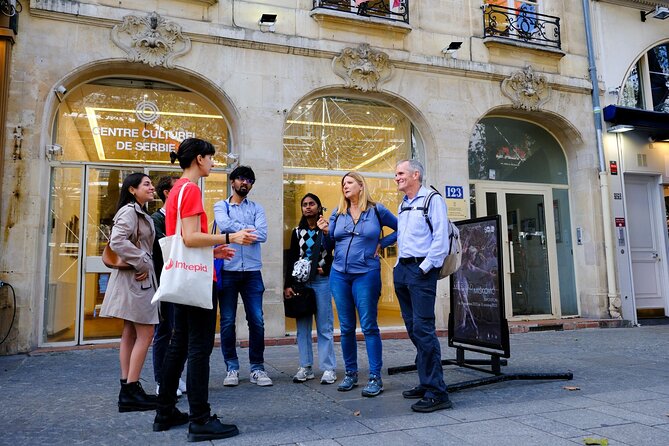
The meeting point is 123 Rue Saint-Martin, 75004 Paris, France.
Where does the tour end?
It ends at Place des Vosges (Place des Vosges/Bastille area).
What’s included in the tour price?
You get a taste of local sweet pastry, the chance to explore the best-preserved medieval area of the Marais, and local tips for what else to see and eat. You also join an English-speaking local guide.
Is this tour a full food tour?
No. The tour includes a sweet pastry gouter, and it’s primarily a history and neighborhood tour. Additional food and drink is not included.
Does the tour offer vegetarian options?
Yes. Vegetarian dietary requirements can be accommodated.
What group size should I expect?
The tour has a maximum of 12 travelers.
Can I cancel if my plans change?
Free cancellation is available up to 24 hours before the experience start time for a full refund. Changes within 24 hours of start time aren’t accepted.