REVIEW · PARIS
German private Walking Tour through Montmartre & Passages
Book on GetYourGuide →Operated by HelpTourists · Bookable on GetYourGuide
Start your Paris day on foot in German. You’ll move from famous postcard spots to quieter Montmartre corners, with a guide who keeps the stories clear and local. I like two things a lot here: the private pace (it’s not a one-size-fits-all herd walk), and the smart mix of major sights plus hidden Passages that most people miss. One possible drawback: if your group needs a quick break for little kids, the tour timing can feel slower than a strict eat-and-go plan.
Montmartre is the headline, but the walk’s real strength is context. You’ll connect artists, streets, and big landmarks into one line of reasoning, from cabaret glamour at Moulin Rouge up to Opera-era Paris at Opéra Garnier. I especially appreciate the German-language format, because it turns common “sightseeing words” into something you can actually follow. If you don’t speak German comfortably, you may want to think twice or bring a translation app—this isn’t a multi-language tour.
In This Review
- Key highlights to look for
- Montmartre in German: why a private guide changes everything
- Getting started at Blanche and Moulin Rouge (Pl. Blanche to the cabaret)
- Sacré-Cœur viewpoints: the big panorama step by step
- Place du Tertre and the artist square you can actually picture
- Montmartre off the main routes: quieter streets, same magic
- Grands Boulevards: old Paris, city views, and an easy rhythm
- The 19th-century Passages: Passage Jouffroy and Passage Verdeau
- From Montmartre to Opéra: Palais Garnier and the Phantom context
- Price and value: what $189 buys for 4 hours
- Who this tour is for (and who should skip it)
- Should you book this German private Montmartre and Passages tour?
- FAQ
- How long is the tour?
- Where does the tour start?
- Where is the tour ending?
- Is the tour private?
- What language is the guide?
- What sights are included?
- What’s included in the price?
- How much does it cost?
- Can children join for free?
- Is it refundable if plans change?
Key highlights to look for
- German private guide: you get explanations and answers tailored to your group
- Montmartre art footsteps: stories tied to the artists who worked there around the turn of the 20th century
- Sacré-Cœur + Place du Tertre: iconic views plus practical insider context about the square
- Grands Boulevards viewpoints: you’ll walk the older boulevard lanes with a city overview
- 19th-century Passages: covered passageways like Passage Jouffroy and Passage Verdeau for a “Paris you don’t rush through”
- Opéra Garnier ending: history links for the Phantom of the Opera, tied to where you stand
Montmartre in German: why a private guide changes everything
A walking tour in German sounds simple until you’re actually hearing it. When the guide can speak naturally, it’s easier to follow the why behind what you see. And in a private setting, you can ask what you care about—art, buildings, or just what’s worth skipping while you’re standing there.
For me, the best private tours don’t just point. They connect. Here, you’ll get historical and artistic links across neighborhoods, instead of bouncing between disconnected photo stops. It also helps that the tour is built around key locations—Moulin Rouge, Sacré-Cœur, Place du Tertre, the Passages, and the Opera—so you’re not stuck searching for “the next thing” every 30 minutes.
The other quiet win: you can move at a pace that fits your group. If you like lingering for a view, you can. If you’d rather keep walking, you can too.
You can also read our reviews of more walking tours in Paris



Getting started at Blanche and Moulin Rouge (Pl. Blanche to the cabaret)
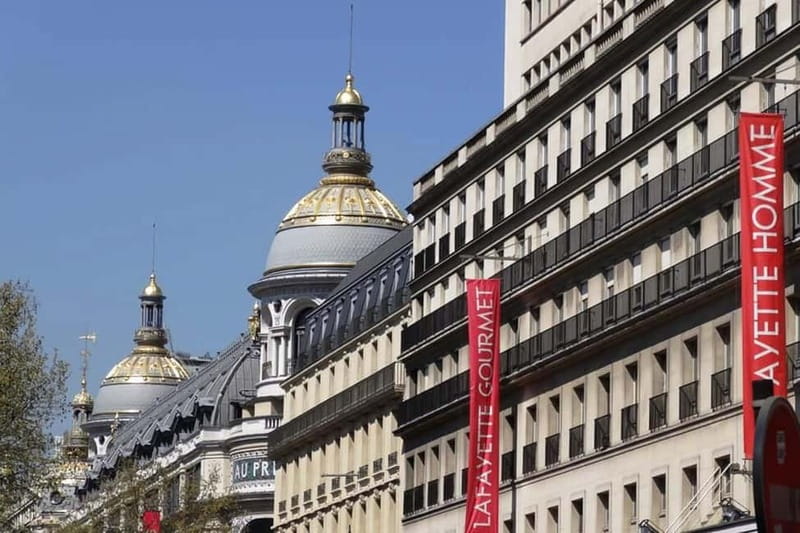
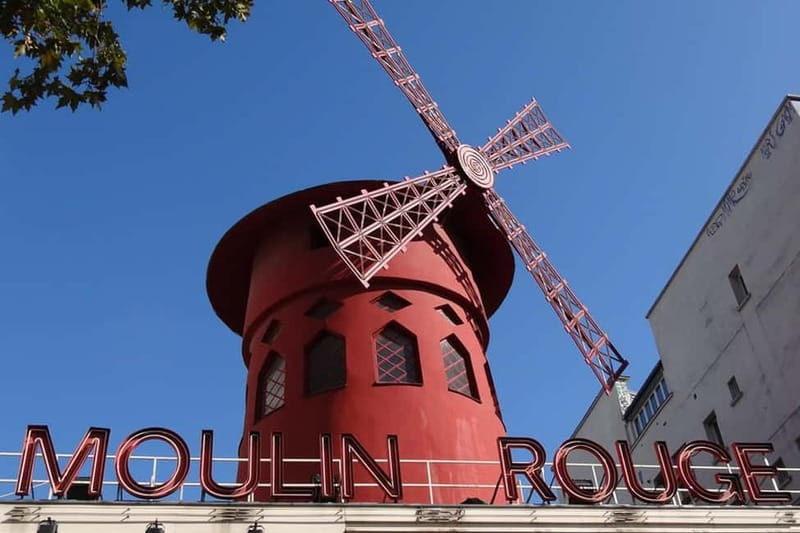
Your meeting point is Metro Blanche (Line 2), on the small traffic island in front of Moulin Rouge. Look for your guide with a HelpTourists bag. That matters more than people think: Montmartre-area streets are busy, and finding your group quickly saves time.
From there, the tour begins at Moulin Rouge, the famous cabaret. This is a smart opening. It sets the tone—Paris nightlife and performance culture—before you shift into the arts quarter of Montmartre. You’ll hear history tied to the area and the way artists and writers found inspiration in this part of the city.
Practical tip: expect this part to feel more “show” than “museum.” You’ll likely be surrounded by tourists, bright facades, and traffic noise. That’s fine. Let the guide frame what you’re seeing so it doesn’t turn into just another building photo.
Sacré-Cœur viewpoints: the big panorama step by step
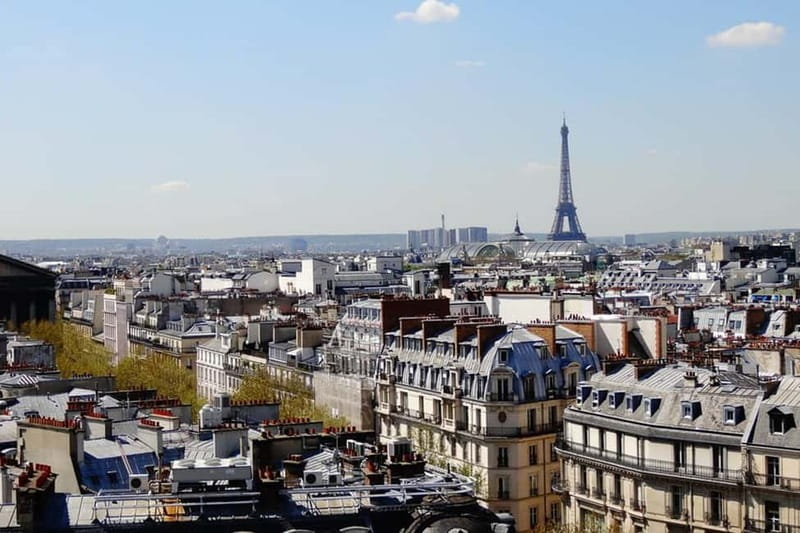
After Moulin Rouge, you’ll head up to Sacré-Cœur Basilica. This stop is a classic for a reason: the views over Paris are why people keep coming back. But what makes this tour different is that you’re not just getting the view—you’re also getting story context around the neighborhood and the artistic scene that helped shape Montmartre’s identity.
Sacré-Cœur sits at a high point, so you’ll feel the climb as part of the experience. If you’re sensitive to walking uphill, wear shoes you trust. The tour is only 4 hours, but Montmartre has its own physics.
Once you’re there, I’d use this moment to slow down. Even if you’ve seen photos, seeing the scale in person lands differently—rooftops, church domes, and the long sweep of the city.
Place du Tertre and the artist square you can actually picture
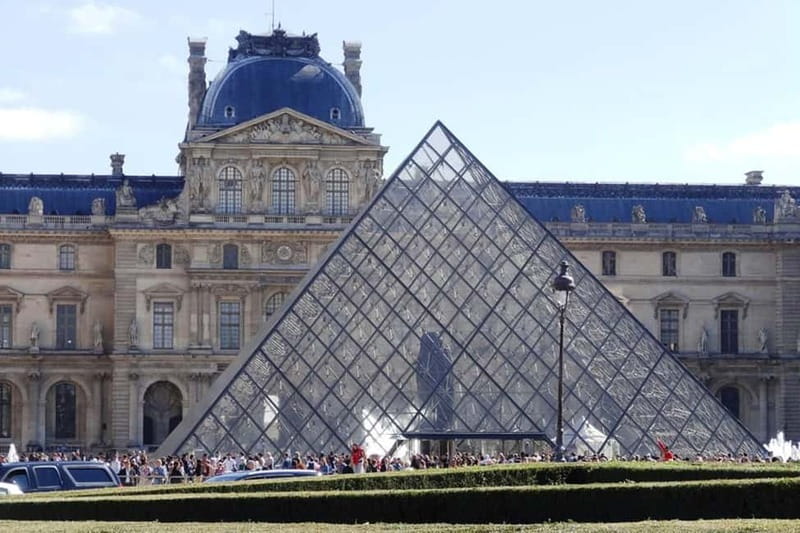
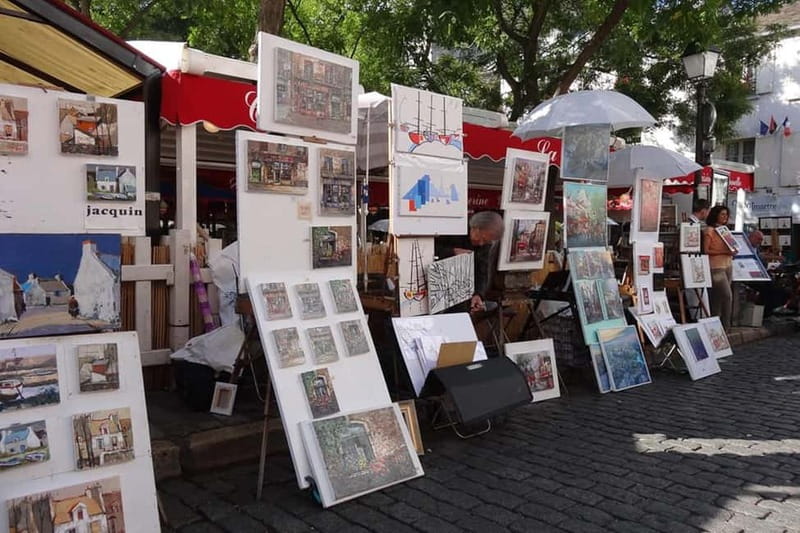
Next up is Place du Tertre, a place known for artists, portraits, and the theatrical Paris everyone imagines. What I like about tours like this is that they make the square feel real, not just commercial.
You’ll learn insider-style information about the famous artist square and the kinds of people who worked in Montmartre at the end of the 19th century and the start of the 20th. That time window matters. It’s when Montmartre grew its reputation as a magnet for creativity, and the streets around Place du Tertre became part of the “artist circuit.”
Also, because this is a guided walk, you can understand what you’re seeing while you’re seeing it. You won’t be guessing which corners connect to which stories. The guide’s job is to help you look with purpose.
If you’re the type who likes to browse, give yourself a few extra minutes here. Not because you must buy anything—just because the square is one of those places where a slow walk through the energy helps it click.
Montmartre off the main routes: quieter streets, same magic
After the headline sights, the tour shifts to the “Montmartre you don’t rush through.” You’ll discover lesser-known corners away from the densest crowds.
This is where private formats shine. Bigger group tours often can’t afford detours. A private guide can. And in Montmartre, small changes in street and angle make a big difference: quieter viewpoints, calmer blocks, and buildings you’d never notice from a bus window.
Expect a mix of street-level history and practical orientation. You’ll follow in the footsteps of famous artists through the quarter, with explanations that help you connect street names, building shapes, and the neighborhood’s creative reputation.
My advice: don’t treat this as downtime. In these quieter parts, you’ll usually get the best “oh, that’s why this place matters” moments. Wear layers too—these blocks can feel cooler or breezier than the main avenues.
You can also read our reviews of more private tours in Paris





Grands Boulevards: old Paris, city views, and an easy rhythm
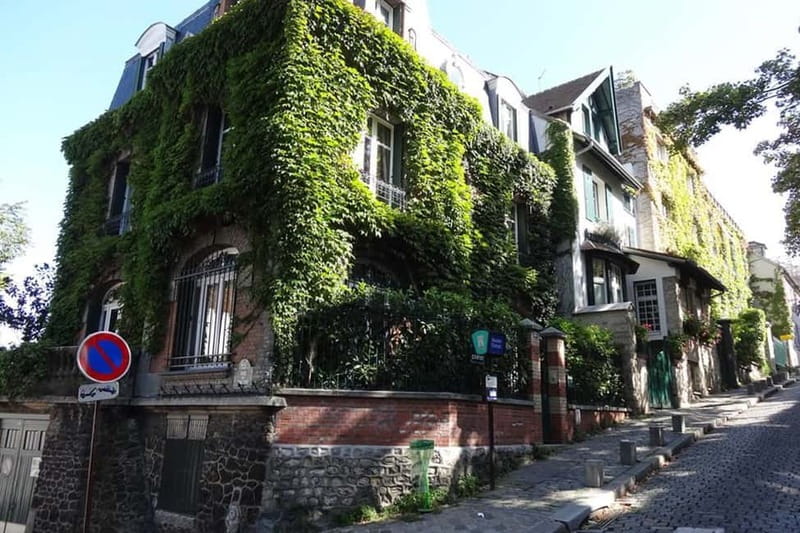
Then the tour continues toward the Grands Boulevards, described as the oldest boulevards in the city. You’ll walk and enjoy a unique view of Paris along the way.
This segment changes the mood. Montmartre’s slopes and artist atmosphere give way to a broader, more urban Paris with classic boulevard energy. It’s a good balance after earlier climbs, and it helps you “read” the city as a whole instead of only one hilltop neighborhood.
If you like seeing how neighborhoods connect, this part helps. Boulevards are major arteries. When you see where they lead, you start understanding why Paris developed the way it did—how people moved, where commerce gathered, and why major landmarks show up where they do.
The 19th-century Passages: Passage Jouffroy and Passage Verdeau
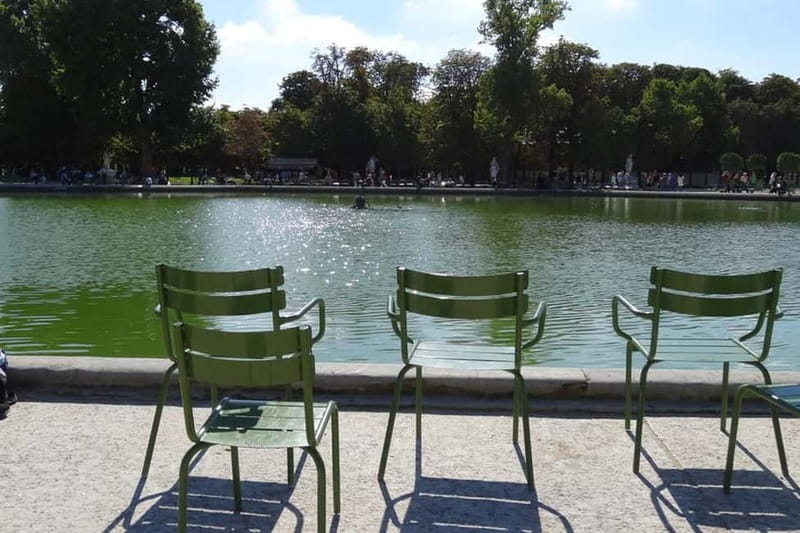
One of my favorite types of Paris experiences is a place you can walk through without the open-air chaos. That’s why the Passages are such a strong part of this tour.
You’ll stroll along hidden 19th-century Passages, including Passage Jouffroy and Passage Verdeau. These covered passageways are the kind of places where you’ll feel like you’ve stepped into a different Paris—one that’s more architectural, more intimate, and less about big squares.
What you’ll get from this stop is not just a photo moment. The guide can connect the passage concept to the era of Paris shopping and street life, so you understand why these spaces were built and how they functioned.
Practical tip: slow down here. The passages can look simple from outside, but the charm is in the interior details—light, signage, layout, and the way the passage creates a sheltered corridor.
Also, because this is a guided walking tour, you’ll be timing it with the group. If you wander too far ahead, you might miss what the guide is pointing out.
From Montmartre to Opéra: Palais Garnier and the Phantom context
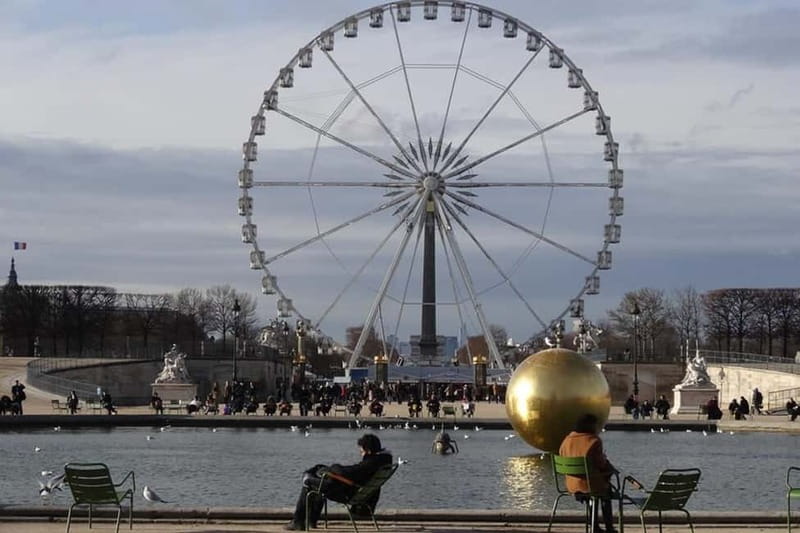
Near the end, the tour brings you past Palais Garnier. This is where you’ll learn history linked to the Phantom of the Opera—the kind of background that makes the Opera setting feel more specific than a generic landmark visit.
The walk ends at Opéra Garnier. That matters because you’ll arrive with context already in your head, instead of treating it as a separate attraction. When you’ve heard the story connections along the way, the building becomes more than a famous facade. It becomes part of an era’s imagination.
Even if you’re not an Opera expert, this is a fun way to connect pop culture to real places. The guide’s explanations help you see how fiction and landmark reputation can reinforce each other over time.
Price and value: what $189 buys for 4 hours
At $189 per person for a 4-hour private walking tour, the value depends on how you like to travel.
This is not a “cheap and cheerful” deal. It’s priced for:
- a German-speaking guide
- private group attention
- a route that combines major landmarks with specific hidden areas like the Passages
If you’re a solo traveler or two people, private pricing can feel steep—especially compared to standard group tours. But if you care about following along in German and want the guide to answer your questions, that $189 can start to feel like money well spent.
Here’s how I’d decide: if you can confidently spend 4 hours walking uphill and you want a focused story-led route, this price can be fair. If your priority is saving money and you don’t mind general commentary, a cheaper group option might fit better.
The practical upside: with a private tour, you’re paying for time efficiency and clarity. You won’t waste as much effort figuring out where to go next.
Who this tour is for (and who should skip it)
This tour is a strong match for you if:
- you speak or want German explanations on the street
- you like art-related context in places like Montmartre and the Opéra area
- you enjoy walking routes that include both big sights and quieter corners
- you prefer a private guide so the pacing and questions match your group
It may be less ideal if:
- you want lots of flexible stop-and-start breaks with minimal walking (the tour is structured for a smooth flow)
- you rely on very frequent rest stops for small kids without any flexibility
One real-world consideration: if you need a quick food stop for children, plan it with your guide ahead of time so you’re not stuck waiting longer than you expected. Private doesn’t automatically mean “flexible every ten minutes”—it means your guide can manage your group, within the tour’s overall rhythm.
Should you book this German private Montmartre and Passages tour?
Yes, if you want a guided Montmartre experience that feels grounded in art history and street-level context, and you’re excited to hear it in German. I’d book this when you care about more than checking boxes—when you want to understand why these places matter and how they connect.
If you’re on the fence because of price, treat it like this: you’re paying for a custom-feeling walk that mixes famous Paris stops with less obvious spaces like Passage Jouffroy and Passage Verdeau, plus a memorable ending at Opéra Garnier with Phantom context.
FAQ
How long is the tour?
It lasts 4 hours.
Where does the tour start?
It starts at 1 Pl. Blanche, with the meeting point at Metro Blanche (Line 2) in front of Moulin Rouge.
Where is the tour ending?
It finishes at Opéra Garnier.
Is the tour private?
Yes. It’s a private group for your group only.
What language is the guide?
The tour guide speaks German.
What sights are included?
You’ll see Moulin Rouge, Sacré-Cœur Basilica, Place du Tertre, key sights around Montmartre, the Grands Boulevards viewpoint area, Passage Jouffroy, Passage Verdeau, and you’ll pass Palais Garnier with history about the Phantom of the Opera before finishing at Opéra Garnier.
What’s included in the price?
A private guided walking tour with a German-speaking city guide is included.
How much does it cost?
It’s listed at $189 per person.
Can children join for free?
Children younger than 12 can join free of charge.
Is it refundable if plans change?
You can cancel up to 24 hours in advance for a full refund.
If you want, tell me your group size and your German level, and I’ll help you decide whether this is the right pace and route for you.