REVIEW · AMIENS
Full-Day Private WW1 Australian Battlefield Day Tour from Amiens
Book on Viator →Operated by Terres de Mémoire · Bookable on Viator
A single day can feel like years. This private Australian WW1 battlefield tour from Amiens strings together the Somme’s most meaningful sites, with time to understand what you’re seeing instead of rushing past it. I particularly liked how the English-speaking WW1 expert guide connects each place to the Australian story, and how the pacing still leaves room to ask questions.
The one clear drawback to plan for: lunch and snacks are not included, so you’ll want to bring or plan ahead so the day doesn’t get cranky.
Because this is a private outing, it works well for people who want to learn in depth, including family-history moments like locating where a relative may have fallen. You’ll also spend a good chunk of time at moving memorials and preserved battlefield ground, which can hit hard in a respectful way. Just be ready for long hours outdoors and bring your patience for quiet moments and lots of walking to viewpoints.
In This Review
- Key highlights worth your time
- Private, English-led Somme day: what you’re paying for (and why it’s worth it)
- Stop 1: Lochnagar Crater and the shock of July 1916
- Pozieres: where the Australian story takes over the map
- Thiepval Memorial: the missing on the Somme
- Beaumont-Hamel (Terre-neuvien): a well-preserved 1916 battlefield moment
- Albert and the Somme 1916 Underground Museum: the inside stop that makes it real
- Le Hamel: Monash’s first big command as Australian Corps commander
- Villers-Bretonneux and the Sir John Monash Centre: linking sacrifice to meaning
- Making it personal: family graves and respectful war-heritage moments
- Timing, comfort, and what to pack for a 9-hour day
- Price and logistics: when private is the smart choice
- Should you book this Amiens Australian WW1 battlefield tour?
- FAQ
- FAQ
- How long is the Full-Day Private WW1 Australian Battlefield Day Tour from Amiens?
- What time does the tour start?
- Is the tour private?
- Is there an English-speaking guide?
- What sites are included during the day?
- Are tickets and museum fees included?
- Is lunch or snacks included?
- Is pickup available?
- What happens if the weather is poor?
- What is the cancellation policy?
Key highlights worth your time

- Lochnagar Crater: a preserved blast site that sets the tone for everything else you’ll see.
- Pozieres area: key Australian fighting ground tied to names like Gibraltar, the Windmill, and Mouquet farm.
- Thiepval Memorial: a major Somme monument focused on the missing.
- Beaumont-Hamel (Newfoundland memorial area): a well-preserved 1916 battlefield that’s especially powerful.
- Albert + the Somme 1916 Underground Museum: the included indoor stop that turns trenches into something you can picture.
- Villers-Bretonneux + Sir John Monash Centre: a modern, interactive way to understand Australian meaning after the war.
Private, English-led Somme day: what you’re paying for (and why it’s worth it)

At $337.15 per person for roughly 9 hours, this isn’t a cheap day trip. The value is that you’re buying private transportation plus an English-speaking WW1 expert guide, with access and museum/site fees included. In other words, you’re not spending time figuring out routes, parking, or tickets while also trying to make sense of a complicated battlefield geography.
You also get the advantage of learning in the order the Western Front makes sense. The Somme can feel like a list of places until someone helps you connect crater, trenches, memorials, and command decisions into one storyline. And since this is private (only your group), your questions don’t get swallowed by a big crowd.
One practical detail that helps: you start at 9:00 am. That early start matters on this kind of route, because you’ll want daylight for viewpoints at the craters and memorials, and time for the indoor museum stop in Albert.
You can also read our reviews of more private tours in Amiens

Stop 1: Lochnagar Crater and the shock of July 1916
Lochnagar Crater is the kind of site that makes people automatically quiet. It was created by an underground explosion on 1 July 1916, just before an infantry assault. That timing is important because it turns the crater from a “cool wartime photo spot” into a moment that sits right on the edge of real military decisions.
You’ll have about 30 minutes here, which is enough time to take in the scale, then refocus on what the explosion meant for the attackers and defenders around it. With a guide leading the explanation in English, you’re more likely to notice the details that make the site historically specific rather than just visually dramatic.
If you’re the type who likes to stand, look, then ask questions, this is a strong first stop. It gives you a baseline for the rest of the day.
Pozieres: where the Australian story takes over the map

Pozieres is a name you keep hearing when people talk about Australian losses on the Somme. This stop is one of the strongest “put-your-foot-on-the-ground” parts of the day, with about 1 hour to work through the area tied to Gibraltar bunker, the Windmill, and Mouquet farm.
Why it matters: this is the sort of place where the terrain and the fighting line were brutally close together. When you connect those landmarks to what the Australians were facing, the memorials later in the day feel less like separate monuments and more like part of a single chain of events.
A big upside of private guiding here is that you can slow down at the points that matter to you. And if you’re coming with family history, this is the kind of region where a careful guide can help you make sense of what you’re looking at in relation to where someone might have been.
The only gentle warning: it can be emotionally heavy. If you’re sensitive to war cemeteries or loss, you may find yourself wanting extra pauses and time to process, and this day is built for that pace.
Thiepval Memorial: the missing on the Somme

Next up is the Memorial de Thiepval, with about 30 minutes. This memorial commemorates the missing of the Somme. That single idea changes how you read the stone. Instead of thinking only about a battle, you’re reminded that many people were never identified, never returned, and never given a simple end point.
Thiepval can be striking in scale. What makes it valuable on this tour is that you don’t just “see” it—you understand why it was built and what it tries to do for families who received no clear closure.
You’ll likely leave this stop with a clearer sense of why later memorials and preserved sites matter. They aren’t just reminders. They’re attempts to hold the line for those who were lost without a known grave.
Beaumont-Hamel (Terre-neuvien): a well-preserved 1916 battlefield moment

The Memorial Terre-neuvien de Beaumont-hamel is another 30-minute stop, and it’s described as a unique and well preserved battlefield from the 1916 battle. That matters because preservation changes your understanding. You’re not only learning from stories—you’re seeing a place that still helps you picture what the ground looked like during fighting.
This is also the kind of stop where good guiding really counts. With a WW1 expert explaining what to look for, you can connect the memorial setting to the fighting conditions and the human cost in a way that’s much more concrete than reading alone.
This stop also tends to feel “direct,” in the sense that the preserved ground brings you into the same reality as the people who were there. If you’re ready for that, it’s one of the most effective emotional anchors of the day.
A few more Amiens tours and experiences worth a look

Albert and the Somme 1916 Underground Museum: the inside stop that makes it real

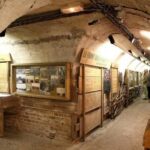
In Albert, you’ll get about 1 hour at the Somme 1916 underground museum, and you’ll also have time to stop for lunch in town. Lunch isn’t included, so think of this as your window to eat without rushing across the region.
Why the underground museum is such a smart move: it helps you understand the war beyond the big-view memorials and crater photos. Even if you’ve read a lot about WW1, underground spaces tend to make the details click—how people moved, lived, and worked under pressure, and how the battlefield became a system of tunnels, routes, and survival spaces.
It’s also a nice rhythm-break after the outdoor memorials. Your brain gets a reset, and when you head back outside again—toward places like Le Hamel and Villers-Bretonneux—you’ll feel like you can “see” the story more clearly.
Le Hamel: Monash’s first big command as Australian Corps commander
Le Hamel is where the tour shifts from the long middle of the Somme to the momentum of 1918. You’ll spend about 45 minutes here, and the focus is on the first battle with Sir John Monash as commander of the Australian Corps on 4 July 1918.
This is a valuable contrast point. Earlier stops focus on the heavy static fighting and its lasting memorial impact. Le Hamel adds the operational story: how leadership and tactics evolved, and how Australian forces were used in a changing war by 1918.
Because it’s a private tour, you can take your time at the points your guide highlights. If you like understanding command decisions—how the pieces fit—this stop is a payoff.
Villers-Bretonneux and the Sir John Monash Centre: linking sacrifice to meaning
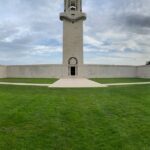
The day finishes at Villers-Bretonneux, spending about 1 hour 30 minutes. Here you get both the Australian monument and the Sir John Monash Centre, with an interactive exhibition.
This is one of those “how we remember” stops that works better at the end of the day than at the start. By then, you’ve already seen craters, memorials for the missing, and preserved battlefield ground. Now the story turns toward what Australians built and how the memory continues to live in the present.
The Sir John Monash Centre is also a strong choice if you prefer learning through hands-on exhibits. You’re not only standing and listening; you’re interacting with the material in a way that can be easier to absorb after hours outside.
It’s also a meaningful place for anyone with Australian connections. The name and the memorial setting carry weight, and the centre helps translate that into something you can actually understand, not just feel.
Making it personal: family graves and respectful war-heritage moments
One of the most praised aspects of this tour is its ability to connect your learning to real personal stakes. People have mentioned finding their great uncle’s grave and seeing the approximate battlefield area where he died, with the guide helping make the connection.
If you have family details, bring what you have—names, any dates, and what you already know about the unit or where you think the fighting happened. A good guide can help you connect those clues to what you can realistically see on the ground during a day like this.
You may also encounter the German war grave situation in the area. That kind of moment can be solemn, and it’s worth treating it with respect and giving yourself a minute to breathe before you move on. A private format helps here, because you won’t feel rushed.
And a small but real point: guides on this tour are described as having excellent English and balancing professionalism and respect. That’s important when the topic isn’t “fun history,” it’s lived loss.
Timing, comfort, and what to pack for a 9-hour day
This is a long day. You’re moving between multiple major sites, most of them outdoors, and you’ll be doing it with a schedule that holds together the story in the right order.
You should plan for:
- No lunch included and no snacks included, so eat before you go or budget for food in Albert and between stops.
- A need for comfortable walking shoes for viewpoints around craters and memorial grounds.
- Weather flexibility. The experience notes a good-weather requirement, and if it’s canceled for poor weather you’ll be offered a different date or a full refund.
Bring a water bottle, and if you’re prone to getting hungry, add an extra snack. It’s a small thing that keeps your brain open for the bigger emotional and educational work of the day.
Price and logistics: when private is the smart choice
The headline number—$337.15 per person—can feel steep until you break down what’s included. You’re getting private transportation, an English WW1 expert guide, and access to all sites plus museum fees. If you were trying to assemble this yourself, the costs add up fast: time, transit, parking, and admissions.
Also, you’re booking around a day with tight timing between sites. That’s where private guiding and transportation pay off. You’ll spend more energy paying attention instead of managing the logistics.
Another detail: this is often booked about 87 days in advance on average. If your dates matter, don’t wait too long.
Should you book this Amiens Australian WW1 battlefield tour?
If you want a Somme day that’s structured, respectful, and actually explains what you’re seeing, I think you should strongly consider booking. The big win is the combo of private guidance, a clear Australian WW1 focus, and stops that range from battlefield scars like Lochnagar Crater to remembrance spaces like Thiepval and Villers-Bretonneux.
It’s especially a good fit if:
- you care about Australian involvement on the Western Front,
- you want the guide to connect locations to the bigger story,
- you might have family ties and want help making sense of where someone may have been.
Skip it only if you’re looking for a casual, low-emotion overview. This day is built around memorials, battle ground, and what the war did to real people. If that’s what you want—this tour is well matched.
FAQ
FAQ
How long is the Full-Day Private WW1 Australian Battlefield Day Tour from Amiens?
It runs for about 9 hours.
What time does the tour start?
The start time is 9:00 am.
Is the tour private?
Yes. It’s a private tour/activity, so only your group participates.
Is there an English-speaking guide?
Yes. The tour includes an English speaking guide / WW1 expert.
What sites are included during the day?
You visit Lochnagar Crater, Pozieres, Memorial de Thiepval, Memorial Terre-neuvien De Beaumont-hamel, Albert with the Somme 1916 underground museum, Le Hamel, and Villers-Bretonneux including the Australian monument and the Sir John Monash Centre.
Are tickets and museum fees included?
Yes. Access to all the sites and museum fees are included.
Is lunch or snacks included?
No. Snacks and lunch are not included.
Is pickup available?
Pickup is offered.
What happens if the weather is poor?
The experience requires good weather. If it’s canceled due to poor weather, you’ll be offered a different date or a full refund.
What is the cancellation policy?
Free cancellation is available up to 24 hours in advance for a full refund. If you cancel less than 24 hours before the start time, the amount paid will not be refunded.