REVIEW · AMIENS
Amiens, Australian Imperial Force on the Somme in WWI
Book on GetYourGuide →Operated by Historical Consulting Tourism & Patrimony · Bookable on GetYourGuide
The most moving part of this private Somme tour is the way it connects broad military history with personal family stories. At Le Hamel, Villers-Bretonneux, and Pozières, you are not simply looking at monuments. You are following the ground where Australian divisions fought, often with a guide who has researched the names and units that matter to your family.
I like the bespoke research and the simple, practical route from Amiens. Guides Frederic and Murielle have prepared detailed visits for families tracing relatives who fought or died at Le Hamel, the Somme, and Pozières. I also like the private vehicle, bottled water, and freedom to shape the day around a pilgrimage rather than follow a fixed script.
The main consideration is the emotional weight. This is a serious day among battle sites and cemeteries, not a light sightseeing outing. You also need comfortable shoes, and the tour is not suitable for children under 11 or wheelchair users.
In This Review
- Key points at a glance
- Why this Somme tour feels personal
- Leaving Amiens for Le Hamel
- Villers-Bretonneux and the Australian memorial
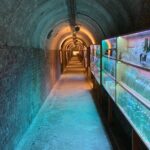
- The Sir John Monash Centre
- Optional lunch in Albert
- Pozières and the Australian divisions
- What the private vehicle adds
- Guide style and family research
- Is $751 good value for four people?
- Practical timing and seasonal limits
- Who should book this experience?
- Should you book the Amiens Australian Somme tour?
- FAQ
- Where does the tour begin and end?
- How long does the tour last?
- How much does the tour cost?
- Is the tour private?
- Which languages are available?
- What places are visited?
- Can the tour be customized for a family pilgrimage?
- Is lunch included?
- What should I bring?
- Who cannot take this tour?
Key points at a glance

- Trace Australian action at Le Hamel and Pozières: See trench and bunker remains, Gibraltar bunker, the Windmill, and the area around Mouquet Farm.
- Visit the National Australian Memorial and Cemetery: Villers-Bretonneux gives the day a powerful commemorative focus.
- Use the Sir John Monash Centre for wider context: This adds structure to the military story before you move on to individual sites.
- Build the day around your family history: Frederic and Murielle have researched relatives in advance for private pilgrimage visits.
- Travel in a private vehicle from Amiens: The seven-hour format keeps the route efficient and gives your group room for questions.
- Plan for a full, solemn day: Lunch in Albert is optional, while food, drinks, snacks, souvenirs, and personal costs are extra.
Why this Somme tour feels personal

Many battlefield tours give you a map, a few dates, and a quick stop at a memorial. This experience can go much further when you provide family details before the visit. The guide may research relatives connected with Le Hamel, the Somme, or Pozières and then shape the route around their service.
That personal approach has been especially strong in visits led by Frederic. He has prepared tours around two grandfathers, great-grandfathers, and relatives who died or were mortally wounded in the fighting. Murielle has also prepared family-focused visits, including research into relatives involved at Le Hamel, the Somme, and Pozières.
I would send every useful detail you have before booking or as soon as the reservation is made. Names, units, dates, places, and cemetery records can help the guide make the day more precise. The tour can also be customized as a pilgrimage, which is important if your purpose is remembrance rather than a general introduction to the Somme.
The private format matters here. You can pause at a grave, ask about a unit, or spend more time on a site without worrying about a large group waiting in the vehicle. Frederic has been described as sensitive when guiding families through difficult discoveries, and that quality is worth more than a fast delivery of facts on a day like this.
You can also read our reviews of more tours and experiences in Amiens.

Leaving Amiens for Le Hamel

Your day begins with departure from your hotel in Amiens. The route first heads toward Le Hamel, where you can see remains of trenches and a bunker, then visit the Australian Memorial.
These physical remains help explain the conditions behind the names on memorial walls. A trench line or bunker is modest compared with a grand monument, but it gives you something solid to look at while the guide explains how the position fitted into the fighting. Do not expect a preserved theme park or a long museum-style display. The value is in seeing surviving traces in their actual setting.
Le Hamel is also a useful opening stop because the tour is specifically about the Australian Imperial Force on the Somme. You begin with the ground itself, then move toward larger memorial sites and interpretive material.
Wear shoes that can handle uneven ground. The tour description asks you to bring comfortable shoes and comfortable clothing, and that advice is practical rather than decorative. Weather can affect how easily you move around outdoor sites, as one November visit was adapted to poor conditions.
Villers-Bretonneux and the Australian memorial

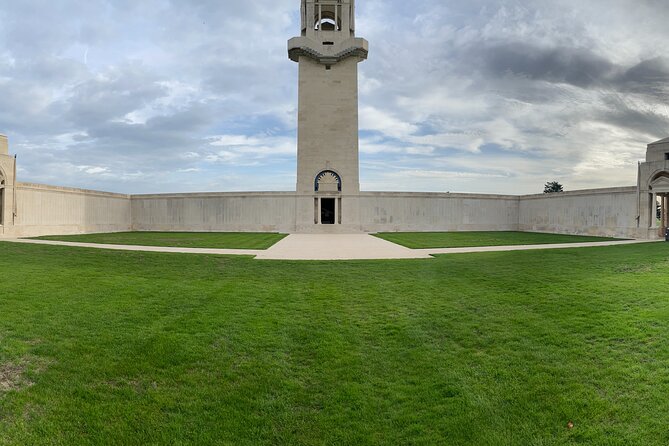
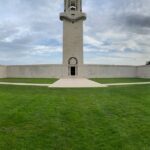
The next major stop is Villers-Bretonneux, home to the National Australian Memorial and Cemetery. This is one of the day’s central points, especially if you are looking for a relative’s final resting place or want a quiet place to reflect.
The memorial and cemetery shift the focus from battlefield positions to remembrance. You can connect the individual names and graves with the places you have already seen. If your guide has researched a family member, this is where the visit may become especially specific and emotional.
Give yourself permission to take this stop slowly. A private tour lets you ask questions in the moment, but you do not have to fill every silence with conversation. For family groups, that flexibility can make a real difference.
The cemetery visit also helps you understand the scale of loss without relying only on battlefield terminology. Names, rows, and memorial architecture make the human cost easier to grasp. I find this more meaningful when paired with the smaller trench and bunker remains at Le Hamel, because the day moves between personal loss and military action.
The Sir John Monash Centre

The Sir John Monash Centre adds a dedicated Australian focus to the route. It is a useful place to gather the military story before heading to more specific positions around Pozières.
The centre is particularly valuable if your group includes people with different levels of interest. Someone already familiar with the Somme can ask detailed questions at the battle sites, while someone new to the subject can use the centre to build a clearer base.
Your guide remains important here. A museum or interpretation centre provides information, but the guide can connect it with your family research and the sites you will visit later. Frederic has pointed out front lines and second waves of battle while driving between stops, helping the route feel like one connected story rather than a string of unrelated monuments.
The timing is worth noting. This is a seven-hour tour, so the centre is part of a full day rather than an isolated museum visit. You will need to balance time indoors with outdoor stops, lunch, and the drive to Pozières.
Optional lunch in Albert

Lunch in Albert is optional. It gives you a sensible break in the middle of a long day, but food, drinks, and snacks are not included in the tour price.
That arrangement gives you choice. If your group wants a proper meal, Albert is built into the route as a possible stop. If you prefer to keep moving or have your own plans, you can treat lunch as flexible. Ask your guide how much time is available, since the itinerary includes several important sites and the day ends back in Amiens.
Bring or buy what you need for the day. Bottles of water are provided in the vehicle, but the tour does not cover personal refreshments. A small snack may be useful if you do not plan to stop for lunch.


Pozières and the Australian divisions

After Albert, the tour moves to Pozières. Here the focus turns to the involvement of the 1st and 2nd Australian Divisions in the surrounding area.
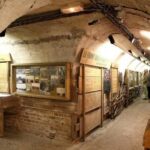
The sites named for this section are Gibraltar bunker, the Windmill, and Mouquet Farm. They are not presented as generic battlefield scenery. The guide uses them to explain the movements and fighting connected with the Australian divisions, then places those actions within the wider route you have already followed.
This part of the day is likely to suit visitors who want more than a memorial visit. You are looking at positions tied to combat, including the area where the 1st and 2nd Australian Divisions were involved. The surviving features and location names give the military discussion a clear physical reference.
The Windmill and Mouquet Farm are also useful for orientation. From the vehicle and at the stops, your guide can point out where fronts and later waves of battle were positioned, based on the experience described by families who took this tour. That kind of explanation is hard to get from a sign alone.
The final Pozières stop is the 1st Australian Monument. Like the National Australian Memorial, it carries a commemorative role, but its place in this battlefield-focused section gives it a different effect. You have just considered fighting positions and division movements, so the monument becomes a direct reminder of the people behind those operations.
What the private vehicle adds

The tour includes private transportation from Amiens and back. For this route, that is more than a comfort feature. The stops are spread across Le Hamel, Villers-Bretonneux, Albert, and Pozières, so having a vehicle keeps the day practical.
You are not trying to piece together several rural sites by public transport. You can also leave bags in the vehicle and return to it between outdoor visits. Bottled water is supplied, which is helpful on a seven-hour outing, though meals and other personal costs remain yours.
A private group also makes conversation easier. If you are visiting because of a grandfather, great-grandfather, or other relative, you can ask questions without sharing the guide’s attention with strangers. The day can be adjusted to suit your group’s needs and, where requested, turned into a pilgrimage visit.
There are limits. Private transportation does not remove the need for walking, outdoor clothing, or sensible shoes. The experience is not suitable for wheelchair users, and the minimum age is 11.
Guide style and family research

The strongest feature of this experience is the human guidance. Frederic has been praised for researching relatives before the tour, explaining battle positions while driving, and handling emotional family visits with care. Murielle has also prepared bespoke research for relatives connected with Le Hamel, the Somme, and Pozières.
The guides speak English and French. That makes the tour workable for Australian visitors and for French-speaking families, though you should select or confirm your preferred language when checking availability.
I would not treat the guide as a simple driver who happens to know the route. The preparation is a major part of the value. Send questions early, especially if your family member’s story is the reason for the trip. The more precise your information, the better the guide can connect a name to a place.
This also makes the tour useful for people who are not tracing a relative. You still receive a guided explanation of Australian involvement, the divisions connected with Pozières, and the purpose of the memorials. But families with a direct link to the Somme are likely to get the most from the private format.
Is $751 good value for four people?
The price is $751 per group of up to four people. That is a high total for a day out, but it includes a private guide, private transportation, and seven hours of service. With four people sharing the cost, it works out to about $188 per person before lunch and other personal spending.
The value improves if you want family-history research or a pilgrimage-style route. A standard group outing may provide a general battlefield explanation, while this format can be prepared around two grandfathers, a great-grandfather, or another named relative. That preparation is the part that makes the price easier to justify.
For one or two people, the per-person cost is much higher. I would book it when the subject matters enough that you want time, privacy, and a route built around your questions. If you only want a quick overview of the Somme, you may find the seven-hour private format more than you need.
Food, drinks, snacks, souvenirs, and personal expenses are not included. Keep those costs in mind, especially if you choose lunch in Albert.
Practical timing and seasonal limits
The experience lasts seven hours, with starting times available according to the date you choose. The route returns to Amiens at the end of the day.
From December through February, some sites may close for maintenance, so the program may need to change. Ask about the exact winter route before you commit to a date. The tour can still be worthwhile in the colder months, but you should be prepared for weather and possible substitutions in the schedule.
Comfortable clothes and shoes are essential. This is an outdoor battlefield visit with cemetery and memorial stops, not a fully indoor museum program. Bottled water is supplied in the vehicle, but you should plan your own food and snacks.
Cancellation is flexible: you can cancel up to 24 hours in advance for a full refund. You can also reserve now and pay later, which helps if you are still arranging a wider France itinerary.
Who should book this experience?
I would recommend it most strongly to families tracing Australian service on the Somme. If you have a relative connected with Le Hamel, Villers-Bretonneux, Pozières, or the surrounding fighting, the guide’s research and private format can turn a battlefield visit into a personal act of remembrance.
It also suits adults and older teenagers who want a focused introduction to Australia’s role in WWI. The day includes enough variety to keep the story moving: trenches and a bunker, a national memorial, a cemetery, an interpretation centre, division battle sites, and the 1st Australian Monument.
I would think twice if your group wants a relaxed sightseeing day with little walking or heavy historical discussion. Children under 11 cannot take part, and wheelchair users are excluded. The subject is also solemn, so it is best for people prepared to spend a full day with wartime loss at the center of the experience.
Should you book the Amiens Australian Somme tour?
Book it if you want a private, carefully guided visit rather than a quick look at monuments. The strongest reason is the chance to connect your own family names with actual places, especially through advance preparation by Frederic or Murielle.
The route covers the essential Australian points listed for the day, from Le Hamel to Villers-Bretonneux and Pozières, while the optional Albert lunch gives you a useful pause. The price makes most sense for up to four people who value privacy and family research.
If you are ready for a solemn and sometimes emotional day, this is a thoughtful way to understand the Australian Imperial Force on the Somme. Bring good shoes, share your family information early, and allow the memorial stops the time they deserve.
FAQ
Where does the tour begin and end?
The tour departs from your hotel in Amiens and returns to Amiens at the end of the day.
How long does the tour last?
The experience lasts seven hours.
How much does the tour cost?
The price is $751 per private group of up to four people.
Is the tour private?
Yes. It is offered as a private group experience.
Which languages are available?
Guiding is available in English and French.
What places are visited?
The route includes Le Hamel, Villers-Bretonneux, the National Australian Memorial and Cemetery, the Sir John Monash Centre, Albert if you choose the lunch stop, and Pozières.
Can the tour be customized for a family pilgrimage?
Yes. The tour can be customized at your request as a pilgrimage tour.
Is lunch included?
No. Lunch in Albert is optional, and food, drinks, snacks, and personal expenses are not included.
What should I bring?
Bring comfortable shoes and comfortable clothes. Bottled water is provided in the vehicle.
Who cannot take this tour?
The tour is not suitable for children under 11 or wheelchair users. Some sites may also be closed for maintenance between December and February, so the program may need to change.