REVIEW · AMIENS
Vimy, The Somme: Canada in the Great War from Amiens, Arras
Book on GetYourGuide →Operated by Historical Consulting Tourism & Patrimony · Bookable on GetYourGuide
Vimy Ridge and the Somme are not simply names on a map. They are places where trenches, blasted ground, memorials, and underground tunnels bring Canada’s First World War story close to eye level. This private tour with Frederic takes you from Amiens or Arras at 9:00 a.m. and links the major Canadian sites in one well-planned day.
I like the private format, especially if you have family history to follow. Frederic has researched individual soldiers for relatives, including John and George Buswell, and has helped one family trace a great uncle from his battlefield to his grave. I also like the flexible pace: the route is planned, but the guide can adjust his explanations and stops to match your interests.
The main consideration is the pace. Seven hours covers a lot of ground, and this is a serious historical outing rather than a light sightseeing trip. You will walk at trenches and memorial parks, food is not included, and the tour is not suitable for children under 11 or wheelchair users.
In This Review
- Key points at a glance
- Why this Vimy and Somme tour works
- Starting at Vimy Ridge at 9:00 a.m.
- Reading the Canadian National Vimy Memorial
- Beaumont Hamel and the Memorial Park
- Hawthorn Crater and the force beneath the ground
- Thiepval and Mouquet Farm
- Pozières and the first battlefield use of tanks
- Flers-Courcelette and the return toward Amiens
- Lunch, water, and what to bring
- Frederic’s guiding style
- Is $701 good value for four people?
- Who should book this day?
- FAQ
- Where does the tour start?
- How long does the experience last?
- Is this a private tour?
- Which languages does the guide speak?
- Is lunch included?
- What should I bring?
- Can children join the tour?
- Is the tour wheelchair accessible?
- Should you book it?
Key points at a glance
- Vimy Ridge above ground and below it: Visit the interpretive centre, preserved trenches, and underground tunnels.
- A private route for up to four people: The fixed group price of $701 can offer good value for a family or small party.
- A Canadian story across several battlefields: See Beaumont Hamel, Thiepval, Mouquet Farm, Pozières, and Flers-Courcelette.
- Frederic brings a military background: His former French military career adds useful perspective to the sites.
- Family research can shape the day: Give the guide names and burial details in advance if your purpose is remembrance.
- A full seven hours on foot and in the vehicle: Wear comfortable shoes and clothing, and budget separately for lunch.
Why this Vimy and Somme tour works
The strength of this outing is the connection between places. You do not see Vimy Ridge as an isolated monument, then rush off to an unrelated attraction. Instead, the day follows the Canadian experience through defensive trenches, underground work, mine craters, memorials, and battlefield positions.
That structure matters. At Vimy, you can begin with the wider setting and the machinery of war. At Beaumont Hamel, the focus shifts to the men who crossed open ground from trenches. Later stops show how the fighting changed, including the arrival of tanks near Pozières. By the end, the names and dates have a physical setting.
You travel in private transportation with bottled water provided in the vehicle. Starting from your hotel in Amiens or Arras makes the morning straightforward, and the return is to Amiens. If you are arriving by train, the arrangement can also work well: Frederic has met people at Arras station and returned them promptly to the station after the day.
The price is $701 for a group of up to four. That sounds high beside a shared excursion, but the comparison changes if four people split it. You are paying for a private vehicle, a guide for the full day, and a route that covers several sites without having to organize separate transport. For one or two people, the cost is harder to justify unless the personal or family connection is especially important.
You can also read our reviews of more tours and experiences in Amiens.

Starting at Vimy Ridge at 9:00 a.m.

The tour begins with pickup at your hotel in Amiens or Arras at 9:00 a.m. The early start is useful. It gives you a full working day at sites that reward quiet attention, though the schedule will feel active rather than leisurely.
At Vimy Ridge, you visit the interpretive centre before or alongside the battlefield remains. This helps you understand what you are looking at when you reach the trenches. Without context, a line of earth and timber can seem modest. With an explanation of how troops lived and fought there, the same ground becomes far easier to read.
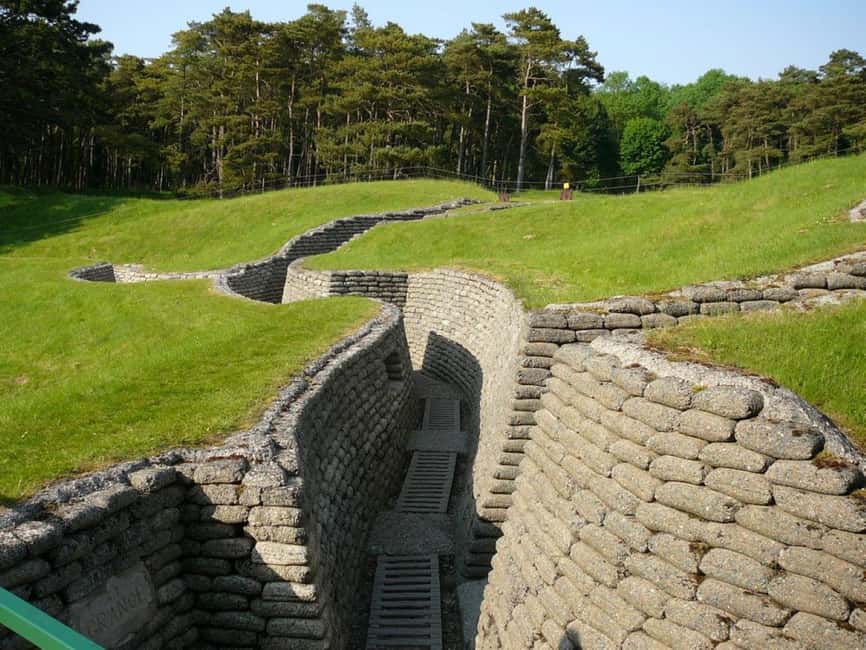
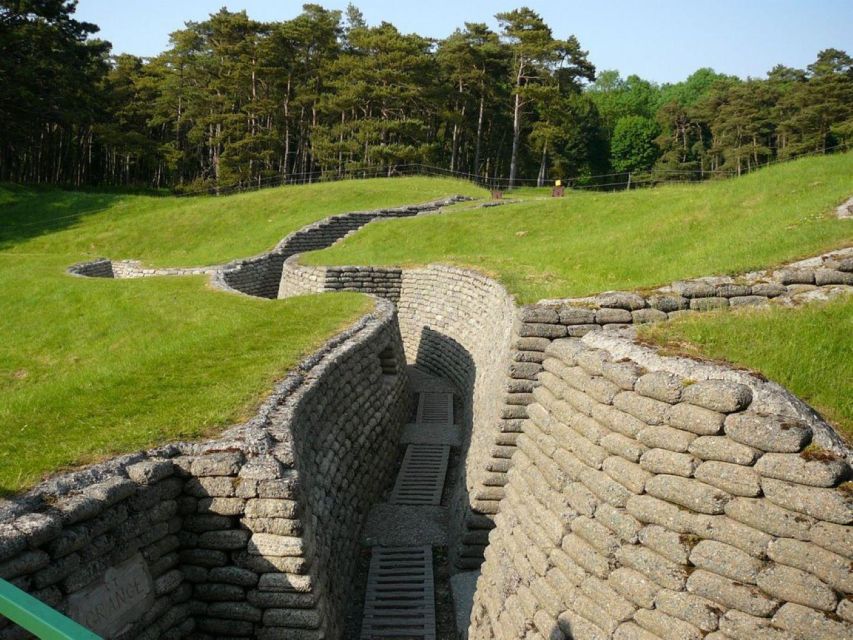
The preserved trenches are one of the day’s most direct encounters with the battlefield. You can walk along the defensive lines and see how close the opposing positions could be. The point is not visual drama. It is scale, exposure, and the awkward shape of a place built for survival.
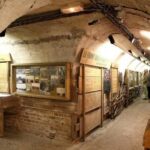
The underground tunnels add another layer. These passages show the work carried out below the surface and the need to move, shelter, and prepare away from enemy fire. You should expect uneven walking and bring shoes that can handle a long day on your feet.
The guide is a major part of the Vimy visit. Frederic speaks English and French, and his English has been described as clear and easy to follow. His former French military career gives him a useful frame for discussing military decisions, though the value here is also his willingness to answer questions and adjust the presentation.
Reading the Canadian National Vimy Memorial
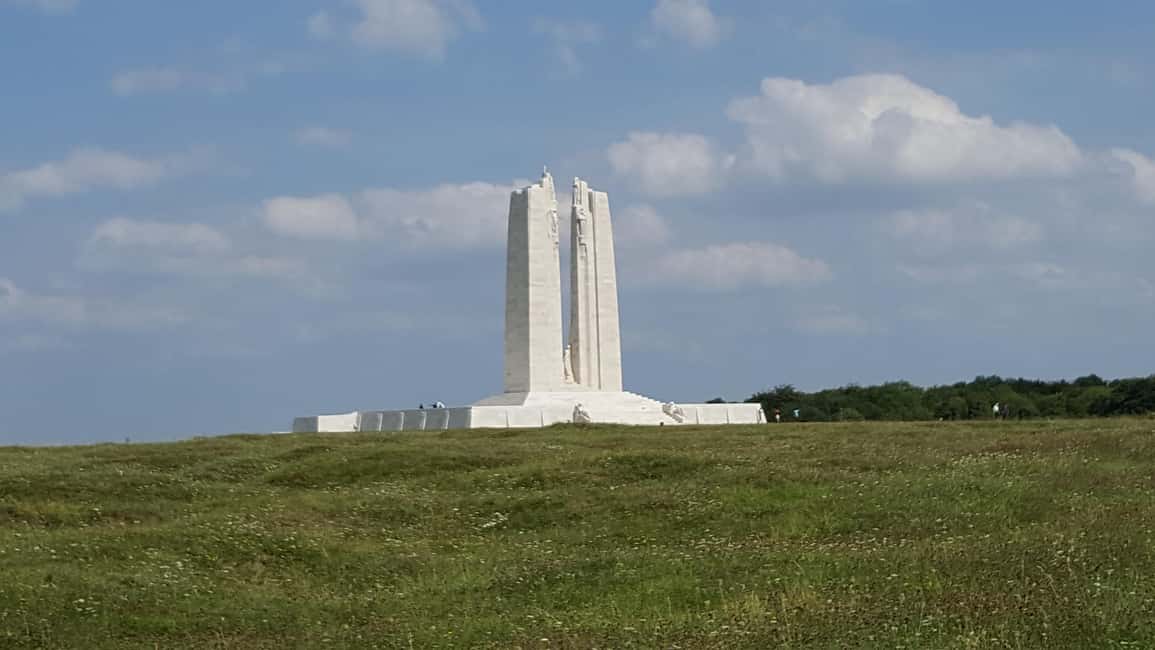
The memorial is not just a quick photo stop. It is one of the emotional anchors of the day, and you should allow yourself time to look beyond the main view.
The site can feel peaceful, even quiet, which creates a sharp contrast with the fighting that took place here. That calm is part of the experience. It gives you room to think about the names, the absence of known graves, and the scale of loss without the noise of a crowded attraction.
Frederic can connect the memorial to the trenches and tunnels you have just seen. That link is important. The monument becomes less abstract when you have already walked through the defensive system and stood on the ground around it.
If your family has a Canadian connection, tell the guide before the tour. The most personal use of this tour has been tracing a relative’s movements, death, and grave. That kind of research cannot be promised for every name, but the experience is clearly suited to people who want more than a general battlefield overview.
Beaumont Hamel and the Memorial Park
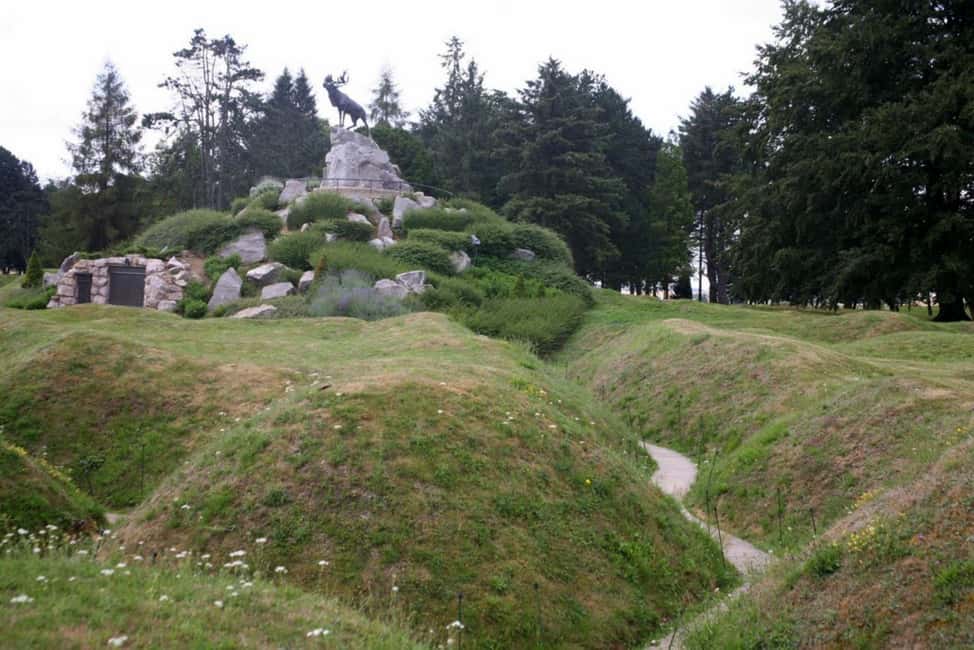
After Vimy, the route continues to Beaumont Hamel. Here, you visit the visitor centre and walk through the Memorial Park to see the trenches.
This is a good place to slow down mentally. The park combines open ground with preserved battlefield features, so the setting helps you understand the distance soldiers had to cross and the protection the trenches offered. You are not simply looking at a monument. You are moving through a site where the arrangement of the ground is part of the explanation.
The visitor centre gives the stop a useful starting point. It can help you place the Canadian forces within the wider Somme fighting before you walk outside. Ask questions as you go. One of the clearest strengths of a private guide is that you do not have to wait for a general presentation to finish before discussing the detail that interests you.
The walking here is manageable for many people, but the tour is not designed for wheelchair users. Comfortable shoes and clothing are essential. The day includes several outdoor stops, and the amount of walking can make the experience tiring even when the route is well planned.
Hawthorn Crater and the force beneath the ground
Hawthorn Crater brings a different kind of evidence to the day. It was created by two underground explosions, and the resulting crater helps explain how mines were used in the battle.
You will not get the same kind of information from a memorial plaque alone. The altered ground shows the force involved and the way the battlefield could be changed from below. Frederic’s role is to connect what you see on the surface with the engineering and combat decisions that shaped it.
This stop also helps break up the memorial visits. The day moves between places of remembrance and places where the physical remains of battle still carry the story. That variety keeps the route from becoming a string of similar monuments.


Thiepval and Mouquet Farm
Thiepval adds another major memorial stop, while Mouquet Farm introduces a fortified German position. Together, they widen the story beyond a single Canadian battlefield.
At Mouquet Farm, the remains and position of the fortification help explain why certain points were so difficult to take. Military maps can make an advance look simple. On the ground, the obstacles and defensive strength are easier to grasp.
Thiepval brings the focus back to commemoration. The site asks you to think about the people missing from ordinary burial places and the way memorials preserve their names. It is a place for questions, but also for silence.
The two stops work well together because one emphasizes the practical problem of attacking a defended position and the other emphasizes the human cost. You get more from them if you resist trying to rush through for photographs.
Pozières and the first battlefield use of tanks
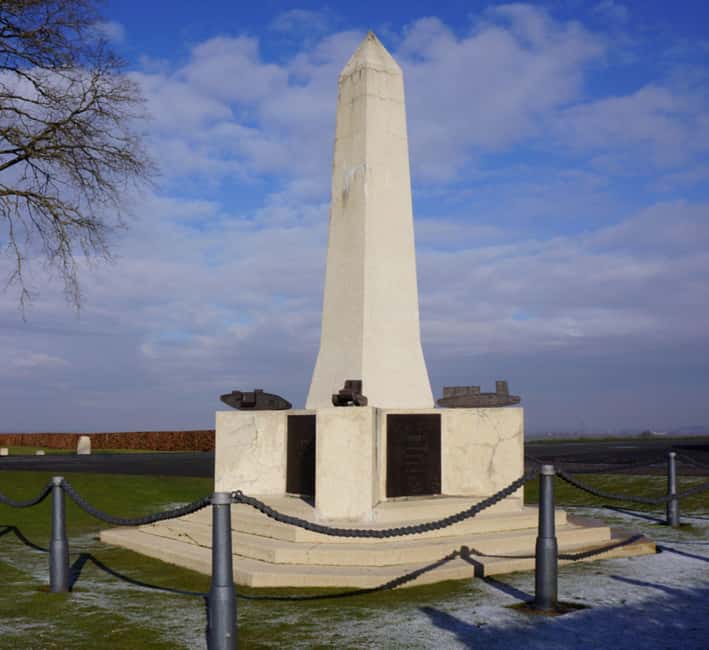
Near Pozières, you visit a tank memorial marking the first use of tanks on the battlefield. This is one of the route’s more unusual stops because it points to a major change in military technology.
The tank memorial is not only about the machine itself. It marks a moment when the character of fighting began to shift. After seeing trenches, tunnels, and fortified positions, you can better understand why armies sought a new way to cross difficult ground and break defensive lines.
For visitors interested in military development, this may be one of the day’s most useful contrasts. The earlier stops show a war of dugouts, mines, and exposed infantry. Pozières points toward mechanized warfare.
Flers-Courcelette and the return toward Amiens
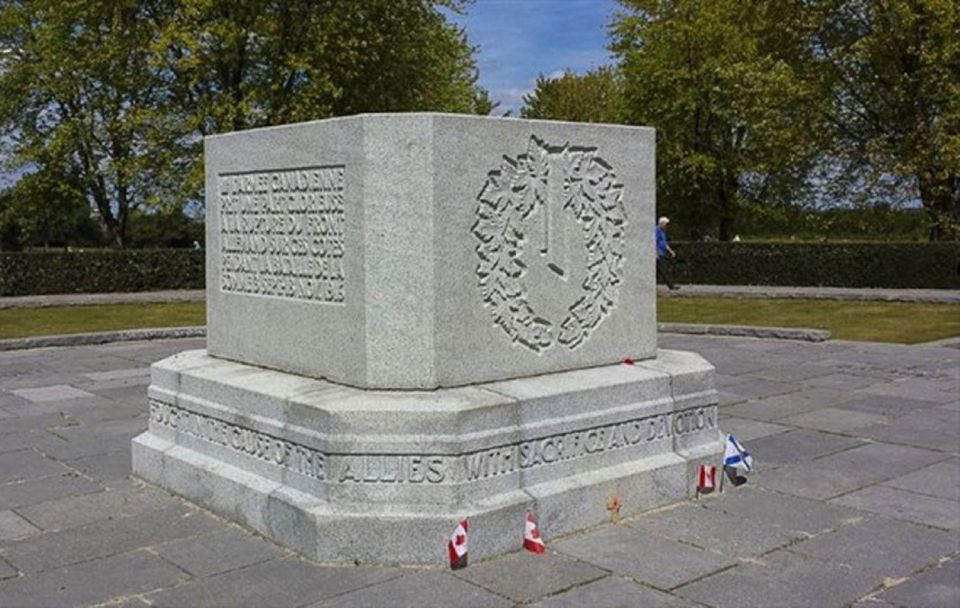
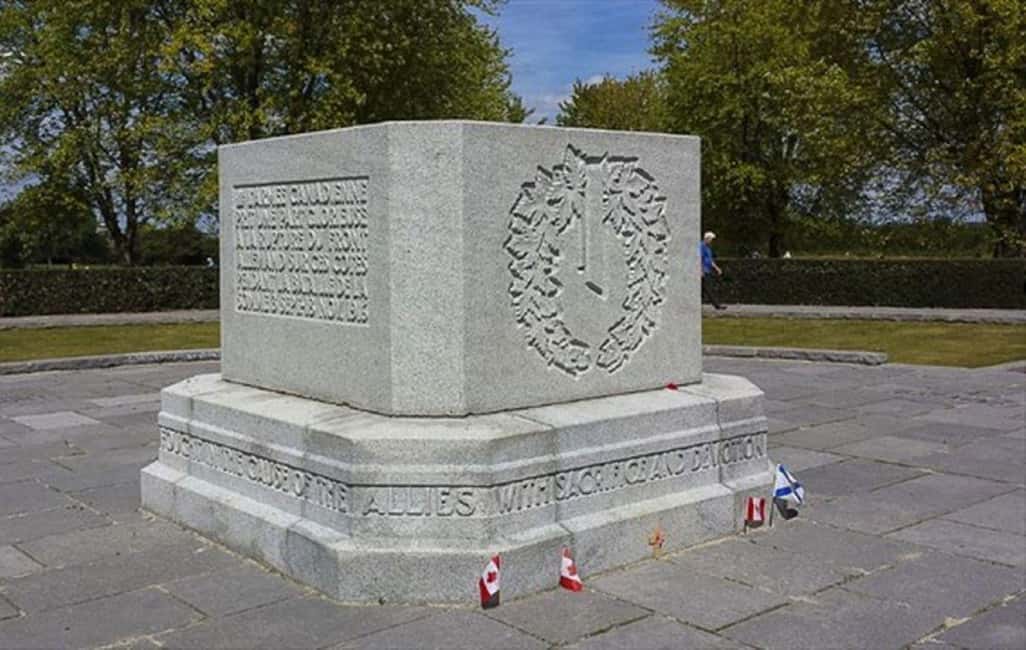
The Flers-Courcelette Canadian Memorial is the final major Canadian stop named in the route. It gives the day another place to consider Canada’s part in the Somme fighting before you return toward Amiens.
By this point, the sequence of sites should help you place the memorial within the larger story. You have seen the defensive ground, underground tunnels, cratered earth, German fortifications, and the memorials that preserve the memory of those who did not return.
The vehicle ride back to Amiens gives you a chance to process the day. The tour lasts seven hours, so do not expect a long, relaxed lunch break or extended time at every site. The schedule is designed to cover a broad area while keeping the group together.
Lunch, water, and what to bring
Lunch is optional and is not included. Food, drinks, and snacks are your responsibility, so ask Frederic about the timing of the lunch stop at the beginning of the day. One stop has been in Albert, which fits naturally into a route through the Somme, but you should budget for the meal and any extra refreshments.
Bottled water is provided in the vehicle. I would still bring a small snack if you prefer to eat at set times, since the day’s exact rhythm can depend on the time spent at each site.
Wear comfortable shoes. You will walk through trenches and a memorial park, and the ground may not feel like a paved city tour. Comfortable clothes are also listed as essential, particularly because much of the experience takes place outdoors.
This outing is not suitable for children under 11. It also cannot accommodate wheelchair users. Those limits are worth taking seriously because the appeal of the tour depends on walking through battlefield remains rather than viewing every stop from the vehicle.
Frederic’s guiding style
Frederic is the name to request. The information provided for this experience also uses Fred and Frederick, but Frederic is the consistent form associated with the guide.
His strongest qualities are historical preparation, flexibility, and personal attention. He has helped families locate relatives’ graves and prepared written information about individual soldiers. That can turn a general battlefield day into a private act of remembrance.
He also works well with younger teenagers, according to the supplied experience details. If you are bringing older children, tell him what they already know and what tends to hold their attention. His explanations can be adjusted instead of delivered as one fixed speech.
A former French military career gives Frederic a practical angle on the sites. That does not replace the visitor centres or memorials, but it can make the military side easier to understand. You can ask questions throughout the day, which is especially useful when a site raises more questions than answers.
Is $701 good value for four people?
For four people, the cost works out to about $175 per person. That includes private transportation, guiding services, and bottled water, but not food, drinks, personal expenses, or souvenirs.
The price is strongest when your group values time and focus. You avoid building your own route between Amiens, Arras, Vimy Ridge, Beaumont Hamel, Thiepval, Pozières, and the other stops. You also get a guide who can adapt the day around family research or a particular interest in Canadian military history.
For a couple, the price per person is much higher. A shared group option may cost less if one is available, though it would not offer the same privacy or flexibility. This tour makes the most sense for a family, a group of friends, or anyone making a special pilgrimage connected to a named soldier.
The provider is Historical Consulting Tourism & Patrimony. The experience has a 5 out of 5 rating from eight supplied bookings, with repeated praise for Frederic’s preparation, clear English, flexibility, and ability to make a difficult subject understandable. Those points matter more here than flashy presentation because the sites themselves require care and context.
Who should book this day?
I would choose this tour if you want a focused Canadian First World War experience and prefer a private guide over a large group. It is particularly well suited to people with family records, cemetery details, or a wish to follow a relative’s service.
It also suits visitors staying in Amiens or Arras who want to see several important sites without renting a car. The route covers more ground than most independent visitors could comfortably manage in seven hours.
You may want another option if you dislike outdoor walking, need wheelchair access, are traveling with children under 11, or want a slow day with long meals and plenty of unplanned time. The subject is heavy, too. The experience can be hopeful and inspiring, but it is built around war, death, remembrance, and loss.
Booking remains flexible: you can cancel up to 24 hours before departure for a full refund, and the reserve-now, pay-later option lets you hold the place without paying today. Starting times should still be checked when you book, since the stated departure is 9:00 a.m. and availability can vary.
FAQ
Where does the tour start?
Pickup is from your hotel in Amiens or Arras at 9:00 a.m.
How long does the experience last?
The tour lasts seven hours and returns to Amiens.
Is this a private tour?
Yes. It is a private group experience for up to four people.
Which languages does the guide speak?
The tour is offered in English and French.
Is lunch included?
No. Lunch is optional, and food, drinks, and snacks are not included.
What should I bring?
Bring comfortable shoes and comfortable clothing. Bottled water is provided in the vehicle.
Can children join the tour?
Children under 11 are not permitted on this experience.
Is the tour wheelchair accessible?
No. The experience is not suitable for wheelchair users.
Should you book it?
Book this tour if Vimy Ridge and the Somme are a main reason for your time in northern France, especially if you have a Canadian family connection. Frederic’s research and flexibility can add real meaning to a grave visit or a search for a relative’s battlefield.
For four people, the price is reasonable for private transport, a full-day guide, and a broad route that would be awkward to arrange on your own. Go prepared for walking, outdoor conditions, a packed schedule, and an emotionally serious subject. If that sounds right, this is a thoughtful and practical way to see Canada’s Great War sites.